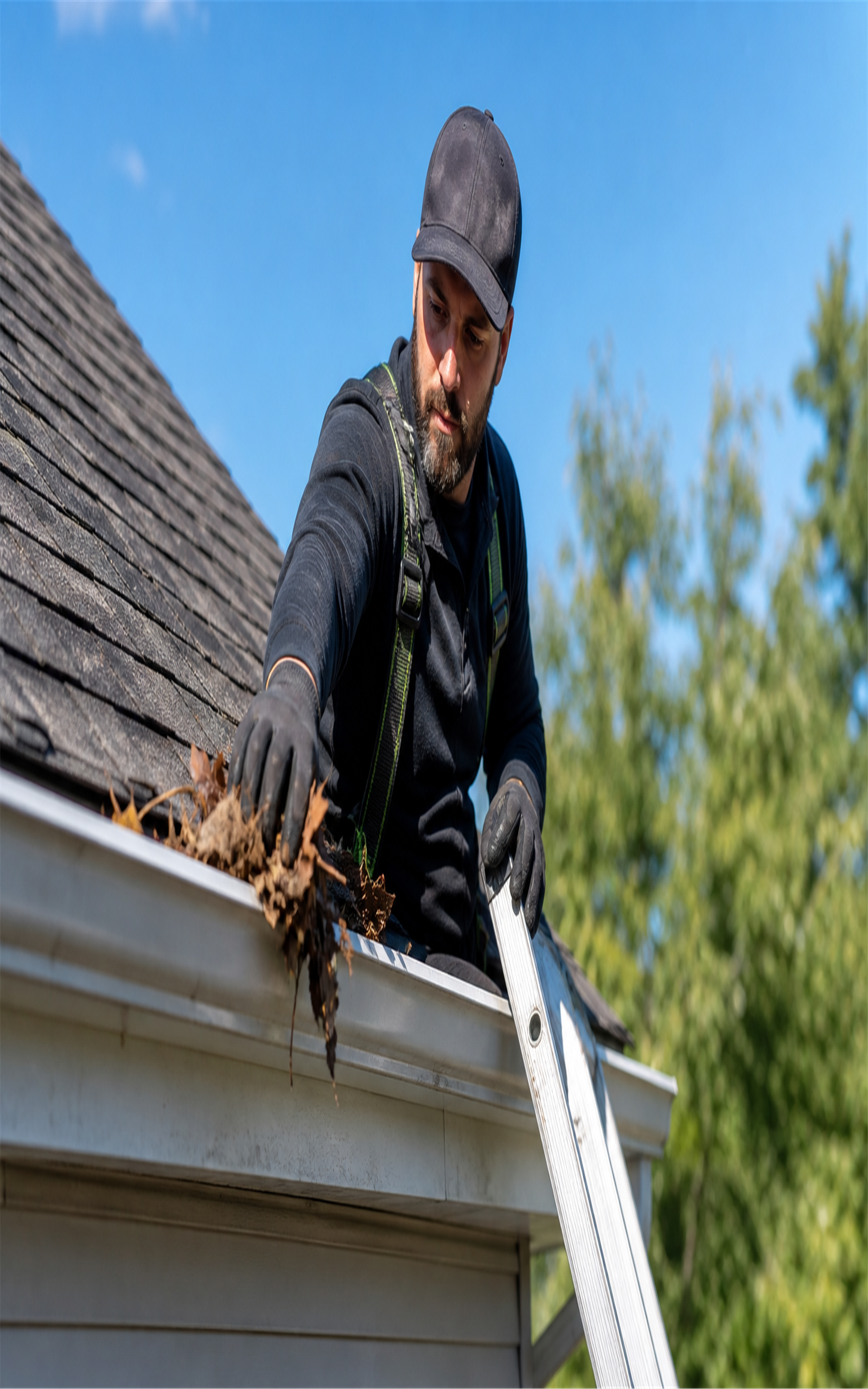
Find the Opportunity
Understand who hires pressure washing specialists and why route clarity wins jobs.
A practical starting point for operators who want to launch a pressure washing service with clearer service packages and job types, surface assessment and safety habits, wastewater handling workflows, and linear-feet quoting basics.
This page walks you through how to start a pressure washing business as a professional exterior home service—not just clearing leaves for neighbors without scope clarity or safety discipline. You will learn who hires exterior surface specialists, how to design service packages and job types and service packages, how to build a surface assessment and safety and site assessment framework, how to plan wastewater handling and on-site workflow, how to quote jobs by square footage and stories, how clients find you, and how to grow route efficiency without sacrificing quality.

Understand who hires pressure washing specialists and why route clarity wins jobs.
Build service tiers and geographic runs that match peak demand windows.
Assess rooflines and access conditions before every climb.
Plan on-site workflow, bagging, and disposal before you quote.
Price exterior surface jobs from measured runs, stories, and real job costs.
Reach homeowners with a controlled, professional launch.
Improve density and add capacity only when workflows hold.
A pressure washing business sells professional roofline access, debris removal, downspout flushing, and drainage verification—not just scooping leaves from exterior surfaces for whoever asks on a rainy Saturday. You assess each property before you climb, design service packages and job types that keep crews productive, handle debris responsibly on site, communicate scope clearly, and deliver exterior surfaces that drain before the next storm. Clients pay for clarity about what will be cleaned, how debris leaves the property, when the job completes, and whether their roofline is safe to service today.
That distinction matters. Cleaning exterior surfaces well is not the same as running a pressure washing business. Many capable operators quote jobs without measuring square footage, skip site assessments on steep or multi-story rooflines, or underestimate wastewater handling time that destroys margins on dense leaf seasons. Homeowners continue to hire exterior surface specialists when overflow damages siding, ice dams threaten winter roofs, or spring runoff floods foundations—but only when they can see how packages, safety, and schedule fit together before someone places a ladder against their fascia.
This guide walks you through how to start a pressure washing business with professional habits: finding your opportunity, designing service packages and job types and service packages, building a surface assessment and safety and site assessment framework, planning wastewater handling and on-site workflow, quoting by square footage and stories from real job costs, winning first clients, and growing route efficiency with the operational discipline that defines a credible exterior home service. By the end, you should understand what the business is, what you need to prepare, and what to verify locally before accepting your first booking.
Homeowners hire pressure washing specialists when clogged drainage threatens property damage—overflow staining, foundation pooling, ice backup, or pest habitat in wet debris. Your first step is understanding who you serve and what they expect from a professional package—not assuming your ladder comfort alone creates demand.
Pressure washing businesses succeed when clients understand the job before work starts: which exterior surface runs and downspouts are included, whether guards will be removed and reinstalled, how debris leaves the property, timeline tied to weather, access constraints around landscaping, and what happens if roof conditions make the job unsafe today. Buyers are not simply purchasing a cleared trough—they are purchasing confidence that water will flow away from the structure and that crews will not damage rooflines, siding, or plantings in the process.
Different clients bring different expectations, decision timelines, and repeat potential. Choose one primary profile for launch:
Often hire on a seasonal rhythm when leaf fall or spring seed pods clog exterior surfaces quickly. They compare on reliability, safety reputation, visible results, and annual reminder service—not always on the lowest bid alone.
Need documented service on multiple units with predictable pricing and invoice-ready records. Route density, linear-feet quoting, and photo confirmation matter more than custom hand-holding on every visit.
Prioritize fast turnaround before inspections or photos, clean downspout discharge zones, and predictable completion dates. Standardized packages and repeatable workflows support agent referrals during busy listing seasons.
Observe your local market: who do existing exterior surface and exterior-service operators serve well, and where do homeowners still express frustration—no-shows during peak leaf weeks, debris dumped on lawns, downspouts left clogged, or crews who cannot safely reach second-story runs? Your opportunity often sits in operational clarity and route reliability as much as in scooping skill.
Home-service businesses with similar client-trust dynamics—such as those in the cleaning business guide—show how defined packages and professional intake sustain service revenue. Exterior surface work adds roofline access, seasonal scheduling, and debris logistics on top of those patterns. Exterior-height trades like chimney work, covered in the chimney sweep business guide, face parallel safety and access questions that exterior surface operators should study even when service scope differs.
Exterior surface demand is rarely flat year-round. In many temperate climates, peak windows cluster around late autumn after leaf drop and again in spring when seeds, pollen pods, and winter debris flush through systems. Summer storms can trigger emergency calls when branches clog valleys overnight. Winter ice and frozen debris create a different access profile entirely—some operators pause certain rooflines until conditions improve.
Map your local seasonality before you launch: when do neighbors complain about overflow, when do HOAs send reminder letters, and when do adjacent trades—roofers, landscapers, pressure washers—encounter exterior surface problems on every job? Seasonal clarity helps you staff routes, stock supplies, and market reminders at the moment buyers actually feel urgency.
Practical takeaway: Write one paragraph describing your ideal first client and the job type you want most—single-story maintenance clean, multi-story full flush, or property-manager route work. List three questions they will ask before hiring—and make sure your future intake process answers them.
Before you quote scattered exterior surface jobs across town, decide how your service packages and geographic routes work together during peak seasons. Clients need tiers they can compare—and you need density that keeps windshield time from eating margins.
Each package should list specific inclusions, exclusions, and what happens with debris:
Remove debris from accessible exterior surface runs, bag on site or per agreed disposal plan, flush downspouts where reachable from ladder or ground, and verify visible drainage at discharge points. Best for annual maintenance on typical residential rooflines.
Standard clean plus downspout clearing with hose or snake, inspection of elbows and underground drain connections where accessible, and photo documentation of flow test results. Suited to homes with history of clogs or unknown drain paths.
Remove exterior surface guards or screens, clean troughs thoroughly, flush system, and reinstall hardware—or note replacement parts client must supply. Higher labor; requires on-site assessment before quoting.
Pre-scheduled visits once or twice per year at a defined package level, with route-priority scheduling during peak weeks. Recurring plans stabilize revenue and improve geographic density.
Route planning is how exterior surface businesses survive leaf season without burning out. Group jobs by neighborhood, municipality, or ZIP cluster so each truck day covers nearby properties with minimal driving. When possible, sequence similar story heights and access conditions on the same day so ladder setup rhythms stay consistent and crew mental models stay aligned.
Build route templates before demand spikes:
A dense autumn route might serve twelve single-story homes in one subdivision across eight hours. The same twelve jobs scattered across three towns can consume half a day in travel alone. Route design is not a back-office luxury—it is core pricing strategy.
Each model changes your overhead, scheduling, and growth path:
Business registration, waste-disposal rules, and height-work expectations vary significantly by jurisdiction. Some areas regulate placement of ladders on public sidewalks; others restrict yard-waste disposal or commercial vehicle parking in residential zones. Insurance and workers' compensation requirements also differ by state and province.
Create an investigation checklist and confirm each item with your local business licensing office and waste authority:
The SBA guide to launching a business helps with general registration and planning steps, but it does not replace local licensing and disposal rules. Start your research early—some approvals take weeks.
Practical takeaway: Draw a simple map of your intended service area divided into three route zones. Assign one package tier to each zone for launch and draft a two-season calendar showing when you will market to each cluster. If the map looks empty, your zone sizes are too large—shrink them until one day of driving feels plausible.
Every exterior surface job begins with a decision about access—not a automatic climb because the client booked a clean. Your assessment framework is what turns a vague "clean my exterior surfaces" request into work you can perform safely today or reschedule without dispute.
Ladder and fall-protection standards exist to reduce serious injury, but they are not identical in every country, state, or job context. In the United States, OSHA publishes surface assessment and safety guidance employers and workers should investigate— including inspection before use, proper setup angle, load limits, and three-points-of-contact climbing practices. Your obligation is to research what applies to your operation, consult your insurer's requirements, and build written habits your crew follows on every property.
Do not treat a blog summary as a substitute for reading primary guidance and local rules. Document what you investigated, what equipment you standardize on, and what conditions trigger a no-go decision regardless of client pressure.
Every exterior surface job should be assessed on site—or through detailed photos and video when a visit is not possible first. Document:
Skipping assessment is how operators accept jobs they cannot safely reach—or underbid multi-story runs that require additional setup time, spotters, or equipment they do not carry.
Convert investigation into repeatable crew habits. A practical framework often includes:
OSHA's surface assessment and safety materials are a sensible starting point for U.S. operators researching best practices—but your insurer, equipment manufacturer manuals, and any state occupational rules may add requirements. Build your framework from those sources, not from memory of a training video.
A one-page site assessment form creates consistency: property address, date, assessor name, story count, square footage estimate, access notes, guard type, debris observation, safety go/no-go, and client signature when conditions require rescheduling. Photos of ladder placement zones and clogged runs support both quoting accuracy and dispute resolution.
Trade businesses that assess carefully before quoting—like those described in the carpet cleaning business guide—reduce callback friction because clients understand inclusions before work starts. Pressure washing adds height and weather variables: a written assessment prevents arguments about whether second-story rear runs or downspout flushing were included—and creates a record when unsafe conditions postponed service.
Practical takeaway: Create a one-page site assessment template with story count, access sketch, weather check, and safety decision fields. Use it on your next three estimates—even informal ones—and note which properties would require rescheduling under your abort criteria.
A pressure washing business is a logistics and property-care business as much as a ladder skill. Debris handling and workflow sequencing determine whether you finish routes on time without damaging landscaping or leaving clogs hidden in downspouts.
Debris surprises destroy margins and client trust. Wet leaf mass weighs more than dry scoops suggest, and homes with mature maples or pines can fill dozens of bags per visit. Decide in advance:
Build debris time into your schedule. Bagging, ground transport, and dump runs are real labor—not overhead you absorb because the exterior surfaces "looked fine" from the driveway.
Professional pressure washing follows a repeatable sequence:
Intake should collect contact details, property access, package reference, debris disposal plan agreed, pets and gate codes, parking for your vehicle, and permission to reschedule for weather. Property managers often need invoice codes and photo attachments—build that into workflow early if that is your target client.
Stock ladders matched to your maximum service height, stabilizers or leg levelers, buckets with hooks, scoops, tarps, contractor bags, hose or downspout snake, leaf blower for ground cleanup, and basic hand tools for guard removal. Label truck bins so crew restocks consistently after each route day.
Establish job-site habits: never dump wet debris on lawns without tarps, never flush exterior surfaces onto neighbor property without checking discharge direction, and never leave bags blocking sidewalks or driveways. Homeowners notice crews that protect plantings and leave cleaner yards than they found—even after messy exterior surface work.
Define a pre-departure checklist: all scoped runs cleared, downspouts flowing, debris removed per agreement, ground areas swept, guards reinstalled if included, and any observed damage noted in writing. A two-minute flow test at each downspout prevents the most common callback: "It rained and overflowed again."
Practical takeaway: Write a debris and workflow checklist for each package tier—standard clean, full flush, guard service—and run one job through it start to finish. Note where debris volume or downspout clearing exceeded your estimate and adjust scoping questions before the next quote.
Clients buy scope clarity and dependable drainage—not vague guesses from the curb. Pricing should reflect measured exterior surface runs, story height, access complexity, and wastewater handling you documented—not a rate copied from a forum post in another city.
Exterior surface quoting works best when measurement is explicit. On site or from detailed plans, capture:
Build a spreadsheet that converts these inputs into labor hours using your own production rates: how many square footage you clear per hour at one story versus two, additional minutes per downspout flush, guard removal factors, and debris bagging time. Test the model on past jobs or timed practice runs—not on invented industry averages.
Consider every cost category that applies to your model:
Multi-story sections add disproportionate time even when square footage look modest—a forty-foot run at second story can exceed labor of twice that length at ground-accessible eaves. Count setup moves, ladder repositioning, and ground-assist coordination in your production assumptions.
Many operators use a base rate per linear foot at one story with multipliers for additional stories, steep pitch, or guard removal. Others bundle standard home sizes—"typical ranch," "two-story colonial"—after measuring enough local properties to know ranges. Either approach works when the underlying math comes from your spreadsheet and site assessment—not from guessing.
Separate line items for standard clean, full flush, guard service, and haul-away help buyers choose exactly what they need. Maintenance-plan clients benefit from annual pricing tied to measured footage recorded at first visit so renewals do not require re-measuring unless structures change.
Do not publish dollar amounts you cannot defend with your own cost build-up. Markets vary widely by tree density, labor cost, disposal fees, and competition. Your job is to know your numbers—not to repeat prices from another region.
Include payment terms, reschedule policies for weather, change-order triggers when hidden guard layers or collapsed downspouts appear, and what happens when access is unsafe on arrival. Exterior surface labor is schedule-locked—hours waiting on locked gates or rescheduling around storms are cost you cannot recover on another route stop the same day.
Track actual hours and debris volume on every early job against your estimate. Adjust production assumptions and pricing templates based on real results rather than initial guesses. The chimney sweep business guide emphasizes the same discipline: accurate quotes come from documented job costs and professional intake, not competitor guessing.
Practical takeaway: Build a pricing spreadsheet with columns for square footage, story multipliers, downspout count, debris factor, travel allocation, and overhead. Complete it for your next three estimates using timed assumptions you verify on site, then compare projected costs to actuals after each job closes. Refine before scaling marketing.
Trust drives hiring decisions in exterior surface work. Homeowners choose operators who look organized, clear about packages, safe on site, and reliable during peak leaf weeks—not whoever sends the vaguest low estimate from a generic form.
Avoid advertising without safety and scoping discipline behind it. Photos of clean exterior surface runs, clear package descriptions, and explicit reschedule policies for weather demonstrate professionalism better than discount messaging alone.
Home-service businesses with similar client-trust dynamics—such as those in the cleaning business guide—show how documented scope, professional intake, and repeat referral systems sustain service revenue. The operational pattern translates: clients hire services they believe will show up, communicate, protect property, and finish as promised—even when ladders are involved.
Practical takeaway: Land your first three jobs through direct outreach to homeowners or property managers in one route zone—before spending on ads. Document every site question they raise and refine your assessment template after each conversation.
Growth means adding route density and capacity only when safety assessments, debris workflows, and client communication stay consistent—not accepting scattered jobs across your region because the phone rang.
A sensible progression:
Adding crew members introduces quality control. Document safety frameworks with photo examples, conduct joint assessments on early jobs together, and review estimate-to-actual hour variance monthly. One inconsistent downspout test can damage the reputation that took seasons of route discipline to build.
Track metrics that matter: estimate-to-actual hour variance, debris disposal cost variance, callback rate, maintenance-plan renewal rate, jobs per route day, and drive time between stops—not vanity metrics like total leads. Fix scoping and route bottlenecks before marketing harder.
Route software, GPS logging, and simple CRM reminders help when they reinforce habits you already follow: zone scheduling, photo attachments for managers, and automatic renewal emails before leaf season. No app replaces site assessment or ladder judgment. Adopt tools that reduce admin time on maintenance plans and invoice batches, not tools that encourage booking jobs you cannot safely cluster.
Practical takeaway: After your first ten completed jobs, calculate average drive time between stops and your most common callback cause. Fix the route geography or downspout checklist issue before adding a second crew or expanding into a new zone.
Use this four-week outline to move from interest to a controlled first route day. Each week builds on the last for a pressure washing business launch.
Confirm these essentials before you accept a booking or place a ladder on a client's fascia.
A pressure washing business is a professional exterior home-service operation that removes debris from roof exterior surfaces and downspouts, inspects drainage paths, and handles on-site debris disposal—not simply clearing leaves for neighbors without clear scope or safety discipline. Success depends on seasonal route planning, surface assessment and safety habits, accurate linear-feet measurement, wastewater handling logistics, and communication that prevents disputes about what was included.
General house cleaning focuses on recurring interior packages, room-by-room checklists, and team scheduling across living spaces. Pressure washing is exterior work centered on roofline access, surface assessment and safety, seasonal debris removal, downspout flushing, and often one-time or annual maintenance visits tied to leaf fall and spring runoff. This guide addresses exterior surface-specific routes, safety assessment, wastewater handling, and linear-feet quoting—not whole-home recurring cleaning routines.
Business registration and licensing requirements vary significantly by country, state, county, and city. Some jurisdictions require a general business license for home services; others add rules for ladder work at height, waste disposal, or commercial vehicle use. Verify requirements with your local business licensing office and waste-disposal authority before accepting paid exterior surface jobs.
Group jobs by geography and season so crews move efficiently between nearby properties during peak leaf-fall and spring runoff windows. Build route days with similar story heights and access conditions when possible, leave buffer time for weather delays, and offer maintenance plans that bring clients back on a predictable annual schedule. Dense routes reduce windshield time and make quoting more profitable than scattered one-off calls.
Treat surface assessment and safety as a site-specific decision, not a one-size checklist. Investigate OSHA ladder guidance and any local rules that apply to your work, then build a written framework: inspect equipment before each job, set up on stable ground, maintain three points of contact, use fall-protection where required, and abort work when conditions—wet roofs, high wind, unstable soil—make access unsafe. Document your assessment on every property.
Measure square footage of exterior surface run and count stories or roofline height as primary inputs. Add modifiers for downspout count, guard removal, steep pitch, limited access, and debris volume observed on site. Build pricing from your own labor hours, equipment wear, disposal time, travel between route stops, overhead, and margin—using a spreadsheet with your production rates, not unverified rates from another market.
Decide before the job where debris goes: bagged on-site for client disposal, hauled to a compost or landfill facility, or placed in client-provided containers. Confirm weight and material restrictions locally, protect landscaping and walkways during removal, and flush downspouts to verify drainage before leaving. Debris handling time belongs in your quote—not as a surprise after exterior surfaces are cleared.
Start with a defined client profile and controlled launch. Reach local buyers through search listings, seasonal reminder campaigns, trade referrals, and property-manager outreach where appropriate. Professional site assessments, visible before-and-after photos, and reliable route scheduling convert interest faster than vague low bids.
This pressure washing business example was developed using eBook Business Builder—the workflow used to structure the guide, free lead magnet, offer assets, email series, and marketing content you see in the EBB Showroom below.
If you want to create your own eBook business around a topic you know, EBB walks you through research, writing, assets, and launch in a repeatable system. See how business assets fit together and launch marketing for your eBook business to understand the full EBB build model.
Start Building with eBook Business Builder →The flagship guide explains how to start a pressure washing service—service packages and job types, surface assessment and safety, site assessment, wastewater handling, linear-feet quoting, and client communication—in a structured eBook format.
Chapters walk readers through evaluating the opportunity, designing service packages and job types and service packages, building a surface assessment and safety and site assessment framework, planning wastewater handling and on-site workflow, quoting by square footage and stories, winning first clients, and growing route efficiency without sacrificing safety or scope clarity.
First Jobs & Setup Basics — a lead magnet that helps readers evaluate whether pressure washing work fits their skills and identify sensible first steps before buying equipment or accepting bookings.
Many operators quote exterior surface jobs without route planning, surface assessment and safety discipline, or linear-feet measurement that protects margins and client expectations.
Foundational route and safety first steps, common early mistakes to avoid, and a simple action plan readers can use before committing to client bookings or service launches.
Cleans exterior surfaces informally but unsure how to assess rooflines safely and run a pressure washing business professionally.
Prepared with the fundamentals needed to design routes, assess access, handle debris, and deliver exterior surface work on schedule.
Pressure Washing Startup Program
A practical flagship guide for readers ready to move from interest to action—with clear first steps and professional service habits for dependable pressure washing and route-based operations.
Tools & References