Find the Opportunity
Understand who hires fleet washers and why contract clarity wins accounts.
A practical starting point for operators who want to launch a fleet washing service with clearer contract packages, account intake, and recurring wash workflow basics.
This page walks you through how to start a fleet washing business as a commercial vehicle service—not individual car washing without contract structure. You will learn who hires fleet washers, how to design exterior wash tiers, what route and site workflows you need, how to manage water and runoff responsibly, how to win first accounts, and how to grow dependable recurring schedules.

Understand who hires fleet washers and why contract clarity wins accounts.
Decide how your fleet washing operation will be structured and what rules may apply.
Design exterior wash tiers, vehicle classes, and scope documents fleet managers understand.
Build efficient depot routines with responsible water and runoff awareness.
Quote fleet contracts from measured labor, water use, and route time.
Reach fleet decision-makers with a controlled, professional launch.
Improve route efficiency and add capacity only when operations hold.
A fleet washing business sells contracted exterior vehicle maintenance—not one-off consumer washes booked through an app. You onboard commercial accounts, define wash tiers by vehicle class, plan route-efficient depot stops, coordinate site access, manage water and runoff responsibly, and deliver recurring schedules fleet managers can depend on. Clients pay for clarity about what each tier includes, how often vehicles are washed, and whether branded fleets stay road-ready without disrupting operations.
That distinction matters. Washing vehicles well is not the same as running a fleet washing business. Many operators pursue fleet work without contract tiers, site requirements, or scheduling routines that make recurring service profitable and consistent. Businesses with vehicle fleets continue to outsource washing when schedules, quality, and account management feel dependable—but only when they can see how wash scope, route logistics, and site rules fit together before the first service window.
This guide walks you through how to start a fleet washing business with professional habits: finding your commercial opportunity, choosing a service model, designing wash tiers and contract scope, building route and site workflows, pricing from real job costs, winning first fleet accounts, and growing recurring relationships with the reliability and communication that define a credible commercial service. By the end, you should understand what the business is, what you need to prepare, and what to verify locally before accepting your first contract.
Businesses with vehicle fleets continue to outsource washing when schedules, quality, and account management feel dependable. Your first step is understanding who you serve and what fleet managers expect from a professional contract—not assuming your washing skill alone creates demand.
Fleet washing businesses succeed when account managers understand the service before vehicles enter the wash sequence: tier inclusions, vehicle class definitions, frequency, site access requirements, and quality checkpoints. Buyers are not simply purchasing a clean exterior—they are purchasing confidence that every vehicle in the fleet meets brand presentation standards on a predictable schedule without disrupting depot operations.
Different fleet types bring different vehicle mixes, wash frequency needs, and site constraints. Choose one primary profile for launch:
High vehicle counts with visible brand presence on the road. Frequent exterior washing, batch depot stops, and route efficiency matter more than premium add-ons on every unit.
Mix of vans, trucks, and work vehicles that accumulate road grime and job-site debris. Tier selection often balances basic wash frequency against periodic degreasing where appropriate.
Turnover-driven volume with standardized wash requirements across vehicle classes. Speed, consistency, and damage reporting protocols are central to contract value.
Procurement-driven contracts with defined service specifications, insurance requirements, and site rules. Steady volume when vendor credentialing and compliance are handled professionally.
Observe your local market: which fleet operators outsource washing, and where do managers still express frustration—missed service windows, inconsistent results across vehicles, unclear tier scope, or poor site behavior? Your opportunity often sits in operational clarity as much as in washing technique.
Commercial service businesses with recurring contract patterns—such as those in the cleaning business guide—show how defined service scope and dependable scheduling sustain commercial revenue. Fleet washing follows the same logic: managers hire vendors they believe will show up, deliver contracted scope, and handle sites responsibly.
Practical takeaway: Write one paragraph describing your ideal first fleet account and the vehicle mix you want most. List three questions the fleet manager will ask before signing—and make sure your future intake process answers them.
Before you pursue accounts, decide how your fleet washing business will operate and what your jurisdiction requires. Business registration, insurance, and water or runoff rules vary by location—there is no single universal path.
Each model changes your overhead, routing, equipment needs, and growth path:
You wash at client depots with portable or truck-mounted equipment. Flexible for varied fleet locations; capacity limited by route time and setup at each stop.
Multiple technicians covering scheduled depot days across a defined territory. Higher volume potential; requires route templates, quality control, and crew training.
Clients deliver vehicles on scheduled windows. Controlled water and runoff management; depends on client willingness to rotate vehicles off-site.
Focused on one vehicle type or industry— refrigerated trucks, construction equipment, or transit buses. Narrower market but deeper tier expertise.
Business registration, commercial insurance, and water or runoff regulations vary significantly by jurisdiction. Some areas restrict wash water discharge, require reclamation equipment, or impose permit requirements for commercial mobile washing. Corporate depot sites may have additional environmental policies beyond local law.
Create an investigation checklist and confirm each item with your local business licensing office, environmental authority, and insurance provider:
The SBA guide to launching a business helps with general registration and planning steps, but it does not replace local environmental and commercial service rules. Start your compliance research early—some corporate accounts require vendor approval before site access is granted.
Practical takeaway: Contact your local environmental authority and an insurance agent this week with your intended service model written in one sentence. Ask which water, runoff, registration, and coverage requirements apply before you publish tier descriptions or sign your first fleet contract.
Fleet managers need contract clarity and dependable production. Your tier design is what turns a vague "wash our trucks" request into a recurring agreement you can price, route, and deliver without dispute.
Each tier should specify what happens to the vehicle exterior in plain language:
Avoid tier names that fleet managers cannot map to scope. Document exactly what each vehicle receives so quality disputes reference the contract—not memory.
Define vehicle classes that affect time and pricing: sedans, cargo vans, box trucks, trailers, heavy equipment, and specialty units. Document examples for each class so both parties agree which tier rate applies. Misclassified vehicles erode margin on every recurring cycle.
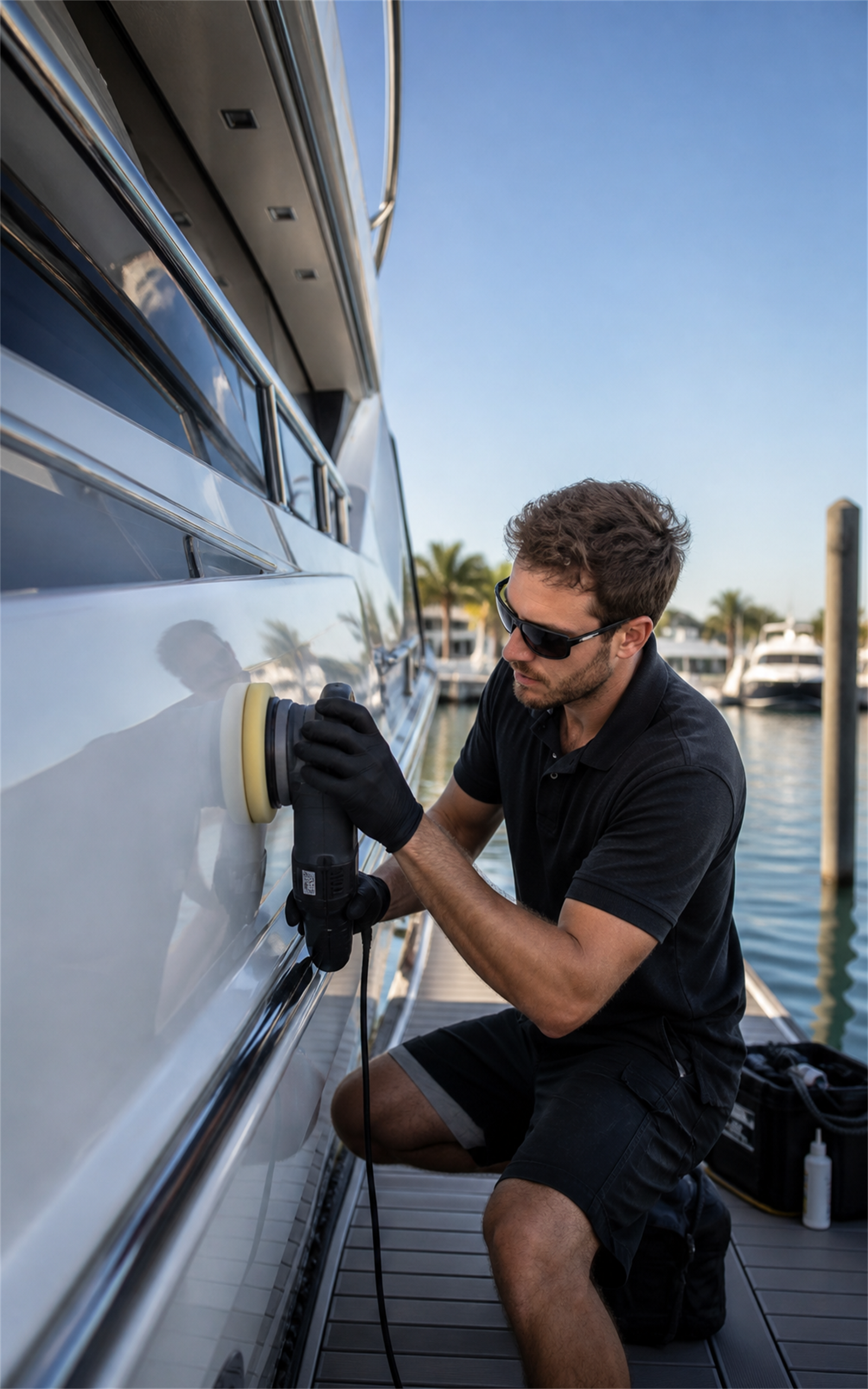
Vehicle service businesses with defined exterior packages—such as those in the boat detailing business guide—demonstrate how scope documents prevent disputes when clients expect different outcomes than operators deliver. Fleet washing requires the same discipline applied to recurring exterior standards across commercial vehicle classes.
Practical takeaway: Draft three wash tiers with line-item inclusions and exclusions for two vehicle classes. Review them as if you were a fleet manager who has never hired a wash vendor—every ambiguity you find is a future dispute to fix now.
A fleet washing business is a routing and trust business as much as a cleaning skill. Workflow determines whether you deliver consistent quality across depot stops without blowing schedules, margins, or site rules.
Structure service days around geographic clusters and depot stops where multiple vehicles can be washed before traveling to the next location:
Single-vehicle stops scattered across a territory destroy unit economics even when per-vehicle rates look acceptable on paper.
Document during account intake and confirm before arrival:
Water and runoff rules vary by jurisdiction and by site. Some locations require wash water reclamation, prohibit discharge to storm drains, or mandate specific containment practices. Corporate depots may impose stricter rules than local minimums. Build your workflow to investigate site-specific requirements during intake and adapt equipment and procedures accordingly—not assume one approach works everywhere.
Document your water source, product use, and runoff handling approach for each account. Responsible site behavior protects your contract and your ability to operate at additional locations referred by satisfied fleet managers.
Build step-by-step wash routines for each tier so every operator produces the same result: pre-rinse sequence, wash pattern, wheel treatment, dry method, and quality check before the vehicle returns to fleet rotation. Log completion by vehicle ID, tier served, and any exceptions noted.
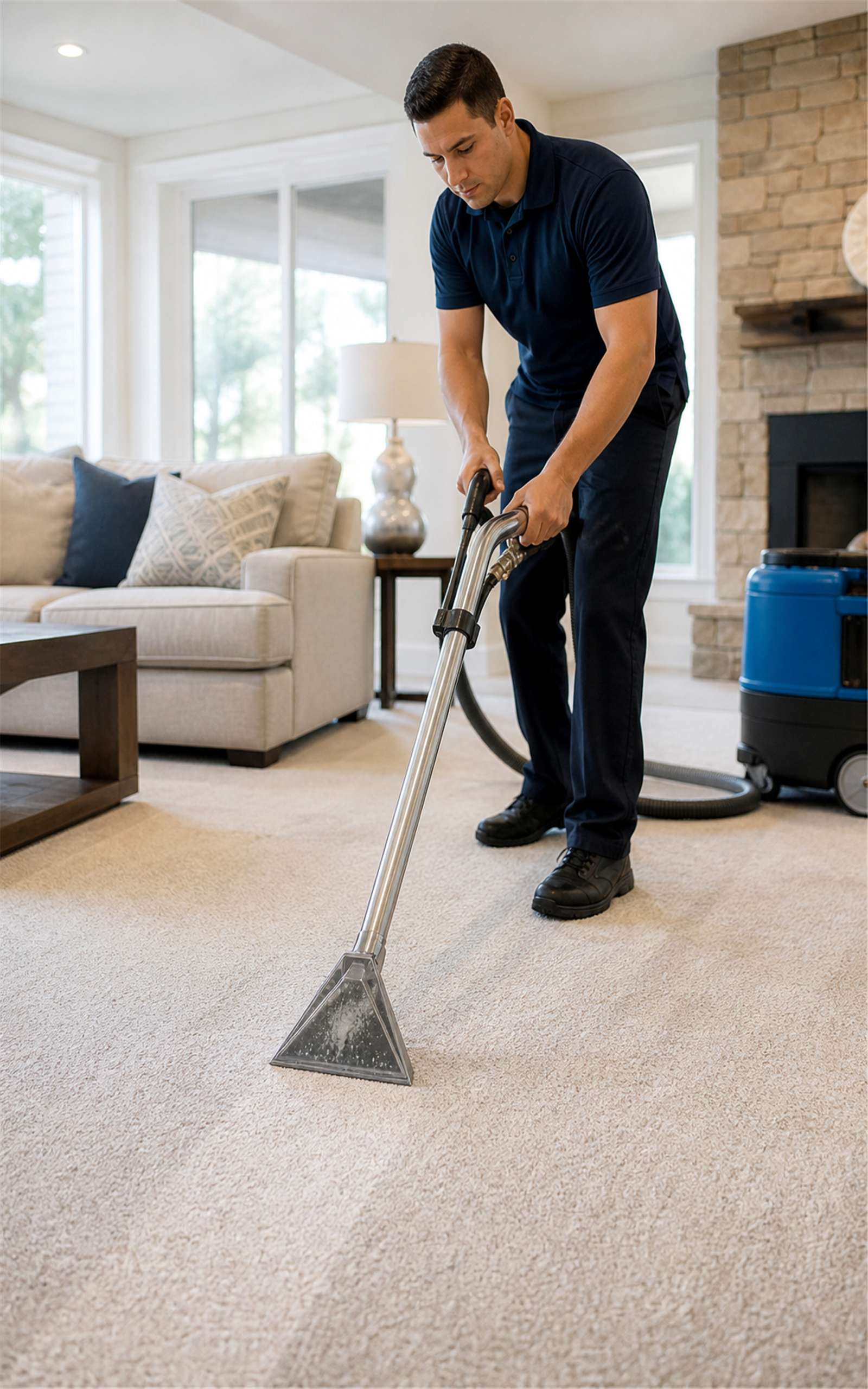
Interior-adjacent commercial services—such as those in the carpet cleaning business guide—show how documented production sequences and site discipline sustain trust on recurring work. Fleet washing applies the same operational rigor to exterior depot service.
Practical takeaway: Map a sample route day with three depot stops and time each segment—travel, setup, wash per vehicle, breakdown. Compare total route time to your contract pricing assumptions and adjust before signing additional accounts.
Fleet managers buy scope clarity and dependable production—not vague per-vehicle guesses. Pricing should reflect the full cost of delivering the tier standard you documented, including route time, water use, and recurring schedule overhead.
Consider every cost category that applies to your model:
Batch efficiency at depot stops dramatically changes unit economics. Structure contract pricing to reflect actual route patterns—not a flat rate applied regardless of how many vehicles you wash before driving to the next location.
Per-vehicle pricing works when fleet counts fluctuate. Flat monthly account pricing works when fleet size and tier mix stay stable. Hybrid models combine a base route fee with per-vehicle rates above an included count. Choose the structure that matches how the account manages vehicle rotation and budget approval.
Include payment terms, vehicle count change procedures, tier upgrade processes, and what happens when site access failures or weather prevent service. Route days blocked for an account that cancels access are capacity you cannot recover on another contract.
Track actual minutes, water use, and product consumption on every early account against your estimate. Adjust tier pricing and route assumptions based on real results rather than initial guesses.
Practical takeaway: Build a pricing spreadsheet with labor minutes, water and product factors, route time, and overhead allocation per vehicle class and tier. Complete it for your next two account proposals, then compare projected costs to actuals after the pilot period closes.
Trust drives fleet contract decisions. Account managers choose vendors who look organized, clear about wash tier scope, and reliable on recurring routes—not whoever sends the vaguest low bid.
Practical takeaway: Identify five local companies with visible branded fleets matching your target profile. Reach out with a one-page tier summary and pilot proposal before spending on ads. Document every scope and site question they raise and refine your intake forms after each conversation.
Growth means adding accounts and route days only when quality, scheduling, and site behavior stay consistent—not signing more fleets than your route system can deliver well.
A sensible progression:
Adding crew members introduces quality and site-behavior control. Document tier standards with photo examples, conduct joint route days on early stops together, and review account feedback monthly. One operator who ignores site runoff rules can end a corporate contract that took seasons to win.
Track metrics that matter: on-time route completion, tier checklist adherence, account retention, vehicles per route day at target quality, and water or site compliance incidents—not vanity metrics like total proposals sent. Fix route bottlenecks before pursuing additional accounts.
Practical takeaway: After your first three fleet accounts reach full recurring routes, identify your weakest route day for efficiency and your strongest referral source. Fix the routing issue before adding accounts that stretch territory density further.
Use this four-week outline to move from interest to a controlled first fleet account. Each week builds on the last for a fleet washing business launch.
Confirm these essentials before you submit a fleet contract proposal or schedule your first recurring route day.
A fleet washing business is a commercial vehicle service that maintains company fleets through contracted exterior wash tiers, recurring schedules, and route-efficient on-site delivery—not individual car washes booked one vehicle at a time. Success depends on contract clarity, wash tier definitions, site access coordination, schedule reliability, and responsible water and runoff handling.
Consumer mobile car washing focuses on individual owners and flexible one-off appointments. Fleet washing focuses on commercial accounts with multiple vehicles, recurring contracts, defined exterior wash tiers, route planning across depot stops, and site access requirements tied to fleet operations. Fleet work requires account management, batch efficiency, and contract discipline that consumer washing rarely demands.
Define tiers by exterior scope and vehicle class—not vague package names. A basic tier might cover rinse and hand wash; a standard tier adds wheels, tires, and bug removal; a premium tier includes undercarriage rinse or degreasing where appropriate and agreed. Each tier should list inclusions, exclusions, vehicle size categories, and expected time on site so fleet managers can compare options without guessing.
Group accounts by geography and service day to minimize travel between stops. Prioritize batch stops where multiple vehicles are washed at one depot before driving to the next location. Build route templates with realistic time buffers for access delays, setup, and breakdown. Track actual route performance against estimates and adjust scheduling before adding accounts that break route efficiency.
Water and runoff rules vary significantly by jurisdiction and site type. Some locations require containment, reclamation, or discharge permits; corporate sites may have their own environmental policies. Investigate local requirements with your environmental authority and confirm site-specific rules during account intake. Build your workflow around responsible water use and runoff management appropriate to each location—not assumptions that apply everywhere.
Build pricing from your own costs: labor minutes per vehicle class and tier, water and product consumption, travel and route time, equipment maintenance, overhead, and margin. Account for batch efficiency when multiple vehicles are washed at one depot versus single-unit stops. Test contract rates in a spreadsheet using your production times—not unverified rates from another market.
Start with a defined account profile—local delivery fleets, contractor vehicle pools, rental operations, or municipal units—and reach decision-makers through direct outreach, facility manager contacts, and referrals from adjacent commercial services. A controlled launch with documented wash tiers, site intake forms, and route plans builds trust faster than broad advertising without operational discipline behind it.
Fleet managers expect consistent exterior results across vehicles, adherence to contracted tier scope, reliable recurring schedules, vehicles returned to service on time, and responsible site behavior including water and runoff handling. Document quality checkpoints and communicate proactively when service windows cannot be met. One missed schedule or sloppy site cleanup can end a contract faster than a single imperfect wash.
This fleet washing business example was developed using eBook Business Builder—the workflow used to structure the guide, free lead magnet, offer assets, email series, and marketing content you see in the EBB Showroom below.
If you want to create your own eBook business around a topic you know, EBB walks you through research, writing, assets, and launch in a repeatable system. See how business assets fit together and launch marketing for your eBook business to understand the full EBB build model.
Start Building with eBook Business Builder →The flagship guide explains how to start a fleet washing service—contract packages, account intake, site workflow, scheduling systems, and client communication—in a structured eBook format.
Chapters walk readers through evaluating the commercial opportunity, choosing a service model, designing wash tiers and contract scope, building route and site workflows, pricing from real job costs, winning first fleet accounts, and growing recurring routes without sacrificing schedule reliability.
First Accounts & Contract Setup — a lead magnet that helps readers evaluate whether fleet washing fits their operational strengths and identify sensible first steps before pursuing commercial accounts.
Many operators chase fleet work without contract tiers, site requirements, or scheduling routines that make recurring service profitable.
Foundational first steps, common early mistakes to avoid, and a simple action plan readers can use before committing to fleet account proposals or service launches.
Washes individual vehicles but unsure how to structure fleet contracts and manage commercial accounts.
Prepared with the fundamentals needed to onboard fleet accounts, schedule recurring washes, and deliver contracted service.
Fleet Washing Startup Program
A practical flagship guide for readers ready to move from interest to action—with clear first steps and professional service habits for dependable fleet washing on recurring routes.
Tools & References