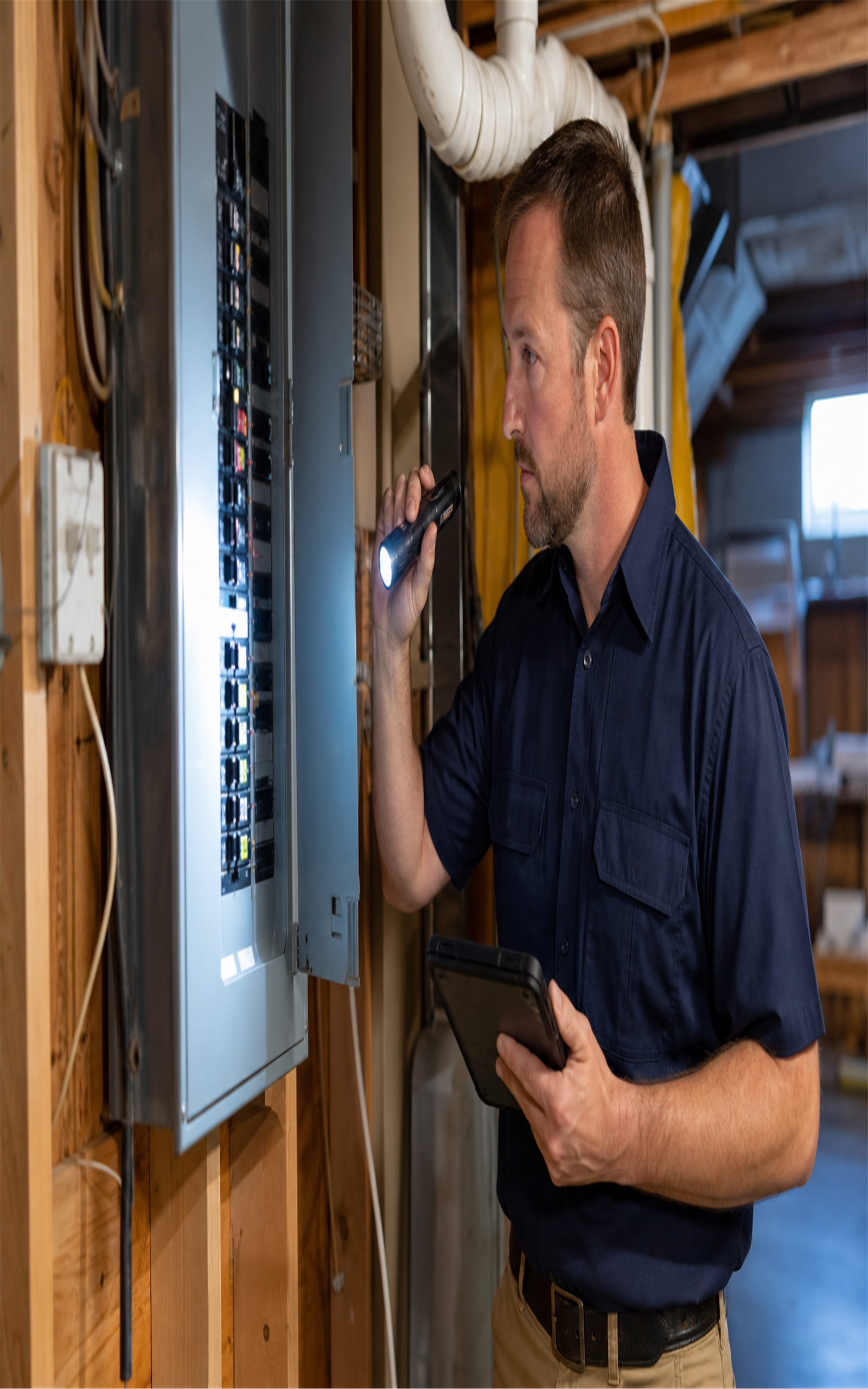
Find the Opportunity
Shift from technician to business owner with market understanding, vision, and structured service thinking.
A practical starting point for technicians who want to launch a chimney sweep service with clearer service packages, homeowner intake, and inspection workflow basics.
This page walks you through how to start a chimney sweep business as a real home safety service—not just cleaning flues. You will learn market understanding, service packages, homeowner intake, safety communication, branding, value messaging, legal compliance, team building, local marketing, and scaling strategies that turn technical skill into a trusted business.

Shift from technician to business owner with market understanding, vision, and structured service thinking.
Research licensing, permits, insurance, and compliance requirements for your area.
Build a consistent brand with logo, colors, and marketing materials that reflect professionalism.
Design tiered service packages and articulate value beyond price.
Market locally with SEO, content, outreach, and referral programs.
Run homeowner intake and safety communication during every sweep and inspection.
Build a reliable team and scale through service diversification or expansion.
[object Object]
[object Object]
[object Object]
Technical expertise is essential, but launching a chimney sweep business requires market understanding, a clear vision, and the mindset of a business owner—not just a skilled technician.
You may feel apprehension standing on the brink of launching your own business. Can technical expertise alone translate into a thriving enterprise? The answer is both yes and no. Your skills are invaluable, but they are one piece of a larger puzzle that includes market understanding, service design, and customer engagement.
Every successful business starts with a keen understanding of its market. In chimney sweeping, this means recognizing who your customers are, what they need, and how to reach them. Reflect on common misconceptions—such as homeowners believing a chimney that looks clean is safe to use. These gaps in knowledge can guide your service offerings and marketing.
Before diving into operations, outline your vision. What do you want your chimney sweep business to look like in five or ten years? Consider the environment you want for employees, how you hope to be perceived by clients, and the values your business will uphold. Write this vision down—it serves as a guiding light through entrepreneurship.
Practical takeaway: Write a one-paragraph business vision and list three common homeowner misconceptions about chimney maintenance you will address in your messaging.
Compliance is not just for large corporations. Registering your business, securing permits, obtaining insurance, and following safety standards protect you and build homeowner trust.
Behind the image of climbing ladders and clearing soot lies a crucial layer: legal and regulatory compliance. Ignoring this aspect could lead to costly mistakes that jeopardize your business before it takes off.
Business registration typically involves choosing a structure—sole proprietorship, partnership, LLC, or corporation—and filing paperwork with your local government. Each structure carries different tax responsibilities and levels of personal liability. Research what applies in your area before you begin taking bookings.
Permits and licenses vary significantly by location. Many municipalities require specific licenses for chimney sweeps, which can include health and safety permits or fire safety certifications. General liability insurance protects against property damage or bodily injury claims during operations—and demonstrates professionalism clients expect.
Practical takeaway: Create a compliance checklist for your area and identify three local resources you will use to verify business registration, licensing, and insurance requirements.
Branding is more than a logo—it is the story, values, and consistent image you project across every touchpoint from business cards to your website.
Branding is often reduced to having a logo, but it is the essence of your business—the story you tell and the image you project. When potential clients see your logo, visit your website, or read your marketing materials, they should feel trust and professionalism.
Inconsistency creates confusion. When clients see the same branding elements consistently, they remember you and feel confident in your services. Use tools like Canva or Adobe Express to experiment with logo and color options, then apply them across all materials.
Practical takeaway: Sketch a basic logo, choose two or three brand colors, and apply them to one business card and one flyer prototype before your next client interaction.
Tiered service packages let you serve budget-conscious and safety-focused homeowners alike—while power statements and testimonials shift conversations from price to peace of mind.
[object Object]
[object Object]
[object Object]
It can be tempting to set prices based solely on what competitors charge, but consider your costs, perceived value, and target market demographics. In safety-conscious areas, premium packages may command higher prices because of added peace of mind.
Instead of saying "I clean chimneys," you might say, "I specialize in keeping homes safe and warm by providing thorough chimney cleaning that prevents dangerous fires." Collect customer testimonials after jobs and offer service guarantees that demonstrate confidence in your work.
Practical takeaway: Outline your three service packages with included services and pricing approach. Draft one power statement and ask your next satisfied client for a short testimonial.
Word of mouth helps, but relying on it alone leaves your business vulnerable. Local SEO, content marketing, community outreach, and referral programs build a sustainable client base.
Service businesses face unique challenges: customers must trust you to enter their homes. Identify your target audience—families with fireplaces, older homes with traditional heating, or newer installations—and articulate your unique selling proposition clearly.
Partner with local businesses, participate in community events, and offer free workshops on chimney maintenance or safety. Consider online advertising with seasonal promotions for first-time clients. Encourage referrals with incentives such as discounts on future services.
Practical takeaway: Draft a three-month marketing plan with one local SEO action, one content piece, and one community outreach target. Set a goal for new clients you want to attract in that period.
The quality of your intake process and safety communication shapes the entire service experience—transforming initial uncertainty into confidence before you touch the flue.
When you don PPE and prepare tools, engage the homeowner: explain that your mask filters dust and debris so you both breathe safely. Discuss potential risks in clear, relatable language—not jargon. When explaining liability waivers, frame them as clarifying shared responsibility for unexpected situations.
Draft a safety communication plan outlining key measures and how you convey them before work begins—PPE importance, cleaning risks, and what homeowners should expect during service.
Practical takeaway: Create an intake form with concern-focused questions and draft a safety communication checklist you will use before every job.
Growth is not only more clients—it includes hiring for culture fit, training for safety and customer interaction, and diversifying services or expanding markets with intention.
Technical prowess alone does not guarantee team success. Define job descriptions covering technical skills and soft skills—teamwork, adaptability, eagerness to learn. Use structured recruitment: sourcing, screening, behavioral interviews, practical assessments, and reference checks.
Growth can come from diversifying services—inspections, repairs, vent cleaning, seasonal maintenance plans—or expanding into neighboring areas. Franchising may be an option once processes are documented and brand identity is solid. Research market trends and competitor offerings before expanding.
Practical takeaway: Draft a structured training plan outline for your first hire and list two complementary services you could add to your current offerings. Review one growth path quarterly instead of expanding reactively.
Use this four-week outline to move from skilled technician to structured chimney sweep operator. Each week builds on the last using steps supported by the Chimney Sweep Business guide.
Confirm these essentials before you accept a chimney sweep service call.
A chimney sweep business is a professional home safety service where homeowners hire you for cleaning, inspection, and maintenance—not informal flue cleaning. Success depends on tiered packages, tailored intake, safety communication, branding, legal compliance, and follow-up that builds trust.
Technical expertise is essential but insufficient without business planning, effective marketing, customer engagement, and clear service packaging. Skilled technicians who fail to communicate value often struggle to attract clients.
Offer tiered packages such as Basic (cleaning and basic inspection), Standard (cleaning, detailed report, maintenance consultation), and Premium (comprehensive cleaning, in-depth inspection, safety certification, maintenance reminders). Price from costs, perceived value, and your market—not competitors alone.
Use open-ended questions about chimney concerns, tailored intake forms covering previous issues and worries, and pre-service explanations of what to expect. Generic name-and-address intake misses the trust-building opportunity.
Explaining PPE, cleaning risks, and service steps in relatable language builds trust and reduces homeowner anxiety. Safety information should not be a rushed checklist—it is an ongoing dialogue that positions you as a trusted advisor.
Research business registration and structure, local permits and licenses for chimney services, general liability insurance, safety regulations, and record keeping for compliance documents. Requirements vary significantly by location—verify locally rather than assuming one universal checklist applies.
Combine local SEO and Google My Business, educational content on chimney safety, community outreach and workshops, online advertising with seasonal promotions, and referral incentives. Word of mouth helps but should not be your only strategy.
Hire for culture fit and train on safety and customer interaction—not just technical skill. Consider service diversification, market expansion, or franchising only after processes are documented and your brand is solid.
This chimney sweep business example was developed using eBook Business Builder—the workflow used to structure the guide, free lead magnet, offer assets, email series, and marketing content you see in the EBB Showroom below.
If you want to create your own eBook business around a topic you know, EBB walks you through research, writing, assets, and launch in a repeatable system.
Start Building with eBook Business Builder →The flagship guide covers chimney sweep startup fundamentals—market foundation, service packages, homeowner intake, safety communication, branding, value messaging, legal compliance, team building, marketing, and scaling—in a structured eBook format.
[object Object]
A lead magnet helps readers evaluate whether chimney service fits their technical skills and identify sensible first steps before taking homeowner bookings.
Many operators perform sweeps without inspection routines, findings documentation, or recurring service plans that build trust and repeat business.
Foundational first steps, common early mistakes to avoid, and a simple action plan readers can use before committing to client bookings or service launches.
Chimney Sweep Startup Program
A practical flagship guide for readers ready to move from interest to action—with clear first steps and professional intake and safety habits for chimney sweep businesses.
Tools & References