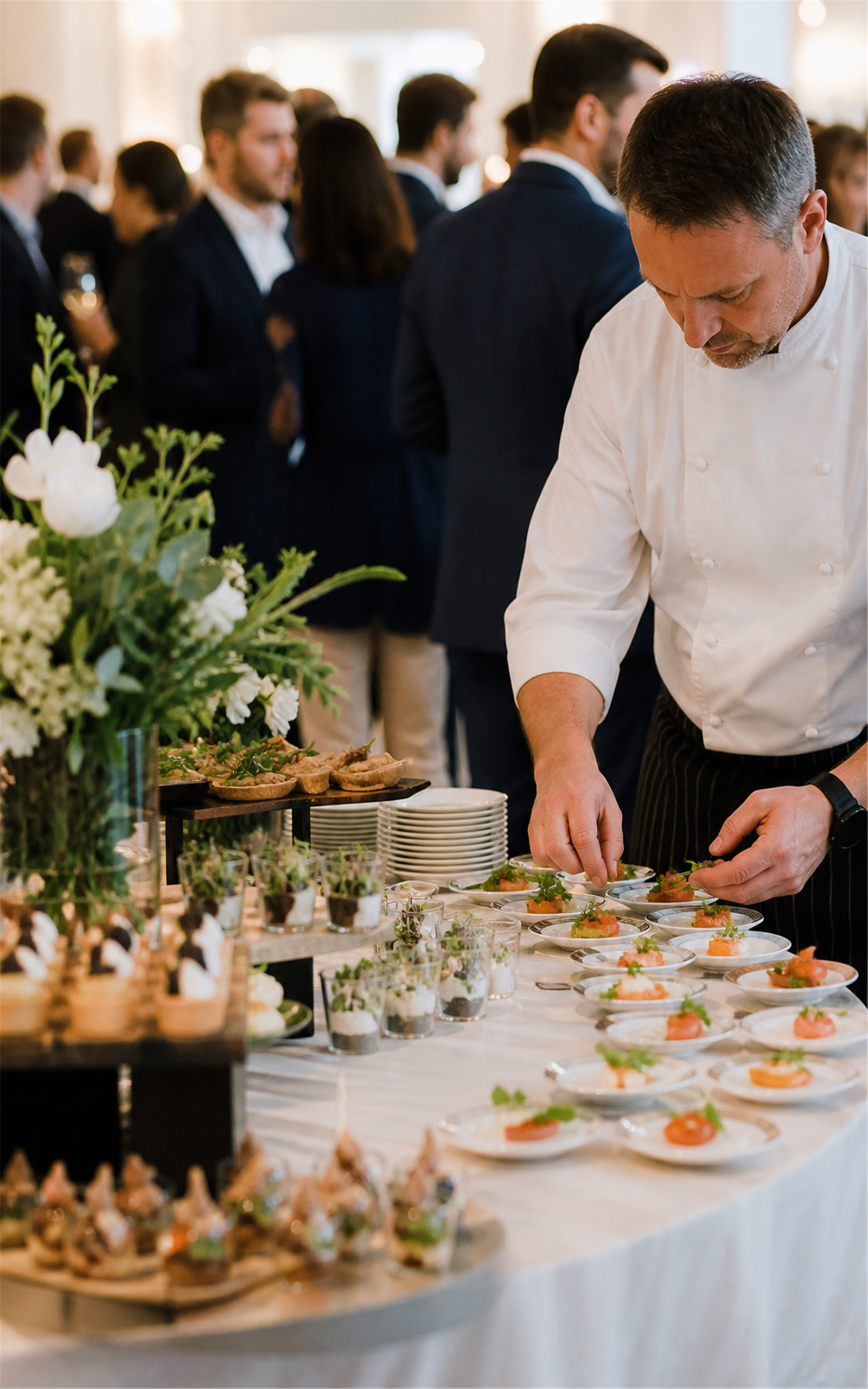
Find the Opportunity
Understand who buys meal prep and where your service fits locally.
A practical starting point for food entrepreneurs who want to launch a meal prep service with clearer menus, production workflows, and delivery or pickup habits.
This page walks you through how to start a meal prep business as a real food operation—not just cooking healthy meals for people you know. You will learn who buys prepared meals, how to design focused menus, how to investigate FDA and local food compliance before production, how to set up batch production and kitchen workflow, how to price from real costs, how to win first customers, and how to grow with the operational discipline meal prep requires.
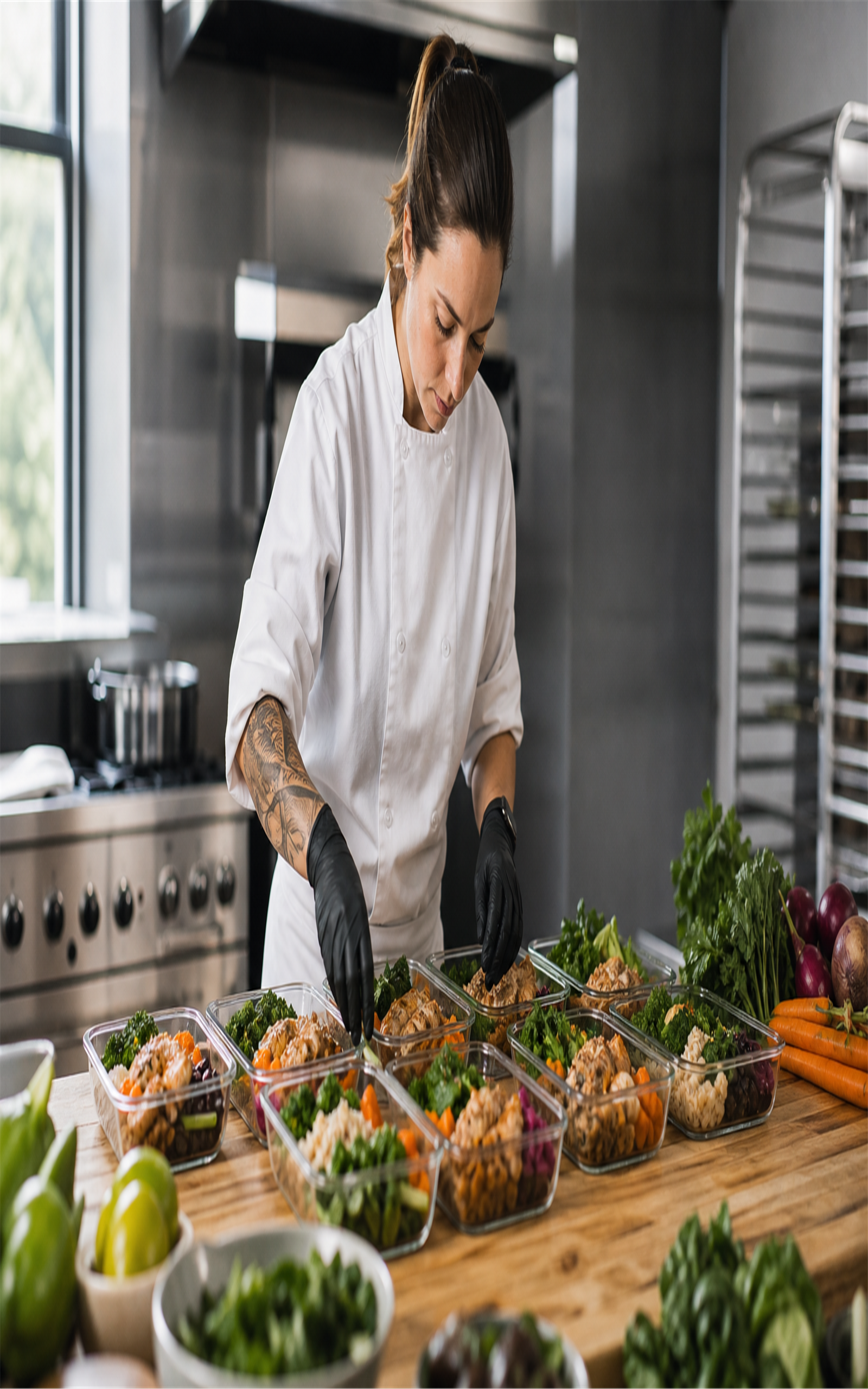
Understand who buys meal prep and where your service fits locally.
Build a focused meal lineup instead of an overwhelming launch catalog.
Verify FDA guidance and local food rules before you produce or sell.
Plan batch capacity, equipment, packaging, and storage systems.
Build repeatable prep, cooking, finishing, and order fulfillment routines.
Quote meal plans from measured ingredients, labor, and delivery overhead.
Launch with controlled capacity and grow only when workflow holds.
A meal prep business sells prepared meals through defined menus, production schedules, and delivery or pickup channels—not simply cooking well for people you know. Customers expect consistent portions, clear ordering, dependable handoff windows, labeling that matches local rules, and meals that taste the same when they reorder next week. Your kitchen becomes a batch production operation with intake deadlines, capacity limits, and packaging standards—not an informal favor exchange.
That distinction matters. Cooking skill is not the same as running a meal prep service. Many capable cooks accept orders without menu limits, underprice labor and packaging, or produce food in facilities their jurisdiction does not permit for the products they sell. Busy professionals, fitness-focused buyers, and families continue to purchase meal prep when quality, convenience, and reliable service are dependable—but only when the operator runs production like a business with verified compliance habits, not a hobby with occasional deliveries.
This guide walks you through how to start a meal prep business with professional habits: finding your opportunity, designing focused menus, investigating compliance with official sources, setting up production systems, building kitchen workflow, pricing from real costs, winning first customers, and growing with operational discipline. By the end, you should understand what the business is, what you need to prepare, and what to verify locally before accepting your first paying order.
Local buyers hire meal prep services when home cooking stalls—long work weeks, training schedules, family logistics, or health goals that need consistent portions without daily kitchen time. Your first step is understanding who you serve and what they expect from a professional operation—not assuming demand exists because your friends praise your cooking.
Meal prep occupies a specific place in local food markets: batch-produced, portion-controlled meals sold through subscriptions, weekly preorders, gym partnerships, or workplace programs. That model shapes everything—how many menu items you can execute well, how you schedule production days, whether delivery or pickup fits your area, and which kitchen and licensing requirements your jurisdiction applies to the food you plan to sell.
Different clients bring different expectations, reorder patterns, and price sensitivity. Choose one primary profile for launch:
Often want consistent protein portions, labeled macros or ingredient clarity, and predictable weekly plans. They compare on macro accuracy, taste consistency, and whether pickup or delivery fits their training schedule—not always on the lowest per-meal price alone.
Need dependable weekly meals that reduce decision fatigue. They value variety within a manageable menu, reliable handoff windows, and packaging that survives refrigerator storage until they eat.
Prioritize vendors who invoice cleanly, fulfill set quantities by deadline, and maintain consistent quality across recurring orders. Standardized menus and repeatable batch workflows support B2B meal programs once trust is established.
Observe your local market: who already sells meal prep, subscription boxes, or prepared meals nearby? Are buyers choosing convenience, dietary focus, portion control, or chef-driven variety? Gaps may exist in dependable weekly pickup, a focused flavor identity, or transparent ordering—but you discover gaps by observing competing services and talking to potential buyers, not by guessing.
Adjacent food businesses show how production discipline sustains revenue. The catering business guide explores batch cooking and event fulfillment; the food truck business guide covers mobile food operations with different permitting paths. Meal prep shares DNA with both—repeatable production at scale—but your compliance and kitchen requirements depend on your specific menu and sales model, which you must verify locally.
Practical takeaway: Write one paragraph describing your ideal first client and the meal plan format they want most—weekly pickup, subscription delivery, or workplace bulk orders. List three questions they will ask before ordering—and make sure your future intake process answers them.
Meal prep regulations vary widely by jurisdiction. Some areas allow limited products from home kitchens under cottage food programs; many meal prep models require commercial kitchen production, facility permits, or specific food-handler credentials. Your investigation framework matters as much as your menu—verify locally with official sources before marketing or accepting paid orders.
Create a checklist and confirm each item with your state health department, local permitting office, and—when applicable—FDA guidance resources. Requirements differ by country, state, county, and city. Do not assume rules from another market apply to you, and do not treat general food safety articles as your operating permit:
The FDA publishes food safety resources and a Food Code model that many state and local authorities reference—it is not itself your operating permit. The FDA guide for starting a food business helps you understand federal oversight areas and points you toward state and local authorities that actually license your operation.
This guide does not state specific temperature thresholds, shelf-life limits, or permit requirements as universal facts because those rules change by jurisdiction, product type, and production method. When you research food safety procedures—cooling, holding, storage, reheating, and transport—document what your state and local health department requires and train your workflow to those verified standards. If a blog or social post contradicts your health department, trust the official source.
Where may I legally produce the meals on my menu? What facility type do I need? Which certifications apply to me and any staff? What labeling fields are required? Are there restrictions on delivery or cross-county sales?
Does each item qualify for my approved production location? Do any ingredients or processes trigger additional review? Can I support allergen disclosures accurately for every component?
Align your service menu with what your jurisdiction allows from your chosen kitchen:
The SBA guide to launching a business helps with general registration and planning steps, but it does not replace your state food safety authority. Start compliance research early—some facility approvals and registrations take weeks, and operating without required credentials can create liability exposure and invalidate insurance claims.
Practical takeaway: Complete your compliance investigation checklist with dated notes from official sources—not forum posts. Do not publish prices or accept deposits until you have confirmed where you may legally produce your menu and which permits apply to your sales model.
A meal prep business runs on production capacity matched to your menu, equipment staged for batch days, packaging that fits your sales channel, and storage systems that support your verified food safety procedures—not improvised cooking whenever orders arrive.
Calculate how many meals you can produce reliably in one session given your kitchen, equipment, and help available. Batch capacity drives everything: maximum orders per cycle, cutoff times, and whether you can serve subscription clients without missing deliveries.
Buy core equipment first; add specialty items when repeated production justifies the cost:
Ovens, range burners, sheet pans, pots, and holding equipment matched to your batch sizes—not restaurant-scale gear you cannot fill efficiently on launch day.
Cutting boards, knives, scales, measuring tools, and portion scoops that produce consistent weights across every container.
Cooling space and finishing stations arranged per your documented procedures—verify equipment and layout requirements with your health department rather than copying another operator's setup.
Containers suited to your meals, transport method, and labeling requirements. Test seal integrity, stackability, and reheating instructions customers will actually follow.
Batch production breaks when ingredients run out mid-session. Build supplier relationships for core proteins, produce, dry goods, and packaging. Track par levels for launch menu ingredients and reorder triggers that account for lead time—not last-minute grocery runs that compress your production window.
Separate business purchasing from personal groceries. Document lot sources for ingredients when your compliance plan requires traceability. A simple inventory sheet tied to your weekly batch plan prevents both stockouts and waste from over-ordering items only one meal uses.
Practical takeaway: Run one full test batch at your target capacity using your launch menu. Time every stage—shopping, prep, cooking, cooling, packaging—and compare to the production window you plan to promise customers. Reduce menu size or order limits until the batch completes comfortably.
The business must repeatedly deliver consistent meals, accurate orders, and dependable pickup or delivery—not depend on last-minute improvisation when order volume spikes. Professional meal prep follows a repeatable sequence from intake through handoff.
Clients notice details beyond taste alone:
Safe food handling is part of operational credibility. Build habits around sanitation, personal hygiene, preventing cross-contamination, separating raw and ready-to-eat workflows, and documented procedures for cooling, holding, storage, and transport. Train every person who touches production to the standards your health department requires.
Know the ingredients in every meal. If labeling is required, document allergen information accurately—the FDA identifies major food allergens, and disclosure requirements vary by how and where food is sold. Do not make unsupported allergy-free or medical diet claims. When in doubt about a procedure, confirm with your local health authority rather than improvising.
Set maximum order quantities per cycle until your workflow is proven. It is better to sell out consistently than to miss orders because you accepted more than your kitchen can fulfill while maintaining the standards your jurisdiction expects.
Practical takeaway: Write your production workflow as a one-page checklist ordered by time of day. Write a separate one-page order intake flow with cutoff rules. Run one test cycle following both exactly—then fix the step that caused the most delay before accepting paying orders.
Clients buy dependable quality, clear portions, and a transaction that fits their weekly routine. Pricing should reflect the full cost of batch production and fulfillment—not a per-meal rate copied from a competitor you cannot verify.
Consider every cost category that applies to your model:
Batch production spreads some costs efficiently, but setup time per production day is fixed whether you sell ten meals or fifty. Build minimum order thresholds or plan tiers that cover mobilization honestly—clients prefer transparent plan pricing over artificially low per-meal rates that hide delivery or kitchen fees.
Plan-based pricing works when menus are documented and portions are standardized. Five-meal, ten-meal, and family bundles simplify customer decisions and your batch planning. Separate line items for delivery, premium proteins, or add-on sides help buyers understand the quote.
Here is an illustrative worksheet example—not an industry benchmark. If your ingredient and packaging cost for one meal totals $5.80 in your spreadsheet, and you apply labor, kitchen, delivery, overhead, and profit factors, you might test a retail price of $14.50 and adjust after a few production cycles. Your numbers will differ. Price from your costs, then refine with estimate-to-actual tracking.
Include payment terms, subscription cancellation rules, cutoff policies for changes, and what happens when a client misses pickup. Meal prep labor is schedule-locked; production days cannot be re-run cheaply because orders changed after you shopped.
Track actual ingredient cost, labor hours, and waste on every early batch against your estimate. Adjust production assumptions and pricing templates based on real results rather than initial guesses. The catering business guide emphasizes the same discipline: accurate pricing comes from documented batch costs and professional intake, not competitor guessing.
Practical takeaway: Build a pricing spreadsheet with ingredient costs, labor rates, packaging, delivery allocation, and overhead. Complete it for your top three plan tiers, then compare projected costs to actuals after each production cycle. Refine before scaling marketing.
Trust drives ordering decisions in meal prep. Buyers choose operators who communicate clearly, deliver consistent portions, and hand off on schedule—not whoever posts the lowest introductory rate without operational proof.
Avoid advertising without production discipline behind it. Photos of fulfilled weekly orders, clear menu language, and reliable handoff windows demonstrate professionalism better than discount messaging alone.
A sensible progression:
Adding helpers introduces quality control. Document portion standards with photos, conduct joint quality checks on early batches together, and review estimate-to-actual hour variance monthly. One inconsistent meal or mislabeled allergen disclosure can damage the reputation that took seasons to build.
Track metrics that matter: estimate-to-actual hour variance, order error rate, repeat weekly bookings, referral source, and meals produced per batch at your agreed standard—not vanity metrics like total social followers. Fix production and intake gaps before marketing harder.
Practical takeaway: Land your first ten orders through direct outreach to buyers who match your target profile—before spending on ads. Document every intake question they raise and refine your menu and workflow after each production cycle.
Use this four-week outline to move from interest to a controlled first production cycle. Each week builds on the last for a meal prep business launch.
Confirm these essentials before you accept a booking or shop for your first production batch.
A meal prep business is a food operation that sells prepared meals through defined menus, production schedules, and delivery or pickup channels—not informal cooking for friends without clear terms. Success depends on menu discipline, repeatable batch production, dependable order intake, pricing from real costs, and compliance habits matched to how and where you produce and sell food.
Rules vary significantly by jurisdiction. Cottage food programs may allow limited products from home kitchens, but many meal prep models require commercial kitchen production or licensed facilities. Do not assume home production is permitted for your menu. Verify product eligibility, kitchen requirements, and sales channels with your state and local health authority before planning production.
Start with a small, focused menu rather than a full restaurant catalog. Each meal adds ingredients, prep steps, packaging, labeling, and storage complexity. A disciplined launch menu protects consistency, simplifies customer choice, and keeps batch production manageable while you prove demand and workflow.
There is no single universal meal prep license. Requirements depend on your jurisdiction, menu, production location, and sales model. Investigate business registration, food facility permits, food-handler training, sales tax setup, labeling requirements, delivery rules, and insurance—and confirm each item with official sources, not forum posts from another state.
Build pricing from ingredient costs, packaging, labor, kitchen time, delivery or pickup overhead, waste, insurance, and desired margin. Test plan-tier prices in a spreadsheet using your batch production data—not unverified competitor rates. Adjust after comparing estimates to actual batch costs.
Follow a repeatable sequence: order intake and cutoff, batch planning from confirmed orders, prep and cooking in logical sequence, cooling and finishing per your documented procedures, packaging and labeling, quality check against orders, and pickup or delivery within promised windows. Consistent workflow reduces missed items and protects margins on batch production days.
Start with a defined client profile and controlled launch. Reach local buyers through search listings, gym and workplace relationships, referrals, and social proof from fulfilled orders. Professional menu documents, real meal photos, and reliable handoff windows convert interest faster than vague discount offers.
Treating cooking skill as a business without menu discipline, production capacity limits, or local compliance research. Great meals in small batches do not automatically become a sustainable meal prep operation without workflow structure, pricing from real costs, and verification of where and how you may legally produce and sell food.
This meal prep business example was developed using eBook Business Builder—the workflow used to structure the guide, free lead magnet, offer assets, email series, and marketing content you see in the EBB Showroom below.
If you want to create your own eBook business around a topic you know, EBB walks you through research, writing, assets, and launch in a repeatable system. See how business assets fit together and launch marketing for your eBook business to understand the full EBB build model.
Start Building with eBook Business Builder →The flagship guide explains how to start a meal prep service—menu design, production setup, compliance investigation, kitchen workflow, pricing, and client communication—in a structured eBook format.
Chapters walk readers through evaluating the opportunity, designing focused menus, investigating FDA and local food compliance, setting up batch production, building kitchen workflow, pricing from real costs, winning first customers, and growing operations without sacrificing consistency.
First Menus & Production Setup — a lead magnet that helps readers evaluate whether meal prep fits their goals and identify sensible first steps before accepting orders.
Many cooks focus on recipes without menu discipline, production capacity limits, or the compliance investigation that prepared food sales require.
Foundational first steps, common early mistakes to avoid, and a simple action plan readers can use before committing to a menu or production schedule.
Cooks healthy meals informally but unsure how to design a menu and set up batch production professionally.
Prepared with the fundamentals needed to draft a launch menu, plan production capacity, investigate compliance, and deliver consistent meals on schedule.
Meal Prep Startup Program
A practical flagship guide for readers ready to move from interest to action—with clear first steps and professional production habits for dependable meal prep service.
Tools & References