Find the Opportunity
Understand who buys from food trucks and where mobile food fits locally.
A practical starting point for operators who want to launch a food truck with clearer menu focus, commissary prep habits, and route planning basics.
This page walks you through how to start a food truck business as a real mobile food operation—not just buying a vehicle and parking it. You will learn how to find your opportunity, choose a truck and commissary setup, build a tight menu, plan mobile kitchen operations, price for events and daily service, win locations and first customers, and grow with the permit and route discipline that mobile food requires.
Understand who buys from food trucks and where mobile food fits locally.
Choose your operating model and investigate permit requirements.
Design a small lineup built for speed and mobile kitchen limits.
Plan commissary prep, service workflow, and on-truck execution.
Create pricing that covers commissary, fuel, permits, and labor.
Win stops, private bookings, and recurring route slots.
Prove stops, tighten throughput, and expand deliberately.
A food truck business sells food from a permitted mobile unit through defined locations, events, or routes—not simply owning a vehicle with a grill. Customers expect fast service, consistent quality, clear menu choices, and dependable presence at the stops you promote. Your operation spans commissary prep, truck setup, service-day workflow, and location strategy—not only what happens inside the service window.
That distinction matters. Cooking well in a small space is not the same as running a food truck business. Many operators launch with an oversized menu, no commissary prep plan, and no system for testing whether a location actually produces profitable service. Lunch crowds and event hosts continue to hire food trucks when throughput and reliability are dependable—but only when the operator treats routes, permits, and prep as seriously as recipes.
This guide walks you through how to start a food truck business with professional habits: finding your opportunity, choosing a truck and commissary model, building a tight menu, planning mobile kitchen operations, pricing for street and event service, winning locations and first customers, and growing with route discipline. By the end, you should understand what the business is, what decisions come first, and what to investigate locally before committing to a vehicle or route.
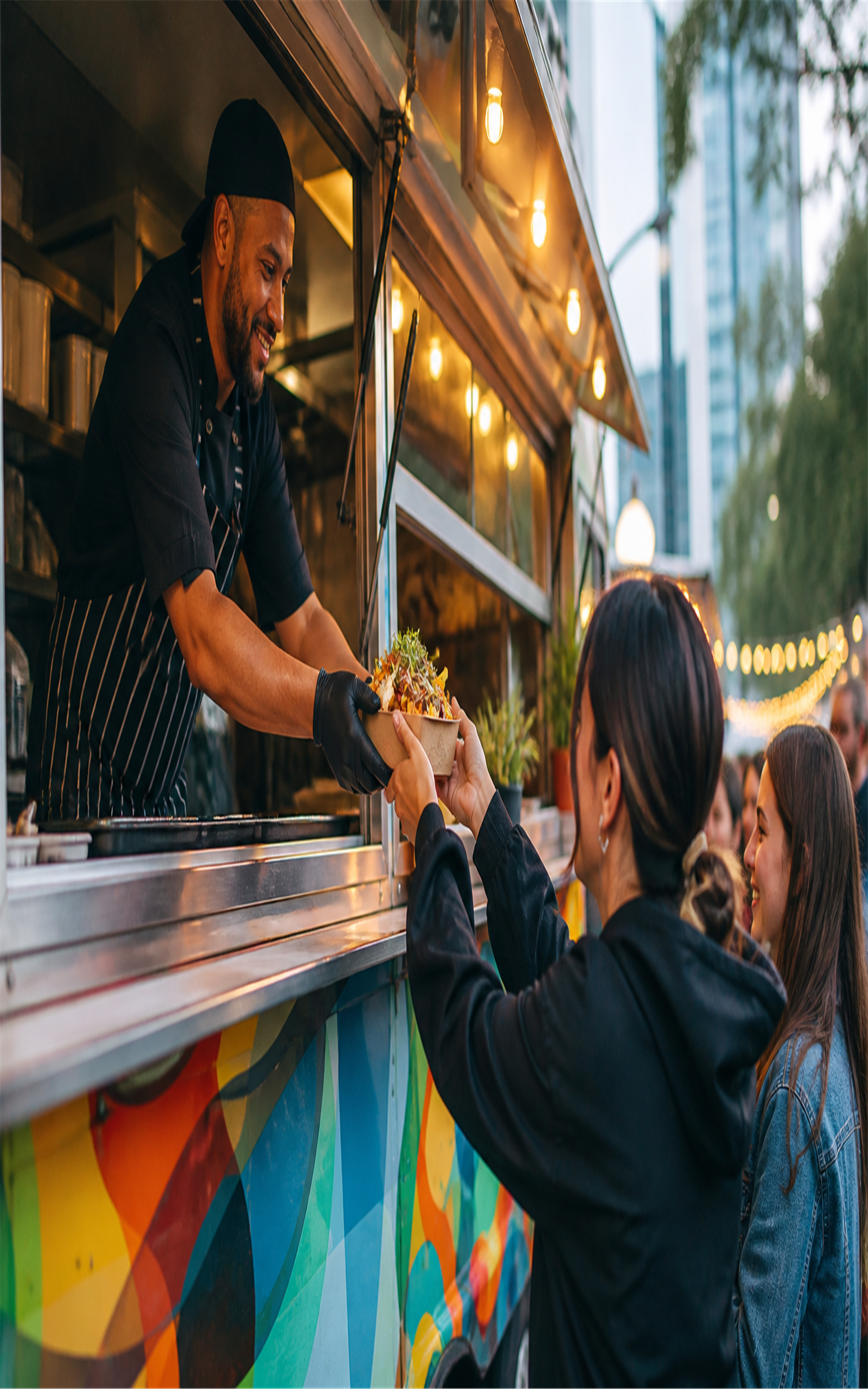
Office workers, event hosts, and venue partners hire food trucks when menu clarity, speed, and reliable show-up times are dependable. Your first step is understanding where a mobile food concept fits locally—not assuming any parking spot will produce a line.
Food trucks compete on throughput and convenience as much as flavor. A lunch buyer wants a short menu, fast ticket time, and predictable quality. An event host wants clear pricing, capacity for the guest count, and professional setup—not last-minute menu changes or late arrival.
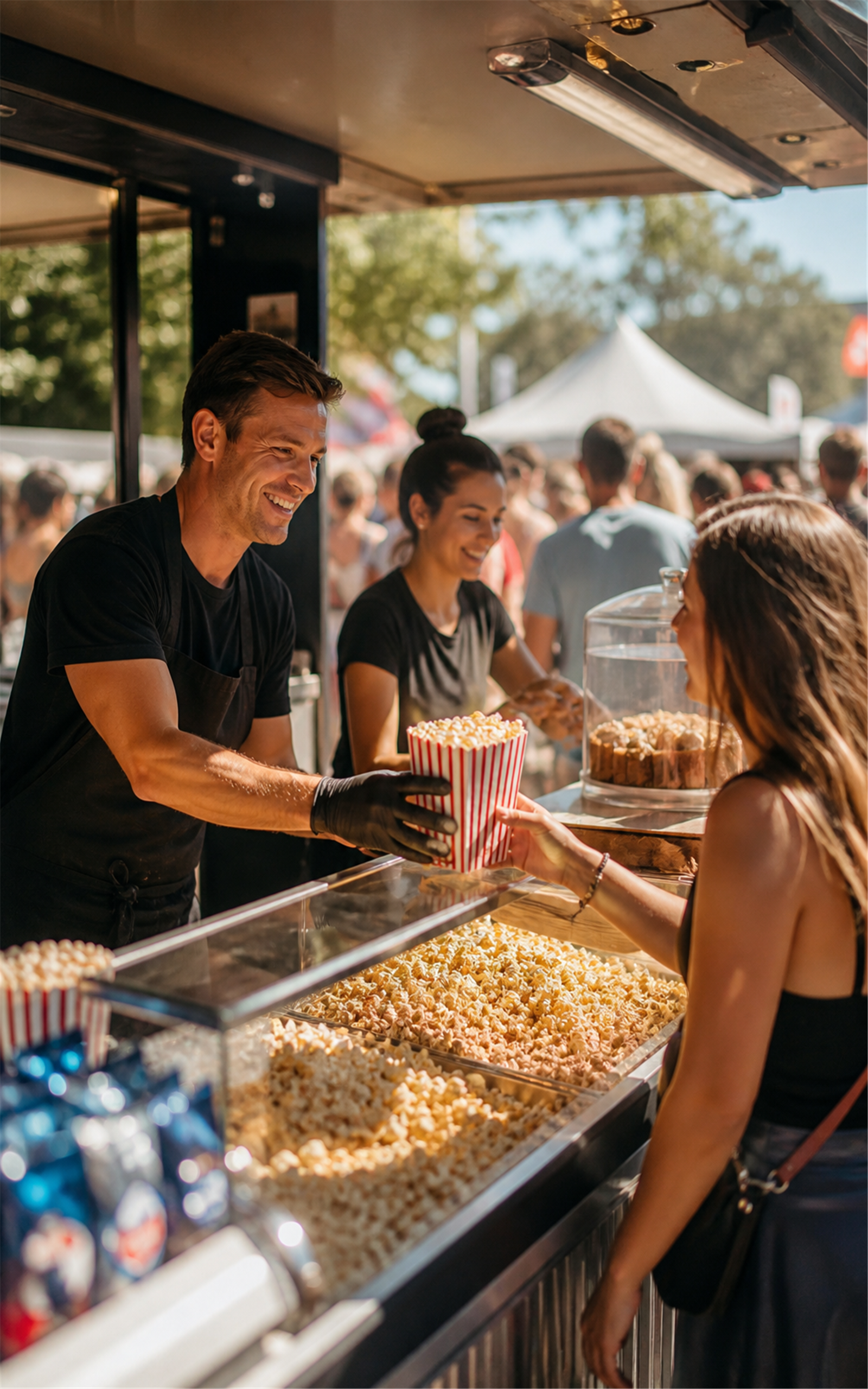
Office districts, industrial parks, and hospital zones where buyers want speed and a recognizable menu during a short break.
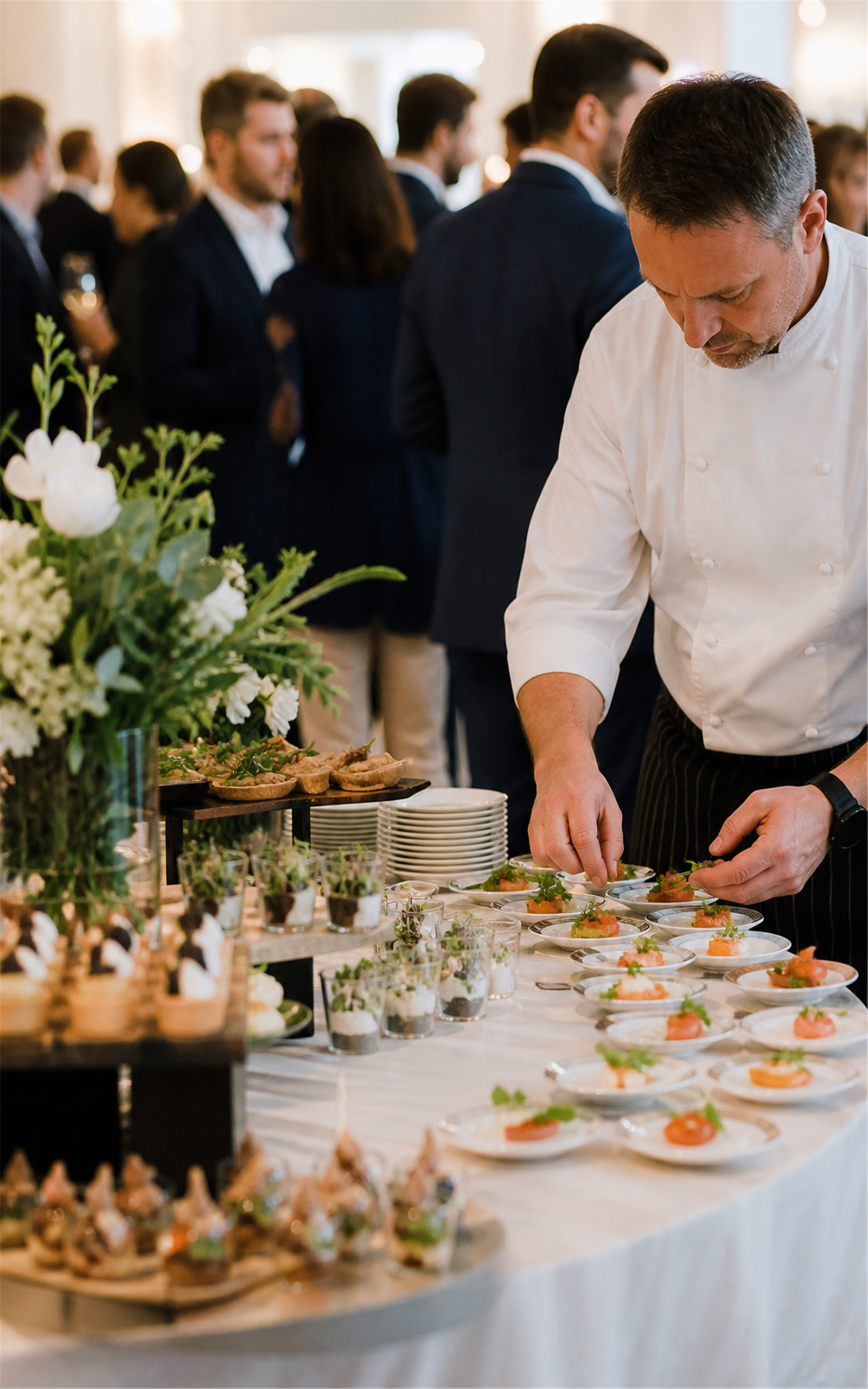
Weddings, corporate gatherings, breweries, and festivals that pay for guaranteed attendance, setup time, and menu packages.
Breweries, markets, and property managers who invite trucks on a schedule when service is professional and dependable.
Related mobile food models share operational patterns. The catering business guide covers event pricing and fulfillment discipline; the concession stand rental business guide explores venue-based food sales; and the donut business guide emphasizes production timing habits that translate to high-volume mobile service.
Practical takeaway: Observe three local food trucks for one week—note their menus, line lengths, and locations. Choose one primary buyer type for launch and write two sentences explaining why your concept fits that stop or event better than a static restaurant.
Before you buy or lease a vehicle, map how food will be prepped, stored, and permitted. Mobile food rules vary significantly by city—and commissary requirements are common.
Full control over equipment layout and branding; higher upfront cost and maintenance responsibility.
Lower initial capital; confirm lease terms, maintenance obligations, and permit transfer requirements.
Towable kitchen with different parking and setup needs; confirm local rules for trailer vending.
Private bookings and festivals as primary revenue; street vending secondary or optional.
There is no universal food truck license. Create an investigation checklist and confirm each item with your local health department, fire authority, and city vending office:
The FDA guide for starting a food business helps with general food-business planning, but mobile vending rules are primarily local. Start permit research before purchasing a truck.
Practical takeaway: Write your intended model in one sentence—for example, "Lunch service three weekdays plus one brewery evening slot." List every permit, commissary, and parking question that model raises, then contact local authorities before signing a lease or purchase agreement.
Service-day success depends on what happens before you leave the commissary. Mobile kitchen operations split between off-truck prep and on-truck execution—both need documented routines.
Document opening and closing checklists so service does not depend on memory alone—especially when you are tired after a long event.
Temperature control, handwashing access, cross-contamination prevention, and allergen awareness matter in tight spaces. Know ingredients in every menu item. Label allergens accurately where required. Do not make unsupported allergen-free claims.
Practical takeaway: Write separate commissary prep and on-truck service checklists. Run one full practice day—from commissary load-in through closeout—before your first public service.
Food truck pricing must cover mobile costs that brick-and-mortar restaurants do not face—commissary fees, fuel, permits, event fees, and vehicle maintenance—while staying competitive for the stop you serve.
Street lunch pricing and private event packages often use different structures. Events may include a minimum guarantee, setup fee, or per-head pricing. Build separate worksheets for each revenue type using your own costs.
Combos speed ordering and increase average ticket when designed simply—one price for item plus side and drink, not a complex build-your-own matrix. Event packages should state guest count, service window, menu limits, and what happens if attendance exceeds estimate.
Practical takeaway: Create pricing worksheets for daily service and one event package. Include every cost you can measure today and leave blank fields for permit and commissary fees you still need to confirm locally.
Excellent food alone will not build a route. First customers come from tested locations, clear social presence, and professional outreach to venues and event hosts.
Practical takeaway: Plan four service days at different location types before scaling promotion. Record tickets per hour, top-selling item, and one operational bottleneck per stop.
Growth means adding stops, events, or service days only when throughput, prep workflow, and permit habits stay consistent—not expanding because one busy lunch felt encouraging.
When a stop underperforms, analyze whether the problem is location, menu fit, promotion timing, or operations—not automatically assume you need a new recipe. Fix the bottleneck before chasing more stops.
Practical takeaway: After your first month, rank your stops by net effort versus revenue. Keep the top two, improve or drop the bottom one, and do not add a new stop until prep and service checklists run cleanly.
Use this four-week outline to move from interest to a controlled food truck launch. Each week builds on mobile food habits emphasized throughout this guide.
Confirm these essentials before you serve paying customers from your truck.
A food truck business is a mobile food operation that sells from a permitted vehicle through defined locations, events, or routes—not simply cooking in a truck without sales planning. Success depends on a tight menu, commissary prep workflow, dependable service at each stop, clear pricing, and permit habits that match how and where you operate.
Many jurisdictions require food trucks to use an approved commissary or licensed commercial kitchen for prep, storage, wastewater disposal, and equipment cleaning. Requirements vary by city and county. Research your local health department rules before assuming you can prep entirely inside the truck.
Start with a tight menu built for speed and consistency in a small mobile kitchen. Each item adds prep time, inventory, and ticket complexity. A focused menu protects throughput during lunch rushes and makes commissary prep manageable while you prove demand at each location.
There is no single universal food truck license. Requirements depend on your jurisdiction and operating model. You may need to investigate business registration, mobile food unit permits, commissary agreements, health department inspections, fire safety review, parking or vending rules, sales tax registration, and insurance. Confirm requirements with your local health authority and city vending office.
Test locations systematically: office districts at lunch, breweries or events on evenings, permitted street vending zones, and private-property agreements with hosts. Track sales, wait times, and prep stress at each stop. Build a route from data—not from assuming the busiest corner is automatically profitable.
Build pricing from your own costs: ingredients, packaging, commissary fees, fuel, labor, truck maintenance, permit fees, event fees, waste, and desired margin. Event catering may use different pricing than daily street service. Use a spreadsheet with your numbers—not unverified averages from another city.
Both paths work. Street vending builds daily habit and tests throughput under rush conditions. Private events provide predictable revenue blocks but require packages, deposits, and setup planning. Many operators prove one path first—then add the second when prep and service checklists are stable.
Launching with an oversized menu, no commissary prep plan, and no location testing strategy. Great food in a static parking spot does not automatically become a sustainable food truck business without throughput discipline and route planning.
This food truck business example was developed using eBook Business Builder—the workflow used to structure the guide, free lead magnet, offer assets, email series, and marketing content you see in the EBB Showroom below.
If you want to create your own eBook business around a topic you know, EBB walks you through research, writing, assets, and launch in a repeatable system.
Start Building with eBook Business Builder →The flagship guide covers food truck startup fundamentals—tight menu design, commissary prep, mobile kitchen operations, location strategy, event packages, and permit investigation—in a structured eBook format.
Chapters walk readers through evaluating the opportunity, choosing a truck and commissary model, building a focused menu, planning service workflows, pricing for street and events, winning locations and first customers, and growing with route discipline.
First Menu & Route Planning — a lead magnet that helps readers evaluate whether a food truck fits their goals and identify sensible first steps before purchasing a vehicle or committing to routes.
Many operators launch with an oversized menu, no commissary prep plan, and no system for testing whether a location actually produces profitable service.
Foundational first steps, common early mistakes to avoid, and a simple action plan readers can use before committing to a truck or route schedule.
Food Truck Startup Program
A practical flagship guide for readers ready to move from interest to action—with clear first steps and professional habits for mobile food production and route planning.
Tools & References