Find the Opportunity
Understand the charcuterie trend and research where your grazing board service fits locally.
A practical starting point for creators who want to launch a charcuterie or grazing board service with clearer packages, sourcing habits, and event delivery workflows.
This page walks you through how to start a charcuterie business as an event food service—not just making beautiful boards for friends. You will learn market positioning, package definition, ingredient sourcing, board pricing, event-ready presentation, delivery logistics, local marketing, client feedback habits, and the routines that turn one-time events into repeat bookings.
Understand the charcuterie trend and research where your grazing board service fits locally.
Prepare for regulatory, supply, and competition challenges before your first paid event.
Source quality ingredients through local producers and reliable supplier relationships.
Define themed board packages and price them from real costs and perceived value.
Market your charcuterie service through local community channels and social content.
Assemble stunning boards and run event delivery logistics clients remember fondly.
Gather feedback, refine offerings, and plan growth with intention.
[object Object]
[object Object]
[object Object]
Charcuterie has moved from fine dining into home entertaining and event catering. Your first step is understanding why boards resonate with hosts—and where your grazing board service can stand out in a market that values quality, creativity, and shareable experiences.
At gatherings where a charcuterie board takes center stage, guests gravitate toward it—mixing flavors, sharing discoveries, and sparking conversation. Charcuterie is not merely a selection of cured meats and cheeses. It is an experience, a gathering point, and a statement of style that blends artistry with flavor.
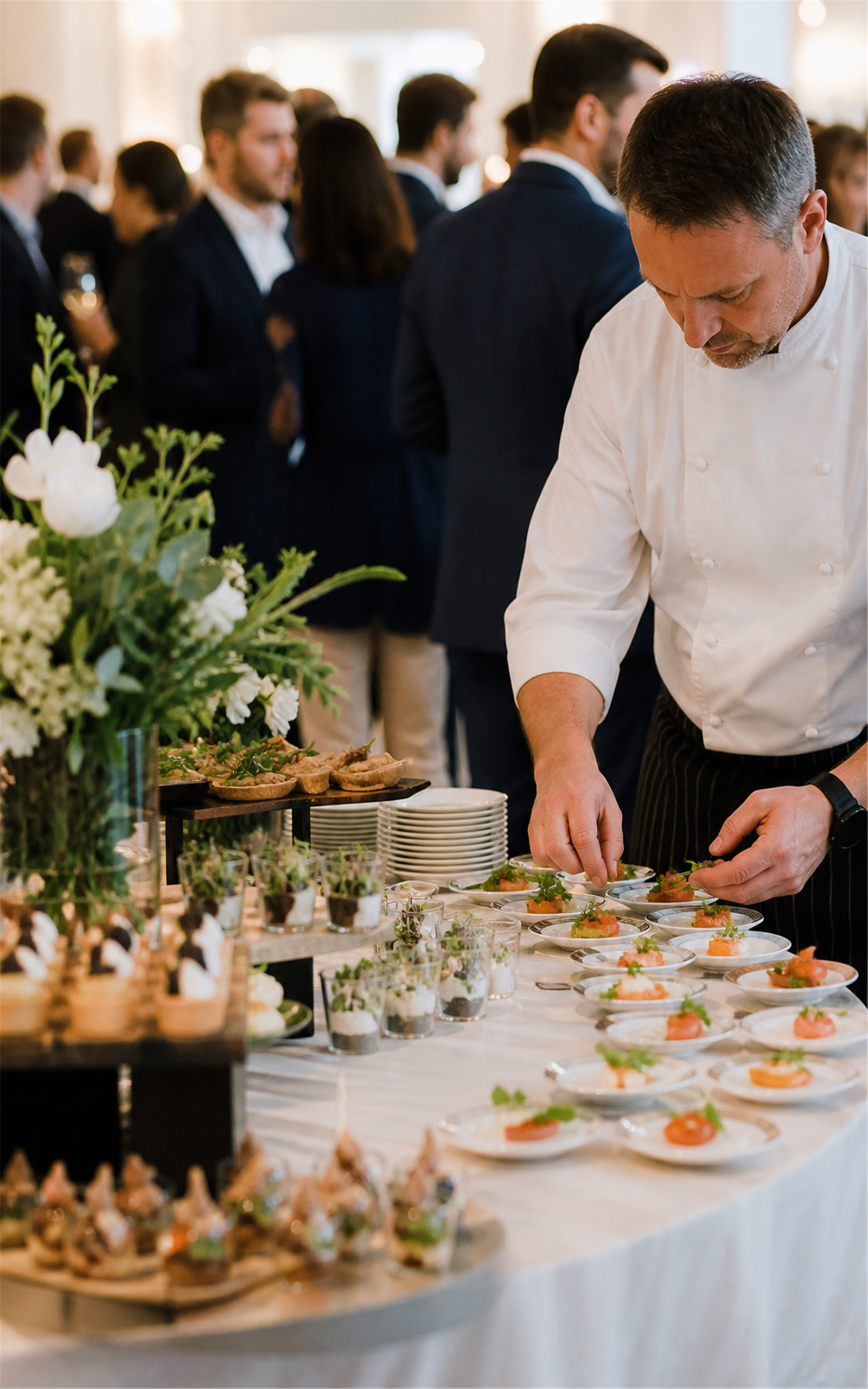
In recent years, charcuterie has become a staple from intimate dinners to wedding receptions. What once belonged mainly to upscale restaurants now appears at home entertaining events, food trucks, and delivery services. Growing interest in gourmet food and local sourcing has positioned charcuterie as a favorite among food enthusiasts—and an opportunity for aspiring entrepreneurs who focus on high-quality ingredients and innovative presentation.
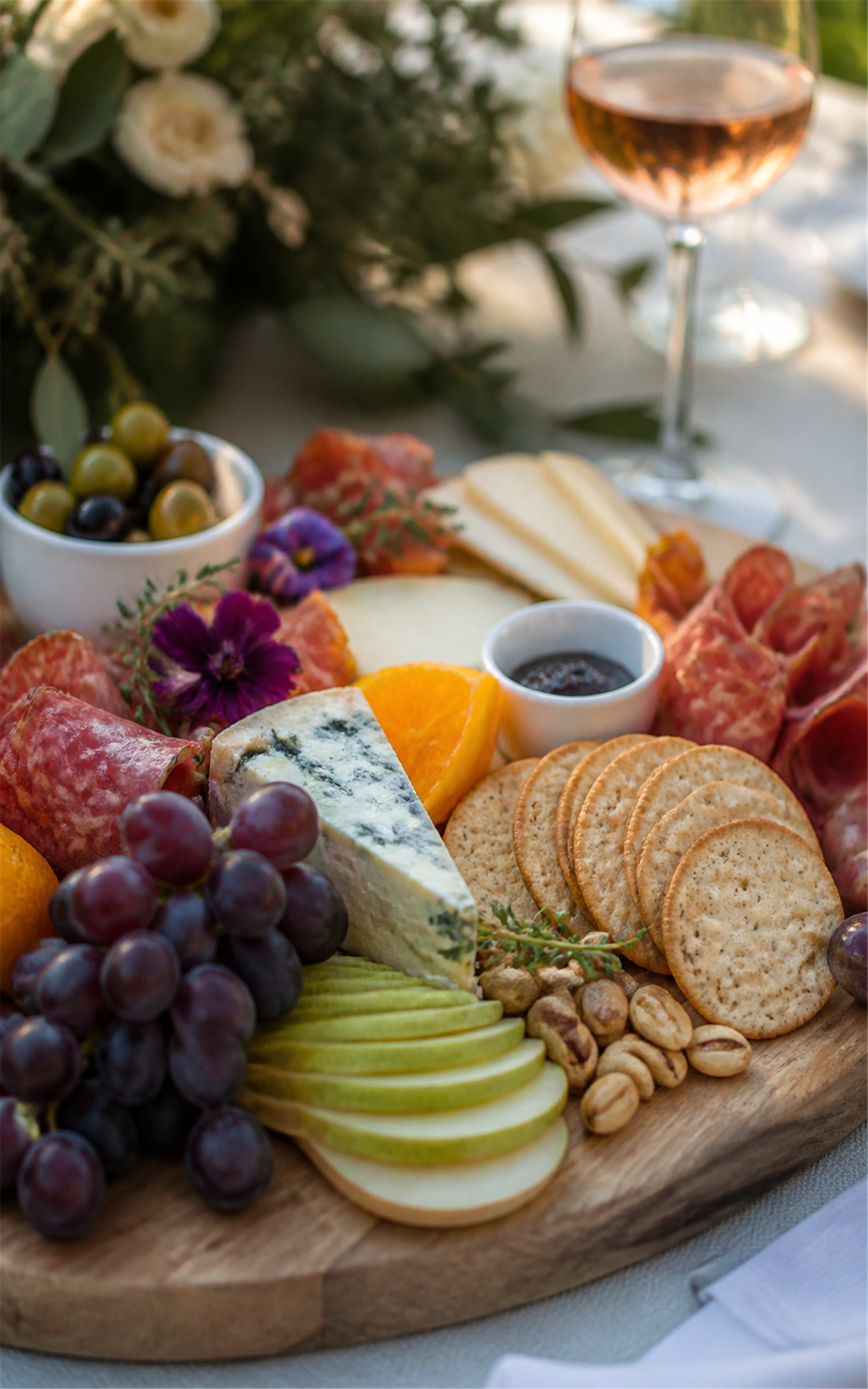
A common misconception limits charcuterie to cured meats and cheeses alone. While those elements are essential, the category is expansive—artisan breads, seasonal fruits, pickled vegetables, and even gourmet chocolates can share the board. The beauty lies in diverse flavors and textures coming together. Could you incorporate local artisan products or seasonal ingredients? Themed boards inspired by cultures or regions? That flexibility appeals to creators and to the clients who hire them.
[object Object]
[object Object]
Before diving into board creation, observe your local market. Visit farmers' markets, specialty food stores, and existing charcuterie businesses. Pay attention to what is offered and how it is presented. What catches your eye? What resonates with customers?
Practical takeaway: Spend an afternoon at a farmers' market and one specialty shop. Write down three board ideas inspired by what you see and one gap your service could fill before you define packages or publish prices.
Running a charcuterie business means navigating operational realities beneath the artistry—regulatory expectations, competition, and supply disruptions. Planning ahead turns stressful surprises into problems you can solve.
Picture the morning of your first big event. You have planned every detail, but a supplier calls: a key ingredient is missing. Panic is understandable—and common in the food industry. Unexpected challenges like ingredient shortages can transform a creative endeavor into a logistical nightmare. The good news: navigating hurdles can become an opportunity for growth and deeper industry understanding.
Many aspiring food entrepreneurs enter with passion for beautiful boards. Beneath that surface lies an intricate web of operational details. Running a charcuterie business requires more than grazing-table artistry—it means preparing for regulatory, competitive, and supply chain realities before they arrive on event day.
Identify three potential challenges you might face and brainstorm at least one solution for each. Ingredient shortages might mean maintaining substitute options. Last-minute event changes might mean a flexible setup plan. Staffing gaps during peak times might mean a network of reliable freelance help. Approaching challenges proactively builds confidence before the first paid booking.
Practical takeaway: List three challenges specific to your market and one solution for each. Research local food business requirements this week—not after your first event inquiry arrives.
Your boards are only as strong as the ingredients behind them. Sourcing means looking beyond price tags to freshness, producer reputation, and relationships that keep quality consistent event after event.
Picture a bustling farmers' market on a sunny morning—artisan cheeses, handmade charcuterie, and vibrant seasonal vegetables at every stall. Sourcing the finest components for your boards often begins in places like this. The question is how to select quality ingredients and build a reliable strategy that elevates every board you deliver.
Higher prices do not always mean better quality. Premium products can offer exceptional flavors, but hidden gems among local producers often deliver outstanding quality at more accessible prices. Look beyond the price tag to the producer's reputation, ingredient freshness, and the story behind the product.
[object Object]
[object Object]
Visit farmers' markets and specialty food shops regularly. Engage with vendors—ask about their products, sourcing practices, and what makes their items special. As you meet producers, jot down their names, specific products, and unique qualities. Over time, you will build a comprehensive directory of go-to sources for your boards.
Practical takeaway: Visit one local market this week and start a sourcing list with at least five producers. Include product names and what makes each item worth returning to.
Clients book packages—not loose lists of ingredients they must interpret themselves. Clear charcuterie offers combine your personal style, customization options, and pricing built from real costs and the value your presentation delivers.
When you envision your charcuterie service, you might picture elegant platters of cured meats, cheeses, and fruit. As you establish the business, move beyond the traditional image and explore the potential within your unique offerings. Diversity anchored in personal style and market research helps you stand out in a saturated market.
Reflect on flavors that excite you and events you envision serving. Jot down three unique board ideas aligned with your tastes. Consider how offerings can adapt by season, audience, or occasion. Customization gives clients a sense of ownership over their experience—and makes them more likely to feel connected to your brand.
[object Object]
[object Object]
[object Object]
Research your market for gaps—vegan charcuterie boards, children's party platters, or underserved event types. Themed packages that adapt to client preferences turn a standard cheese-and-meat platter into a distinctive service.
Pricing is not just ingredient totals with a small markup. At the heart of any pricing strategy lies a solid understanding of costs—including ingredients, overhead like rent and utilities, labor, packaging, and marketing. That total is your cost of goods sold (COGS). Apply your desired profit margin to set a foundation for selling price.
The manuscript illustrates this with a board costing $40 to create and a 30% profit margin—multiplying by 1.3 yields a $52 selling price. Treat that arithmetic as a worksheet example for your own pricing model, not a universal rate every market supports.
Practical takeaway: Publish at least three named board packages with written inclusions and draft prices before your next quote. Run each through a COGS calculation so margins are visible—not guessed.
Beautiful boards alone will not fill your calendar. Local visibility and a cohesive brand identity connect your charcuterie packages with hosts searching for shareable centerpiece food at parties, showers, and corporate gatherings.
Imagine a colorful flyer on a community bulletin board—artisan cheeses, delicate meats, and vibrant fruits arranged on a wooden board. Effective marketing makes your offerings irresistible in a crowded marketplace. It is easy to default to social media alone, but relying solely on digital channels means missing the richness of local community and traditional outreach.
Think about where potential customers gather—farmers' markets, community events, and neighborhood gatherings. Physical marketing materials such as flyers, business cards, and brochures communicate your offerings effectively. A strong flyer uses high-quality product images, clear contact details, a brief description of what makes your charcuterie unique, a call to action, and mentions of local collaborations that build credibility.
Connect traditional materials to digital presence. Your flyer can direct customers to social media or a website where they read testimonials and place orders. Instagram showcases stunning board photos and behind-the-scenes preparation. Participate in local online groups, share food pairing knowledge, and collaborate with nearby businesses—perhaps a vineyard or bakery—for joint promotions.
Marketing is about connection, not just sales. What makes your charcuterie business unique? Commitment to sustainability? Handcrafted board elements? Exclusive use of local ingredients? A cohesive brand identity attracts customers and fosters loyalty—clients who resonate with your brand return and recommend you to others.
Practical takeaway: Draft one flyer and plan your first month of social content this week. Every marketing piece should point hosts toward a clear path from discovery to inquiry.
Event day exposes weak presentation and logistics fast. Stunning board assembly paired with disciplined delivery routines turns charcuterie into a professional service hosts recommend to friends.
At a wedding reception, an artfully arranged charcuterie board can become the focal point—drawing guests in and sparking conversation. Premium ingredients have their place, but the magic often lies in how you present them. Visual composition—balance, harmony, and flow—can dramatically enhance perceived value.
[object Object]
[object Object]
Logistics is the invisible hand guiding charcuterie from preparation to presentation. A beautiful board overshadowed by late arrival or rushed setup leaves guests remembering chaos—not flavor. Create a master checklist for every event: ingredients, equipment, serving platters, utensils, napkins, signage, and cleanup supplies.
Map the event space in advance—confirm layout, power outlets if needed, and setup location with the planner. Establish clear timelines for arrival, setup, and breakdown. Communicate those times with clients and coordinators. Have backup plans for unexpected changes such as missing tables or outdoor weather shifts.
Practice with mock setups in different environments. Invite friends over and run through the process as if it were a real event. Rehearsal reveals bottlenecks before the wedding reception where your board should shine.
Practical takeaway: Draft an event-day checklist and practice one full board assembly before your first paid delivery. Test both presentation and logistics on the same run.
The event ends, but the relationship should not. Client feedback and intentional growth planning turn one-time charcuterie bookings into referrals and a business that adapts as the market evolves.
After delivering a stunning grazing board for a wedding reception, it is tempting to assume the job is finished. Many entrepreneurs avoid seeking feedback because they fear it might reveal cracks in an otherwise perfect service. Feedback is not a threat—it is a pathway to better service, deeper client relationships, and repeat business.
Create a concise post-service feedback form. Ask what clients loved, what they would change, and how likely they are to recommend your service. The manuscript describes a corporate event where a client wished for more vegetarian options despite excellent meat selection—insight that could expand future offerings if the owner had assumed everything was flawless.
Initial success does not guarantee continued growth without proactive planning. Consumer preferences shift, new trends emerge, and competition can arise from unexpected places. Regularly analyzing market trends and your own performance positions you to adapt.
Winery pairing events, corporate catering services, and monthly charcuterie boxes appear in the manuscript as expansion examples to evaluate—not guaranteed next steps for every operator.
Practical takeaway: Send a feedback form after your next event and draft a one-year growth plan with three milestones. Review one milestone each quarter instead of expanding without direction.
Use this four-week outline to move from board-building skill to structured charcuterie business operator. Each week builds on the last using steps supported by the Charcuterie Business guide.
Confirm these essentials before you accept a charcuterie booking.
A charcuterie business is an event food service built around grazing boards and defined packages—not simply arranging platters for friends. Success depends on package clarity, quality sourcing, polished presentation, reliable event delivery, and professional communication from first inquiry through takedown.
Charcuterie focuses on curated boards, grazing platters, and event delivery of ready-to-serve arrangements. Full catering typically involves broader menu production, on-site cooking, and larger kitchen operations. This guide follows the manuscript's board-package specialty rather than full-service catering scope.
Start with themed packages that reflect your personal style and local market gaps—such as seasonal garden boards, holiday celebration boards, or customized event platters. The manuscript's Summer Garden, Holiday Celebration, and Movie Night examples are inspiration for naming and structuring your own offers.
Calculate cost of goods sold including ingredients, overhead, labor, packaging, and marketing. Apply your desired profit margin to set a base price, then adjust for competitor positioning and perceived value from local sourcing or customization. The manuscript's $40 COGS with 30% margin yielding $52 is an illustration for your own model, not a universal rate.
Visit farmers' markets and specialty food shops regularly. Build relationships with local cheese makers, charcuterie artisans, and produce vendors. Focus on producer reputation and freshness rather than price alone, and maintain a sourcing directory with backup options for key items.
Presentation enhances perceived value beyond ingredients alone. Color coordination, texture variety, height and layering, and thoughtful garnishing turn a simple assortment into a focal point that draws guests in. Practice assembly with local ingredients until your layout feels consistent and event-ready.
Create a master checklist for every event, map the venue setup in advance, establish clear arrival and breakdown timelines, communicate with clients and coordinators, and rehearse with mock setups. Have backup plans for supply shortages or last-minute venue changes.
Seek post-event feedback instead of assuming success, look for trends in client requests, and draft a one-year growth plan with specific goals and milestones. Consider expansion avenues such as winery collaborations or corporate events only when your current packages and delivery workflow run consistently well.
This charcuterie business example was developed using eBook Business Builder—the workflow used to structure the guide, free lead magnet, offer assets, email series, and marketing content you see in the EBB Showroom below.
If you want to create your own eBook business around a topic you know, EBB walks you through research, writing, assets, and launch in a repeatable system.
Start Building with eBook Business Builder →The flagship guide covers charcuterie startup fundamentals—market understanding, unique offerings, ingredient sourcing, board pricing, event-ready presentation, delivery logistics, marketing, client relationships, industry challenges, and growth planning—in a structured eBook format.
[object Object]
A lead magnet helps readers evaluate whether charcuterie board service fits their skills and identify sensible first steps before booking their first paid event.
Many creators make beautiful boards but lack package pricing, sourcing routines, or delivery plans that make event orders profitable and repeatable.
Foundational first steps, common early mistakes to avoid, and a simple action plan readers can use before committing to clients or service launches.
Charcuterie Startup Program
A practical flagship guide for readers ready to move from interest to action—with clear first steps and professional package and event delivery habits for charcuterie businesses.
Tools & References