
Find the Opportunity
Research your local deck market, target demographics, and industry trends before assuming skill alone wins jobs.
A practical starting point for builders who want to launch a deck construction business with clearer design intake, quote breakdowns, and job site project management basics.
This page walks you through how to start a deck building business as a real construction service—not just woodworking on weekends. You will learn market research, brand identity, client consultations, accurate quoting, project management on site, local marketing, legal considerations, customer service, networking, and the habits that turn one-time builds into referrals.
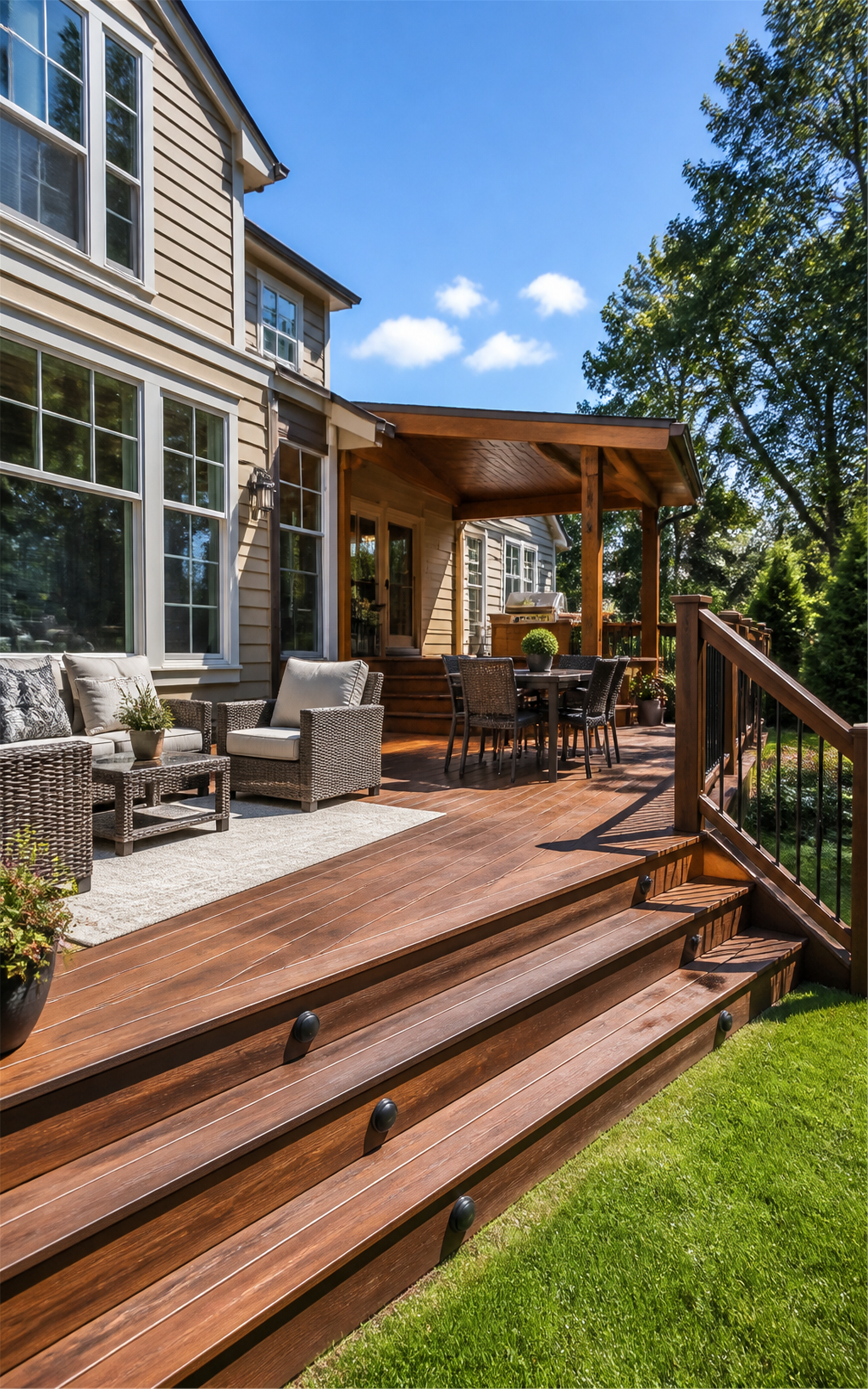
Research your local deck market, target demographics, and industry trends before assuming skill alone wins jobs.
Understand contracts, permits, and insurance categories that apply to deck construction in your area.
Craft a brand identity and value proposition that communicates trust beyond a logo.
Develop accurate quotes from real cost breakdowns and transparent pricing communication.
Master design consultations and market your deck services through social media and local visibility.
Manage projects with flexible timelines, resource allocation, and clear team communication on site.
Deliver excellent aftercare, build professional relationships, and plan growth with intention.
[object Object]
[object Object]
[object Object]
Craftsmanship alone does not guarantee success. Your first step is researching who your clients are, what competitors offer, and which trends shape outdoor living demand in your area.
Many aspiring deck builders assume that skillful hands and an eye for design are enough to launch a business. The manuscript illustrates this through Sarah, a passionate woodworker whose decks were beautiful but whose business struggled because she skipped market research and audience targeting. Even talented builders can falter without understanding local demand.
Market research is the cornerstone of a successful deck building strategy. It involves gathering information about potential customers, competition, and industry trends—equipping yourself with a map before you set out. Walk into a local hardware store and notice the range of deck materials from composite to treated lumber. Some homeowners prioritize durability and low maintenance; others want the aesthetic of natural wood. Research reveals these preferences so you can tailor offerings accordingly.
Understanding who your potential customers are is crucial. Young families may need safety features and durable materials. Empty nesters may want to enhance outdoor living space. Environmentally conscious clients may seek sustainable materials. A suburban company focusing on families might offer built-in storage for outdoor toys alongside durable decking—carving out a niche by aligning services with audience needs.
Industry trends evolve. Outdoor living spaces increasingly incorporate outdoor kitchens, fire pits, and integrated lighting. Stay informed through industry reports, trade shows, and conversations with fellow builders. What was popular five years ago may not resonate today.
[object Object]
[object Object]
Practical takeaway: List three local competitors and note their services and positioning. Identify one client demographic and one trend—such as outdoor kitchens or sustainable materials—you could align your offerings with.
Excitement about design and materials can overshadow legal responsibilities. Planning means understanding contracts, permits, and insurance categories before a zoning issue derails your first project.
The manuscript tells of Mark, an enthusiastic builder who jumped into his first project without checking local regulations. He faced a zoning issue that nearly derailed the build—strict rules required permits for outdoor construction. He discovered the problem before completion, but fines and lost time taught him that legal knowledge is integral to running a successful business, not just a formality.
Contracts are not mere formalities—they protect against misunderstandings and disputes. A well-structured contract outlines scope of work, timelines, payment schedules, and what happens when changes arise or something goes wrong. If a client requests a complete redesign halfway through, a clear contract clarifies how to proceed and what additional costs apply. Having a lawyer review your contracts is a wise investment.
Each locality has its own rules. Skipping permits to save time can lead to fines, delays, and reputation damage—as Mark learned. Before starting any project, research permits required in your area. This may include building permits, zoning permits, and inspections after construction. Planning ahead prevents unexpected delays and costs.
Insurance is a necessity for serious builders, not an optional extra. It protects against risks such as accidents, property damage, or legal disputes. If a client slips on a wet deck you just constructed, liability coverage matters. Understanding categories such as general liability, worker's compensation, and property insurance helps you build a solid foundation.
Practical takeaway: Draft a legal checklist for your area covering zoning research, contract review, permit habits, and insurance categories. Complete the research step before quoting your next deck project—not after.
A logo alone does not build trust. Your brand identity—mission, values, consistency, and completed project proof—communicates why clients should hire you over another builder.
When homeowners scroll for a deck builder, they often compare two profiles: one with a dazzling logo but little else, and another with consistent tone, vibrant photos of completed projects, testimonials, and a clear statement of values. The second builder inspires connection and trust. Branding decisions directly affect whether a casual browser becomes a committed client.
Brand identity encompasses your story and how clients perceive you—not just visual elements. Is your business professional and reliable, or creative and innovative? Do you prioritize sustainable materials or exceptional customer service? Articulate a value proposition that communicates unique benefits. Instead of "We build decks," you might say, "We create stunning outdoor spaces that enhance your home and harmonize with nature."
When branding is cohesive across your website, social media, and marketing materials, it fosters familiarity and reliability. Potential clients who see your logo, colors, and messaging repeatedly associate you with an established, professional operation.
Practical takeaway: Write a one-paragraph brand identity statement and value proposition. Audit one online profile this week to confirm messaging and visuals match the story you want homeowners to see.
A quote is not just a number—it represents value, quality, and trust. Breaking down materials, labor, overheads, and contingencies transforms pricing from guesswork into a professional offer.
Many new builders believe competitors all use similar pricing models. In reality, your quotes can stand apart through transparency and how you communicate reasoning behind each line item. Clients appreciate clarity, and when they see where their investment goes, they are more likely to trust your expertise.
Start by listing everything that goes into a project. Materials include lumber, screws, railings, and components—priced at current market rates for the total amount needed. Labor covers estimated hours for each phase at a realistic hourly rate, including planning and preparation beyond on-site hours. Overheads factor in costs not tied directly to one project but necessary for operations, such as insurance, tools, and transportation. Contingencies—typically around 10–15% of total cost—buffer unexpected issues that protect both you and the client.
Break the quote into digestible categories instead of listing only a total. Use simple language clients without a construction background can follow. Explain reasoning behind pricing—quality of materials, craftsmanship level, and customer service dedication. If you source sustainably harvested wood, say so. Use testimonials or case studies to illustrate the end result: a beautiful deck that adds home value and becomes a gathering space.
[object Object]
[object Object]
Practical takeaway: Draft a sample quote for a hypothetical deck using your actual material and labor assumptions. Practice explaining each line item aloud before your next client meeting.
Clients rarely arrive with a fully formed deck vision. Winning projects means mastering consultation conversations and making your work visible where homeowners search for builders.
When a client says they want "something nice," taking that at face value leads to misunderstandings later. Effective consultations require strategic communication. Follow up with open-ended questions: "What do you mean by nice? Are there specific colors or materials you prefer? How do you envision using the space?" Active listening—tuning into words, body language, and passion—builds rapport and trust.
The manuscript shares Sunny Decks, a small company that relied on word of mouth until growth stalled. They invested in Instagram and Facebook with project photos, behind-the-scenes videos, and client consultation snippets. A reclaimed-wood deck story went viral locally, flooding them with inquiries. Effective marketing begins before your first nail is hammered.
Build a content calendar mixing project showcases, testimonials, maintenance tips, and personal stories. Optimize for local SEO—claim your Google My Business listing, keep contact information current, encourage reviews, and write blog posts addressing common deck questions such as best materials for your climate or seasonal maintenance.
Practical takeaway: Schedule one mock consultation this week and claim or update your Google My Business listing. Every inquiry should meet a clear path from backyard conversation to signed quote.
Behind every completed deck lies a web of timelines, resources, and communication. Flexible project management—not rigid schedules alone—keeps builds on track when weather or shipments disrupt plans.
Project management is more than Gantt charts and to-do lists. When weather turns foul or materials arrive late, a rigid plan forces scrambling. A flexible approach lets you pivot—adjusting timelines and reallocating resources to mitigate impact while keeping clients informed.
Outline a project timeline as a roadmap, not a flat task list. Break phases into milestones such as finalizing design and obtaining permits, ordering materials and scheduling labor, foundation work, framing and railings, and final touches including staining and inspection. For a 400-square-foot deck, the manuscript suggests a six-week structure spanning design through final walkthrough.
Resource allocation covers materials and people on site each day. Assign tasks based on team strengths—electrical work to one member, framing to another—to maximize productivity and morale. Regular check-ins prevent misunderstandings. Daily or weekly huddles discussing progress, roadblocks, and next steps create accountability and catch small issues before they become setbacks.
Practical takeaway: Create a detailed project timeline for an upcoming deck installation. Identify key milestones, who is involved at each stage, and one contingency plan for a common delay such as weather or material shipment.
One beautiful deck does not guarantee the next referral. Follow-up, networking, and intentional growth planning turn satisfied homeowners into advocates and a business that scales without losing quality.
Customer service excellence starts at the first meeting—not after the final board is laid. The manuscript describes Mark, a builder whose stunning decks failed to generate repeat work until he began following up a week after completion, asking if clients were enjoying their new deck. That small gesture transformed his business through return projects and referrals.
Timely communication prevents misunderstandings and builds trust. Respond quickly when clients raise concerns. After project completion, send a personalized message thanking them and inviting feedback. Brief surveys about the process and finished product demonstrate commitment to excellence and offer insights for improvement.
Networking is not just for large corporations. Attend local home improvement expos and trade events. Strike up conversations with landscape designers, architects, and real estate professionals. Follow up after events to reinforce connections. Diversify beyond your immediate construction circle—each related professional brings their own network and perspectives.
Timber Craft initially relied on word of mouth until competition increased and new clients slowed. Owner Sarah reassessed—conducting market research, pivoting toward sustainable composite materials, and drafting a five-year growth strategy covering product diversification, online presence, and supplier partnerships. Growth requires intention and foresight, not hard work alone.
[object Object]
[object Object]
Practical takeaway: Prepare a follow-up message template and send it one week after your next completed deck. List one local networking event to attend and draft three milestones for a one-year growth plan.
Use this four-week outline to move from skilled builder to structured deck business operator. Each week builds on the last using steps supported by the Deck Building Business guide.
Confirm these essentials before you accept a paid deck construction commission.
A deck building business is a construction service where homeowners hire you for outdoor living projects—not simply doing woodworking on weekends. Success depends on market research, design consultations, transparent quoting, permit awareness, reliable project management on site, and communication from first inquiry through final walkthrough.
Even talented builders can struggle without understanding target audiences, local competition, and industry trends. Research reveals client demographics, material preferences, and underserved opportunities—such as eco-friendly options or family-focused safety features—so you can position your services effectively.
Break costs into materials, labor, overheads, and a contingency buffer—typically 10–15% of total cost. Present each category clearly in plain language. The manuscript's 300 square foot cedar deck example totaling $4,730 is an illustration for your own worksheet, not a universal market rate.
Requirements vary by location. Research contracts that define scope and change orders, permits and zoning rules before breaking ground, and insurance categories such as general liability and worker's compensation. Consult local resources and legal professionals rather than assuming requirements are optional for small operations.
Use open-ended questions and active listening to help clients articulate how they want to use their outdoor space. Avoid accepting vague answers like "something nice" at face value. Practice mock consultations to refine your questioning and rapport-building skills.
Treat project management as flexible planning—not rigid scheduling alone. Map milestones from permits through final walkthrough, allocate resources based on team strengths, hold regular check-ins, and adjust timelines when weather or material delays occur while keeping clients informed.
From day one. Use social media to showcase projects and process, optimize local SEO through Google My Business and helpful blog content, and set clear goals for leads and brand awareness. Waiting until you feel established limits the referrals and inquiries that sustain growth.
Follow up after every completed project, seek feedback, network with related professionals such as landscape designers and real estate agents, and draft a growth strategy with milestones rather than assuming hard work alone produces expansion. Adapt offerings when market research reveals shifting client values.
This deck building business example was developed using eBook Business Builder—the workflow used to structure the guide, free lead magnet, offer assets, email series, and marketing content you see in the EBB Showroom below.
If you want to create your own eBook business around a topic you know, EBB walks you through research, writing, assets, and launch in a repeatable system.
Start Building with eBook Business Builder →The flagship guide covers deck building startup fundamentals—market research, branding, client consultations, accurate quoting, project management, marketing, legal considerations, customer service, networking, and growth—in a structured eBook format.
[object Object]
A lead magnet helps readers evaluate whether deck construction fits their skills and identify sensible first steps before quoting homeowners or breaking ground.
Many skilled builders quote jobs without market research, skip design intake, or accept timelines that make quality deck delivery unsustainable.
Foundational first steps, common early mistakes to avoid, and a simple action plan readers can use before committing to clients or job site schedules.
Deck Building Startup Program
A practical flagship guide for readers ready to move from interest to action—with clear first steps and professional consultation, quoting, and job site habits for deck building businesses.
Tools & References