
Find the Opportunity
Understand licensing, health requirements, and how your cart fits weddings, parties, and corporate events.
A practical starting point for operators who want to launch a candy cart service with clearer event packages, client intake, and on-site service workflow basics.
This page walks you through how to start a candy cart business as a real event service—not just owning a decorated cart. You will learn licensing fundamentals, cart setup, event package design, booking intake, on-site delivery, client communication, marketing, and the habits that turn one-time event bookings into repeat referrals.
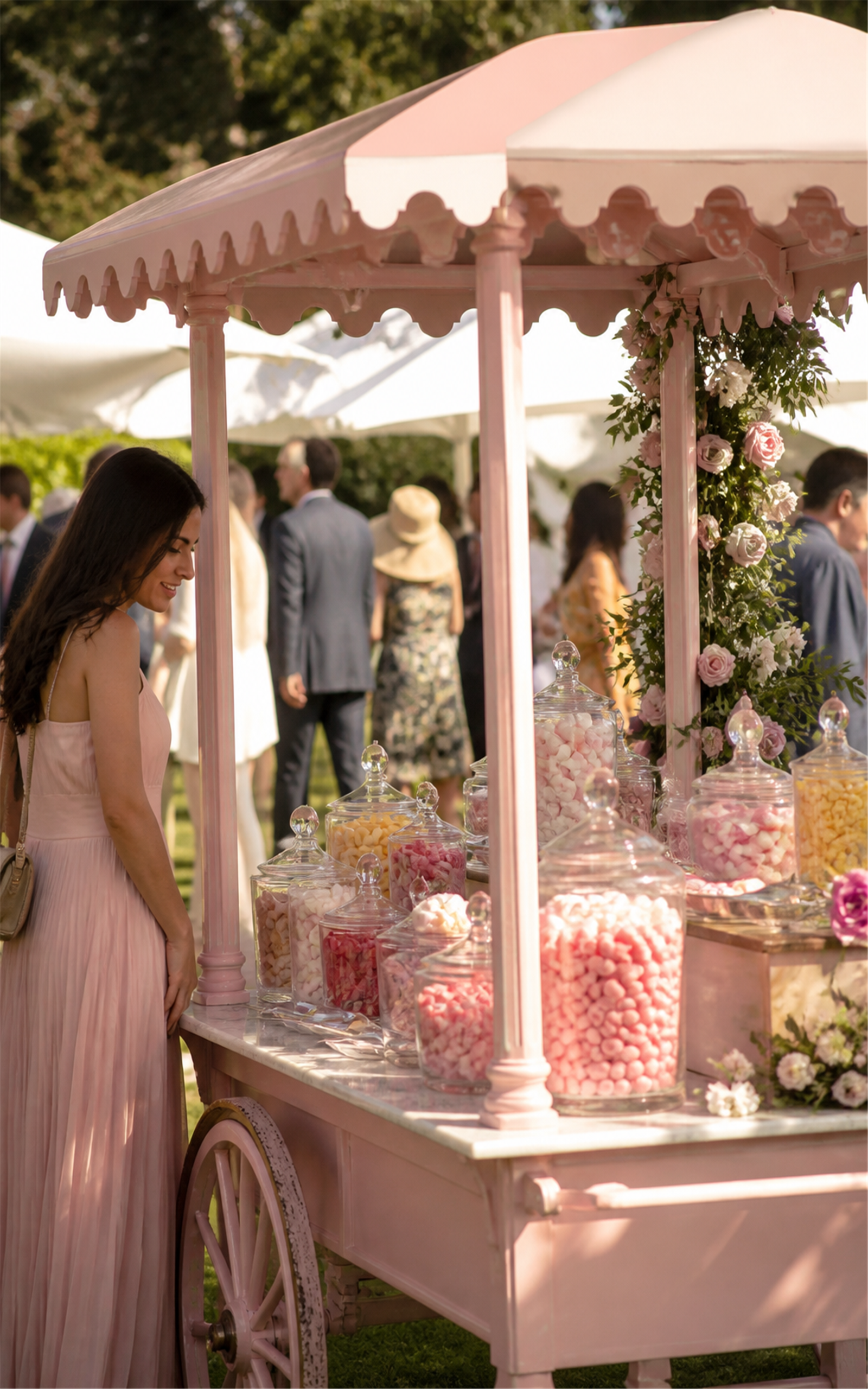
Understand licensing, health requirements, and how your cart fits weddings, parties, and corporate events.
Define review habits, financial tracking, and SMART goals that keep operations sustainable.
Select cart design, candy inventory, and on-site supplies matched to your event types.
Turn cart service into named event packages clients can book with confidence.
Streamline booking intake and market your candy cart service to event planners and hosts.
Run organized setup routines and professional client communication on event day.
Handle challenges, build your brand, and expand offerings with intention.
[object Object]
[object Object]
[object Object]
Weddings, birthdays, and corporate events continue to book candy carts when presentation, selection, and service feel festive and professional. Your first step is understanding the regulatory and design foundations—not just the appeal of a sweet station, but what it takes to operate one legally and memorably.
Launching a candy cart business starts with more than creativity and colorful treats. Even the most delightful concept needs a solid understanding of the regulatory landscape. Depending on where you operate, you may need a food vendor's license, health permits, and a business license. Local regulations vary significantly, so begin with research—visit your local health department's website or contact them directly for a comprehensive list of requirements in your area.
Health regulations matter just as much as permits. Understanding food safety guidelines—proper storage techniques, temperature requirements for perishable items, and safe handling practices—protects guests and builds your reputation as a reliable vendor. Many jurisdictions expect food safety training before you serve at events.
A visually appealing cart can be a magnet at events. Choose a color scheme that resonates with your brand and fits the occasions you plan to serve. Weddings, children's parties, and corporate gatherings each call for a different aesthetic. Incorporate signage that invites guests to explore your offerings, and arrange the layout so treats are easy to see and access. Your cart is not just a vehicle for sweets—it is a way to create memorable experiences.
[object Object]
[object Object]
Research popular treats in your area and consider unique items that set you apart from competitors. Seasonal variations, limited-time offerings, and custom selections for special occasions help your cart feel fresh rather than generic. You are sourcing and presenting candy for events—not manufacturing product lines from scratch.
Practical takeaway: Create a checklist of licenses and permits for your area, then tackle them one by one. Clarity on legal and design foundations makes every booking conversation more confident.
Busy event seasons can hide weak planning until reviews, margins, or repeat bookings suffer. Strong operators reflect after each event, track finances honestly, and set goals that keep the candy cart business sustainable—not just busy.
Many entrepreneurs treat reflection as a distraction when the next booking is already on the calendar. But post-event review illuminates what worked, what guests loved, and where setup or communication needs refinement. Athletes analyze performance before the next game; candy cart operators benefit from the same discipline.
After each event, ask targeted questions. What were the highlights? Did particular candies sell out while others sat untouched? Were there unexpected challenges during setup or service? Capture notes while impressions are fresh, then channel them into planning.
Turn reflections into Specific, Measurable, Achievable, Relevant, and Time-bound goals. If a themed candy display was popular at a recent wedding, you might set a goal to feature it prominently at your next five events or test a new seasonal flavor rotation within the quarter.
Managing finances can feel daunting when costs fluctuate and unexpected expenses appear. Prepare a budget that includes a cushion for unplanned costs. Track expenses and income diligently so you understand cash flow before expanding services or purchasing additional equipment. When considering new offerings, outline projected costs and anticipated income in a simple spreadsheet to evaluate viability before committing.
Practical takeaway: Schedule a 20-minute review within 48 hours of every event. Log one improvement and one SMART goal before you move on to the next booking.
Your cart, candy inventory, and on-site supplies form the foundation of every event experience. Choosing them based on event type, guest capacity, and backup needs—not impulse alone—protects professionalism on busy days.
Cart design and product selection work together. The colors, signage, and layout you choose should match the weddings, parties, and corporate events you target. At the same time, your candy lineup must suit guest preferences, dietary considerations where relevant, and the visual impact you want at each station.
On-site setup is like laying a foundation. Arriving without a clear plan makes it easy to forget scoops, napkins, signage, or backup candy. Create a detailed event checklist covering candy types, serving equipment, decorations, and tear-down items. Check off each element before you leave for the venue.
[object Object]
[object Object]
Consider seasonal and themed variations when planning inventory. A summer corporate picnic may call for tropical flavors and bright decor, while a fall gathering might highlight caramel-apple treats and warm-toned presentation. Aligning stock with the event keeps the station feeling intentional.
Practical takeaway: Draft one master event checklist and one backup-supply list before your first paid booking. Test both on a practice setup so event day feels controlled—not improvised.
Clients book packages—not loose lists of candy they have to assemble themselves. Clear event offers translate your cart, presentation, and service into prices and inclusions planners understand quickly.
At the heart of a successful candy cart business lies the ability to create appealing service packages. Corporate clients and wedding planners often want more than candy—they want an experience that fits their theme, impresses guests, and stays within budget. Shift from believing lower prices always win to understanding value and differentiation.
Before crafting packages, clarify what your target clients need. Corporate picnics may prioritize variety, presentation, and branding options. Wedding clients may emphasize elegance, customization, and guest interaction. By understanding these elements, you can design packages that resonate with event organizers and decision-makers.
Seasonal themes create relevance and excitement. A summer corporate picnic might feature a tropical package with themed candies, coordinated cart decor, and an interactive candy-bag station. A fall corporate gathering could highlight seasonal flavors and warm presentation. Tying packages to seasons gives you a unique selling proposition beyond competing on price alone.
Spend time researching what other candy carts in your area offer. Look beyond price to what is included—custom cart branding, wider selections, interactive elements, or locally sourced treats. Highlight your unique benefits in package descriptions: exceptional service, themed presentation, or curated selections that support local suppliers where that fits your brand.
[object Object]
[object Object]
[object Object]
These three packages appear in the manuscript as drafting examples for a corporate picnic—not as recommended rates for every market. Use them as a starting template, then adjust names, inclusions, and pricing based on your costs and local research.
Practical takeaway: Draft at least three named packages with written inclusions and starting prices before your next quote. Clarity protects margins and helps event planners book with confidence.
A beautiful cart alone will not fill your calendar. Professional booking intake and visible marketing connect your candy cart service with wedding planners, corporate coordinators, and hosts searching for polished sweet-station vendors.
When a client reaches out with a vague request, mismatched service becomes likely. Client intake forms collect essential details upfront: event date, candy preferences, guest count, venue information, and special requests. A standardized form reduces confusion and signals professionalism.
Start with a simple form using Google Forms or a similar platform, then choose a scheduling tool that feels intuitive. Draft confirmation and reminder templates you can customize for each client.
Marketing a candy cart business is about building connections—not only selling treats. Traditional flyers and local ads can help, but social media often resonates more strongly for visual event services. Platforms like Instagram, Facebook, and TikTok let you showcase beautifully arranged treats, behind-the-scenes preparation, and real event moments.
Define your brand identity before posting: what makes your cart unique, and how should guests feel when they approach it? Use consistent colors, fonts, and tone across posts. Network at local fairs and festivals—talk with fellow vendors, event organizers, and attendees. These conversations can lead to collaborations, referrals, and private event bookings.
A content calendar keeps your marketing steady. Dedicate certain days to customer testimonials, behind-the-scenes setup clips, or seasonal package launches. Tie posts to holidays, local events, or themed offerings to encourage sharing and expand reach.
Practical takeaway: Launch your intake form and one marketing channel this week. Every inquiry should meet a clear path from initial contact to confirmed reservation.
Event day exposes weak preparation fast. Organized setup, warm guest interaction, and steady client communication turn candy cart bookings into a professional service planners recommend.
Arriving at a festival, wedding, or corporate venue without a plan risks forgotten supplies and a rushed presentation. Your event checklist guides setup from cart placement and signage to candy display and backup items. A well-executed setup sets the tone for clients and guests before the first treat is served.
Greet guests warmly and be ready to answer questions about ingredients, favorites, or package inclusions. Personal recommendations and brief stories make the experience memorable. When challenges arise—a display knocked over, a spill near the cart, or a sudden shortage—take a breath, use backup supplies, and restore order with a calm demeanor that reassures clients and guests.
[object Object]
[object Object]
When a client requests a last-minute addition, go beyond a simple yes. Clarify whether setup needs adjustment and confirm you understand the detail they care about. Timely updates, thoughtful responses, and personalized follow-up create an environment where clients feel secure—and more likely to return.
Draft a follow-up email template thanking clients for their trust, inviting feedback, and keeping the door open for future events. Communication during and after service is as important as the candy itself.
Practical takeaway: Run a practice setup with your full checklist, then role-play a last-minute client change and your follow-up email. Event day should feel prepared—not reactive.
The event ends, but the relationship should not. Contingency planning, brand consistency, and thoughtful expansion turn one-time candy cart bookings into referrals and a business built for longevity.
Every operator faces unpredictable challenges—supplier delays, client complaints, equipment issues, or stiff local competition. Planning alone cannot eliminate every obstacle, but flexibility and resourcefulness turn setbacks into learning opportunities.
Branding is not reserved for large companies. Define your brand values—joy, nostalgia, quality ingredients, or community support—and express them through logo, color palette, cart signage, and social media. Share the story of why you started and how you connect with customers. Consistency across platforms builds recognition; storytelling builds trust.
Growth means observing market trends and adapting offerings. A cart that starts at children's parties may later serve bridal showers, corporate gatherings, or themed workshops. Partnerships with wedding planners, event coordinators, and photographers can introduce your service to new audiences. As demand grows, hiring staff aligned with your values frees you to focus on strategy—provided you evaluate financial viability before each expansion step.
Draft a contingency plan for the challenges you might face and outline a growth plan covering new services, potential staff, partnerships, and financial projections. Treat both documents as living tools you revisit as your business evolves.
Practical takeaway: Review one growth goal each quarter—referrals, a new themed package, or a planner partnership—instead of expanding inventory or staff without a plan.
Use this four-week outline to move from idea to first bookings. Each week builds on the last using steps supported by the Candy Cart Business guide.
Confirm these essentials before you accept a paid candy cart event.
A candy cart business is an event service that brings a styled sweet station to weddings, parties, and corporate gatherings—not simply owning a cart in storage. Success depends on package clarity, booking intake, on-site setup, guest engagement, and professional communication from first inquiry through tear-down.
Requirements vary by location, but operators commonly need food vendor licensing, health permits, and a business license. Contact your local health department for a complete list, and complete any required food safety training before serving at events.
Packages translate your service into bookable offers with clear names and inclusions—such as a classic candy selection, a themed tropical station, or a locally sourced experience with custom candy bags. Each package should state what candy, presentation, and interactive elements are included so planners know exactly what they are booking.
Research local competitors and build from your costs—candy, cart decor, travel, labor, and permit-related expenses. The manuscript includes sample corporate picnic packages at $200, $350, and $400 as drafting examples; adjust your rates based on your market and inclusions rather than copying those figures directly.
Use a standardized intake form to collect event date, guest count, package interest, and special requests. Pair it with an online scheduling tool and send immediate confirmations plus event reminders. Test the full flow before live bookings to catch confusing steps.
Arrive with a detailed setup checklist, display candies as promised, engage guests warmly, maintain backup supplies, handle issues calmly, and follow up afterward with a thank-you and feedback request. Proactive client communication during the event matters as much as the presentation.
Combine social media showcasing real events with face-to-face networking at fairs and festivals. Define a consistent brand identity, share behind-the-scenes content, and build relationships with planners and vendors who can refer private event bookings.
Reflect after every event, track finances with a budget cushion, and expand offerings or staff only when demand and margins support it. Pursue event partnerships, strengthen your brand story, and draft contingency plans for supply, equipment, and client issues before scaling.
This candy cart business example was developed using eBook Business Builder—the workflow used to structure the guide, free lead magnet, offer assets, email series, and marketing content you see in the EBB Showroom below.
If you want to create your own eBook business around a topic you know, EBB walks you through research, writing, assets, and launch in a repeatable system.
Start Building with eBook Business Builder →The flagship guide covers candy cart startup fundamentals—event packages, client intake, inventory planning, on-site workflow, and branding—in a structured eBook format.
[object Object]
A lead magnet helps readers evaluate whether a candy cart fits their event service goals and identify sensible first steps before taking bookings.
Many operators show up without guest-count planning, candy inventory routines, or package boundaries that make candy cart service profitable and polished.
Foundational first steps, common early mistakes to avoid, and a simple action plan readers can use before committing to event bookings or service launches.
Candy Cart Startup Program
A practical flagship guide for readers ready to move from interest to action—with clear first steps and professional service habits for candy cart event rentals.
Tools & References