Find the Opportunity
Understand who orders embroidery and why product clarity wins.
A practical starting point for stitchers who want to launch an embroidery business with clearer product lines, digitizing workflow basics, and order fulfillment habits.
This page walks you through how to start an embroidery business as a professional custom product service—not just stitching gifts for friends. You will learn who orders embroidered work, how to define product lines and custom boundaries, how digitizing and machine workflow affect quality and margins, how to investigate business setup, how to price from real production costs, how clients find you, and how to grow with the operational discipline that defines a credible stitching shop.
Understand who orders embroidery and why product clarity wins.
Decide custom scope, blanks, and catalog offerings.
Investigate registration, equipment, and insurance before selling.
Build file standards and production routines.
Quote orders from stitch time, materials, and setup.
Reach teams and buyers with a controlled launch.
Add capacity only when workflow and quality hold.
An embroidery business sells defined stitched products and custom work under written order scope—not open-ended 'stitch whatever you send' without file standards or turnaround terms. You evaluate artwork, digitize or accept production-ready files, run machines with tested settings, fulfill orders on schedule, and communicate clearly about revisions and limitations. Buyers pay for clarity about garment types, stitch quality, customization limits, pricing, and delivery dates.
That distinction matters. Stitching well on personal projects is not the same as running an embroidery business. Many capable operators accept orders without product boundaries, underprice digitizing and setup time, or promise detail levels their machines and files cannot support at quoted prices. Small businesses, teams, and gift buyers continue to order when customization is clear and delivery is reliable—but only when they believe the shop will produce consistent results, not gamble on every new design.
This guide walks you through how to start an embroidery business with professional habits: finding your opportunity, defining product lines and custom scope, investigating business setup, building digitizing and machine workflow, pricing from real production costs, winning first orders, and growing with operational discipline.
Small businesses, teams, and gift buyers order embroidery when customization is clear, stitch quality is consistent, and delivery is reliable. Your first step is understanding who you serve and what they expect from a professional shop—not assuming machine ownership alone creates demand.
Need caps, polos, and bags with consistent logos for rosters. They compare on turnaround, sizing availability, and whether reordering matches the original run.
Want workwear that survives washing and looks professional. Predictable color matching, proof approval, and invoice clarity matter as much as stitch quality.
Order monogrammed items, seasonal gifts, and small batches for events. They need clear product menus, packaging presentation, and realistic lead times.
Observe your local market: which shops handle team orders well, and where do buyers still express frustration—unclear file requirements, inconsistent stitch density, missed deadlines, or surprise setup fees? Your opportunity often sits in order clarity and production reliability as much as in machine capability.
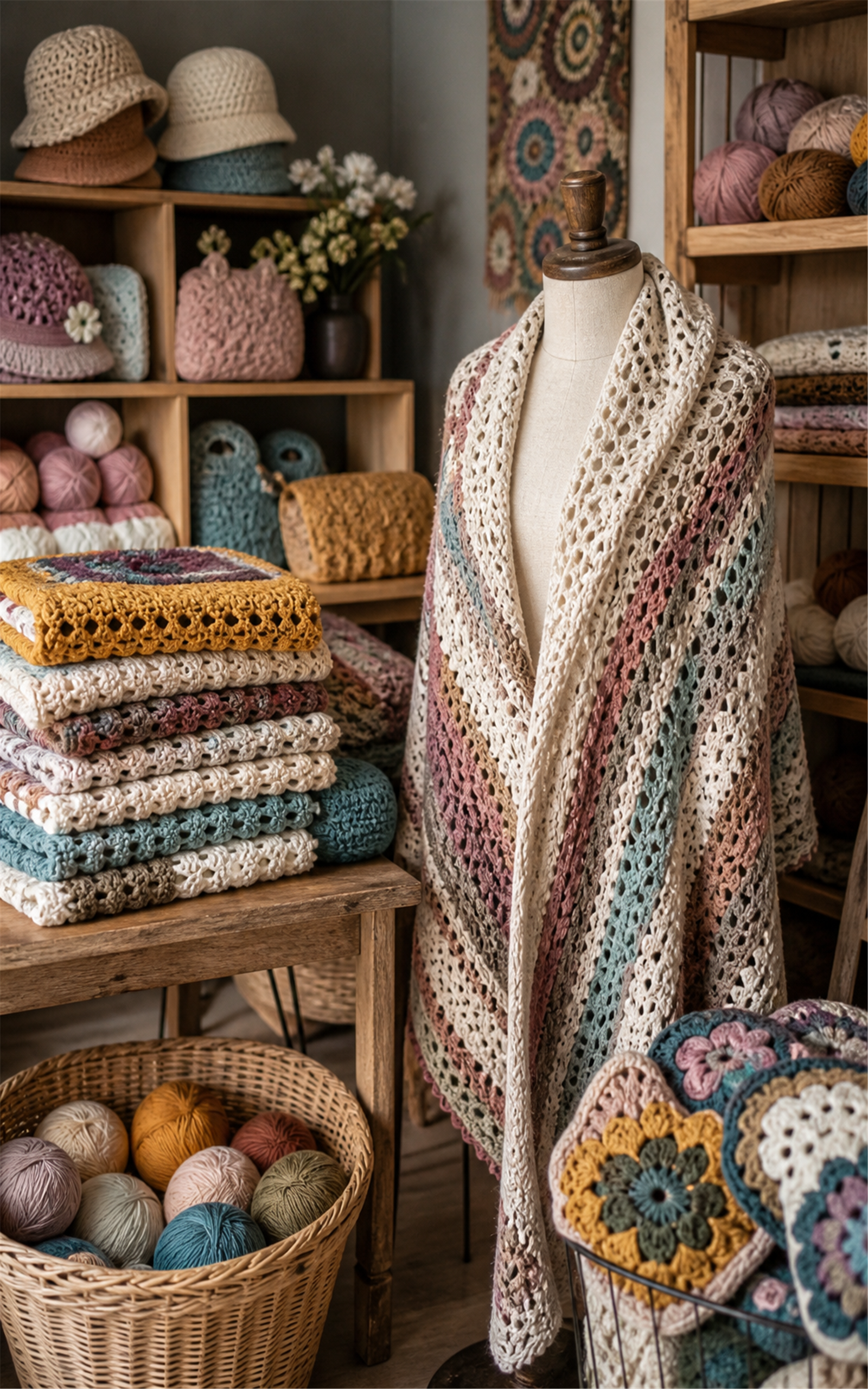
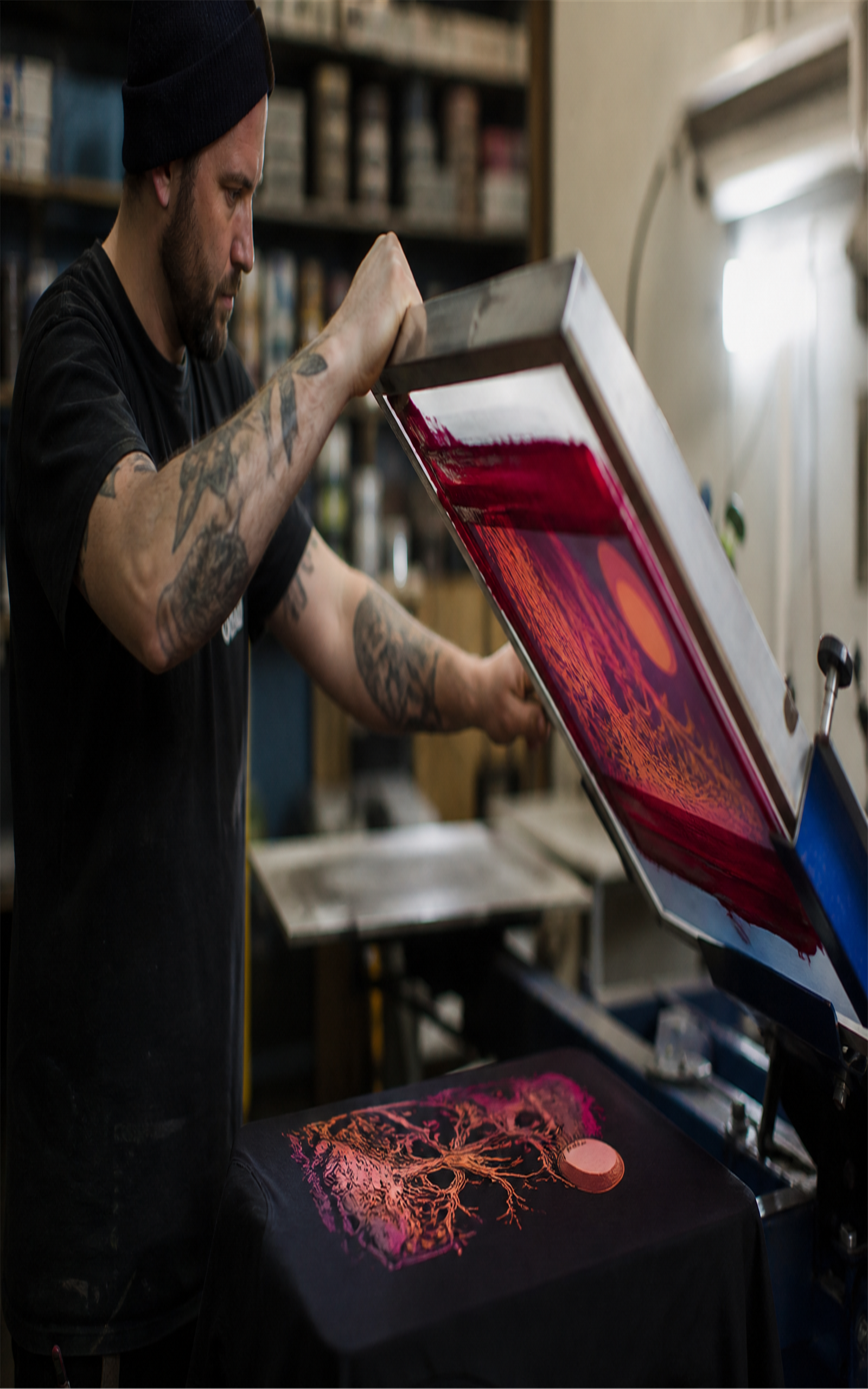
Textile and apparel businesses with overlapping production habits—such as the sewing business guide, crochet business guide, and t-shirt printing business guide—show how defined product menus and professional intake sustain custom manufacturing revenue.
Practical takeaway: Write one paragraph describing your ideal first order type—team caps, corporate polos, or monogrammed gifts. List three questions buyers will ask before placing an order—and ensure your intake form answers them.
Before you quote embroidery jobs, decide which products you stitch, what customization you accept, and what artwork standards clients must meet. Buyers need menus they can compare—not open-ended promises to embroider anything on anything.
Caps, polos, and jackets within tested stitch areas and thread color palettes. Best when blanks are standardized and proofs are approved before production.
Towels, totes, and seasonal items with character limits and font libraries you control. Strong for retail margins when production is templated.
Higher setup complexity—price separately with minimum quantities and explicit size limits.
Photorealistic images, ultra-small text, unsupported fabrics, and rush jobs beyond capacity. Naming limits upfront protects quality and margins.
Practical takeaway: Draft a one-page product menu with at least six items you accept and five request types you decline or price as rush specials. If a buyer would still ask 'can you do jackets too?', add clearer boundaries before publishing prices.
Embroidery businesses combine equipment investment, product liability exposure, and commercial order obligations. Verify registration, insurance, and workspace requirements before accepting paid production.
Separate business banking, written order terms, and job costing routines protect margins. Decide deposit requirements on custom orders and how rush fees are calculated.
Practical takeaway: Complete your setup checklist with equipment test results on three fabric types you plan to offer. Do not publish order forms until proof approval and remake policies are written.
Embroidery quality depends on file preparation and repeatable machine routines. Weak digitizing and improvised hooping destroy margins through rework faster than any competitor's lower per-piece price.
Track stitch time and thread usage on early jobs. Adjust pricing templates when actual run times exceed estimates—especially on dense logos and cap curves.
Practical takeaway: Process one real custom order through your full digitizing and machine checklist—even as a sample for portfolio. Note any rework caused by skipped test stitches or wrong stabilizer, and fix before accepting paid bulk orders.
Clients buy stitched products and dependable turnaround—not vague per-item guesses that ignore setup, digitizing, and rejected proofs. Price from documented production economics.
Use setup fees and minimum quantities to protect small orders. Separate catalog pricing from custom quote workflows—mixing them without distinct templates causes underpriced one-offs.
Practical takeaway: Price three representative orders—small monogram, mid-size team run, and complex logo—in your spreadsheet. After producing them, compare estimated stitch and setup hours to actuals before scaling outreach.
Buyers choose embroidery shops that return proofs quickly, stitch consistently on real garments, and deliver on promised dates—not whoever quotes lowest without asking about artwork.
Cross-referrals from apparel decorators, print shops, and uniform suppliers can fill early pipeline when stitch quality and turnaround are dependable.
Practical takeaway: Land your first three orders through direct contact with local teams or businesses matching your launch menu—before running ads. Document every artwork issue they bring and refine intake questions after each quote.
Growth means adding machines, products, or staff only when digitizing standards, QC routines, and turnaround promises stay consistent—not accepting every custom request because capacity opened up.
Track rework rate, average stitch time variance, reorder percentage, and profit by product line—not total order count alone.
Practical takeaway: After your first twenty completed orders, identify the design type that caused the most rework and the product line with the best reorder rate. Fix digitizing intake before adding new equipment.
Use this four-week outline to move from interest to a controlled first production run. Each week builds on the last for an embroidery business launch.
Confirm these essentials before you accept a paid embroidery order or publish production pricing.
An embroidery business is a professional custom product operation that accepts defined stitched orders under written scope—product types, file standards, turnaround, and revision rules—not informal favors without production planning. Success depends on product line clarity, digitizing discipline, machine workflow, and dependable fulfillment.
Hobby stitching accepts random projects without pricing, file standards, or turnaround commitments. An embroidery business documents product lines, evaluates artwork before quoting, prices from setup and production time, and fulfills orders with quality checks and customer communication—not whenever spare time appears.
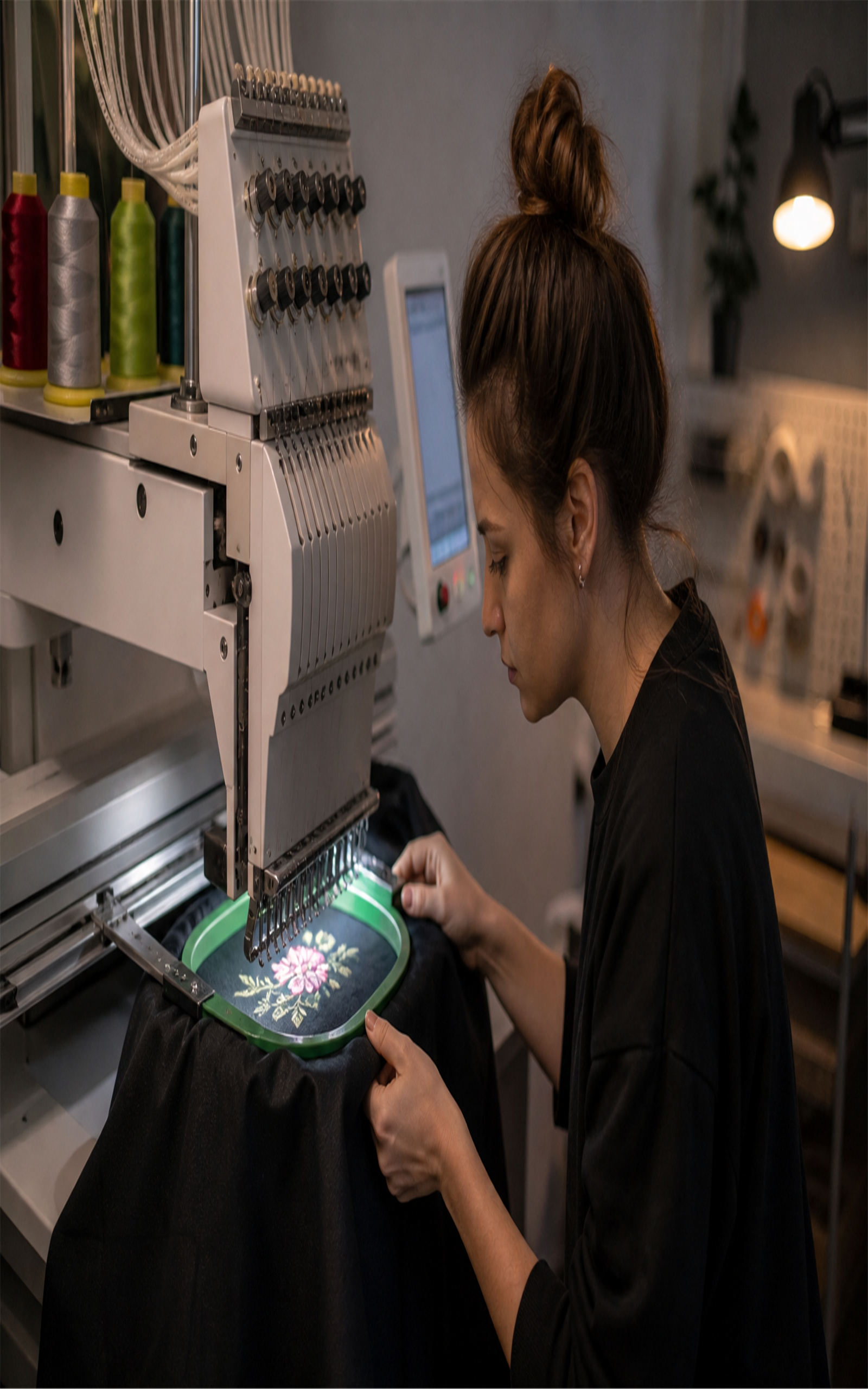
Digitizing converts artwork into stitch files machines can run—setting stitch types, densities, underlay, and sequencing. Poor digitizing causes thread breaks, puckered fabric, and unreadable small text. Your workflow must define whether you digitize in-house, outsource, or require production-ready files from clients.
Many launches focus on a narrow menu—embroidered caps and polos for local teams, corporate logo apparel, or gift items like towels and totes. Each line should list compatible blanks, maximum stitch areas, color limits, and minimum quantities.
Follow a repeatable sequence: file review and test stitch, hooping with correct stabilizer, production run, trim and inspect, steam or finish, pack and label. Document settings that work for common fabrics so operators do not reinvent setup on every order.
Catalog lines use pre-tested designs and predictable production times. Custom orders require artwork review, proof approval, digitizing time, and revision boundaries. Mixing both without separate pricing and intake paths is a common margin mistake.
Build pricing from digitizing or file prep, machine setup, stitch count or run time, blanks, thread and stabilizer, QC labor, packaging, overhead, and margin. Setup fees and minimum quantities protect small orders that consume disproportionate hooping time.
Start with one product line and one client profile. Reach local teams, small businesses, and event organizers through direct outreach, referrals from apparel decorators, and portfolio samples that show stitch quality on real garments—not generic stock mockups alone.
This embroidery business example was developed using eBook Business Builder—the workflow used to structure the guide, free lead magnet, offer assets, email series, and marketing content you see in the EBB Showroom below.
If you want to create your own eBook business around a topic you know, EBB walks you through research, writing, assets, and launch in a repeatable system. See how business assets fit together and launch marketing for your eBook business to understand the full EBB build model.
Start Building with eBook Business Builder →The flagship guide explains how to start an embroidery business—niche selection, digitizing basics, machine workflow, product lines, and order fulfillment—in a structured eBook format.
Chapters walk readers through evaluating the opportunity, defining product lines and custom scope, investigating business setup, building digitizing and machine workflow, pricing from real production costs, winning first orders, and growing operations without sacrificing stitch quality.
First Designs & Product Setup — a lead magnet that helps readers evaluate whether embroidery fits their skills and identify sensible first steps before taking orders.
Many stitchers accept custom requests without product boundaries, file requirements, or production routines that protect margins and quality.
Foundational first steps, common early mistakes to avoid, and a simple action plan readers can use before committing to bookings or service launches.
Embroiders for personal projects but unsure how to productize stitching and take customer orders professionally.
Prepared with the fundamentals needed to define product lines, process designs, and fulfill embroidery orders reliably.
Embroidery Business Startup Program
A practical flagship guide for readers ready to move from interest to action—with clear first steps and professional production habits for dependable embroidery work.
Tools & References