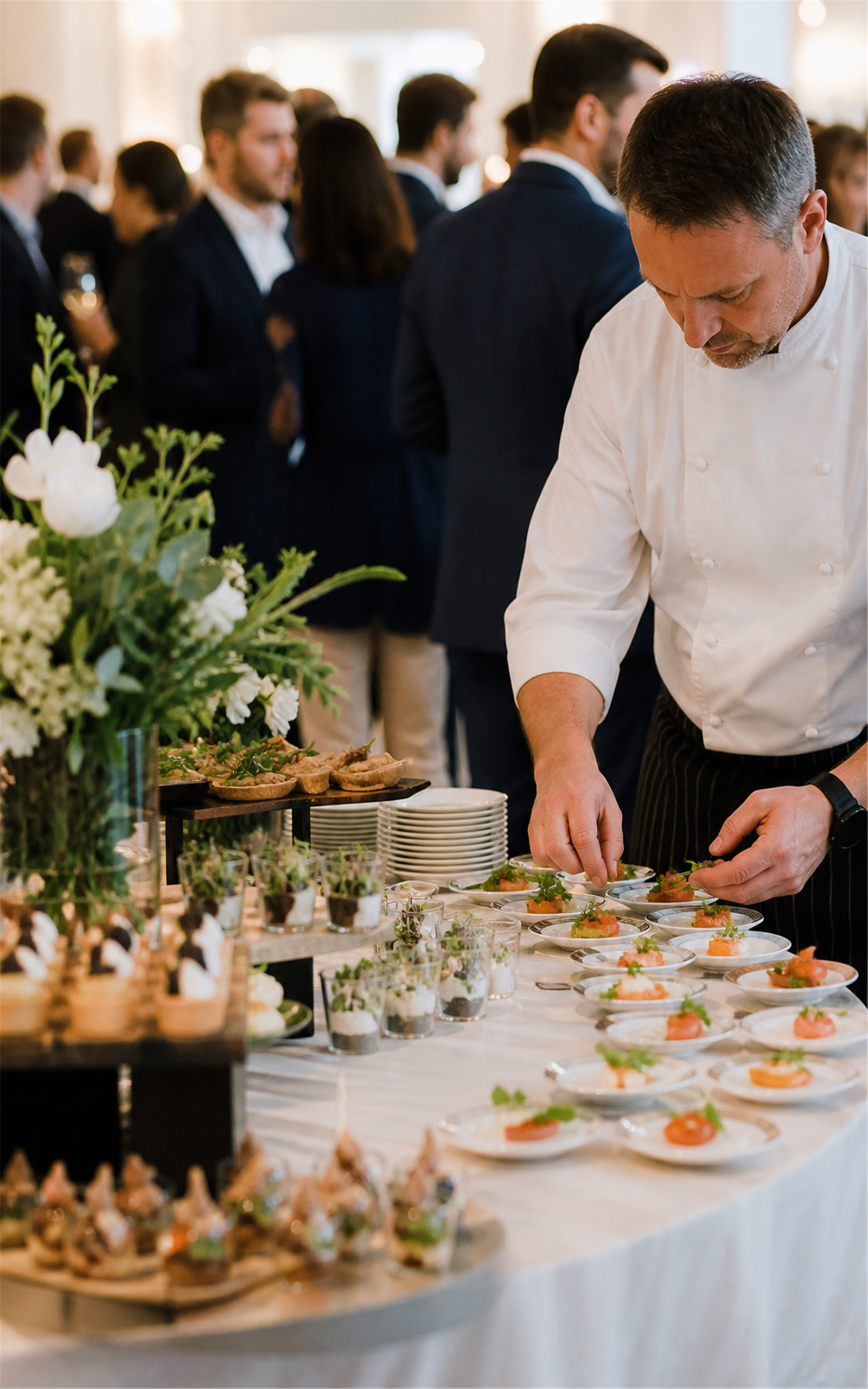
Find the Opportunity
Understand who hires mobile bartenders and why package clarity wins events.
A practical starting point for bartenders who want to launch a mobile bar service with clearer event packages, client intake, and on-site workflow basics.
This page walks you through how to start a mobile bartending business as a professional event service—not just mixing drinks at a friend's party without guest-count planning. You will learn who hires mobile bartenders, how to define bar packages hosts can compare, how to verify alcohol service requirements locally, how to build bar setup and event workflow, how to price from real event costs, how clients find you, and how to deliver organized bar service events hosts rebook.
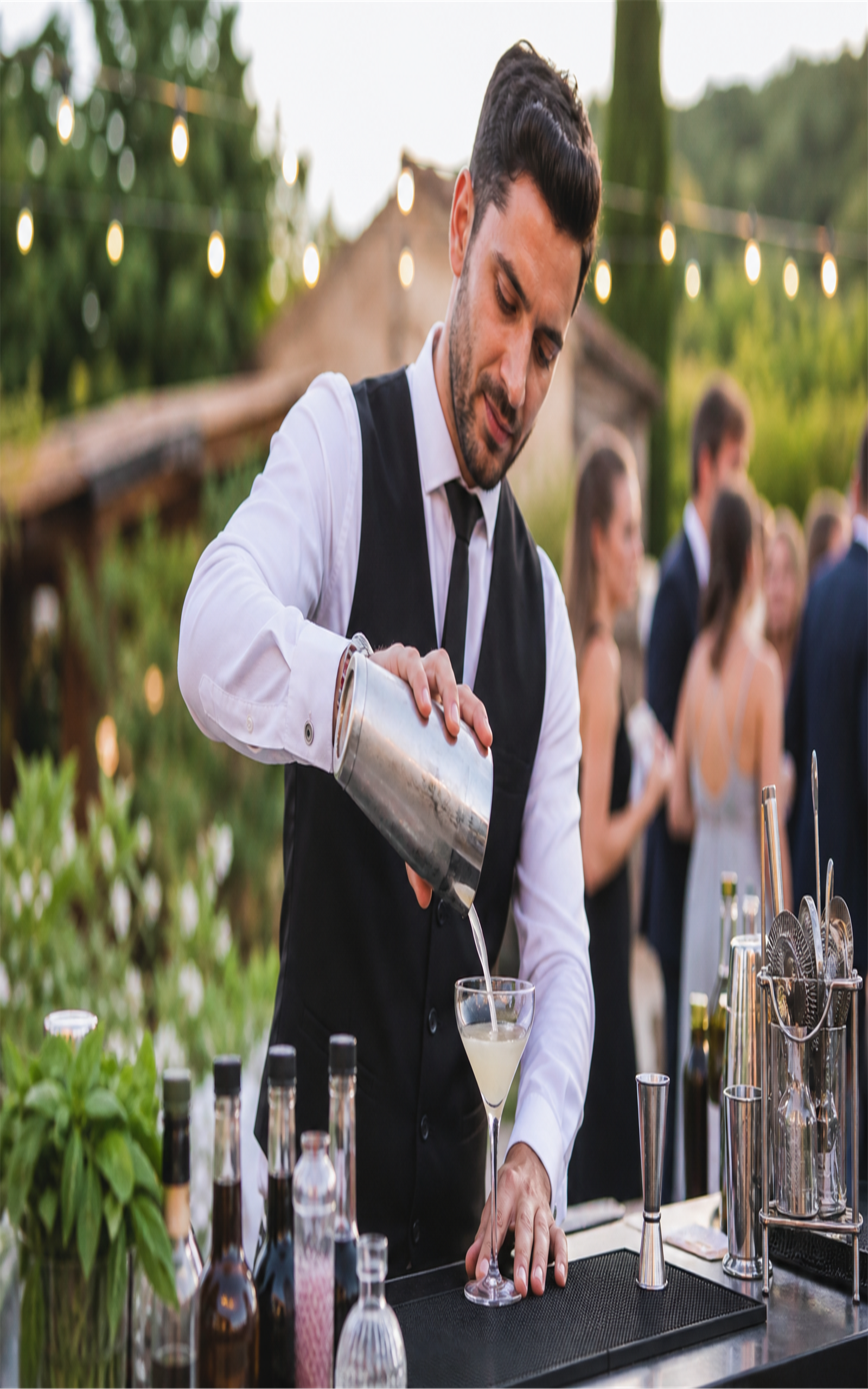
Understand who hires mobile bartenders and why package clarity wins events.
Decide what you accept, decline, and document on every proposal.
Research federal, state, and local requirements before accepting bookings.
Build a staged bar kit and repeatable on-site event routines.
Quote events from measured labor, supplies, and travel time.
Reach hosts and planners with a controlled launch.
Improve intake accuracy and add capacity only when workflows hold.
A mobile bartending business sells defined bar service packages delivered at client events under written scope boundaries—not open-ended "come pour drinks" labor without guest-count planning, supply agreements, or responsible service standards. You intake events in advance, decide what fits your model and verified compliance path, quote from real costs, carry the bar equipment your packages require, and finish events hosts can recommend to planners.
That distinction matters. Mixing drinks well is not the same as running a mobile bartending business. Many capable bartenders accept private gigs without package limits, underprice shopping and setup time, or assume alcohol rules work the same at every venue. Wedding hosts, corporate coordinators, and party planners continue to hire mobile bartenders when bar service feels professional and easy to arrange—but only when they believe the operator understands guest count, supply responsibility, and how service will run during the event.
This guide walks you through how to start a mobile bartending business with professional habits: finding your opportunity, defining event packages, verifying alcohol service requirements locally, building bar setup and event workflow, pricing from real event costs, winning first events, and growing with the operational discipline that defines a credible event service. By the end, you should understand what the business is, what you need to prepare, and what to verify locally before accepting your first booking.
Hosts hire mobile bartenders when venue bar service is unavailable, too expensive, or too generic—private parties, weddings, corporate receptions, and backyard celebrations where a professional bar still matters. Your first step is understanding who you serve and what they expect from a defined package—not assuming pour skill alone creates demand.
Mobile bartending businesses succeed when hosts understand the event before service starts: guest count, bar package, hours of service, who supplies alcohol, setup location, and what happens if attendance exceeds estimates. Buyers are not simply purchasing a bartender—they are purchasing confidence that bar service will look organized, run on schedule, and respect responsible service expectations.
Different clients bring different expectations, compliance contexts, and repeat potential. Choose one primary profile for launch:
Often hire for milestone birthdays, anniversaries, and backyard gatherings where they want a polished bar without venue minimums. They compare on clarity, professionalism, and how easy intake feels—not always on the lowest hourly rate alone.
Need vendors who respond quickly, document packages clearly, and coordinate with caterers, DJs, and venues on timeline. Standardized proposals and reliable setup times matter more than flair without logistics discipline.
Prioritize vendors who invoice cleanly, follow responsible service practices, and present a professional bar setup aligned with brand standards. Repeat corporate relationships emerge once core operations are dependable.
Observe your local market: who do existing mobile bar operators and event bartenders serve well, and where do hosts still express frustration—unclear supply responsibility, late setup, under-planned inventory, or vendors who cannot explain what their package includes? Your opportunity often sits in operational clarity as much as in mixology skill.
Event service businesses with overlapping client-trust dynamics—such as those in the catering business guide, concession stand rental business guide, and DJ business guide—show how defined packages, professional intake, and dependable on-site delivery sustain event revenue. Mobile bartending shares the same coordination pattern—and often appears on the same timelines as food service and entertainment vendors.
Mobile operators in other categories, including the mobile barber business guide, face similar routing, setup, and client-space challenges without venue infrastructure already in place. The operational habits translate even when the service category differs.
Practical takeaway: Write one paragraph describing your ideal first client and the event type you want most—small private parties, wedding receptions, or corporate mixers. List three questions they will ask before booking—and make sure your future intake process answers them.
Before you quote events, decide which bar packages you accept, which event types you decline or refer out, and how you document supply responsibility on every proposal. Hosts need packages they can compare—not open-ended "bartender for the night" offers that expand when guest count or drink preferences change.
Each package on your menu should list specific inclusions, exclusions, and change-order triggers:
You provide bartender labor, bar tools, and setup; the host purchases and supplies alcohol per your shopping list or their own sourcing. Best when local rules place supply responsibility on the host or an licensed third party—and your role is clearly defined as service staff.
Defined selection, pour service, and glassware for beer-and-wine events with documented guest-count assumptions. Confirm whether your model and verified compliance path allows you to source beverages or only serve host-supplied product.
Curated short menus with agreed ingredients, garnish prep, and batching strategy for efficient service during peak windows. Scope ingredient cost and prep time honestly before quoting fixed prices.
Events where compliance responsibility is unclear, guest counts are unknown, venues prohibit outside bar service, or requests exceed your staffing capacity. Naming these upfront protects hosts and keeps you out of noncompliant or unprofitable territory.
Not every request fits a mobile bartending model. Use intake questions to filter events early:
Written scope prevents the most common mobile bartending disputes:
Food and event rental businesses that scope carefully before quoting—like those described in the catering business guide and concession stand rental business guide—reduce callback friction because clients understand inclusions before the event. Mobile bartending follows the same rule: a written package list prevents arguments about whether ice, cups, or a second bartender were included.
Practical takeaway: Draft a one-page package menu with at least three bar packages you accept and three event situations you decline or refer out. Read it aloud—if a host would still ask "does that include alcohol…?", add clearer language before publishing prices.
Alcohol service rules vary widely by jurisdiction, venue type, and how your business model handles supply and staffing. Federal, state, and local authorities may each play a role—and this guide does not substitute for legal advice or official agency guidance. Your verification framework matters as much as your bar kit: confirm requirements locally before marketing paid events.
Create a checklist and confirm each item with official sources, your state alcohol beverage authority, local licensing office, venue management, and qualified legal counsel when needed. Requirements differ by country, state, county, city, and event setting—do not assume rules from another market apply to you:
Align each package on your menu with what your jurisdiction allows under your chosen business structure:
Who purchases the alcohol? Who holds any required permit or license for this event? Does the venue allow outside bar service? Are there guest-count or location limits? Document answers in writing before you deposit inventory budget or accept final payment.
When compliance responsibility is unclear, a host expects you to supply alcohol without verified authorization, or venue rules conflict with your service model—decline or partner with a licensed operator rather than improvising. Referring out protects your reputation and the host's event.
Keep a referral list of licensed caterers, venues, and bar companies you trust for events outside your verified scope. Saying "that event type requires a different compliance path—I can refer a partner" builds more long-term trust than accepting work you have not verified.
Separate business banking, written event contracts, a basic bookkeeping routine, and documented deposit and cancellation policies protect you as much as insurance does. Decide whether hosts pay deposits before you shop for inventory, how guest-count changes trigger repricing, and what happens when venue access is delayed on event day.
The SBA guide to launching a business helps with general registration and planning steps, but it does not replace state alcohol beverage authority rules. Start your research early—some permits, insurance bindings, and venue approvals take weeks.
Practical takeaway: Complete your alcohol service verification checklist with dated notes from official sources—not forum posts or competitor assumptions. Do not publish prices or accept deposits until you have documented who holds compliance responsibility for each package you offer.
A mobile bartending business runs on two foundations: bar equipment matched to your accepted packages, and an event workflow that turns proposals into organized service without rushed setup or chaotic pour windows. Under-planned inventory and improvised routines erode margins faster than any competitor's lower hourly rate.
Buy core equipment first; add specialty items when repeated events justify the cost:
Track equipment replacement, consumables, and shopping time in your pricing model. Napkins, mixers, and backup ice are production cost on every event—not personal overhead you absorb silently when a package price was fixed too low.
Professional mobile bartending follows a repeatable sequence:
Hosts and planners notice details beyond the cocktails themselves:
Intake should collect load-in parking, elevator or gate access, power and water availability, bar location relative to guests, and the on-site decision-maker for service cutoff. Surprises on arrival—no access, bar area moved without notice, or guest count far above estimate—are margin killers on fixed-price packages.
Define a pre-service checklist: ice stocked, glassware polished, menus displayed, non-alcoholic options placed, tools sanitized, trash bins positioned, and staff briefed on package scope and responsible service expectations. Open the bar only when setup matches the proposal—not when the host is impatient and half the kit is still in the car.
Practical takeaway: Pack a load-out list for your most common package and run one real or practice event through your full workflow checklist. Note any supply shortfall or setup delay caused by skipped intake questions—and fix those before your next quote.
Hosts buy scoped bar service and dependable setup—not vague hourly guesses that ignore shopping, prep, and breakdown time. Pricing should reflect the full cost of the documented package at the documented guest count, not a venue shift rate copied without event economics.
Consider every cost category that applies to your model:
Fixed-price packages carry guest-count risk. A cocktail menu for eighty guests priced like forty will destroy margin on shopping and pour time. Build tiered pricing, overtime rates, and documented change-order triggers for count increases above the confirmed threshold.
Package pricing works when scope, guest count, and supply responsibility are documented. Hourly or per-bartender rates suit staffing-only models with clear minimums and overtime rules. Separate line items for labor, beverage budget, equipment, and travel help hosts understand the proposal—planners especially appreciate invoices that map cleanly to event records.
Include deposit schedules, final guest-count confirmation deadlines, cancellation terms, and what happens when service hours extend beyond the proposal. Event labor is date-locked; hours waiting on venue access or resolving undisclosed guest-count changes are cost you cannot recover on another booking that night.
Track actual hours, beverage cost, and inventory use on every early event against your estimate. Adjust pour assumptions and package templates based on real results rather than initial guesses.
Practical takeaway: Build a pricing spreadsheet with labor rates, beverage factors, equipment allowances, and overhead allocation. Complete it for your next three proposals, then compare projected costs to actuals after each event closes. Refine before scaling marketing.
Trust drives hiring decisions in event bar service. Hosts and planners choose operators who communicate clearly, respect package boundaries, and setup when promised—not whoever sends the vaguest low estimate.
Avoid advertising without verification discipline behind it. Photos of completed bar setups, clear supply-responsibility language, and reliable load-in times demonstrate professionalism better than discount messaging alone.
Practical takeaway: Land your first three events through direct outreach to hosts or planners who match your target profile—before spending on ads. Document every intake question they raise and refine your templates after each conversation.
Growth means adding events and capacity only when package accuracy, inventory planning, and client communication stay consistent—not accepting every inquiry because your calendar has room.
A sensible progression:
Adding staff introduces quality control. Document pour standards, setup photos, and responsible service expectations; conduct joint events on early bookings together, and review estimate-to-actual cost variance monthly. One disorganized bar setup or service incident can damage the reputation that took seasons to build.
Track metrics that matter: estimate-to-actual hour variance, beverage cost per guest, planner repeat bookings, referral source, and events completed per month at your agreed standard—not vanity metrics like total inquiries. Fix intake and inventory gaps before marketing harder.
Practical takeaway: After your first ten completed events, identify your most common inventory miss and your strongest referral source. Fix the intake or shopping issue before adding a second bartender or expanding your service area.
Use this four-week outline to move from interest to a controlled first event. Each week builds on the last for a mobile bartending business launch.
Confirm these essentials before you accept a booking or purchase inventory for your first paid mobile bartending event.
A mobile bartending business is a professional event service that delivers defined bar packages at private parties, weddings, and corporate gatherings—not informal drink-mixing for friends without guest-count planning, supply agreements, or responsible service standards. Success depends on knowing which packages you offer, verifying alcohol service requirements locally, planning inventory honestly, and communicating event timelines hosts can trust.
Venue bartenders operate inside licensed establishments with established inventory, staffing, and compliance systems already in place. Mobile bartenders bring defined service packages to client venues—managing intake, supply responsibility, setup, guest-count planning, and breakdown in environments that change every event. This guide addresses mobile-specific packages, verification, and event workflow—not traditional bar management or venue lease operations.
Alcohol service requirements vary significantly by country, state, county, city, and event type. Federal rules, state alcohol beverage authorities, local ordinances, and venue policies may all apply—and responsibility for permits, licenses, and supply often depends on how your specific event model is structured. Verify requirements with your state alcohol beverage authority, local licensing office, and legal counsel before accepting paid events.
List the bar packages you accept—such as beer-and-wine service, signature cocktail menus, or staffing-only models where the host supplies alcohol—and the event types you decline or refer out. Document scope on every proposal: guest count, service hours, beverages included or excluded, equipment supplied, and what triggers a change order. Written package boundaries prevent events from expanding into unprofitable or noncompliant territory.
Build a core kit matched to your accepted packages: portable bar setup or risers, speed rails or organizers, shakers and strainers, jiggers, ice tubs, sanitation supplies, garnish prep tools, and transport cases that keep glassware and tools secure between events. Add specialty equipment only when repeated bookings justify the cost.
Build pricing from labor hours, beverage and supply costs, staffing, travel, equipment wear, overhead, inventory shrink reserve, and desired margin. Scope each event before quoting, account for guest-count tiers and overtime triggers, and test prices in a spreadsheet using your production rates—not unverified competitor numbers. Adjust after comparing estimates to actual event hours and inventory use.
Follow a repeatable sequence: inquiry and event screening, written proposal, pre-event confirmation, load-out and travel, on-site setup, service per checklist, responsible service throughout, breakdown, and post-event follow-up. Intake should capture guest count, venue access, supply responsibility, bar location, and host contact before you purchase inventory. Consistent workflow reduces chaos during peak pour windows and protects margins on fixed-price packages.
Start with a defined client profile and controlled launch. Reach local buyers through search listings, wedding and event planner relationships, caterer and DJ referrals, and corporate coordinator outreach where appropriate. Professional package documents, visible bar setup photos, and reliable load-in times convert interest faster than vague low bids.
This mobile bartending business example was developed using eBook Business Builder—the workflow used to structure the guide, free lead magnet, offer assets, email series, and marketing content you see in the EBB Showroom below.
If you want to create your own eBook business around a topic you know, EBB walks you through research, writing, assets, and launch in a repeatable system. See how business assets fit together and launch marketing for your eBook business to understand the full EBB build model.
Start Building with eBook Business Builder →The flagship guide explains how to start a mobile bartending service—event package clarity, alcohol service verification, bar setup workflow, pricing, and client communication—in a structured eBook format.
Chapters walk readers through evaluating the opportunity, defining which bar packages you offer and refer out, verifying alcohol service requirements, building your bar setup and event workflow, pricing from real event costs, winning first events, and growing operations without sacrificing responsible service or package clarity.
First Events & Bar Setup — a lead magnet that helps readers evaluate whether mobile bartending fits their skills and identify sensible first steps before accepting event bookings.
Many bartenders accept events without guest-count planning, supply agreements, or verification habits that keep service organized, compliant, and profitable.
Foundational first steps, common early mistakes to avoid, and a simple action plan readers can use before committing to inventory purchases or event bookings.
Bartends at informal gatherings but unsure how to package mobile bar services and take paid event bookings professionally.
Prepared with the fundamentals needed to screen events, verify alcohol service paths, plan bar setup, and deliver scoped service reliably.
Mobile Bartending Startup Program
A practical flagship guide for readers ready to move from interest to action—with clear first steps and professional service habits for dependable mobile bar events.
Tools & References