Find the Opportunity
Understand who hires mobile barbers and why package clarity wins on-location work.
A practical starting point for barbers who want to launch an on-location grooming service with clearer pricing, travel planning, and client booking habits.
This page walks you through how to start a mobile barber business as a professional on-location service—not just bringing clippers to a friend's house without scope clarity. You will learn who hires mobile barbers, how to define service packages clients can compare, how to investigate barber licensing and business setup locally, how to build mobile equipment and appointment workflow, how to price from real travel and service costs, how clients find you, and how to deliver dependable grooming appointments people rebook.
Understand who hires mobile barbers and why package clarity wins on-location work.
Decide what you accept, decline, and document on every booking.
Investigate local barber and business rules before marketing paid appointments.
Build a staged equipment kit and repeatable on-location production routines.
Quote mobile appointments from measured labor, travel, and consumable costs.
Reach professionals, seniors, and workplaces with a controlled launch.
Improve routing efficiency and add capacity only when workflows hold.
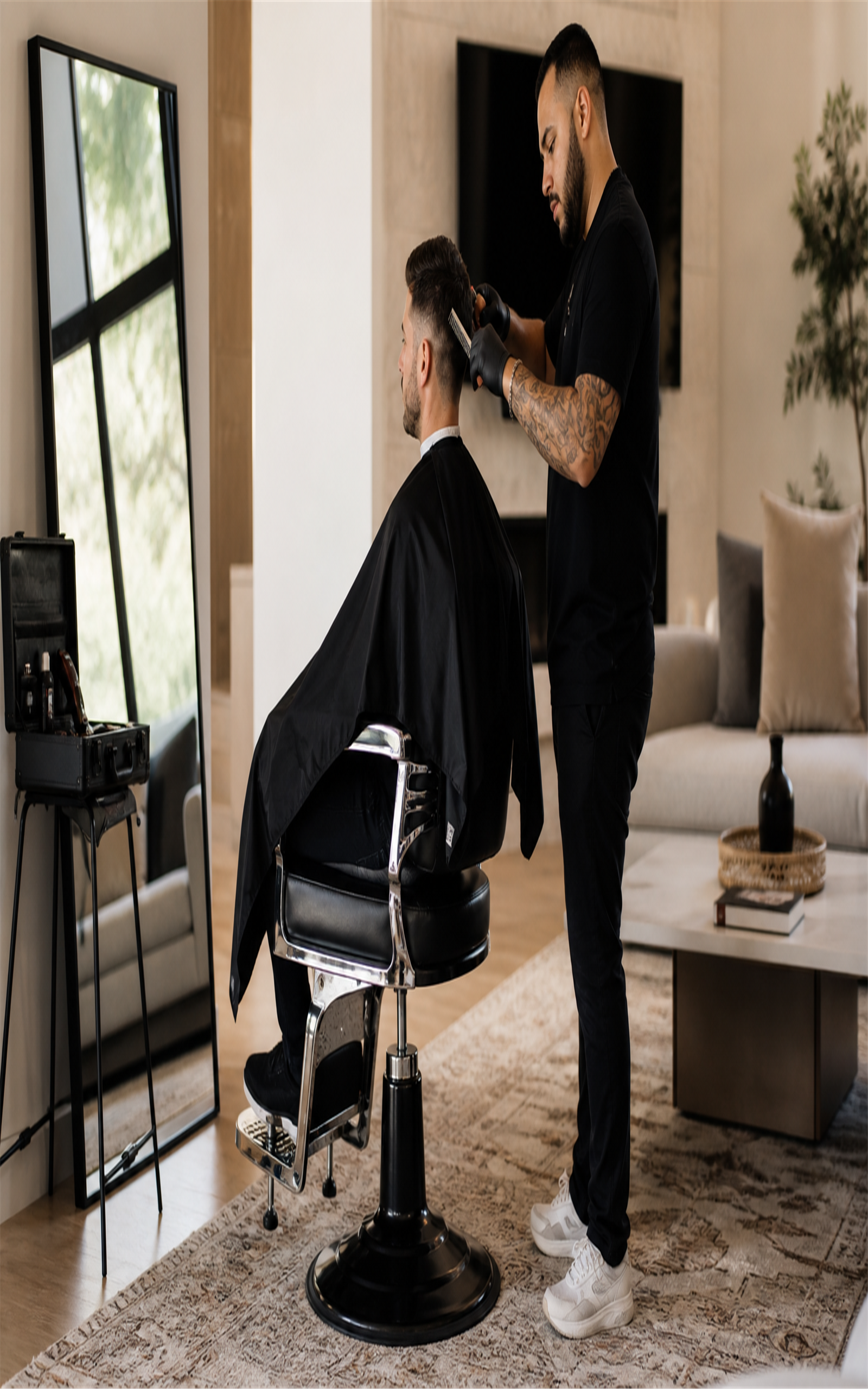
A mobile barber business sells defined grooming services delivered at client locations under written service boundaries—not open-ended "come cut whoever needs it" labor without intake, travel pricing, or sanitation standards. You confirm bookings in advance, decide what fits your skills and licensing limits, quote from real costs including travel and setup, carry the equipment your menu requires, and finish appointments clients can rebook on schedule.
That distinction matters. Being skilled with clippers is not the same as running a mobile barber business. Many capable barbers accept on-location work without service limits, underprice travel and breakdown time, or skip sanitation steps that matter when you move between homes and workplaces. Busy professionals, seniors, families, and employers continue to hire mobile barbers when shop visits are inconvenient—but only when they believe the operator will arrive on time, stay within agreed services, and maintain professional standards at their door.
This guide walks you through how to start a mobile barber business with professional habits: finding your opportunity, defining service packages, investigating licensing and business setup, building mobile equipment and appointment workflow, pricing from real costs, winning first appointments, and growing with the operational discipline that defines a credible local service. By the end, you should understand what the business is, what you need to prepare, and what to verify locally before accepting your first booking.
Clients hire mobile barbers when convenience matters—after-work cuts at home, grooming for seniors who cannot easily visit a shop, workplace chair blocks, or family appointment clusters. Your first step is understanding who you serve and what they expect from a professional package—not assuming clipper skill alone creates demand.
Mobile barber businesses succeed when clients understand the appointment before you arrive: services included, expected duration, setup needs, pricing structure, and what happens if they need to reschedule. Buyers are not simply purchasing a haircut—they are purchasing confidence that defined grooming will happen on schedule in their space without the visit feeling improvised.
Different clients bring different expectations, access constraints, and repeat potential. Choose one primary profile for launch:
Often book when shop hours conflict with work or childcare—home visits after hours or weekend appointment blocks. They compare on reliability, clear pricing that includes travel, and respect for their space—not always on the lowest cut price alone.
Need predictable grooming on location with patience, clear communication, and sanitation clients and caregivers trust. Consistent scheduling and documented service menus matter more than trend-driven styles.
Book chair blocks for employee perks, pop-up grooming days, or grooming before photo and presentation events. Standardized packages and efficient turnover support repeat corporate relationships once trust is established.
Observe your local market: who do shop barbers and existing mobile operators serve well, and where do clients still express frustration—vague pricing, late arrivals, missing equipment, or operators who cannot explain what is included? Your opportunity often sits in operational clarity as much as in cutting ability.
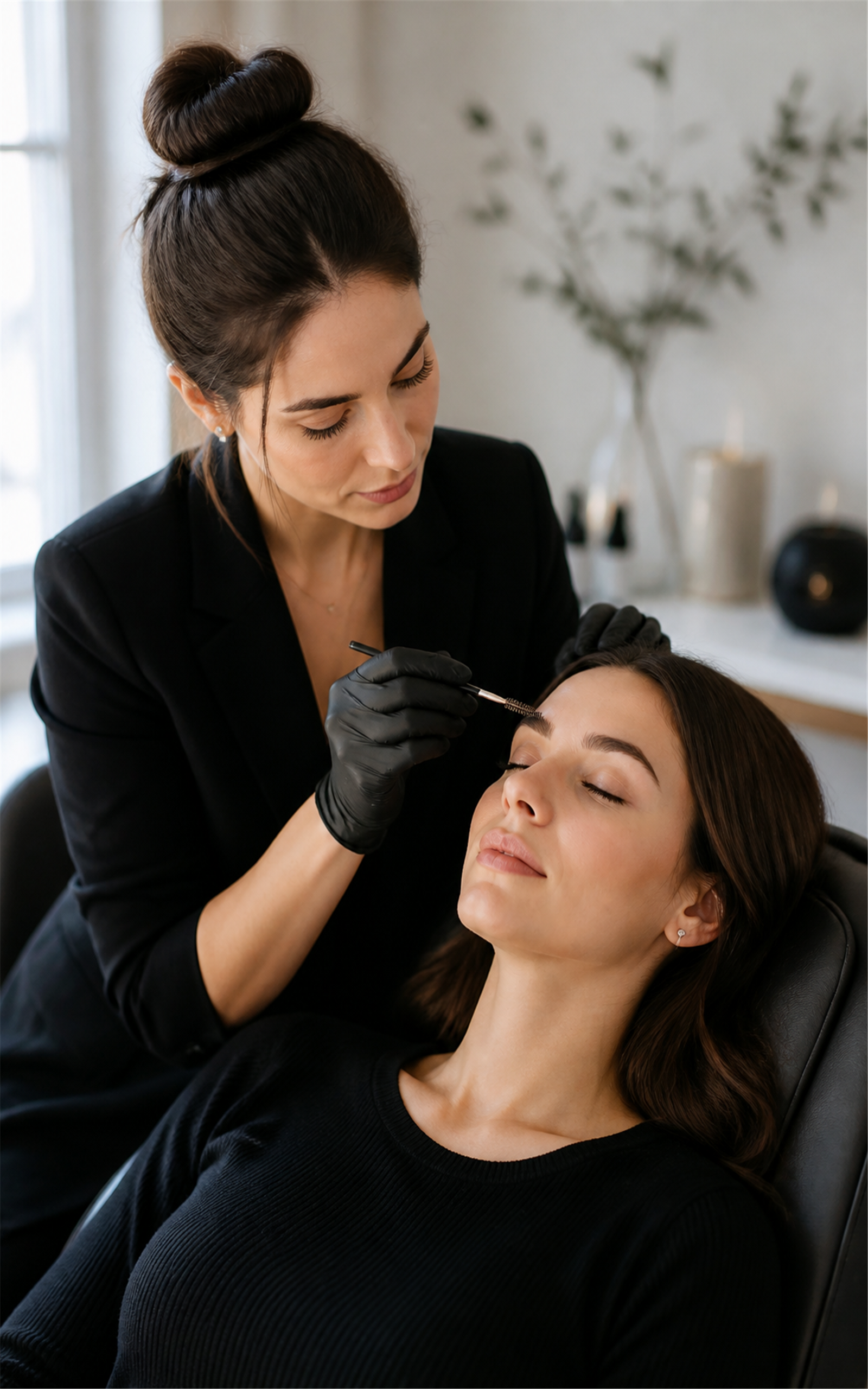
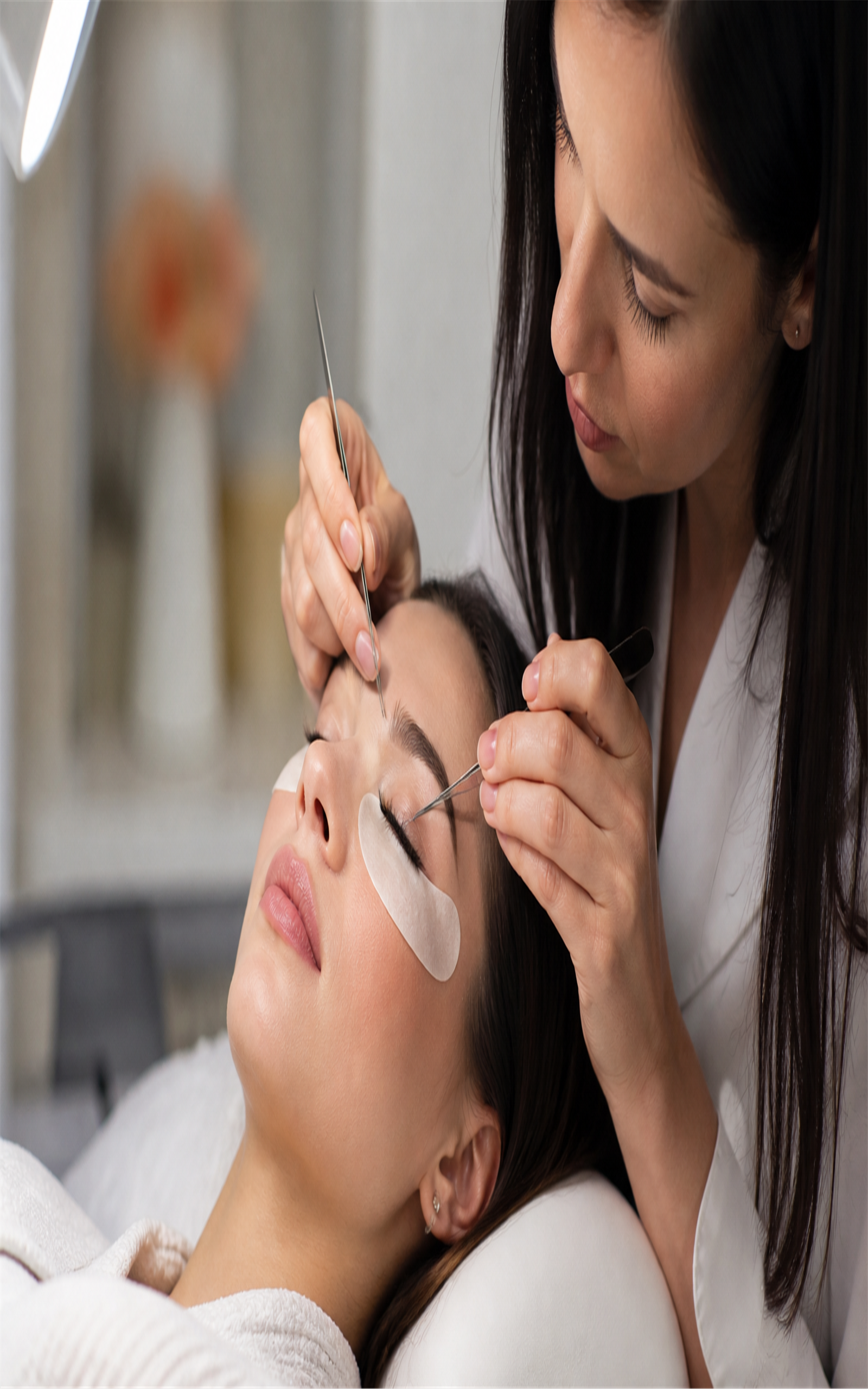
Mobile service businesses with overlapping client-trust dynamics—such as those in the mobile beauty business guide, brow business guide, and lash business guide—show how defined menus, professional intake, and dependable on-location delivery sustain service revenue. Mobile barbering shares the same pattern: clients hire operators they believe will show up prepared, communicate clearly, and finish as promised.
Practical takeaway: Write one paragraph describing your ideal first client and the appointment type you want most—single home cuts, senior rounds, or workplace chair blocks. List three questions they will ask before booking—and make sure your future intake process answers them.
Barber and cosmetology regulations vary widely by jurisdiction. Some areas require a barber or cosmetology license before performing paid grooming services; others regulate mobile visits, home-based service, and sanitation standards separately from shop operations. Your investigation framework matters as much as your clipper kit—verify locally before marketing paid appointments.
Create a checklist and confirm each item with your state barber or cosmetology board, local business licensing office, and insurance agent. Requirements differ by country, state, county, and city—do not assume rules from another market apply to you:
Align your service menu with what your jurisdiction allows under your credentials:
Haircuts, clipper and shear work, beard trims, line-ups, and basic grooming within your license or certification—when local rules and your credentials permit mobile delivery.
Chemical color, relaxers, advanced esthetic treatments, medical scalp services, or specialty work requiring shop equipment or additional licenses. Refer these even when the client asks you to "just help with one thing quickly."
Keep a referral list of shop barbers, cosmetologists, and specialists you trust. Saying "that requires a different credential or setting—I can refer you" builds more long-term trust than operating outside your scope.
Separate business banking, written consent and liability forms, a basic bookkeeping routine, and documented cancellation and deposit policies protect you as much as insurance does. Decide whether clients pay deposits on multi-chair workplace blocks, how late cancellations are handled, and what happens when access or setup conditions differ from what was confirmed during intake.
The SBA guide to launching a business helps with general registration and planning steps, but it does not replace state barber or cosmetology board rules. Start your research early—some licenses and mobile-service approvals take weeks, and operating without required credentials can invalidate insurance claims.
Practical takeaway: Complete your licensing investigation checklist with dated notes from official sources—not forum posts. Do not publish prices or accept deposits until liability coverage and required credentials are confirmed for your service menu and mobile delivery model.
A mobile barber business runs on two foundations: equipment matched to your accepted services, and an appointment workflow that turns bookings into finished grooming without wasted trips or skipped sanitation steps. Under-equipped arrivals and improvised routines erode margins faster than any competitor's lower cut price.
Buy core equipment first; add specialty tools when repeated bookings justify the cost:
Track blade replacement, disinfectant use, and cape wear in your pricing model. Consumables and tool maintenance are production cost on every appointment—not personal overhead you absorb silently.
Professional mobile barber work follows a repeatable sequence:
Clients and caregivers notice details beyond the fade itself:
Intake should collect parking instructions, building access codes, power outlet locations, pets, who approves add-ons on site, and whether minors need a guardian present. Surprises on arrival—no access, inadequate lighting, or undisclosed extra clients—are schedule killers on tight routing days.
Define a pre-handoff checklist matched to common services: even lines, neckline clean, client-approved length, cape removed, surfaces wiped, and tools accounted for. Hand the client a mirror and confirm satisfaction against the original service list—not from memory.
The mobile beauty business guide emphasizes the same on-location discipline: professional mobile operators treat travel, setup, and breakdown as part of the product—not optional overhead they skip when busy.
Practical takeaway: Pack a go-bag for your most common appointment type and run one real or practice visit through your full workflow checklist. Note any second trip caused by missing tools or skipped intake questions—and fix those before your next quote.
Clients buy scoped grooming and dependable arrival windows—not vague prices that ignore travel, setup, and cleanup time. Pricing should reflect the full cost of the documented service at the documented location, not a shop rate copied without mobilization costs.
Consider every cost category that applies to your model:
Mobile appointments carry travel and setup cost shop chairs do not. A thirty-minute cut forty minutes from your base is not priced like thirty minutes in a booth. Build minimum visit fees or route-cluster policies that cover mobilization honestly—clients prefer transparent travel-inclusive pricing over artificially low service rates with surprise trip charges later.
Per-service fixed quotes work when scope is documented and head count is confirmed. Chair-block pricing suits workplaces and events where multiple clients share one mobilization—define how many appointments fit a block, expected turnover time, and what triggers additional billing.
Separate line items for service, travel or mobilization, and optional add-ons help buyers understand the quote. Workplace coordinators especially appreciate confirmations that map cleanly to head count and schedule for their records.
Include payment terms, deposit requirements on multi-chair blocks, cancellation windows, and what happens when extra clients appear on site without notice. Mobile labor is route-locked; hours waiting on access problems or undisclosed add-ons are cost you cannot recover on another stop the same day.
Track actual hours, travel time, and consumable use on every early appointment against your estimate. Adjust production assumptions and pricing templates based on real results rather than initial guesses.
Practical takeaway: Build a pricing spreadsheet with service rates, travel allowances, consumable factors, and overhead allocation. Complete it for your next three quotes, then compare projected costs to actuals after each appointment closes. Refine before scaling marketing.
Trust drives booking decisions in mobile barber work. Clients choose operators who communicate clearly, respect service boundaries, and arrive when promised—not whoever sends the vaguest low estimate.
Avoid advertising without scope discipline behind it. Photos of completed mobile setups, clear accept-and-refer language, and reliable arrival windows demonstrate professionalism better than discount messaging alone.
Practical takeaway: Land your first three appointments through direct outreach to clients or coordinators who match your target profile—before spending on ads. Document every intake question they raise and refine your templates after each conversation.
Growth means adding stops and capacity only when service accuracy, equipment readiness, and client communication stay consistent—not accepting every request because your calendar has room.
A sensible progression:
Adding a second operator introduces quality control. Document service standards with photo examples, conduct joint appointments on early workplace blocks together, and review estimate-to-actual time variance monthly. One inconsistent lineup or missed sanitation step can damage the reputation that took seasons to build.
Track metrics that matter: estimate-to-actual time variance, rebook rate, travel time as a percentage of billable hours, referral source, and appointments completed per week at your agreed standard—not vanity metrics like total inquiries. Fix intake and routing gaps before marketing harder.
Practical takeaway: After your first ten completed appointments, identify your most common scope miss and your strongest referral source. Fix the intake or routing issue before adding a second barber or expanding your service area.
Use this four-week outline to move from interest to a controlled first booking. Each week builds on the last for a mobile barber business launch.
Confirm these essentials before you accept a booking or load equipment for your first paid mobile barber appointment.
A mobile barber business is a professional grooming service that delivers defined haircut and beard packages at client locations—not informal clipper work for friends without intake, sanitation, or scheduling standards. Success depends on knowing which services you offer, pricing travel and setup time honestly, maintaining tool and workspace hygiene on site, and communicating appointment windows clients can trust.
Shop barbers operate from a fixed location with established walk-in or chair-rental routines. Mobile barbers bring defined service packages to homes, workplaces, senior communities, and events—managing travel routing, on-site setup, parking, and cleanup in every environment. This guide addresses mobile-specific intake, equipment transport, and pricing—not traditional shop lease and booth-rental management.
Barber and cosmetology licensing requirements vary significantly by country, state, county, and city. Some jurisdictions require a barber or cosmetology license before performing paid grooming services; others regulate mobile services, home visits, and sanitation standards separately from shop work. Verify requirements with your state barber or cosmetology board and local business licensing office before accepting paid appointments.
List the grooming services you accept—such as standard cuts, beard trims, line-ups, and senior grooming—and the work you decline or refer out, including chemical services outside your training or requests you cannot perform safely on location. Document scope on every booking: services included, expected appointment length, add-on availability, and what triggers a reschedule or additional fee. Written service boundaries prevent appointments from expanding into unprofitable rework.
Build a core kit matched to your accepted services: professional clippers and trimmers, guards and blades, capes and sanitation supplies, a portable chair or stool setup, lighting for detail work, a mirror when needed, and transport cases that keep tools organized between stops. Add specialty equipment only when repeated bookings justify the cost.
Build pricing from labor hours, consumables, travel and mobilization time, tool maintenance, overhead, redo reserve, and desired margin. Scope each booking before quoting, account for minimum visit economics when locations are far apart, and test prices in a spreadsheet using your production rates—not unverified competitor numbers. Adjust after comparing estimates to actual appointment hours and travel time.
Follow a repeatable sequence: inquiry and service screening, booking confirmation, pre-appointment prep, on-site setup, service per checklist, cleanup and tool breakdown, and rebooking before you leave. Intake should capture access details, parking, power availability, sanitation surface, and style preferences before you load the vehicle. Consistent workflow reduces missed steps and protects margins when you stack multiple stops in one day.
Start with a defined client profile and controlled launch. Reach local buyers through search listings, senior and caregiver networks, workplace coordinators, and beauty-service referrals where appropriate. Professional service documents, visible finished-cut photos, and reliable arrival windows convert interest faster than vague low bids.
This mobile barber business example was developed using eBook Business Builder—the workflow used to structure the guide, free lead magnet, offer assets, email series, and marketing content you see in the EBB Showroom below.
If you want to create your own eBook business around a topic you know, EBB walks you through research, writing, assets, and launch in a repeatable system. See how business assets fit together and launch marketing for your eBook business to understand the full EBB build model.
Start Building with eBook Business Builder →The flagship guide explains how to start a mobile barber service—service package clarity, licensing investigation, mobile setup, appointment workflow, pricing, and client communication—in a structured eBook format.
Chapters walk readers through evaluating the opportunity, defining which services you offer and refer out, investigating licensing and business setup, building your mobile equipment and appointment workflow, pricing from real travel and service costs, winning first appointments, and growing operations without sacrificing sanitation or schedule reliability.
First Appointments & Setup — a lead magnet that helps readers evaluate whether mobile barber work fits their skills and identify sensible first steps before accepting bookings.
Many barbers accept mobile appointments without service boundaries, licensing awareness, or equipment planning that protects margins and client expectations.
Foundational first steps, common early mistakes to avoid, and a simple action plan readers can use before committing to equipment purchases or client bookings.
Skilled with clippers but unsure how to define service packages and run a mobile barber business professionally.
Prepared with the fundamentals needed to screen bookings, investigate licensing, assemble a mobile kit, and deliver scoped grooming on schedule.
Mobile Barber Startup Program
A practical flagship guide for readers ready to move from interest to action—with clear first steps and professional service habits for dependable mobile grooming.
Tools & References