Find the Opportunity
Understand who books luxury picnics and why package clarity wins.
A practical starting point for curators who want to launch a luxury picnic service with clearer experience packages, client intake, and setup workflow basics.
This page walks you through how to start a luxury picnic business as a professional experience service—not just decorating a blanket for friends. You will learn who books styled picnics, how to design named experience packages, how to choose locations and handle permissions, how to run setup and teardown on a clock, how weather and deposit policies protect your calendar, how to stage inventory efficiently, how clients find you, and how to grow with the operational discipline that defines a credible local curator.

Understand who books luxury picnics and why package clarity wins.
Build named experience tiers with written inclusions and themes.
Scout sites, confirm permissions, and match venues to packages.
Run repeatable event-day workflows with weather contingencies.
Price experiences from real costs and stage reusable props efficiently.
Reach celebration buyers with a controlled launch and portfolio.
Improve setup speed and add themes only when workflows hold.
A luxury picnic business sells curated outdoor and indoor experiences—not informal gatherings with a store-bought charcuterie board and a blanket from the closet. You consult on themes, confirm locations and guest counts, stage seating and decor, coordinate food presentation levels, arrive early for setup, leave on schedule after teardown, and document the result clients share on social media. Buyers pay for clarity about what the experience includes, how long setup takes, what happens if weather shifts, and whether food is provided or coordinated separately.
That distinction matters. Styling beautiful tables for friends is not the same as running a luxury picnic business. Many capable curators accept bookings without package boundaries, underestimate teardown and cleaning time, or commit to locations they have never scouted. Couples, party hosts, and celebration planners continue to hire picnic stylists when they want photogenic proposals, brunches, and milestone moments—but only when they believe the operator will deliver the pictured experience on time without last-minute chaos.
This guide walks you through how to start a luxury picnic business with professional habits: finding your opportunity, designing experience packages, choosing locations and permissions, running setup and teardown workflow, handling weather and deposits, managing inventory, winning first clients, and growing with the operational discipline that defines a credible experience brand. By the end, you should understand what the business is, what you need to prepare, and what to verify locally before accepting your first booking.
Couples, hosts, and planners hire luxury picnic services when they want a styled celebration without building the setup themselves. Your first step is understanding who you serve and what they expect from a professional experience—not assuming your decor taste alone creates demand.
Luxury picnic businesses succeed when clients understand the booking before event day: package name, theme, guest count, location, setup window, food coordination level, teardown timing, deposit terms, and weather backup options. Buyers are not simply renting blankets—they are purchasing a photogenic moment they can trust will look like the portfolio photos.
Different clients bring different budgets, timelines, and repeat potential. Choose one primary profile for launch:
Often book intimate two-person setups with high emotional stakes and strong photo requirements. They compare on discretion, timing precision, and whether the curator can coordinate surprise arrival without spoiling the moment.
Need clear guest-count tiers, theme options, and setups that accommodate group seating or activity space. Predictable package pricing matters more than one-off custom quotes on every inquiry.
Prioritize stylists who understand shot angles, color palettes, and tight setup windows for photographers or influencers. Documentation permission and teardown speed affect whether the booking is worth the slot.
Observe your local market: who do existing picnic and event stylists serve well, and where do clients still express frustration—late setups, missing props, unclear food responsibility, or locations that looked nothing like the photos? Your opportunity often sits in operational clarity and theme consistency as much as in decor talent.
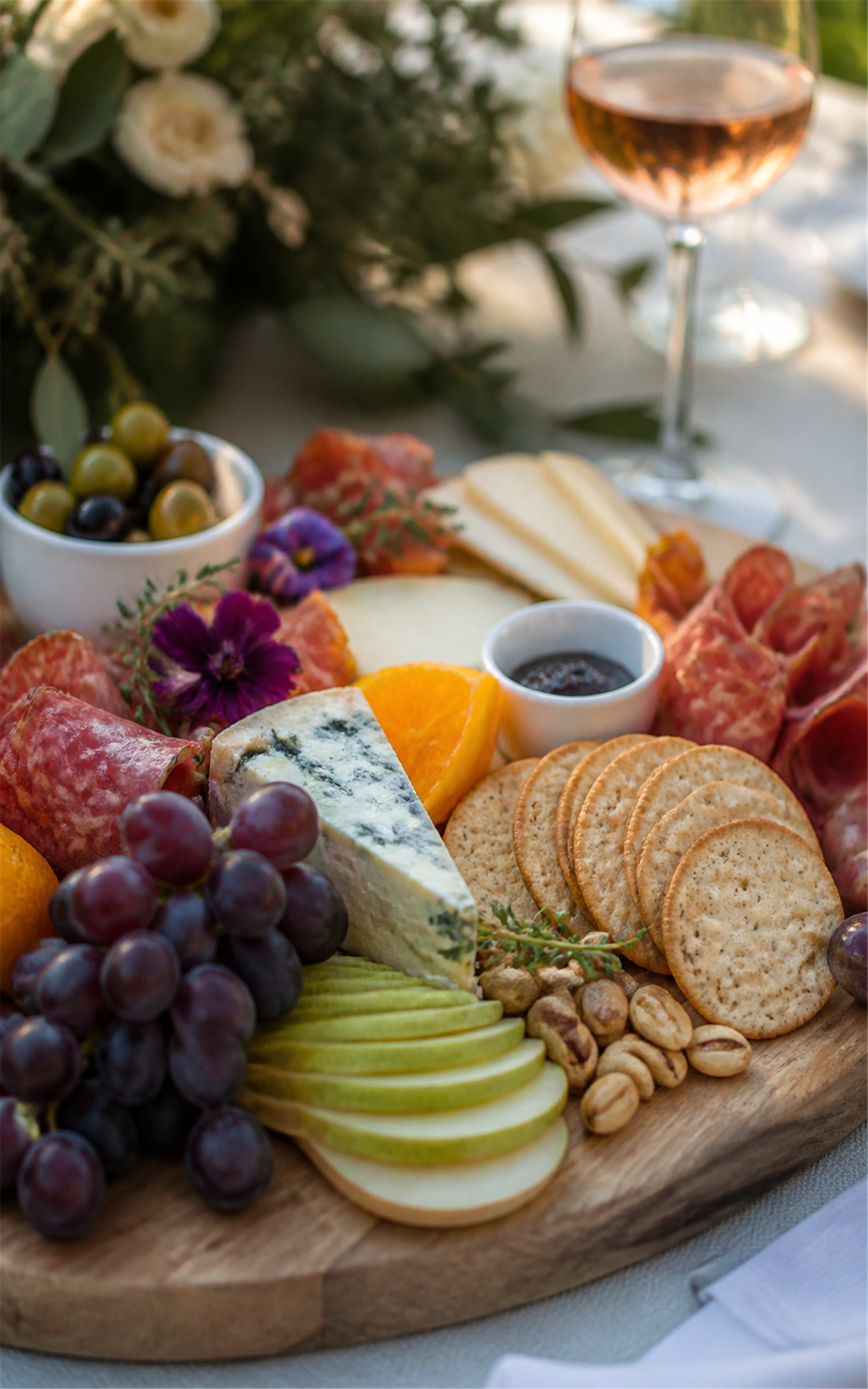
Adjacent experience businesses show how package clarity and event workflow sustain revenue. The charcuterie business guide covers board styling and event delivery habits; the backyard movie business guide addresses outdoor event setup and client coordination; the balloon decorating business guide emphasizes themed installs and teardown discipline; and the catering business guide explains food service planning when picnics include coordinated menus. Luxury picnics often sit at the intersection of decor, location, and food presentation—knowing what you provide versus coordinate is part of the model.
Practical takeaway: Write one paragraph describing your ideal first client and the experience type you want most—intimate proposals, group brunches, or branded content setups. List three questions they will ask before booking—and make sure your future intake process answers them.
Before you publish prices, decide what each package includes, what triggers add-ons, and how themes stay repeatable—not one-off Pinterest experiments that erase margins on every booking.
Each tier should list specific inclusions, guest limits, and customization boundaries:
Two-guest floor or low-table seating, themed linens and florals, place settings, ambient decor, setup and teardown within a defined window. Food may be client-supplied, coordinated add-on, or excluded with clear language.
Four-to-eight guest seating, elevated table styling, themed props, extended setup for group photos. Guest count tiers priced separately so scaling decor and inventory is predictable.
Reusable prop sets—autumn harvest, garden party, boho sunset—documented with photos so clients know exactly which palette and props arrive. Limits custom requests that require new inventory purchases.
Photographer coordination, catering pass-through, extra hour on site, premium florals, and custom signage listed separately. Name what you do not provide—full meal prep, venue rental fees, or permit filing unless offered as a defined service.
Strong themes reuse inventory across bookings:
Experience businesses that package carefully before quoting—like those in the charcuterie business guide—reduce event-day disputes because clients understand inclusions before deposits are collected. Luxury picnics follow the same rule: a named package prevents arguments about whether florals, tableware, or teardown were included.
Practical takeaway: Draft three named packages with written inclusions, guest limits, and one photographed mock setup per theme. Read each package aloud—if a client would still ask "does that include food?", add clearer language before publishing prices.
The prettiest setup fails if parking is impossible, permits are missing, or the site closes at sunset. Location planning is as much a business skill as styling talent.
Often require reservations or permits for grouped setups, amplified music, or commercial photography. Confirm rules on stakes, open flames, alcohol, and cleanup before promising a site to clients.
May offer controlled access and weather backup options but add rental fees and coordinator approvals. Document who pays venue fees and who communicates with the property manager.
Wind, sand, and tide timing affect decor stability and teardown urgency. Scout wind exposure and carry anchoring solutions appropriate to your props—not every theme works on open water edges.
Client homes, hotel suites, or studio rentals provide weather alternatives. Maintain a shortlist with access notes and setup constraints for each backup tier in your policy.
Clarify whether the client secures permits and venue fees or you offer location coordination as a defined add-on. Ambiguity here causes last-minute cancellations when a park ranger or building manager shuts down an unauthorized setup.
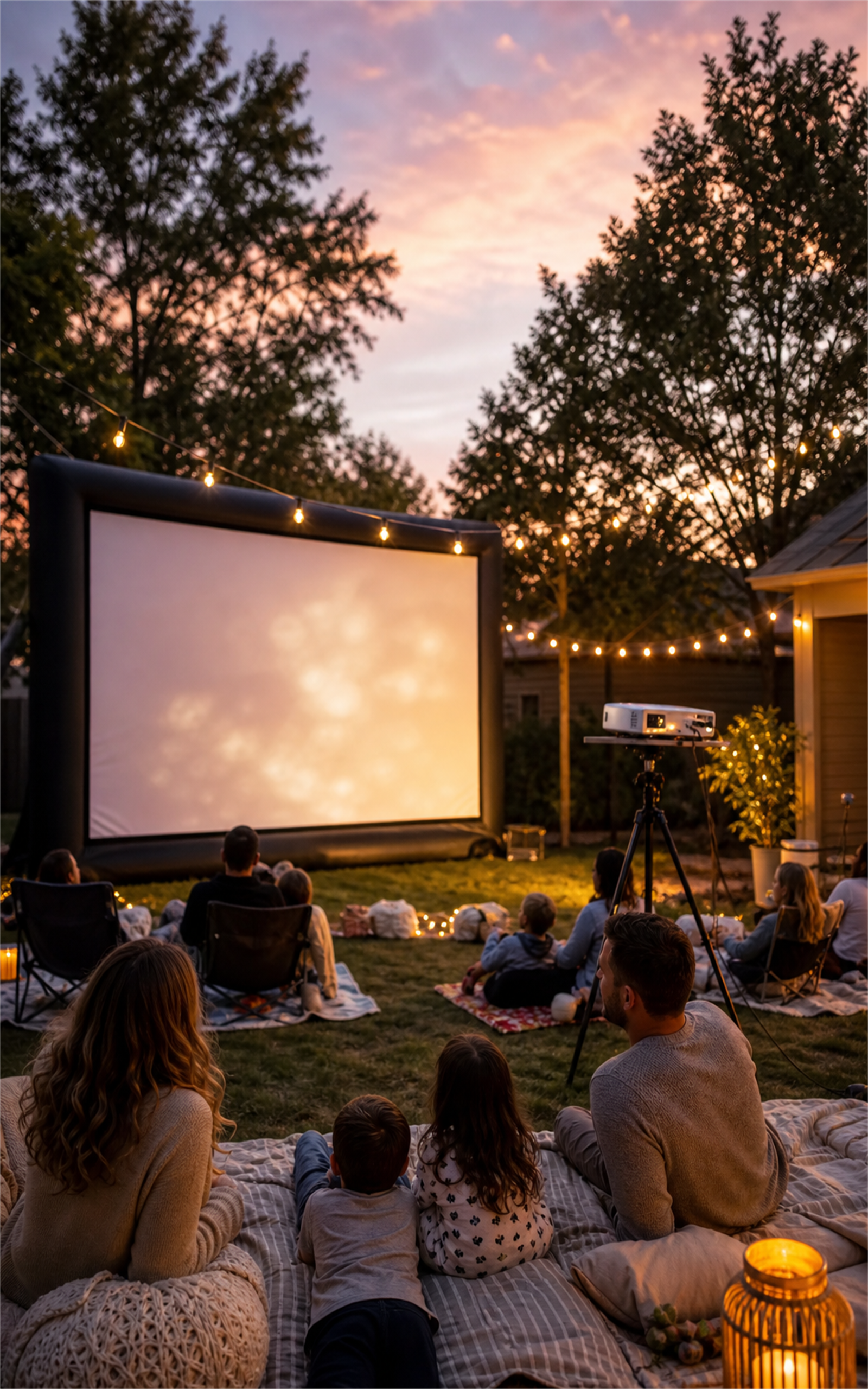
Outdoor event businesses with similar site challenges—such as those in the backyard movie business guide—show how advance scouting and written client responsibilities prevent event-day failures. Luxury picnics depend on the same preparation: visit the site or confirm rules before you hold the calendar date.
Practical takeaway: Scout three locations matched to your launch packages and complete a one-page site note for each—access, rules, photos, and backup options. Do not add a new venue to your menu until it passes the same checklist.
Event day exposes weak logistics fast. A luxury picnic business runs on timed setup sequences, teardown discipline, and weather decisions made before clients arrive—not improvisation when clouds roll in.
Publish a written weather policy covering:
Clients who understand weather rules before paying a deposit argue less when rain appears. Operators who improvise policy on event morning lose reviews and forfeit margins on rushed indoor pivots.
Decor-heavy event services with strong teardown routines—like those in the balloon decorating business guide—reduce callback friction because sites are left clean and clients know exactly when you depart. Picnic workflow follows the same standard: the experience includes invisible logistics clients never have to think about.
Practical takeaway: Run one full mock event through load-in, setup, teardown, and cleaning—timed with a stopwatch. Compare elapsed time to your package pricing assumptions and adjust setup fees or staffing before accepting paid bookings.
Clients buy curated experiences—not hourly decor rental with hidden cleaning surcharges. Deposits, inventory staging, and pricing should reflect the full cost of delivering the documented package, not a rate copied from an influencer post in another city.
Deposits protect inventory hold time and lost slots when clients ghost after you declined other bookings. Written policies belong in intake forms and confirmation emails—not verbal assurances after a dispute starts.
Track inventory quantities so double-bookings do not leave you short. Add themed props only when repeated inquiries justify purchase, storage, and maintenance—not because one client requested a unique aesthetic you cannot reuse.
Package pricing should cover the full experience window—not only visible decor minutes. A two-hour client experience may require five hours of labor when load-in, styling, teardown, and laundry are counted honestly.
Practical takeaway: Build a pricing spreadsheet for your three launch packages including setup, teardown, cleaning, travel, and inventory reserve. Collect deposits on your first bookings only after cancellation and weather policies are written and attached to confirmations.
Visual trust drives hiring decisions in experience businesses. Clients choose curators whose portfolio matches delivery, who respond with clear package answers, and who confirm details before event day—not whoever posts the lowest ambiguous price.
Avoid advertising packages you cannot deliver on schedule. Styled photos, named tiers, and written policies demonstrate professionalism better than discount codes alone.
Food-forward experience businesses with similar launch patterns—such as those in the catering business guide—show how vendor partnerships and portfolio clarity sustain event revenue. The operational pattern translates: clients hire curators they believe will show up, match the photos, and handle logistics without stress on celebration day.
Practical takeaway: Land your first three bookings through direct outreach to photographers or planners who serve your target client—before running paid ads. Document every intake question they raise and refine your confirmation templates after each conversation.
Growth means adding bookings and themes only when setup speed, inventory tracking, and weather handling stay consistent—not accepting every custom request because your calendar has gaps.
A sensible progression:
Adding helpers introduces quality control. Document setup standards with photo examples, conduct joint events on early bookings together, and review labor estimate variance monthly. One assistant who skips teardown checks or damages a venue relationship can cost the reviews that took seasons to build.
Track metrics that matter: setup time versus estimate, inventory damage rate, rebooking rate, referral source, and events completed per month at your agreed standard—not vanity metrics like total followers alone.
Practical takeaway: After your first ten completed events, identify your slowest setup step and your strongest referral source. Fix the workflow or inventory issue before adding a new theme or second setup team.
Use this four-week outline to move from interest to a controlled first booking. Each week builds on the last for a luxury picnic business launch.
Confirm these essentials before you hold a date or load inventory for your first paid luxury picnic event.
A luxury picnic business is a professional experience service that designs, sets up, and often stages styled outdoor or indoor picnics for proposals, celebrations, and gatherings—not simply spreading a blanket in a park. Success depends on curated packages, location planning, setup and teardown workflow, inventory management, and communication that sets accurate expectations before event day.
Packages should list specific inclusions: seating style, tableware, linens, decor theme, food coordination level, setup duration, guest count limits, and teardown responsibility. Named tiers help clients compare offers without guessing what arrives on site.
Evaluate access, parking, permit requirements, noise rules, time restrictions, and weather exposure for each site. Confirm whether the client or your business holds required reservations or permissions. Scout locations in advance and maintain a shortlist matched to package types.
Define a written weather policy before booking: backup indoor locations, rescheduling windows, deposit handling, and who decides when conditions are unsafe. Communicate the policy at inquiry and in contracts so clients understand options before rain appears in the forecast.
Deposits protect inventory hold time, prep labor, and lost calendar slots when clients cancel late. State deposit amounts, due dates, refund rules, and what triggers forfeiture in writing. Many experience businesses collect a deposit at booking with the balance due before event day.
Core inventory includes low picnic tables or floor seating setups, linens, cushions, tableware, decor props by theme, transport bins, and cleaning supplies. Stage inventory by package tier and track quantities so double-bookings do not leave you short on event day.
Build pricing from setup and teardown labor, travel, inventory depreciation, cleaning time, food coordination costs, location fees if applicable, overhead, and desired margin. Package pricing should reflect the full experience with minimum guest counts and add-ons listed separately.
Start with a defined client profile and one or two launch packages. Reach local buyers through Instagram portfolio content, vendor partnerships with photographers and planners, and referrals from adjacent experience businesses. Professional intake forms and styled photos convert interest faster than vague pricing alone.
This luxury picnic business example was developed using eBook Business Builder—the workflow used to structure the guide, free lead magnet, offer assets, email series, and marketing content you see in the EBB Showroom below.
If you want to create your own eBook business around a topic you know, EBB walks you through research, writing, assets, and launch in a repeatable system. See how business assets fit together and launch marketing for your eBook business to understand the full EBB build model.
Start Building with eBook Business Builder →The flagship guide explains how to start a luxury picnic service—experience packages, location planning, setup workflow, deposits, inventory, and client communication—in a structured eBook format.
Chapters walk readers through evaluating the opportunity, designing themed packages, choosing locations and permissions, running setup and teardown with weather policies, pricing from real costs, winning first clients, and growing operations without sacrificing delivery quality.
First Experiences & Theme Setup — a lead magnet that helps readers evaluate whether luxury picnic curation fits their skills and identify sensible first steps before accepting bookings.
Many curators accept picnic bookings without package boundaries, location scouting, or inventory planning that protects margins and client expectations.
Foundational first steps, common early mistakes to avoid, and a simple action plan readers can use before committing to event bookings or service launches.
Styles gatherings for friends but unsure how to define packages and run a luxury picnic business professionally.
Prepared with the fundamentals needed to design themes, scout locations, stage inventory, and deliver scoped experiences on schedule.
Luxury Picnic Startup Program
A practical flagship guide for readers ready to move from interest to action—with clear first steps and professional curation habits for dependable luxury picnic experiences.
Tools & References