Find the Opportunity
Understand who buys handmade dolls and why character clarity wins trust.
A practical starting point for makers who want to launch a handmade doll business with clearer character lines, construction workflow basics, and repeatable production habits.
This page walks you through how to start a handmade doll business as a professional maker operation—not just sewing dolls for friends without product clarity. You will learn who buys handmade dolls, how to design character lines and product range, how to investigate materials and children's product safety rules, how to build a construction workflow, how to photograph dolls and choose sales channels, how to price from real production costs, and how to scale without sacrificing quality.
Understand who buys handmade dolls and why character clarity wins trust.
Design product families with shared visual DNA and defined variants.
Investigate components and children's product rules before you sell.
Document stages from pattern prep through quality check and packaging.
Create listings and choose channels matched to your capacity.
Quote doll prices from measured labor and materials—not guesswork.
Grow production only when workflow and quality checks hold steady.
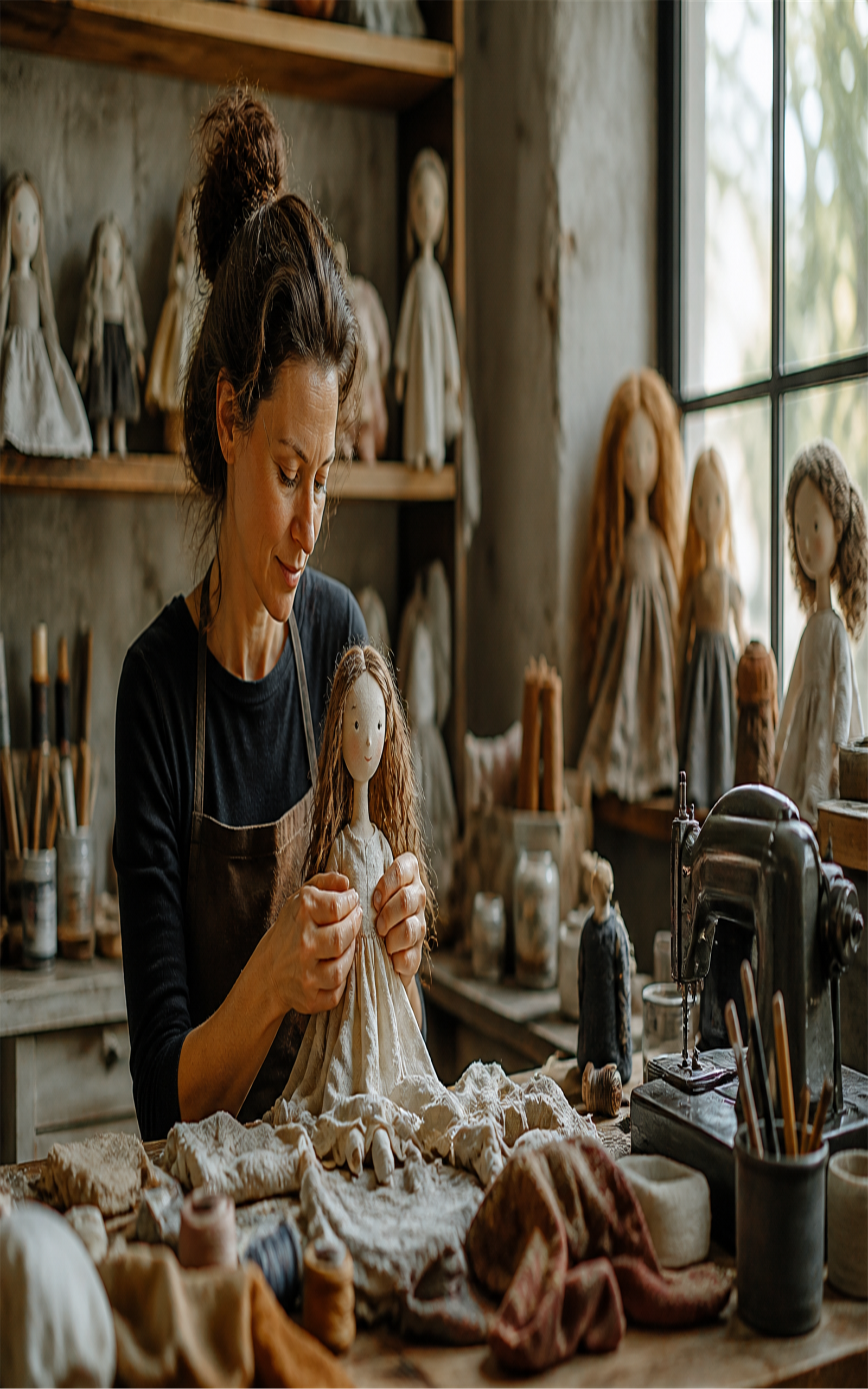
A handmade doll business sells designed character lines through documented construction, materials standards, and defined sales channels—not one-off commissions without product identity or compliance investigation. You decide which dolls belong in your range, how they are built, what materials they use, how they are photographed and listed, and what buyers can expect when they order.
That distinction matters. Sewing beautiful dolls is not the same as running a handmade doll business. Many skilled makers accept custom requests without character focus, materials documentation, or investigation of children's product safety rules where dolls are intended for play. Collectors and gift buyers continue to pay for handmade dolls when character design feels cohesive, construction quality is visible in photos, and the maker communicates age suitability and materials honestly—but only when the product story is clear before checkout.
This guide walks you through how to start a handmade doll business with professional habits: finding your opportunity, designing character lines and product range, investigating materials and compliance, building your construction workflow, creating photography and sales channel presence, pricing from real production costs, and scaling the brand with operational discipline. By the end, you should understand what the business is, what you need to prepare, and what to verify before listing your first doll for sale.
Buyers choose handmade dolls when character, craftsmanship, and trust align. Your first step is understanding who you serve and what they expect from a defined product line—not assuming sewing skill alone creates demand.
Handmade doll businesses succeed when buyers understand what they receive before ordering: character identity, size and scale, materials, age suitability, lead time, customization limits, and how the doll differs from mass-produced alternatives. Collectors and parents are not simply purchasing fabric and stuffing—they are purchasing a recognizable maker identity and confidence that the finished doll matches the photos and description.
Different buyers bring different expectations, price sensitivity, and repeat potential. Choose one primary profile for launch:
Often seek art dolls, limited editions, and character consistency across releases. They compare on aesthetic cohesion, finishing detail, and maker reputation—not always on the lowest price.
Need clear age suitability, durable construction, washable or child-safe materials where play is intended, and honest listing language. Trust and safety investigation matter as much as charm.
Shop for birthdays, holidays, and nursery gifts on predictable calendars. Limited seasonal character variants and dependable lead times support repeat annual demand.
Observe your market: which makers already serve your target buyer well, and where do buyers still express frustration—vague customization scope, inconsistent faces across orders, unclear age grading, or shipping delays? Your opportunity often sits in product clarity and dependable delivery as much as in sewing talent.
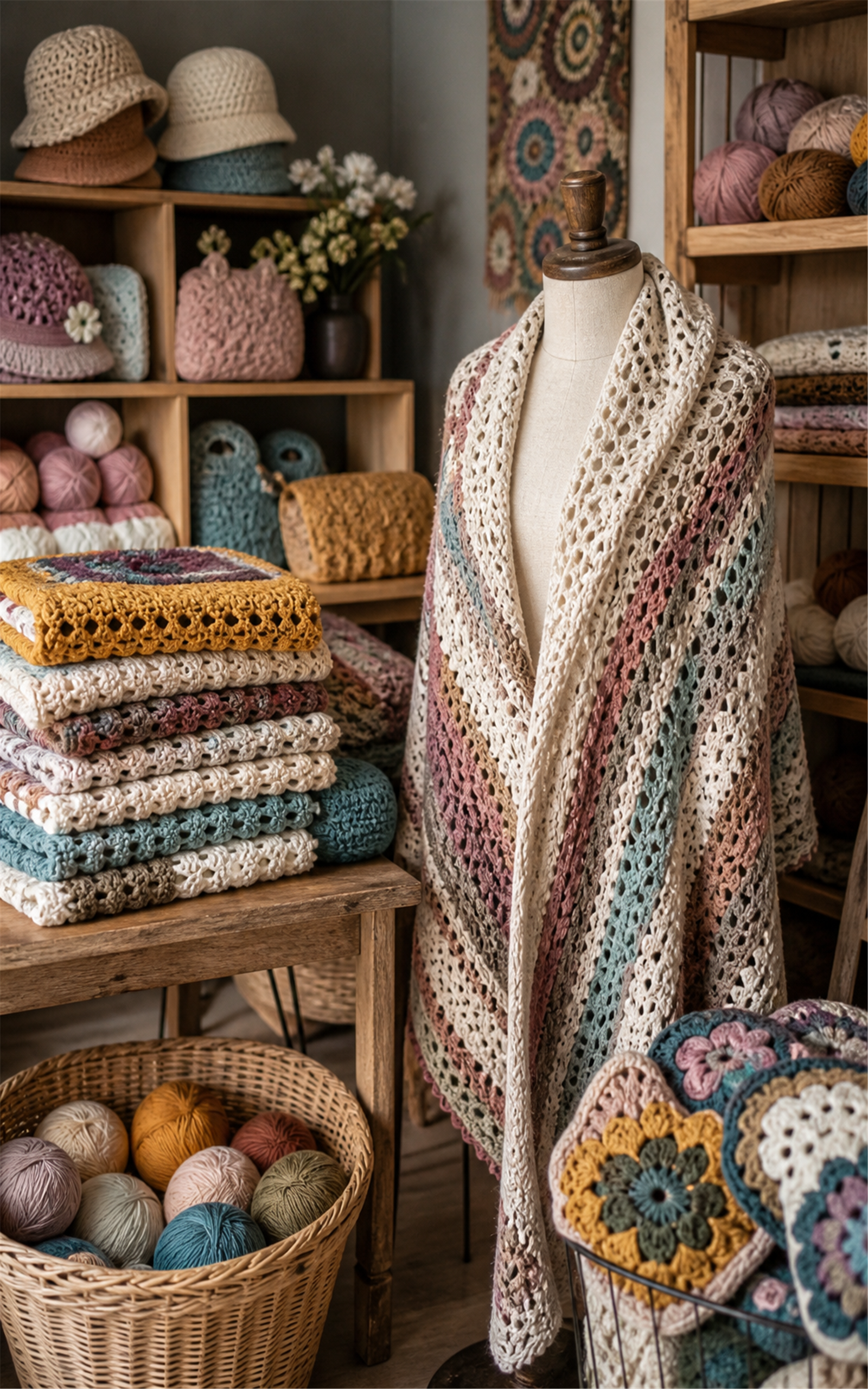
Maker businesses with similar product-line discipline—such as those in the crochet business guide—show how focused ranges and repeatable production sustain handmade revenue. Doll work adds character design, materials investigation, and age-grading decisions on top of those patterns.
Practical takeaway: Write one paragraph describing your ideal first buyer and the doll type you want to sell most—a core character doll, a play doll for children, or a limited art-doll release. List three questions they will ask before ordering—and make sure your future listings answer them.
Before you accept orders, decide how your dolls relate to one another as a product family. Buyers need a recognizable line—not an endless menu of unrelated custom requests.
Each character line should share visual DNA while allowing sensible variation:
Your signature scale, face shape, eye style, and proportions—the doll you want buyers to associate with your brand first.
Siblings, animal friends, or seasonal figures that reuse body patterns and construction steps while changing hair, outfit, or palette.
Small-batch colorways, holiday outfits, or numbered editions that create urgency without redesigning the entire doll from scratch.
Hair color, outfit fabric, or name embroidery offered only within defined limits so production stays repeatable.
Each addition to your range changes material inventory, construction time, photography needs, and listing complexity:
Each model changes your capacity, pricing, and growth path:
Businesses that pair physical products with digital assets—like those described in the digital product business guide—can extend a doll character line into patterns, printables, or care guides once the core design is proven.
Practical takeaway: Sketch one character family on a single page: core doll, two companion variants, and one limited edition. Note which construction steps repeat across all four—and drop any variant that requires a entirely new workflow before launch.
Materials choices and age grading are business decisions—not afterthoughts. If your dolls may be children's products, investigate applicable rules before you sell rather than assuming hobby status protects you.
Build a materials log for each character line:
When buyers ask what a doll is made from, you should answer from records—not memory. Supplier changes can affect safety investigation conclusions, so note when you switch sources.
In the United States, dolls designed or intended primarily for children 12 years of age or younger may be subject to federal children's product safety requirements. Collectible art dolls clearly intended for adult display may follow a different product classification—but that determination depends on design, marketing, size, themes, and age-grading factors, not on what you wish were true.
Use a structured investigation framework rather than guessing:
The CPSC children's products business guidance and small batch manufacturer resources explain how to investigate requirements—they do not replace case-by-case determination for your specific dolls. If you sell play dolls for young children, treat compliance investigation as a launch prerequisite, not a future task.
Construction choices made early are harder to change later:
Practical takeaway: Create a materials and components sheet for your launch doll. Write whether it is intended for children 12 and under or for adult collectors—and list the CPSC guidance pages you still need to review before your first sale in that category.
A handmade doll business depends on repeatable production. Documented construction stages turn individual craft sessions into a system you can scale, quote, and quality-check.
Break each doll into timed production stages:
Time each stage on your first three production dolls. Most makers underestimate face finishing and hair—not body sewing—when quoting lead times.
Professional workflow depends on consistent setup:
Batching saves time when stages align—cut six bodies at once, stuff four torsos in one session—but face finishing often needs individual attention. Schedule batches around shared steps while protecting the character details buyers recognize.
Track defects by stage: crooked faces, weak limb joints, uneven stuffing, and loose embellishments each point to a workflow fix, not just a one-time mistake. After ten dolls, review which stage caused the most rework and adjust sequence or standards before increasing order volume.
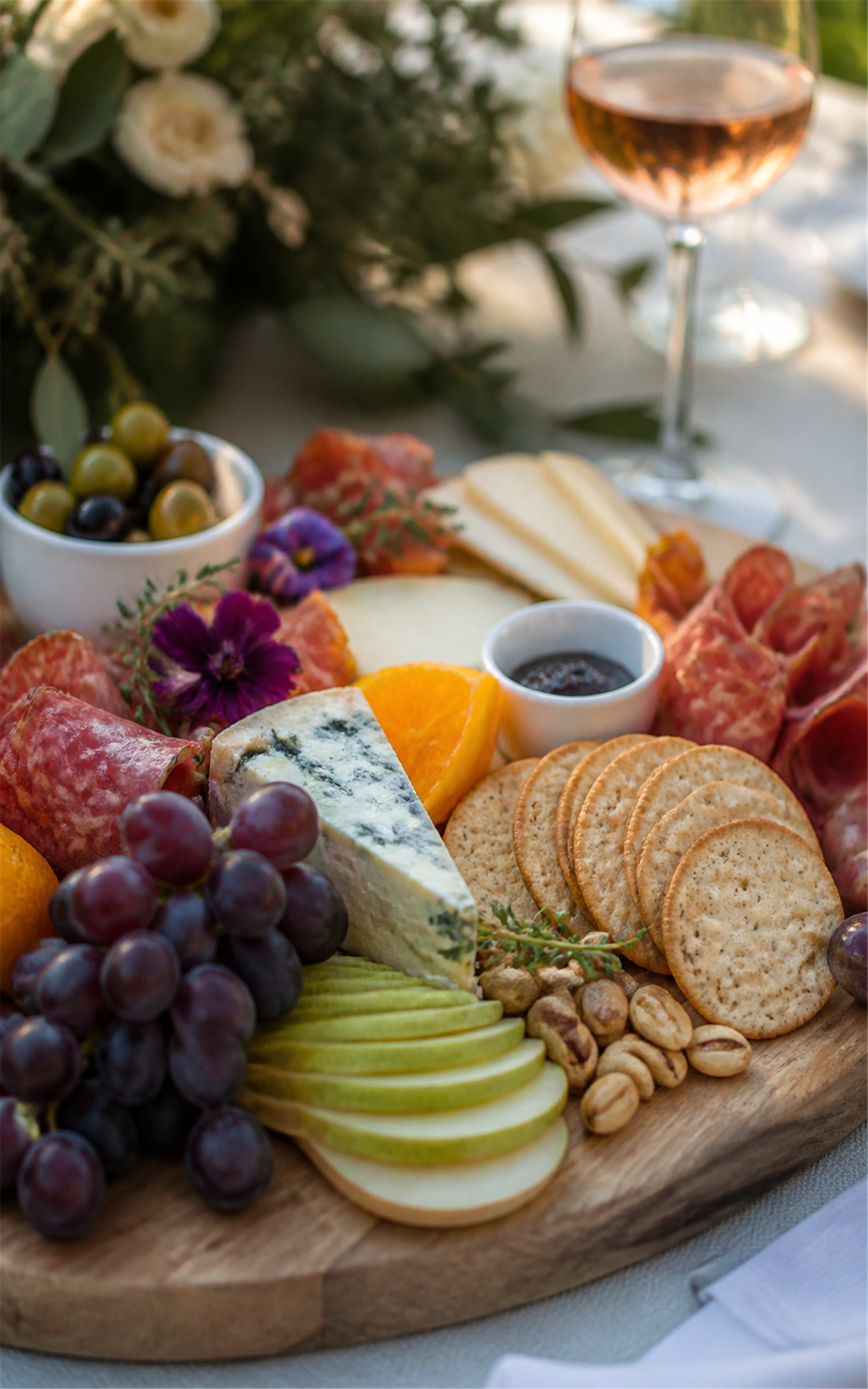
Makers who treat production like a system—similar to the batch discipline in the charcuterie business guide—reduce waste and delivery surprises. Doll construction follows the same principle: documented steps beat improvisation when orders stack up.
Practical takeaway: Build a one-page workflow sheet with eight stages and blank time fields. Complete it for one launch doll from cut to pack—then use those hours to set your first realistic lead-time promise.
Buyers cannot hold your doll before purchase. Photography, listing copy, and channel choice do the selling—especially when character quality is hard to convey in a single thumbnail.
Plan a repeatable photo set for each character line:
Use natural light or a simple softbox setup; avoid heavy filters that change fabric color. Buyers return dolls when listing photos misrepresent skin tone, size, or finishing quality.
Every listing should state:
Built-in discovery for handmade buyers; requires strong photos, SEO titles, and review management. Good first channel for solo makers with limited inventory.
Full control over brand story and email capture; best once photography and fulfillment routines are proven and you can drive traffic from social or search.
Discovery engines for visual products; link to shop listings or waitlists. Post character lore, work-in-progress stages, and release announcements consistently.
In-person trust-building and immediate feedback; test pricing and character appeal before scaling online ads. Requires portable display and inventory planning.
Avoid opening every channel at once. Launch where your primary buyer already shops, master photography and fulfillment there, then expand. Discount-heavy marketing without production discipline creates backlogs that damage reviews.
Practical takeaway: Shoot five photos for your launch doll using the hero, scale, detail, context, and variant list above. Draft listing copy that states age suitability and lead time before publishing anywhere.
Handmade dolls take hours buyers rarely see. Pricing should reflect measured construction time, materials, and channel costs—not a guess based on what similar listings appear to charge.
Include every category that applies to your dolls:
Track actual hours on early dolls against your estimate. Face finishing, hair, and rework often explain the gap between intended hourly wage and what you actually earn per sale.
Separate pricing tiers clearly:
Buyers accept higher prices when listings show construction quality and list inclusions explicitly. Underpricing creates backlogs that force rushed finishing—the opposite of the trust handmade dolls require.
State deposit requirements for made-to-order work, revision limits, cancellation terms, and shipping timelines in writing. Doll labor is sequential—you cannot swap in a faster job when custom embroidery runs long.
Compare projected costs to actuals after each of your first ten sales. Adjust stage time assumptions and add-on fees before increasing marketing spend.
Practical takeaway: Build a pricing spreadsheet with material line items, hourly stages, fees, and margin. Price one launch doll completely, then compare your calculated minimum to the price you hoped to charge—adjust the price or the design before listing.
Growth means adding dolls, channels, and help only when construction quality, materials documentation, and fulfillment stay consistent—not accepting every custom request that stretches your workflow thin.
A sensible progression:
Adding help introduces consistency risk. Document face-spacing references, stuffing density, and finishing standards with photos before anyone else touches production. Review finished dolls from new helpers against your quality checklist on early batches.
Track metrics that matter: hours per doll by stage, rework rate, average lead time, review themes, repeat buyer rate, and revenue per character line—not vanity metrics like total followers alone. Fix workflow bottlenecks before chasing viral posts.
Brand growth for handmade dolls comes from recognizable characters, dependable delivery, and honest materials communication—not from constantly redesigning your product to match every trend. Collectors return when each release feels like yours.
Practical takeaway: After your first ten sold dolls, identify your slowest construction stage and your strongest sales source. Fix the bottleneck and double down on the channel that already converts before launching a new character line.
Use this four-week outline to move from doll-making interest to a controlled first listing. Each week builds on the last for a handmade doll business launch.
Confirm these essentials before you list a doll or accept a paid order.
A handmade doll business is a maker operation that designs character lines, sources materials responsibly, builds dolls through repeatable construction workflows, and sells through defined channels—not simply sewing dolls for friends without product clarity or compliance investigation. Success depends on cohesive character design, materials documentation, safety investigation for children's products where applicable, consistent construction, and listings that communicate what buyers receive.
Occasional custom work relies on one-off requests and informal pricing. A handmade doll business defines character lines, standard sizes and features, production capacity, materials standards, order intake, and sales channels. This guide addresses product range design, CPSC investigation for children's dolls, construction workflow, photography, channel selection, and pricing—not hobby commissions without business structure.
Dolls designed or intended primarily for children 12 years of age or younger may be subject to federal children's product safety rules in the United States, including requirements that vary by product type, materials, and age grading. Requirements differ for collectibles intended for adults versus play dolls for children. Investigate whether your specific dolls qualify as children's products and which CPSC rules may apply before selling—do not assume hobby exemptions or invent certification status.
Start with a small character family sharing visual DNA—face proportions, eye style, hair treatment, and scale—rather than unrelated one-off designs. Define core dolls, limited variants, and optional custom add-ons separately. Character lines help buyers recognize your brand, simplify material sourcing, and make construction steps repeatable across each release.
Document fabric content, stuffing, thread, paints, adhesives, eyes, and small attached parts. For dolls intended for young children, investigate choking hazards, flammability, lead and phthalate limits where applicable, and washability expectations. Keep supplier records, batch notes, and safety investigation notes—especially if CPSC children's product rules may apply to your product line.
Break production into documented stages: pattern prep, cutting, assembly, stuffing, face finishing, hair, clothing, quality check, and packaging. Time each stage on early dolls and note where defects appear. A repeatable workflow protects consistency when demand grows and helps you quote lead times accurately.
Choose channels that match your buyer and production capacity: Etsy or your own shop for direct sales, Instagram or Pinterest for discovery, craft fairs for in-person trust-building, and wholesale or boutique consignment only after core production is stable. Each channel needs photography, listing copy, and fulfillment habits matched to order volume.
Build pricing from measured production costs: materials, consumables, labor hours by construction stage, packaging, shipping supplies, platform fees, overhead, and margin. Track actual time on early dolls and adjust prices using your numbers—not unverified rates from another maker's market.
This handmade doll business example was developed using eBook Business Builder—the workflow used to structure the guide, free lead magnet, offer assets, email series, and marketing content you see in the EBB Showroom below.
If you want to create your own eBook business around a topic you know, EBB walks you through research, writing, assets, and launch in a repeatable system. See how business assets fit together and launch marketing for your eBook business to understand the full EBB build model.
Start Building with eBook Business Builder →The flagship guide explains how to start a handmade doll business—character lines, materials and safety investigation, construction workflow, photography, sales channels, pricing, and brand growth—in a structured eBook format.
Chapters walk readers through evaluating the opportunity, designing character lines and product range, investigating materials and CPSC compliance, building construction workflow, creating photography and listings, pricing from real production costs, and scaling without sacrificing quality.
First Dolls & Character Lines — a lead magnet that helps readers evaluate whether handmade doll work fits their skills and identify sensible first steps before listing dolls for sale.
Many makers sew beautiful dolls but lack character focus, materials documentation, and listing clarity that protects margins and buyer trust.
How to sketch a first character family, choose a launch doll, and outline the investigation steps readers should complete before accepting paid orders.
Makes dolls informally but unsure how to define a product line and run a handmade doll business professionally.
Prepared with the fundamentals needed to design character lines, investigate materials, and deliver dolls that match listing promises.
Handmade Doll Startup Program
A practical flagship guide for readers ready to move from interest to action—with clear first steps and professional maker habits for dependable handmade doll production and sales.
Tools & References