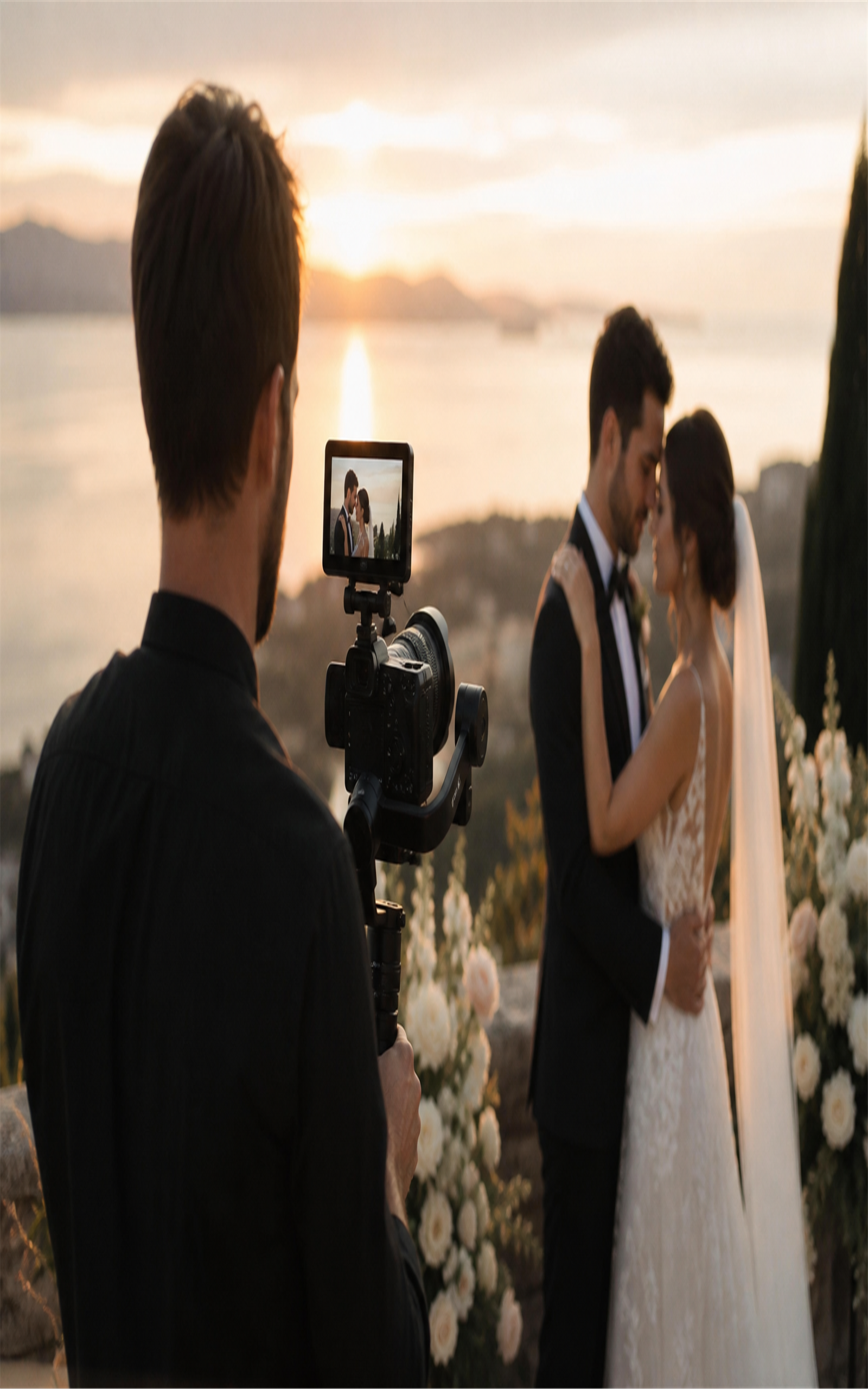
Find the Opportunity
Understand who hires event photographers and why coverage clarity wins bookings.
A practical starting point for photographers who want to launch an event photography service with clearer coverage packages, client intake, and delivery workflow basics.
This page walks you through how to start an event photography business as a professional coverage service—not just shooting parties without package clarity. You will learn who hires event photographers, how to define coverage hours and deliverables, how to investigate licensing and business setup, how to build shooting and editing workflow matched to your packages, how to price from real production costs, how clients find you, and how to deliver edited galleries on schedule hosts and organizers trust.

Understand who hires event photographers and why coverage clarity wins bookings.
Decide hours, shot priorities, deliverables, and usage rights on every estimate.
Investigate local rules and insurance before marketing paid coverage.
Build gear kits and repeatable production routines for event days.
Quote coverage from measured shoot, edit, and delivery time.
Reach hosts and organizers with a controlled launch.
Improve delivery accuracy and add capacity only when workflows hold.
An event photography business sells defined coverage packages to hosts and organizers under written deliverable terms—not open-ended shooting wherever a client points without hour limits or delivery windows. You screen inquiries, confirm coverage scope before quoting, shoot within agreed priorities on event day, edit to package standards, and deliver galleries clients can sign off on. Buyers pay for clarity about coverage hours, must-have moments, image counts, turnaround time, and usage rights—not just a photographer who shows up with a camera.
That distinction matters. Shooting well at a birthday party is not the same as running an event photography business. Many capable photographers accept gigs without coverage boundaries, underprice editing time, or blur the line between event stills and wedding videography or event planning coordination they are not equipped to deliver. Corporate functions, galas, fundraisers, and community celebrations continue to hire event photographers when coverage feels professional and delivery is predictable—but only when organizers believe the operator will capture agreed priorities and return edited images on schedule.
This guide walks you through how to start an event photography business with professional habits: finding your opportunity, defining coverage packages, investigating licensing and business setup, building shoot and delivery workflow, pricing from real production costs, winning first clients, and growing with the operational discipline that defines a credible local coverage service. By the end, you should understand what the business is, what you need to prepare, and what to verify locally before accepting your first booking.
Corporate hosts, nonprofits, and celebration planners hire event photographers when they need dependable still coverage—not cinematic storytelling or vendor coordination. Your first step is understanding who you serve and what they expect from defined coverage packages.
Event photography businesses succeed when clients understand the job before the event: coverage hours, must-have shot list, second-shooter needs, delivery timeline, and usage rights. Buyers are not simply purchasing hours behind a camera—they are purchasing confidence that agreed moments will be captured and edited images will arrive when promised.
Different clients bring different expectations, decision speed, and repeat potential. Choose one primary profile for launch:
Often need branded coverage for conferences, galas, and fundraisers with fast turnaround for press and social use. They compare on reliability, shot-list discipline, and delivery windows—not always on the lowest hourly rate alone.
Birthdays, anniversaries, and milestone parties need candid and group coverage within defined hours. Hosts value clear package limits so coverage does not quietly extend into unpaid overtime.
Need organized coverage with consent awareness, crowd-friendly positioning, and galleries sized for parent or member sharing. Predictable pricing by event length supports repeat seasonal bookings.
Observe your local market: who do existing event photographers serve well, and where do clients still express frustration—vague deliverables, late galleries, or operators who confuse still coverage with wedding videography or planning services? Your opportunity often sits in operational clarity as much as in shooting ability. The photography business guide covers broader client photography packages; this guide focuses on event-day coverage and delivery—not portrait sessions or long-form video production.
Practical takeaway: Write one paragraph describing your ideal first client and the event type you want most—corporate receptions, private parties, or community functions. List three questions they will ask before hiring—and make sure your future intake process answers them.
Before you quote event photography, decide coverage hours, shot priorities, deliverable counts, turnaround windows, and usage rights—and document all of them on every estimate. Clients need packages they can compare—not open-ended event hours that expand whenever someone adds a VIP reception.
Defined coverage hours, one photographer, candid and group shots, venue details, and a set number of edited images delivered within an agreed window—such as five to seven business days.
Extended hours, second photographer for large venues, prioritized shot list for speakers or awards, and faster turnaround priced as a defined upgrade—not an implied promise.
Shorter celebrations with capped hours and reduced deliverable counts. Best when hosts need professional coverage without full-day pricing.
Same-day wedding videography, full event planning coordination, and heavy video editing projects belong outside standard event photography scope unless you hold separate production workflows for them.
Event photography centers on still coverage and edited gallery delivery during or after a defined event window. Wedding videography sells cinematic timelines, audio capture, and long-form editing—not the same production model. Event planning sells vendor coordination, budgets, and day-of logistics—not camera coverage. Keep your menu aligned to coverage and delivery; refer planning or video work to specialists built for those roles.
Practical takeaway: Draft a one-page coverage menu with at least three packages and five items you refer out. Read it aloud—if a host would still ask "does that include video?", add clearer language before publishing prices.
Event photography regulations and venue rules vary widely. Some venues require insurance certificates; some municipalities require business licenses for commercial photography. Verify locally before marketing paid coverage.
Written contracts should name coverage hours, deliverable counts, turnaround time, cancellation terms, image usage rights, and what happens when events run long or venues restrict access. Separate commercial usage from personal gallery sharing when pricing enterprise clients.
The SBA guide to launching a business helps with general registration steps, but it does not replace venue-specific rules or local licensing offices. Start research early—some insurance certificates take days to issue.
Practical takeaway: Complete your licensing checklist with dated notes from official sources. Do not publish prices or accept deposits until liability coverage and required registrations are confirmed.
An event photography business runs on gear matched to venue conditions and a workflow that turns coverage hours into edited galleries without missed steps. Improvised culling routines and undefined edit standards erode margins faster than any competitor's lower rate.
Define consistent color, cropping, and retouching limits per package. Rush delivery and extra retouching should be priced add-ons—not silent obligations. If clients need highlight reels, refer to video editing specialists rather than stretching a still-coverage package into hybrid production without scope changes.
Practical takeaway: Run one practice event—or a controlled test shoot—through your full workflow checklist. Note any editing bottleneck or missing gear before your next quote.
Clients buy scoped coverage and dependable delivery—not vague hourly guesses that ignore culling and editing time. Pricing should reflect the full cost of the documented package, not a rate copied from another market.
Package pricing works when coverage hours and deliverable counts are documented. Define overtime rates when events run long and what triggers a scope change—such as adding a second room or extra hour of VIP coverage.
Track actual editing hours against every early job. Adjust package assumptions based on real results. The photography business guide emphasizes the same discipline: accurate quotes come from documented production costs, not competitor guessing.
Practical takeaway: Build a pricing spreadsheet with coverage hours, edit time per image, travel, and overhead. Complete it for your next three estimates, then compare projected costs to actuals after each gallery delivers.
Trust drives hiring decisions in event photography. Hosts choose operators who communicate clearly, respect coverage boundaries, and deliver galleries when promised.
Practical takeaway: Land your first three bookings through direct outreach to hosts or coordinators who match your target profile—before spending on ads. Document every scope question they raise and refine your templates after each conversation.
Growth means adding bookings and capacity only when coverage accuracy, edit workflow, and delivery communication stay consistent.
A sensible progression:
Track metrics that matter: estimate-to-actual edit hours, on-time delivery rate, repeat organizer bookings, referral source, and events completed per month at your agreed standard—not vanity metrics like total social followers.
Practical takeaway: After your first ten completed events, identify your most common scope miss and your strongest referral source. Fix the intake or edit workflow issue before expanding marketing.
Use this four-week outline to move from interest to a controlled first booking. Each week builds on the last for an event photography business launch.
Confirm these essentials before you accept a booking or load gear for your first paid event coverage.
An event photography business is a professional coverage service that sells defined packages—coverage hours, shot priorities, edited deliverables, and turnaround windows—to hosts and organizers. Success depends on package clarity, dependable shooting on event day, and galleries delivered on schedule.
Event photography delivers edited still images from defined coverage hours. Wedding videography delivers cinematic video timelines with audio, longer edit cycles, and different equipment workflows. This guide addresses still coverage and gallery delivery—not long-form video production.
Event planners coordinate vendors, budgets, timelines, and day-of logistics. Event photographers capture still coverage within agreed hours and deliver edited galleries. This guide does not cover full planning coordination—refer that work to planning specialists.
Business registration, tax, and permit requirements vary by jurisdiction. Some cities require general business licenses for commercial photography; venues often require liability insurance certificates. Verify with your local business licensing office before accepting paid bookings.
Each package should name coverage hours, deliverable image count, turnaround time, usage rights, second-shooter options, and exclusions such as video or planning services. Written definitions prevent disputes about hours worked and images owed.
Build a core kit matched to your venues: reliable camera bodies, versatile lenses, flash with diffusion, redundant memory and batteries, and an editing workstation with backup storage. Add specialty gear only when repeated bookings justify the cost.
Build pricing from shoot hours, travel, culling and editing time per image, gallery delivery, equipment wear, insurance, overhead, and desired margin. Package pricing should reflect full production cost—not hourly rates copied from other markets.
Start with a defined client profile and controlled launch. Reach hosts through local search, planner relationships, venue networking, and portfolio proof from similar events. Professional proposals and reliable delivery convert interest faster than discount pricing without operational discipline.
This event photography business example was developed using eBook Business Builder—the workflow used to structure the guide, free lead magnet, offer assets, email series, and marketing content you see in the EBB Showroom below.
If you want to create your own eBook business around a topic you know, EBB walks you through research, writing, assets, and launch in a repeatable system. See how business assets fit together and launch marketing for your eBook business to understand the full EBB build model.
Start Building with eBook Business Builder →The flagship guide explains how to start an event photography service—coverage packages, client intake, shooting workflow, editing standards, pricing, and delivery—in a structured eBook format.
Chapters walk readers through evaluating the opportunity, defining coverage packages and deliverables, investigating licensing and business setup, building shoot and delivery workflow, pricing from real production costs, winning first clients, and growing operations without sacrificing delivery discipline.
First Events & Coverage Setup — a lead magnet that helps readers evaluate whether event photography fits their shooting skills and identify sensible first steps before booking gigs.
Many photographers accept events without coverage boundaries, shot lists, or delivery timelines that protect quality and client expectations.
Foundational first steps, common early mistakes to avoid, and a simple action plan readers can use before committing to event bookings or service launches.
Shoots events informally but unsure how to package coverage and deliver event photography professionally.
Prepared with the fundamentals needed to intake bookings, shoot events, and deliver images on schedule.
Event Photography Startup Program
A practical flagship guide for readers ready to move from interest to action—with clear first steps and professional coverage habits for dependable event photography delivery.
Tools & References