Find the Opportunity
Understand who hires wedding videographers and why deliverable clarity wins bookings.
A practical starting point for videographers who want to launch a wedding video service with clearer coverage packages, couple intake, and delivery workflow basics.
This page walks you through how to start a wedding videography business as a professional coverage service—not occasional highlight clips without contracts or delivery dates. You will learn who hires wedding videographers, how coverage packages define hours and deliverables, how couple intake captures timeline-critical moments, how filming and backup workflow protect irreplaceable footage, how editing pipelines meet promised delivery windows, how couples find you, and how to deliver films couples wait for confidently. Treat delivery timeline as part of the product, not a post-booking afterthought.
Understand who hires wedding videographers and why deliverable clarity wins bookings.
Define hours, crew, and film deliverables couples can book.
Investigate local rules before marketing or accepting paid coverage.
Build intake, capture, backup, edit, and delivery routines.
Quote weddings from shoot, edit, and delivery production time.
Reach couples with film samples and controlled launch.
Add dates only when edit pipeline keeps delivery promises.
A wedding videography business sells defined coverage packages: specified hours, number of videographers, audio capture approach, and deliverables such as highlight film length, full ceremony film, speeches film, or documentary-style edits—under written booking terms with delivery timelines. Couples hire videographers to relive moments photography cannot carry the same way: vows, toasts, movement, and sound.
That differs from general video editing services that accept client-provided footage after the fact. Wedding videographers own capture risk on a non-repeatable date—missed vows cannot be reshot. It also differs from photography: many couples book both, and coverage must coexist without blocking shots or timelines.
This guide walks you through how to start a wedding videography business with professional habits: finding your opportunity, designing coverage packages, investigating licensing and business setup, building filming and backup workflow, pricing from real production and edit hours, winning first wedding clients, and growing without selling unlimited revision post-production. By the end, you should understand what the business is, what packages to launch with, and what to verify locally before holding your first wedding date.
Wedding videography is a trust business on a zero-do-over date. Couples forgive imperfect color grades sooner than they forgive missing vow audio or films that arrive without communication months later. Your systems—backup media, edit templates, delivery updates—matter as much as cinematic taste. This guide emphasizes both sides so your craft has a business foundation that survives peak season.
Many talented shooters never build sustainable wedding businesses because they treat editing backlog as a personal failing rather than a capacity planning problem. Booking weddings you cannot deliver on time is a business model error, not a creativity problem. Package limits, edit hour estimates, and season caps exist to protect the reputation your portfolio starts.
Highlight films are marketing for your business as much as memory for couples—when permitted in contracts, use anonymized or permitted clips to show pacing, audio quality, and emotional arc. Planners watching reels assess whether you will embarrass them with late delivery or shaky ceremony audio; your sample work should answer those fears before the discovery call.
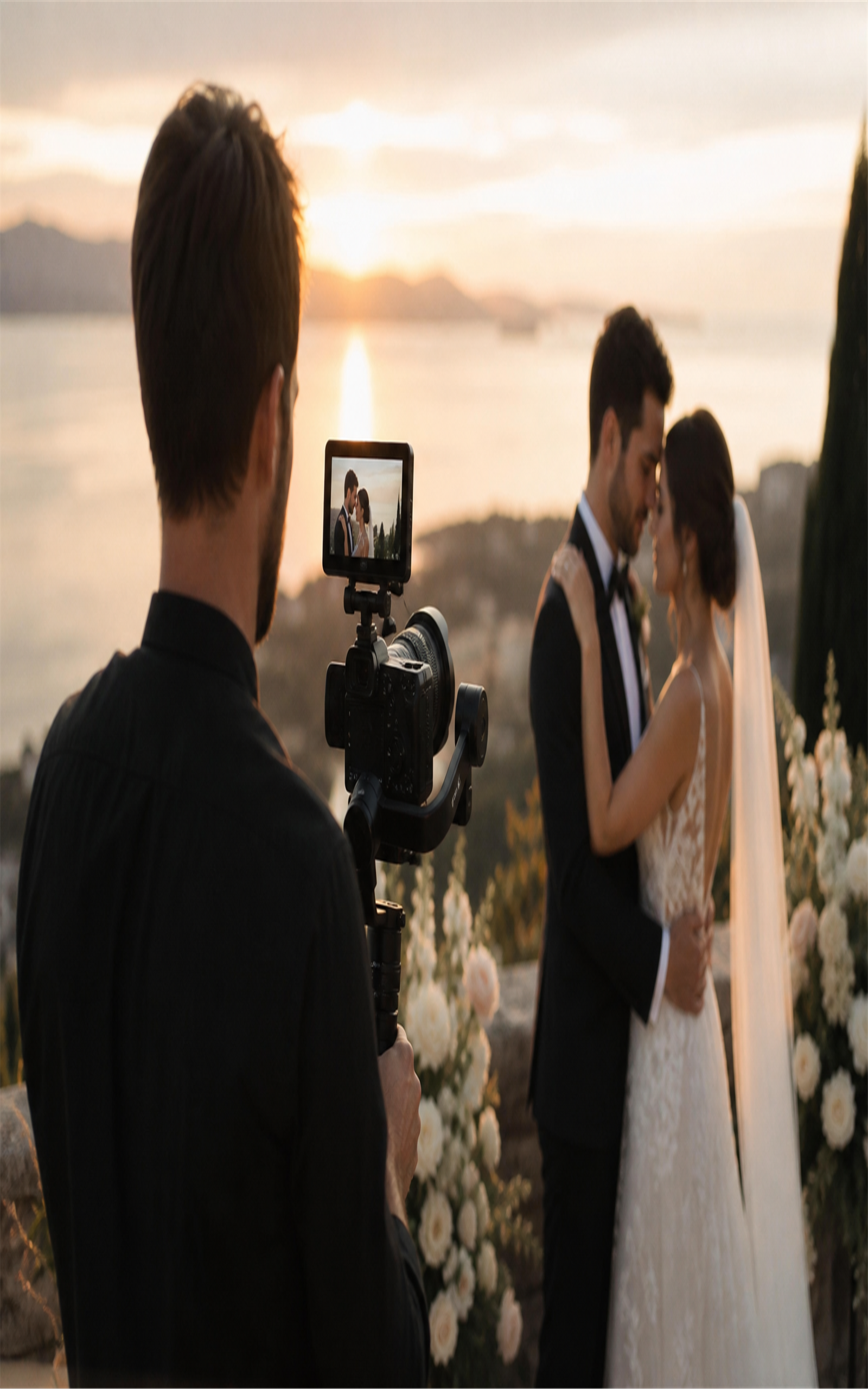
Couples hire wedding videographers when movement, voice, and emotion matter in memory—not only still images. Your first step is understanding coverage expectations, deliverable formats, and how videographers coexist with photographers and planners on crowded wedding days.
Wedding videography succeeds when couples understand coverage hours, number of shooters, audio capture for vows, highlight length, full-film deliverables, music licensing approach, and delivery date. Buyers fear missed moments, bad audio, and films that arrive months late without communication.
Want cinematic three-to-eight minute films for sharing online plus ceremony audio capture. Compare portfolios on storytelling tone—not only gear lists.
Value longer edits, full ceremony and reception coverage, multiple camera angles, and speeches preserved completely. Higher edit hours—price accordingly.
Need videographers who respect timeline, coordinate with photographers on first look and ceremony positions, and deliver without chasing for assets.
Visual wedding services with deliverable clarity—see the photography business guide for parallel package discipline—and post-production businesses in the video editing business guide for edit pipeline thinking. Wedding videography combines both sides on a zero-reshoot date.
Seasoned videographers often carry a printed ceremony timeline in their pocket and confirm critical moments with the planner before processional—small habits that prevent the catastrophic miss everyone fears.
Same-sex weddings, multicultural ceremonies, and non-traditional venues each introduce unique coverage needs—pronunciation preparation, extended family processional complexity, or low-light tent receptions. Package descriptions should acknowledge add-on calls for culturally specific events rather than assuming every ceremony fits a standard twenty-minute template.
Low-light reception venues challenge gear and editing time. Discuss lighting expectations during sales: dark rustic barns produce moody footage but require faster lenses and noise-aware editing—both affect package pricing and equipment investment. Couples comparing videographers on price alone may not understand why your rate reflects low-light capability until you explain deliverable quality differences.
Practical takeaway: List the three moments your ideal couples fear missing—vows, first dance, parent toasts—and ensure your launch package explicitly covers them.
Coverage packages must specify hours, crew count, deliverable list, revision rounds, music licensing responsibility, and delivery window. Open-ended wedding film promises create edit backlogs that ruin reputation.
Single shooter, defined hours—often ceremony through first dance—highlight film length specified, ceremony audio included, delivery window in weeks documented.
Two angles during ceremony and key reception events, faster highlight turnaround option, higher price reflecting second operator and sync edit time.
Full ceremony film, full speeches, raw footage delivery, or same-day edit priced separately with edit hour estimates attached.
Coverage intake should capture planner timeline, photographer names for coordination, ceremony audio needs, low-light reception expectations, and any surprise elements you must pre-position for.
Vow audio is non-negotiable for most couples. Plan lavalier on officiant, recorder on groom, or shotgun on stand within six feet—depending on ceremony layout and wind. Test during rehearsal when possible. Reception speeches need separate audio planning: DJ feed, dedicated recorder on lectern, or wireless hop—never assume camera internal mic will cut through room noise.
Discuss music in reception b-roll: licensed tracks in final edits only; inform couples unlicensed popular songs may trigger platform muting if they share highlights on social media.
Second shooters cover simultaneous moments—processional entrance while lead captures groom reaction—or large venues where one operator cannot be in two aisles. Define second shooter role in contract so couples understand coverage geometry, not just headcount.
Practical takeaway: Publish one launch package with deliverable bullets a non-videographer understands. If delivery weeks are missing, add them before quoting.
Wedding videographers need business registration, liability insurance, equipment coverage, and clear contract terms for travel, overtime hours, and delivery timeline. Drone use adds FAA or local aviation rules where applicable.
Contracts should state what happens if equipment fails despite backups—limited liability language reviewed appropriately—and how you communicate delivery delays before couples ask.
Model releases for guest faces in highlight films vary by usage—personal sharing versus commercial portfolio. Clarify in contract whether you may use wedding footage in marketing and how couples opt out. Privacy-conscious couples appreciate explicit choices rather than blanket media rights grabs.
Practical takeaway: Confirm insurance and contract templates before holding dates. Include delivery week range and revision limits in every proposal.
Wedding videography workflow spans pre-event planning, redundant capture, ingest and backup, edit pipeline, and client delivery—with communication at each stage.
Post-production discipline from the video editing business guide applies directly—wedding editors fail reputations when ingest and project templates are improvised per wedding.
Build a project template: folder structure, proxy workflow if needed, color LUT baseline, audio chain, and export presets for highlight versus full ceremony delivery. Consistency makes each wedding faster than reinventing timelines from scratch. Track edit hours by deliverable type—eight-minute highlight versus forty-minute ceremony—to refine package pricing with data.
Send a post-wedding email within forty-eight hours confirming footage safety and restating delivery window. Mid-edit, avoid silence—couples anxiety-spiral when they see photographers posting while videographers go quiet. A brief check-in email at halfway point reduces support messages.
Archive policy belongs in contract: how long raw footage stays available, whether project files persist after delivery, and fees for re-edits years later when couples lose download links.
Establish photographer-videographer etiquette early: alternate positions during processional, avoid crossing aisles during vows, and coordinate first look so both media teams capture without blocking each other. Introduce yourself to photographer at rehearsal or morning-of. Professional videographers carry gaffer tape and communicate movement—collisions during first kiss ruin both teams' deliverables.
Reception coverage balances b-roll with speeches: assign second shooter to speeches while lead captures guest reactions and partner tears. Define must-capture list with couple during intake—parent dances, cultural rituals, surprise performances—so nothing culturally essential is missed while chasing generic b-roll.
Practical takeaway: Run a mock wedding shoot through ingest, backup, and edit template start-to-finish. Time edit hours honestly before pricing a highlight package.
Price from shoot hours, crew cost, edit hours per deliverable, music licensing, storage, insurance, and margin—not a flat rate copied from a forum without your edit speed.
Track edit time on first weddings meticulously—many videographers underprice because they estimate shoot day only. Delivery timeline promises must reflect edit capacity across your season calendar.
Raise prices when inquiry volume exceeds edit capacity rather than booking every lead and delivering late. Late films cost more in referrals lost than the revenue from one extra wedding accepted.
Photography package pricing logic in the photography business guide also separates capture from post-production time—videography edit labor is often the larger half.
Destination weddings add travel days, gear shipping risk, and lost edit weeks—price travel separately or embed explicit travel fees. Same-day edits command premium pricing because they consume edit hours on site and require a second operator or assistant editor dedicated to that deliverable alone.
Raw footage delivery appeals to some couples but creates storage transfer labor—price as add-on with defined file format and delivery method, not unlimited courtesy that consumes a day uploading hundreds of gigabytes.
Associate editor rates should appear in your internal pricing model even if clients see package price only—knowing your effective hourly margin after outsourcing prevents accepting weddings that look profitable until edit bills arrive.
Practical takeaway: Time your next complete highlight edit. Build package price from shoot plus edit plus overhead—not shoot alone.
Couples hire videographers whose films show emotional storytelling, reliable audio, and consistent color—not gear spec sheets alone.
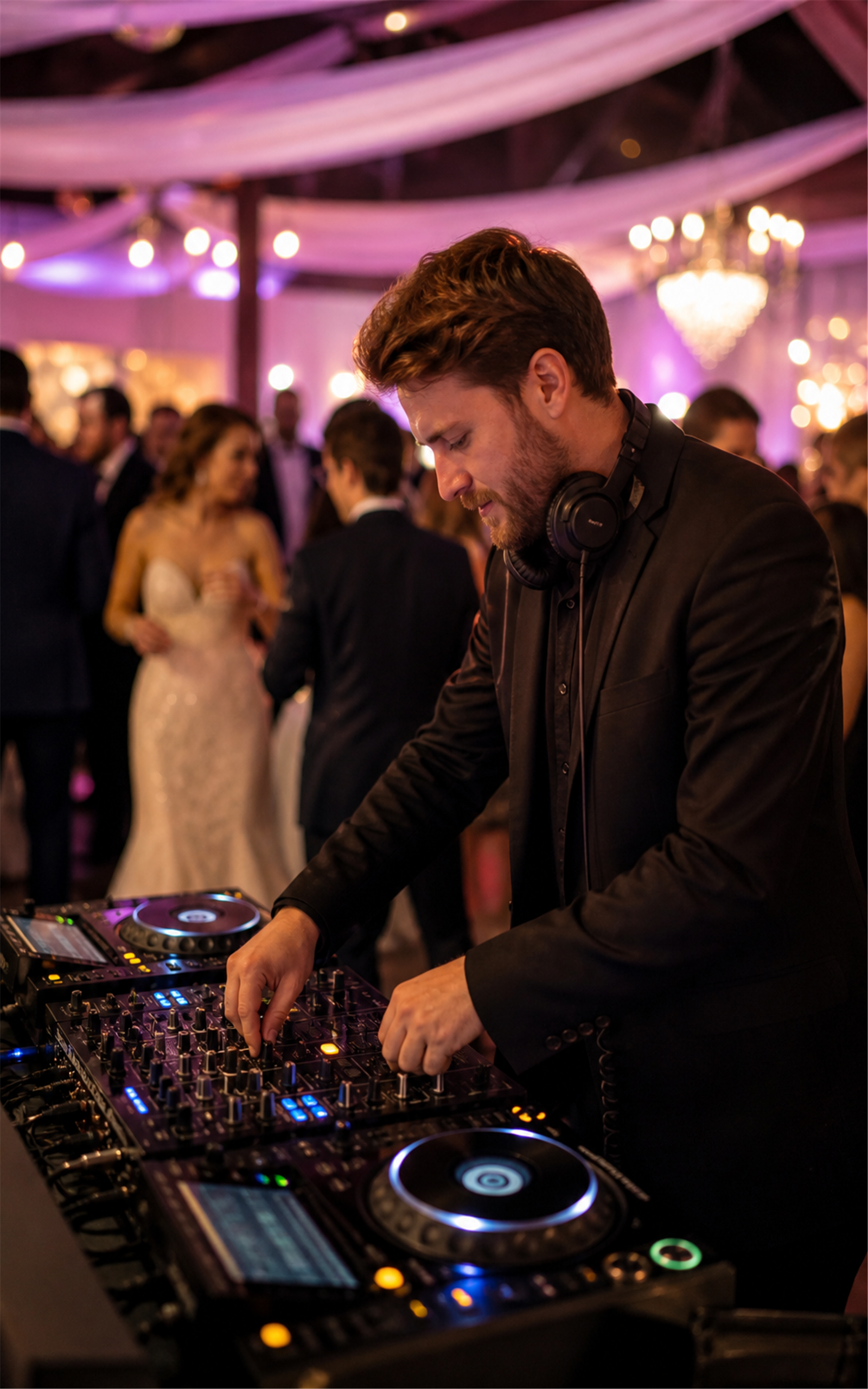
DJ and reception vendors in the DJ business guide share dance-floor moments videographers need positioned early—introduce yourself to reception vendors before peak season.
Include a short FAQ on your site about delivery timeline, audio capture, and second shooter policy—answers pre-sell professionalism before inquiry forms arrive.
Contract rush fees for bookings inside sixty days when edit calendar is tight—couples planning late often accept reasonable premiums for professionals still available.
Engagement sessions or save-the-date mini-shoots cross into photography for some studios; videographers may offer short engagement films as relationship-building lead-ins to wedding packages. Keep deliverables distinct so clients understand which package they are buying.
Venue walkthroughs before the wedding—when venues allow—help you plan camera positions for challenging layouts: long aisles, backlighting at sunset ceremonies, or low ceiling reception rooms. Include walkthrough time in full coverage packages or price as add-on for essential tier.
Practical takeaway: Lead with three strong films and one clear package before ads. Book first weddings through photographer referral or second-shoot relationships.
Growth means booking more weddings only when backup workflow, edit templates, and delivery calendar stay honest—late films destroy referral networks faster than mediocre color grades.
Cap season bookings based on edit throughput, not only shoot availability. Associate editors can expand capacity when project templates and color standards are documented.
Upgrade gear when repeated jobs justify it—new lenses for dark venues, better low-light bodies, redundant audio—not because a forum said you must before booking one wedding.
Track metrics: edit hours per package, delivery days versus promise, revision round overruns, and referral source—not camera body count.
Invest in backup bodies and lenses before marketing peak season heavily—gear failure on a wedding day is reputational catastrophe even if contract limits liability. Test backup kit monthly; batteries sitting unused still degrade.
Color grading presets speed delivery but should match your portfolio promise—couples hire you for a look. Document preset names in project template so associate editors match house style when you scale.
Off-season is for portfolio refreshes, gear maintenance, and edit template upgrades—not only vacation. Wedding videographers who disappear from marketing all winter start each spring cold. One styled shoot or behind-the-scenes reel during slow months keeps algorithms and planner memory warm.
Practical takeaway: After five weddings, compare promised delivery weeks to actuals. Adjust booking cap or pricing before accepting a full peak season.
Use this four-week outline to move from interest to a controlled first wedding filming booking. Each week builds on the last for a videography business launch.
Confirm these essentials before you accept a deposit or hold a wedding date as a videographer.
A wedding videography business sells defined coverage packages—specified hours, crew size, and deliverables such as highlight films and ceremony recordings—for specific wedding dates under written booking terms. Success depends on intake discipline, redundant capture especially for vows and audio, edit pipeline reliability, and delivery on the timeline promised in the contract.
Wedding videographers capture live events on non-repeatable dates and own capture risk—missed moments cannot be reshot. Video editing businesses typically work from client-provided footage after production. This guide addresses coverage packages, filming workflow, and wedding-specific delivery—not only post-production editing for external clients.
Business registration, sales tax on services, liability insurance, and equipment coverage requirements vary by jurisdiction. Drone coverage adds aviation certification rules where applicable. Verify with your local business licensing office, tax authority, and insurance agent before accepting paid bookings.
Packages should specify coverage hours, number of videographers, highlight film length, ceremony and speech deliverables if any, audio capture approach, revision rounds, music licensing method, delivery format, and delivery week range. Add-ons cover second shooters, documentary edits, or same-day edits priced from edit hours.
Capture wedding date, venue layout, planner and photographer contacts, timeline, must-capture moments, ceremony audio needs, reception lighting expectations, and any surprises such as cultural rituals requiring early positioning. Align intake answers with the sold package so coverage hours match expectations.
Build pricing from consultation time, shoot hours and crew costs, edit hours per deliverable, music licensing, travel, storage, insurance, overhead, and margin. Edit labor often exceeds shoot day time—track actual edit hours on early weddings and adjust packages. Cap season bookings to edit capacity.
Follow intake, gear prep, redundant filming especially on vows, same-day ingest and backup, edit pipeline with templates, licensed music, revision round, and portal delivery with client notification. Never format cards before verified backup copies exist.
Publish clear packages and three strong highlight films. Pursue photographer referrals and second-shoot opportunities to learn timelines while building reel. Planners recommend videographers who deliver on schedule without chasing—controlled launch beats discount pricing without portfolio proof.
This wedding videography business example was developed using eBook Business Builder—the workflow used to structure the guide, free lead magnet, offer assets, email series, and marketing content you see in the EBB Showroom below.
If you want to create your own eBook business around a topic you know, EBB walks you through research, writing, assets, and launch in a repeatable system. See how business assets fit together and launch marketing for your eBook business to understand the full EBB build model.
Start Building with eBook Business Builder →The flagship guide explains how to start a wedding videography service—coverage packages, couple intake, filming and backup workflow, editing delivery, pricing, and client communication—in a structured eBook format.
Chapters walk readers through evaluating the opportunity, designing coverage packages, investigating business setup, building filming and edit workflow, pricing from real production hours, winning first wedding clients, and growing without delivery backlogs.
First Weddings & Coverage Intake — a lead magnet that helps readers evaluate whether wedding videography fits their skills and identify sensible first package steps before holding dates.
Many videographers sell wedding coverage without deliverable clarity, backup habits, or edit capacity that delivery timelines require.
Foundational first steps, common capture and delivery mistakes, and a simple action plan readers can use before committing to wedding bookings.
Can shoot appealing clips but unsure how to structure coverage packages, backup workflow, and delivery promises professionally.
Prepared with fundamentals to launch one package, protect vow capture, and deliver a first wedding film on the timeline sold.
Wedding Videography Startup Program
A practical flagship guide for readers ready to move from interest to action—with clear first steps and professional filming and delivery habits couples trust.
Tools & References