Find the Opportunity
Understand who hires appliance repair and why fee clarity wins trust.
A practical starting point for technicians who want to launch an appliance repair service with clearer diagnostics, service call intake, and on-site repair workflow basics.
This page walks you through how to start an appliance repair business as a professional home service—not just fixing neighbors' washers without fee clarity. You will learn who hires appliance technicians, how to structure diagnostics and service scopes, how to verify local licensing and handle electrical and gas safety, how to build parts sourcing and on-site workflow, how to quote transparently from real costs, how clients find you, and how to grow with the diagnostic discipline homeowners trust before authorizing parts orders. Major appliances fail at inconvenient moments—clients choose technicians who explain diagnostic fees, model-specific findings, and repair-versus-replace options in plain language before opening tool cases.
Understand who hires appliance repair and why fee clarity wins trust.
Define appliance categories and intake that supports diagnosis.
Verify local rules and electrical/gas safety boundaries.
Build truck stock, ordering, and on-site repair routines.
Separate diagnostic, labor, and parts pricing honestly.
Launch with controlled service area and intake habits.
Add appliance categories when diagnostics and parts workflow hold.
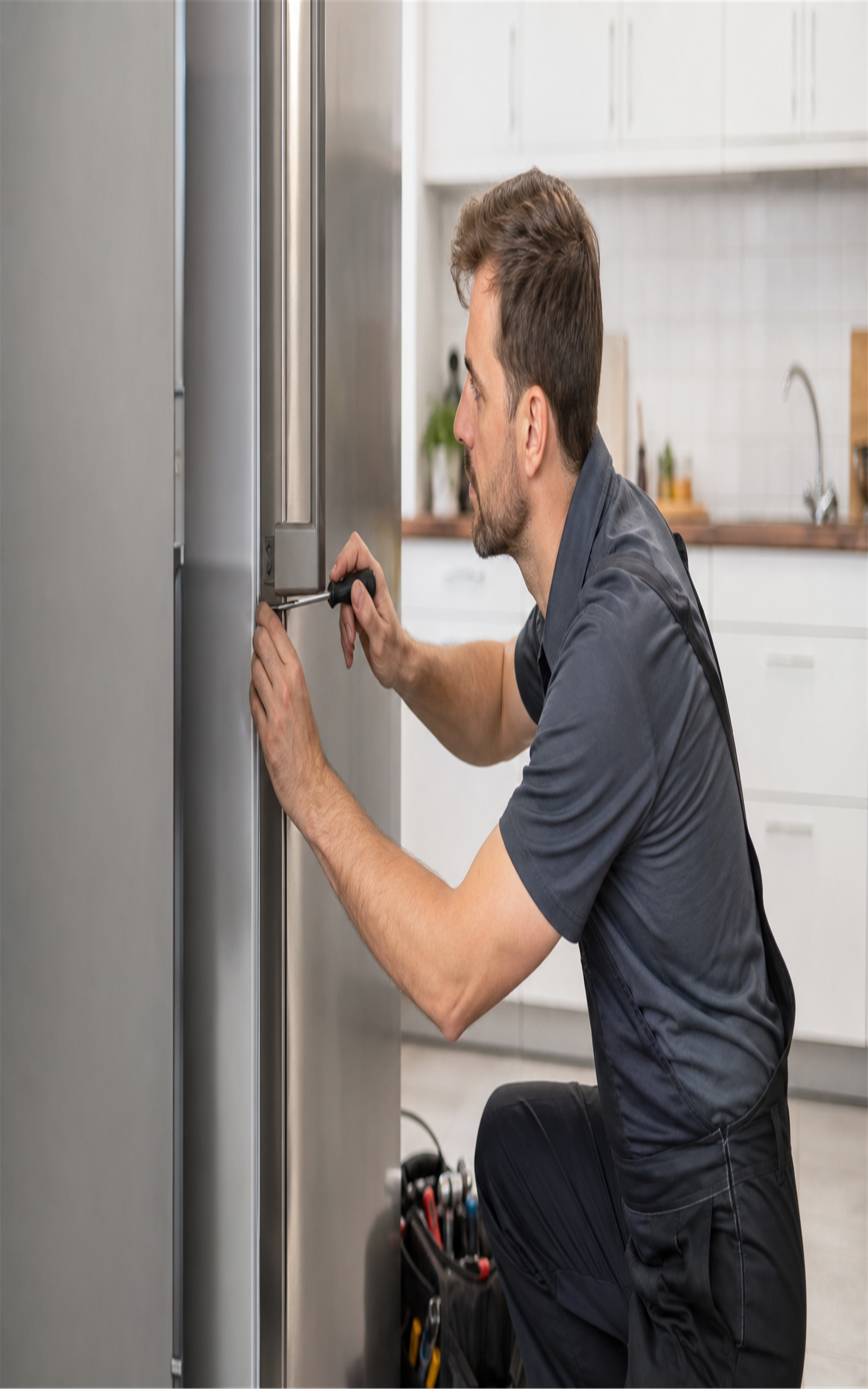
An appliance repair business diagnoses and fixes major household appliances under written service policies—diagnostic fees, parts approval, repair labor, and warranty terms—not open-ended "take a look" visits that surprise homeowners with unclear charges. You intake model and symptom details, run structured diagnostics on site, explain findings in plain language, quote parts and labor before proceeding, respect electrical and gas safety limits, and verify local licensing requirements for the work you accept. Clients pay for transparent fees, competent diagnosis, and repairs that restore function—not for pressure to replace units when a fair repair option exists, or vague trip fees that balloon without authorization.
That distinction matters. Being good with tools is not the same as running an appliance repair business. Many capable technicians accept vague service requests, skip model intake, underprice travel, mishandle gas or high-voltage steps outside their credentials, or order parts before client approval and then fight over invoices. Households continue to hire repair when replacement cost stings and explanations feel honest—but only when they believe the technician will show up prepared, diagnose systematically, and respect safety and licensing boundaries.
This guide walks you through how to start an appliance repair business with professional habits: finding your opportunity, defining diagnostics and service scope, investigating local licensing and safety, building parts and on-site workflow, quoting transparently, winning first clients, and growing with operational discipline. By the end, you should understand what the business is, what appliances you will launch with, and what to verify locally before accepting your first service call.
Parts logistics separate profitable appliance work from break-even tinkering. Technicians who quote before model confirmation, order components without authorization, or skip test cycles after repair earn callbacks that erase margin. Build supplier relationships, truck stock lists, and authorization habits before you scale ads.
Electrical and gas safety boundaries are not optional extras—they define which jobs you accept and which you refer. Verify licensing locally and align your marketing menu with what credentials and insurance actually cover.
Model-specific diagnostics beat generic handyman troubleshooting for appliance work. Homeowners may call you after a failed DIY attempt or misleading forum advice—your intake should capture prior repair attempts, error codes, and whether the unit still powers on. Property managers often manage identical models across units; building a history per address speeds second visits and strengthens contract renewals when turnover season hits.
Households hire appliance repair when a major unit fails and replacement timing or cost feels uncertain—provided scheduling is reasonable and fees are explained upfront.
Breakdown urgency peaks before holidays, summer heat, and rental turnovers—market availability windows honestly rather than promising same-day service you cannot sustain solo. Property managers comparing vendors weigh invoice clarity and model notes as heavily as hourly rate; a technician who texts ETAs and explains parts delays keeps contracts when slightly cheaper competitors go silent. Document every declined repair recommendation when replacement is safer—landlords remember honesty when the next unit is a straightforward belt replacement you complete first call.
Want fast scheduling, clear diagnostic fees, and honest repair-versus-replace guidance when units are mid-life. They compare on trust and communication—not always lowest trip fee alone.
Need invoice-ready documentation, model notes, and predictable turnaround between tenants. Repeat work follows technicians who communicate parts delays proactively.
Prioritize dependable diagnosis on washers, dryers, and refrigerators before listings. Standardized intake and photo documentation support agent referrals.
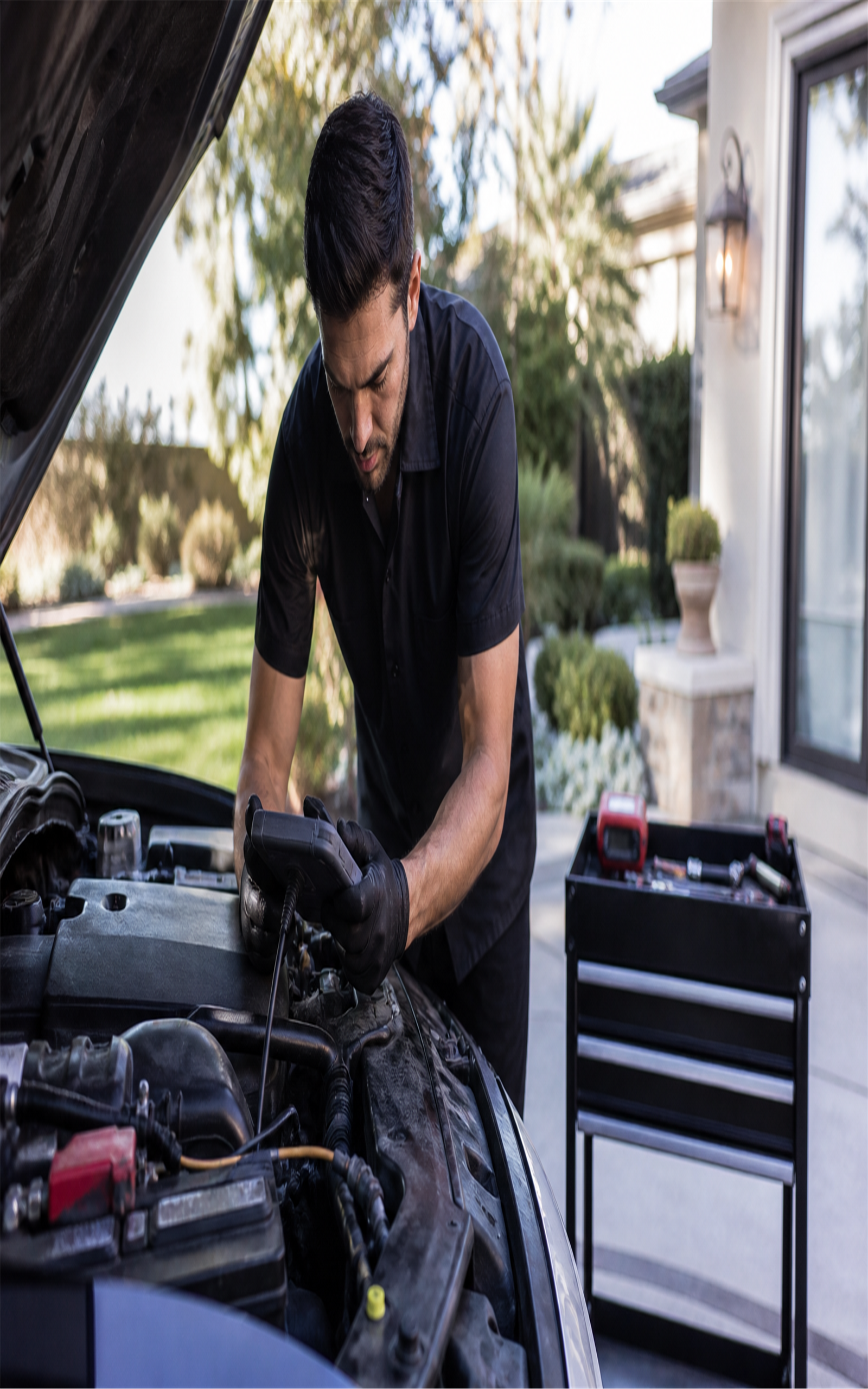
Home-service businesses with similar intake discipline—such as those in the handyman business guide and mobile mechanic business guide—show how scope clarity sustains trust. Appliance repair adds model-specific diagnostics, parts logistics, and electrical or gas safety layers.
Homeowners often call after watching generic troubleshooting videos that miss model-specific failure modes. Your value is systematic testing with service literature—not swapping parts until something works. Explain findings in plain language before quoting: the drain pump tests open circuit, replacement part with labor estimate stated separately. That clarity converts better than a single lump-sum quote that feels arbitrary. When diagnosis reveals uneconomical repair, say so and document the recommendation; clients return when the next appliance issue is one you can fix profitably on the first visit.
Practical takeaway: Describe your ideal first client and the appliance category you know best. List three questions they ask before booking—and ensure intake answers model, fee, and scheduling policies.
Structure intake and on-site diagnostics so you arrive with the right mindset and parts strategy—not guessing appliance type from a one-line text.
Refrigerators, top-load washers, front-load washers, dryers, ranges, ovens, and dishwashers each carry different failure patterns and parts costs. Launch with two or three categories you know deeply—document common faults, typical parts on truck, and average repair duration. Expand into wall ovens, microwaves, or commercial units only after first-call completion rate and parts lookup time stabilize. Refer built-in refrigeration sealed-system major work when you lack recovery certification or specialized tools your insurer expects.
Define launch appliance menu—perhaps refrigerators and laundry first—and refer commercial kitchen equipment, sealed system major work beyond your tools, or brands you cannot support parts for yet.
Ask clients to photograph the model plate before dispatch when possible. Lookup manuals and parts diagrams before the truck rolls when symptoms suggest common failures on that series. When intake is incomplete, confirm model on arrival before disassembly—guessing wrong parts wastes margin and client patience. Landlords maintaining multiple units benefit when your CRM stores model history per address for faster second visits.
Practical takeaway: Create intake script and diagnostic checklist for one appliance category. Run three mock calls against it and note missing questions before live bookings.
Noisy spin cycles, intermittent heat, warm refrigerator with running compressor, or dishwasher leaving standing water each suggest different test paths—intake should nudge clients toward symptom detail without expecting technical vocabulary. Ask when the problem started, whether it worsened gradually, and if any error codes flash. Photos of model plates and display errors reduce guesswork. When clients report burning smells or tripped breakers, prioritize safety screening questions before promising same-day repair.
Appliance repair touches electrical supply and sometimes gas connections. Licensing and safety limits vary by jurisdiction—investigate locally before marketing paid service.
Component replacement, control diagnostics, seal and pump work, belt and motor swaps on unplugged units when procedures allow—within your training and insurance.
Primary electrical panel work, altering gas piping, refrigerant recovery without certification where required, and repairs on units deemed unsafe or fire-damaged.
Saying "that gas line work requires a licensed specialist" protects clients and your business better than improvising outside credential scope.
Before touching components, verify appliance isolation—unplug units or switch off dedicated breakers when safe to do so, confirm zero energy where you will work, and use meters appropriately. Gas appliances require leak awareness, proper reconnection procedures, and ventilation when testing burners. If you smell gas beyond normal relight sequences, stop and refer. Document when you recommend replacement due to safety—fire damage, compromised cords, or rusted gas valves are not moments to chase parts margin.
Appliance repair rules differ: some states register appliance servicers, others treat work under general contractor tiers, and gas connector rules may require specific credentials. Call your state contractor board and city business office; save written answers or reference numbers in your compliance file. Insurers may ask which categories you service before binding policy—align marketing menu with what you told the underwriter.
Signs of water damage near electrical terminals, scorched harnesses, compromised gas valves, or refrigerant leaks beyond your certification mean pausing the repair conversation—not improvising to finish the visit. Photograph conditions, explain findings neutrally, and document recommended next steps for the client or landlord. Referrals to licensed trades protect your license and insurance relationship; pushing borderline repairs for revenue creates callbacks that cost more than the declined job would have earned.
Renew registrations before expiration reminders hit marketing season; expired license numbers on websites erode property-manager trust instantly. Update insurer when you add appliance categories or hire technicians—coverage gaps surface at claim time, not signup time. Store manufacturer bulletins for models you service frequently; recall notices may change recommended repair procedures mid-year.
Practical takeaway: Complete licensing checklist with dated notes from official sources—not forum advice. Align your appliance menu with what your credentials and insurer allow.
Parts delays and wrong components cause most callback friction. Build sourcing, truck stock, and authorization habits before scaling marketing.
Practical takeaway: Stock parts for your top three failure modes in launch category. Track one week of lookup and order time—if average exceeds 15 minutes per call, improve supplier tools before adding appliance types.
When part plus labor approaches replacement cost on a ten-year-old unit, explain options neutrally. Clients remember technicians who help them decide—not who pushed a repair to hit quota. Document recommended actions in writing for landlords deciding across multiple units. Optional diagnostic credit toward repair should be stated before work begins so invoices feel fair if they decline repair after diagnosis.
List the ten most common parts for your lead appliance type—belts, pumps, thermostats, valves, fuses—and stock what turns over within ninety days. Overstocking rare boards ties cash; understocking guarantees return trips that clients resent. Review supplier lead times monthly; a part that shipped next-day last year may now take a week—update client communication templates accordingly. Photo the truck shelf layout so helpers restock correctly after jobs.
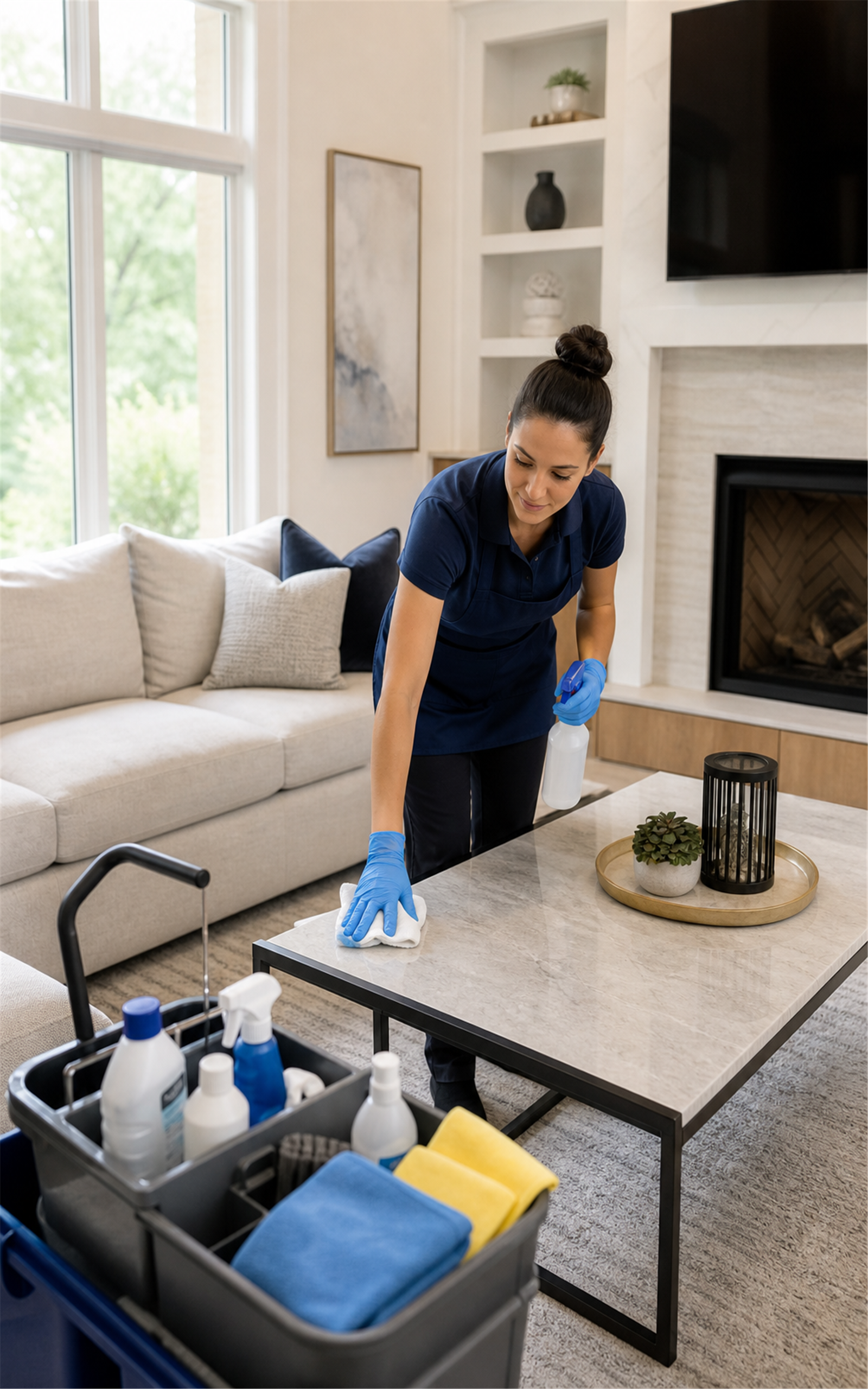
Invoices should show model and serial, symptom summary, tests performed, parts numbers installed, labor hours, and warranty period on workmanship. Property managers forward these to owners and accountants—messy PDFs slow repeat bookings. When you recommend replacement, include age, repair estimate, and approximate replacement range so capital decisions do not require a second phone call. The cleaning business guide shows how operational checklists build trust with property clients; appliance repair adds technical detail on top of that communication habit.
When parts ship, send tracking and proposed return window before the client asks. Block calendar slots for return trips separately from new diagnostics—double-booking new calls on a return-heavy day creates no-shows and angry landlords. If parts arrive defective, supplier RMA processes should be documented so client timelines stay honest while you reorder.
Homeowners trust separate diagnostic, labor, and parts lines—not one vague number that shifts after you open the panel.
Diagnostic fees should cover trip and assessment even when the client declines repair—state whether diagnostic credit applies toward repair if they proceed same visit. Return-trip pricing for special-order parts must be quoted before ordering so clients are not surprised when the second visit invoice arrives.
When part and labor approach replacement value on older units, present both paths with neutral language. Landlords especially need written notes for capital versus repair decisions across portfolios. Never pressure repair when you would not perform it on your own home—reputation outlasts one inflated invoice.
Discuss repair-versus-replace honestly when part and labor approach replacement value on older units—clients remember transparency more than aggressive upsell.
When diagnosis reveals additional failed components, stop and call or text authorization with updated parts and labor before proceeding. Landlords managing multiple units appreciate photo attachments of failed parts with brief explanations. Authorization logs protect margin and reduce invoice disputes when the final total exceeds the initial verbal range given at the door.
Practical takeaway: Build pricing sheet for three common jobs in your launch category. Compare projected hours to your last three real repairs and adjust before advertising.
Define how many days you cover labor if the same part fails versus new unrelated symptoms. Clients confuse warranty with open-ended free service—write plain language on invoices. Callback visits for legitimate warranty touch-ups should still verify model and symptom to avoid chasing unrelated issues from household misuse.
Stacked laundry pairs and built-in refrigerators add access time—factor cabinet removal and tight utility closets into labor estimates on intake when clients mention cramped spaces. Quoting only the repair minutes at the component ignores half the job on some calls.
Weekend and evening slots fill faster for homeowner emergencies, but property-manager work often prefers weekday turnover windows—segment booking availability on your site so each client type sees realistic options instead of a single generic calendar that overpromises immediacy.
Keep a printed electrical lockout reminder on your tool case—rushing past isolation steps on a familiar washer model is how experienced technicians get hurt on routine calls.
Photograph failed parts before disposal when landlords request proof of replacement—some property managers require images for owner reimbursement files even on straightforward belt or pump jobs. Label photos with address and unit identifier for their records.
Clients book technicians who answer intake questions clearly and show up with fee policy already understood—not whoever posts the lowest vague rate.
Practical takeaway: Land first three jobs through landlord or property-manager outreach in your service area before paid ads. Refine intake after each call.
Arrive with manuals pulled when model is known, confirm symptoms before disassembly, and carry common failure parts for launch categories. If special-order parts are required, quote lead time and schedule return visit before ordering—clients tolerate delay when communicated; they do not tolerate silent weeks. Test full cycles after repair when safe: washer spin and drain, dryer heat, refrigerator cool-down trend. Leave written summary on site or email within hours while memory is fresh.
Growth means adding appliance categories and helpers only when first-call fix rate, parts workflow, and safety habits stay solid.
Track metrics: callback rate, average parts margin, diagnostic-to-repair conversion, and repeat property-manager bookings.
Landlords with multiple units value technicians who text ETA updates, photograph model plates, separate parts and labor on invoices, and explain when replacement beats repair on aging equipment. Offer simple maintenance agreements for turnover periods—priority scheduling during vacancy windows with published diagnostic rates. Store unit history by address when permitted so second calls start with known model data. One reliable vendor on speed dial beats a cheaper unknown when a refrigerator fails the day before a showing.
Clients push for quick fixes when laundry piles up or refrigerators warm—resist skipping lockout-tagout habits or gas leak checks because the kitchen is crowded. If you smell gas, follow your training and refer when connector work exceeds credential scope. Document when you decline work due to safety—landlords respect technicians who explain code and manufacturer requirements instead of improvising risky shortcuts that create liability for everyone. Verify local licensing again when expanding into gas-connected ranges or dryers; rules differ by municipality and insurer.
Practical takeaway: After twenty service calls, identify your most common parts delay and top referral source. Fix parts workflow before expanding appliance menu.
Website, booking form, and phone script should state diagnostic fee, what it covers, and whether it applies toward repair if the client proceeds. Technicians who explain fees calmly on arrival—even when clients claim they "did not see it online"—convert better than those who apologize and waive fees habitually. Waiving fees trains clients to dispute every invoice; consistent policy with empathy preserves margin and respect.
Use this four-week outline to move from interest to a controlled first service call. Each week builds licensing verification, parts workflow, and diagnostic habits before you scale advertising.
A professional home service that diagnoses and repairs major appliances under written policies—not vague visits without model details or fee clarity. Success depends on diagnostics, parts workflow, transparent fees, safety discipline, and local licensing verification.
Requirements vary by jurisdiction. Verify business registration, contractor rules, and gas-work limits with local licensing offices before accepting paid calls.
Capture model and symptoms before dispatch when possible. On site, verify safety, reproduce symptoms, test systematically, explain findings, and obtain authorization before repair beyond agreed diagnostic scope.
Maintain supplier accounts, markup rules, truck stock for common failures, client approval before special orders, and return or core tracking.
De-energize circuits, follow manufacturer procedures, leak-check gas connections only within credential scope, and refer restricted work to licensed trades.
Separate diagnostic, labor, and parts. Build from travel, hours, parts markup, overhead, and margin. Discuss repair-versus-replace honestly when appropriate.
Start with categories you diagnose reliably—often laundry or refrigeration—and expand only when parts workflow and checklists mature.
Launch in a defined area with transparent fees, rich intake, local search, and property-manager outreach before broad advertising.
This appliance repair business example was developed using eBook Business Builder.
Start Building with eBook Business Builder →The flagship guide covers appliance repair startup fundamentals—diagnostics, service call intake, parts workflow, quoting, and on-site repair—in a structured eBook format.
Chapters walk readers through evaluating the opportunity, structuring diagnostics and launch appliance menus, verifying local licensing and safety boundaries, building parts workflow and truck stock, quoting diagnostic and repair fees transparently, winning first clients through property outreach, and growing first-call completion before expanding categories.
First Service Calls & Intake — a lead magnet that helps readers evaluate whether appliance repair fits their technical background and identify sensible first steps before taking calls.
Many technicians accept vague service requests without model details, trip fee policies, or diagnostic routines that set client expectations upfront.
Foundational first steps, common early mistakes to avoid, and a simple action plan readers can use before committing to equipment or clients.
Can troubleshoot appliances but unsure how to run service calls and an appliance repair business professionally.
Prepared with the fundamentals needed to intake calls, diagnose issues, and complete appliance repairs on site.
Appliance Repair Startup Program
A practical flagship guide for readers ready to move from interest to action—with clear first steps and professional habits for trustworthy appliance service calls.