Find the Opportunity
Understand who hires windshield repair and why assessment honesty wins trust.
A practical starting point for technicians who want to launch a windshield repair service with clearer service scopes, customer intake, and mobile repair workflow basics.
This page walks you through how to start a windshield repair business as a professional automotive service—not just filling chips for friends without assessment discipline. You will learn who hires mobile repair, how to define repair scopes and assessment limits when not all damage is repairable, how to investigate business setup locally, how to build mobile workflow and equipment matched to your menu, how to quote honestly from real costs, how drivers find you, and how to grow with the transparency that defines a credible repair operator. Drivers remember technicians who decline non-repairable cracks professionally and return when the next chip is small enough to fix—honest assessment is a marketing asset, not lost revenue.
Understand who hires windshield repair and why assessment honesty wins trust.
Define repairability criteria—not all damage can be fixed.
Investigate local rules and insurance before mobile bookings.
Build equipment kits and on-site repair routines.
Quote repairs from break type, travel, and consumables.
Reach drivers and fleets with a controlled launch.
Improve assessment accuracy and add capacity when workflows hold.
A windshield repair business fills qualifying chips and small cracks under written repair scopes—not every glass break a driver points at in a parking lot. You assess damage before quoting, explain clearly when repair is not appropriate, perform resin injection and cure steps to professional standards, and communicate results drivers can evaluate before they drive away. Buyers pay for honest assessment, mobile convenience, repair-versus-replace clarity, and confidence that you will not waste their time on damage that should go to replacement.
That distinction matters. Knowing repair technique is not the same as running a windshield repair business. Many capable technicians accept jobs without photo intake, attempt repairs on edge cracks or contaminated breaks, or promise visibility results outside what resin repair can deliver. Drivers continue to hire mobile repair when chips are caught early and convenience beats shop wait times—but only when they believe the operator will tell them the truth before drilling and refer replacement when repair standards are not met.
This guide walks you through how to start a windshield repair business with professional habits: finding your opportunity, defining repair scopes and assessment limits, investigating business setup, building mobile workflow and equipment, pricing from real job costs, winning first clients, and growing with the assessment discipline that protects reputation. By the end, you should understand what the business is, what damage you will and will not repair, and what to verify locally before accepting your first booking.
Mobile repair reputation is fragile: one attempted fix on a long edge crack can produce a review that mentions spread damage. Train yourself to decline quickly and document declines as professionally as completed repairs. Fleet contracts reward that consistency with repeat parking-lot days.
Drivers hire windshield repair when early chip damage threatens to spread and mobile service makes fixes convenient during a workday. Your first step is understanding who you serve and what they expect from honest assessment—not assuming every crack photo in your inbox is billable.
Insurance agents and fleet managers may ask whether repairs meet their documentation standards—photo records, measurement notes, and clear repair-or-replace recommendations support those relationships. Retail parking lot events can fill a day when assessment limits filter non-repairable vehicles before lines form. Commuters booking from office parks need shade and cure time clarity before highway drives. Build intake that educates drivers about repair limits before dispatch so declined jobs still feel professional.
Windshield repair businesses succeed when clients understand the job before work starts: whether damage appears repairable from photos, what happens if on-site assessment differs, mobile versus shop service, cure time before driving, warranty or redo policy within scope, and when you refer replacement instead of repair. Buyers are not simply purchasing filled resin—they are purchasing confidence that someone competent looked at the break and gave an honest answer.
Often book when a highway chip appears and they want same-week mobile service at home or office parking. Convenience, clear pricing, and honest non-repairable referrals matter more than the lowest chip price alone.
Need documented service on multiple units with predictable pricing and invoice-ready records. Batch scheduling, standardized assessment forms, and replacement referral relationships support recurring fleet work.
Some markets route chip repair through agents, adjusters, or partner shops. Clear repairability documentation and professional intake protect those relationships when damage exceeds repair limits.
Observe your local market: who do existing repair and glass operators serve well, and where do drivers still express frustration—repairs that failed visually, mobile no-shows, or technicians who attempted fixes on cracks that should have been replaced? Your opportunity often sits in assessment transparency as much as in resin skill.
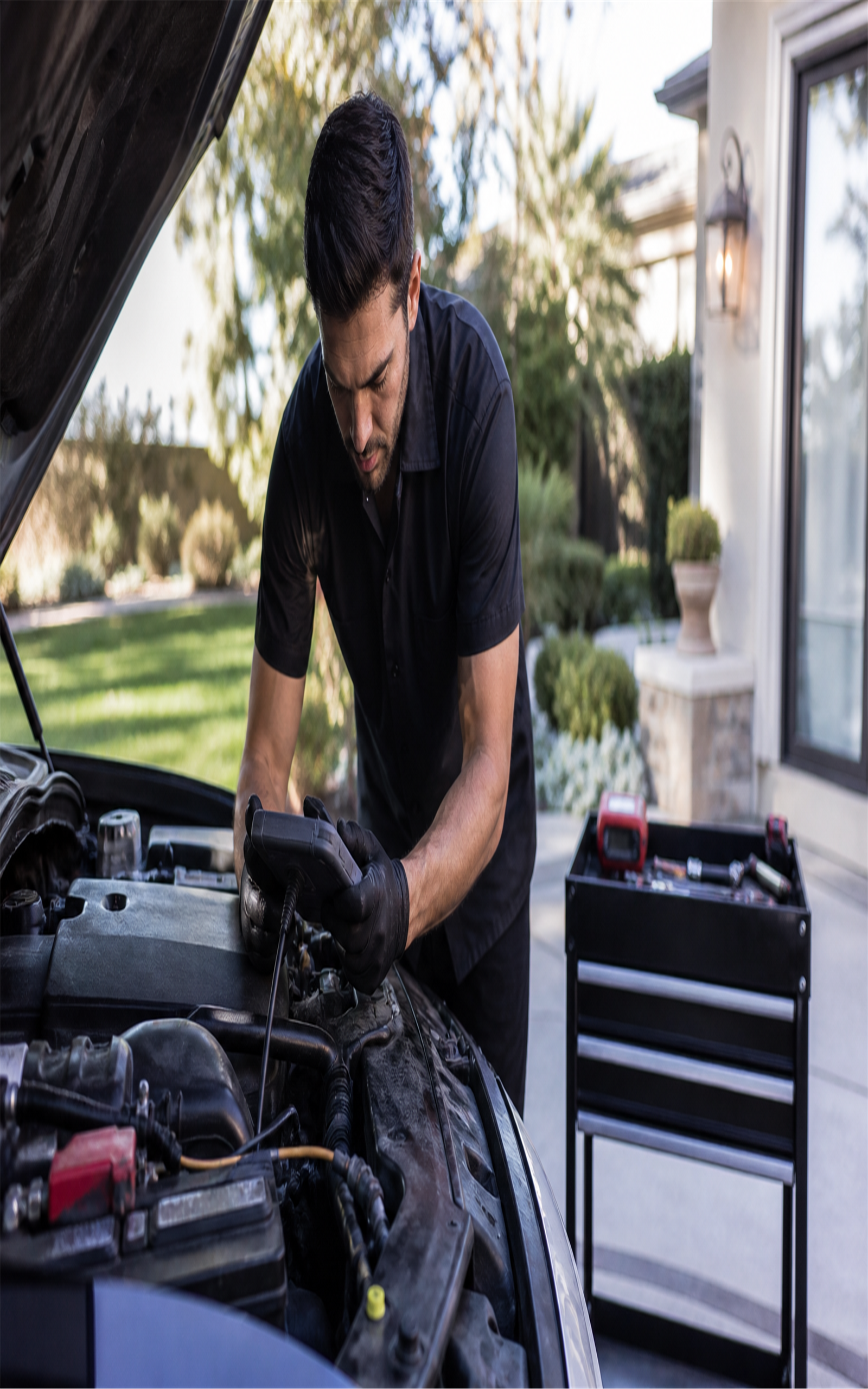
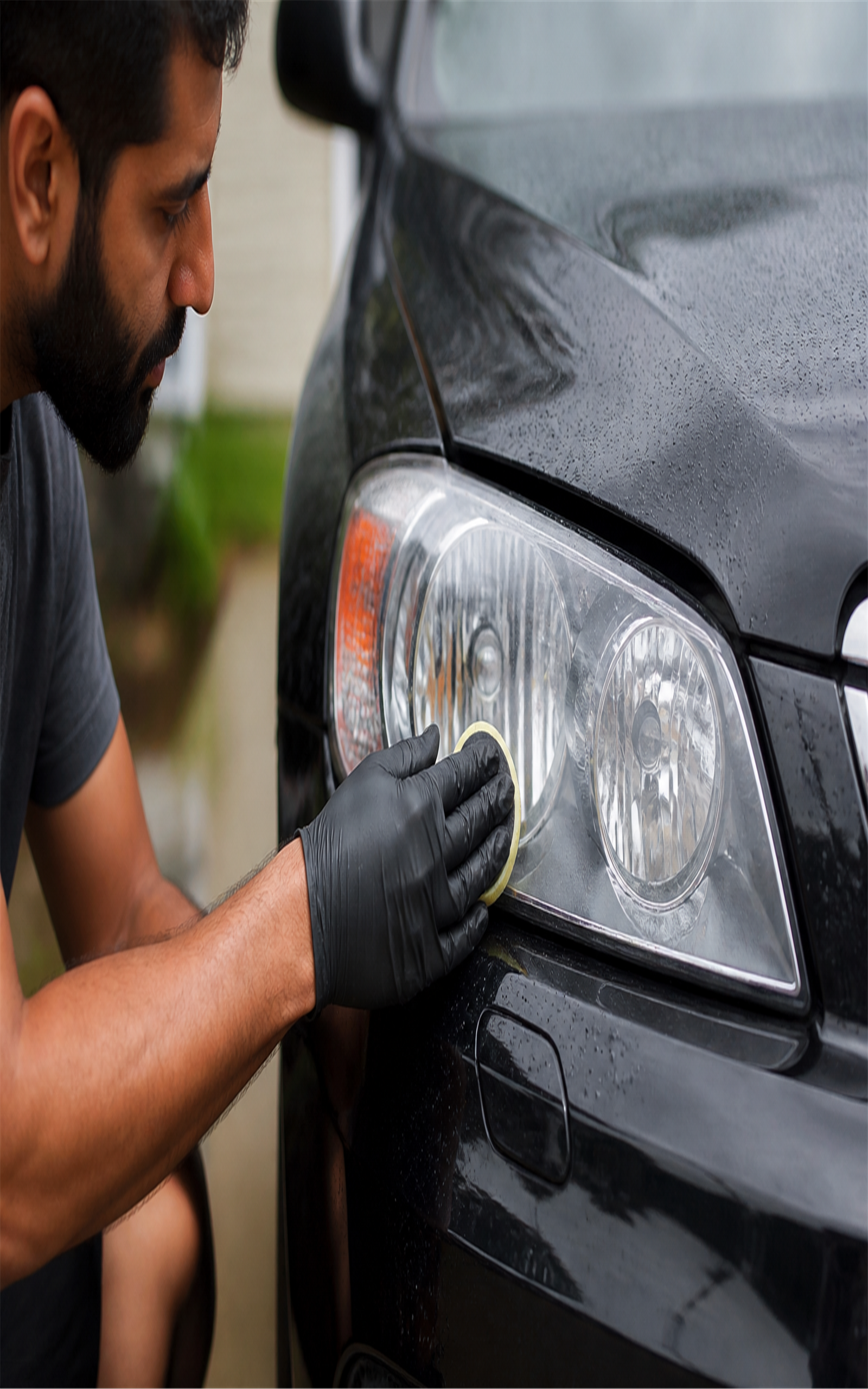
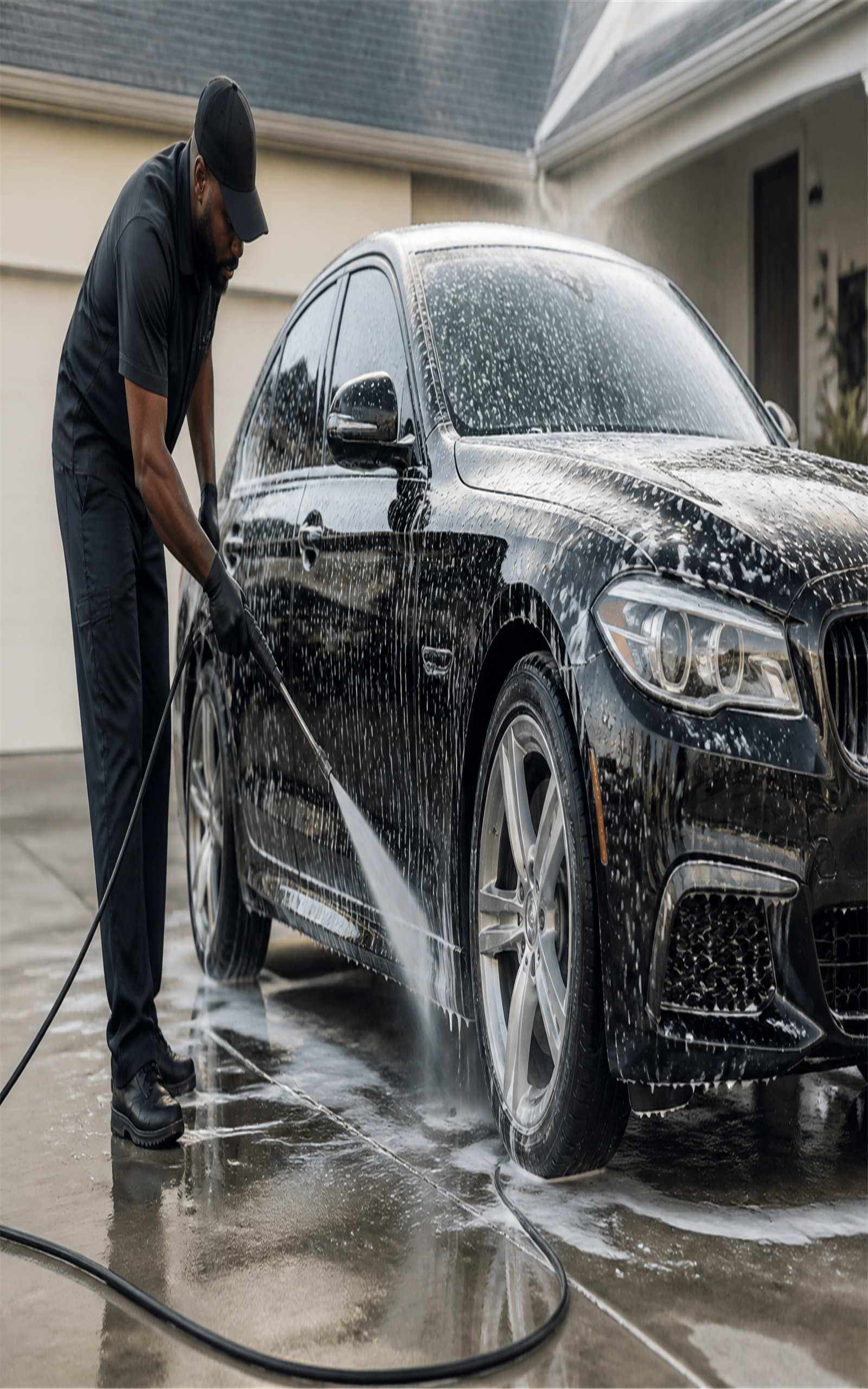
Mobile automotive services with similar trust dynamics—such as those in the mobile mechanic business guide, headlight restoration business guide, and mobile car wash business guide—show how defined scope and professional intake sustain service revenue. Windshield repair adds strict repairability limits on top of those patterns.
Drivers often call unsure whether repair is worth pursuing. Explain in plain language: early chip repair may prevent crack spread; long cracks or edge damage usually mean replacement; insurance or fleet policies may cover repair visits differently than full glass jobs. Your role is accurate assessment—not pressure to repair damage outside limits to capture a fee. When replacement is appropriate, a trusted referral to a glass shop can still earn you future chip work on the client's other vehicles or fleet units.
Mobile service means showing up in agreed parking areas with shade when possible, finishing within quoted time bands, and confirming cure time before the client drives highway speeds. Corporate lots and HOA communities may require vendor registration—verify access rules before marketing on-site fleet days. No-shows and vague arrival windows destroy mobile businesses faster than a slightly higher per-chip price with reliable scheduling.
Practical takeaway: Write one paragraph describing your ideal first client and the break types you want most—small bullseyes, star breaks, or short edge-free cracks. List three questions drivers ask before booking—and make sure your intake process answers repairability before dispatch.
Before you quote windshield repair, decide what you accept, what you decline, and how you document both on every estimate. Not all windshield damage is repairable—and professional operators say so before drilling.
Document limits aligned to your training, equipment, and industry repair standards—not hopeful exceptions for every paying customer:
Small chips and bullseyes outside critical vision zones, short cracks within your documented length limit, single-impact damage without contamination, and breaks accessible to your bridge setup when temperature and shade allow proper cure.
Cracks exceeding your length standard, damage in the driver's primary vision path when local rules restrict repair, edge cracks, multiple impact points, contaminated or previously failed repairs, and extensive spidering that resin cannot stabilize reliably.
When assessment exceeds repair limits, explain replacement referral honestly, offer partner shop relationships if appropriate, and charge assessment or trip fees only if disclosed upfront in your policies.
Saying "this break exceeds our repair limits—I recommend replacement" builds more long-term trust than attempting a repair likely to fail or crack out during cure. Drivers remember honesty when the next chip is small enough to fix.
Publish repairability criteria on your website and intake forms: maximum chip diameter, maximum crack length, excluded zones such as driver primary vision or edge impact areas, and conditions like contamination or prior failed repair. When photo intake suggests repair but on-site assessment differs, explain the change before proceeding—clients should never feel bait-and-switched. Fleet clients especially need PDF or email records showing damage photos, measurement notes, and repair-or-replace recommendation for their vehicle files.
Train yourself and any helpers to decline quickly when limits are clear. Attempting marginal repairs creates callbacks, liability discomfort, and reviews that mention visible scars or crack propagation. Replacement referral language should be respectful: "This break is outside what resin repair can stabilize safely—we recommend replacement through [partner]." Optional trip or assessment fees must be disclosed before dispatch so non-repairable visits still feel fair.
Damage in the driver's primary viewing area may be restricted from repair even when size limits otherwise pass—verify rules applicable in your market and document them on your repairability chart. Fleet safety managers often ask specifically about vision-zone policies before approving vendor contracts. When photo intake shows damage near wiper sweep or camera calibration areas on newer vehicles, note that replacement or dealer calibration may be required even after a successful cosmetic repair—set expectations before the client assumes repair alone resolves every concern.
Practical takeaway: Draft a one-page repairability chart with size, location, and contamination rules. Review ten sample damage photos against it—if you would accept more than seven, tighten limits before marketing.
Windshield repair regulations and insurance requirements vary by jurisdiction. Your investigation framework matters as much as your resin kit—verify locally before marketing mobile paid services.
Separate business banking, written estimate terms, and documented payment policies protect you as much as insurance does. Decide whether drivers pay at service, how trip fees apply when damage is non-repairable, and what documentation you provide for fleet clients.
The SBA guide to launching a business helps with general registration steps, but it does not replace local automotive service rules. Start research early—operating without required credentials can invalidate claims.
Investigate whether your city treats mobile automotive service as a home occupation, requires business decals, or restricts solicitation in retail lots. Some employers welcome chip repair in employee parking with prior facilities approval; others prohibit it. Build a short vendor packet—insurance certificate, business license copy, contact info—for fleet managers who require compliance files before first on-site day.
Practical takeaway: Complete your setup checklist with dated notes from official sources. Do not publish prices or accept deposits until liability coverage and required registrations are confirmed for mobile repair work.
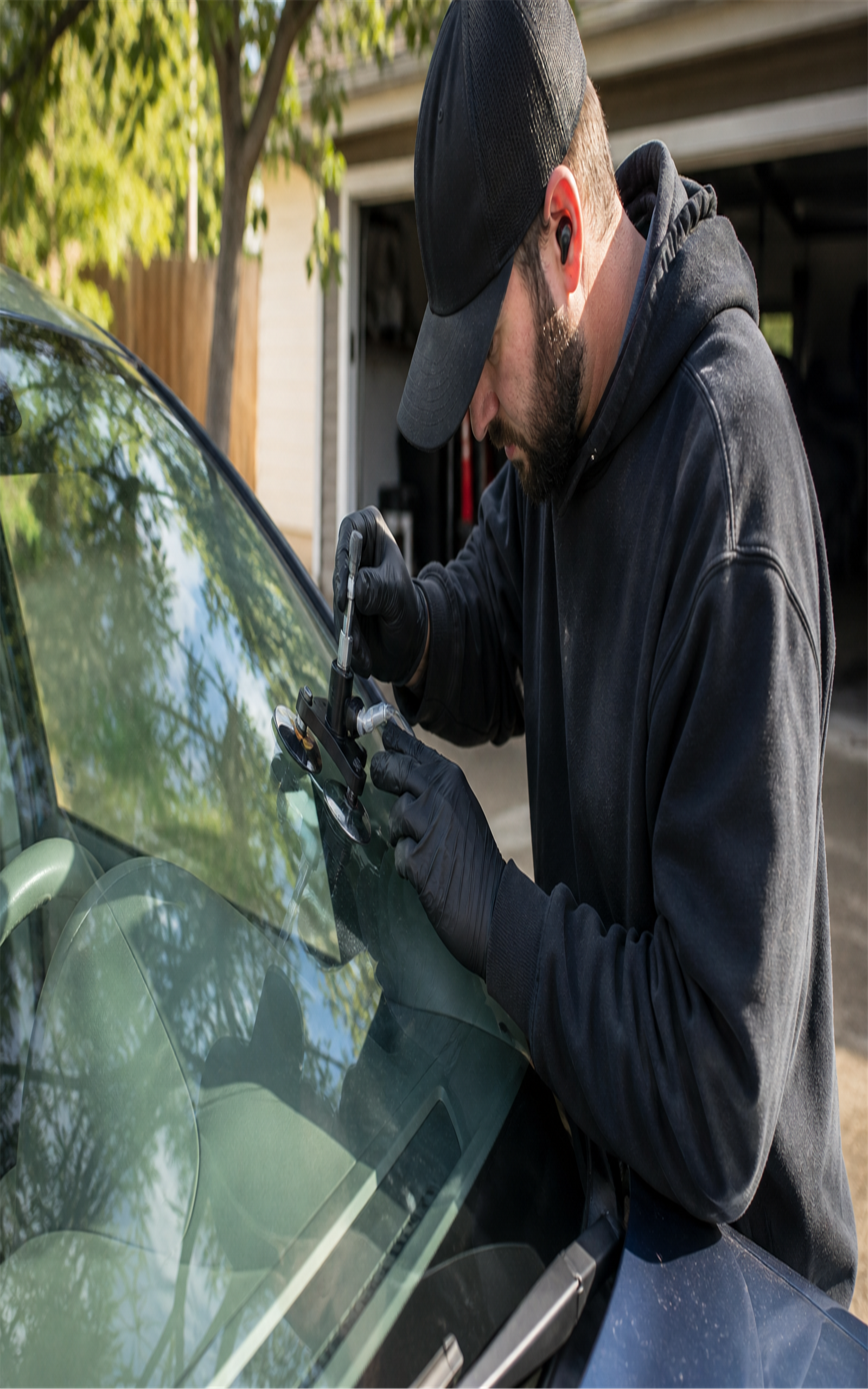
A windshield repair business runs on equipment matched to your accepted break types and a mobile workflow that turns assessments into cured repairs without skipped steps in parking-lot conditions.
Track resin and consumable cost per repair in your pricing model. Outdoor temperature extremes affect cure—build seasonal workflow notes for your market.
Hot dashboards, direct sun on glass, and cold mornings change cure behavior. Carry shade solutions and adjust client expectations when weather is marginal. Some vehicle glass curves or thick laminates challenge bridge seating—know when to decline rather than force equipment. Interior moisture or active rain may require rescheduling; document abort criteria the same way you document repair limits.
Inspect pit fill level, clarity from driver seat angle, and cured resin hardness before releasing the vehicle. Explain that repair improves structural stabilization and visibility but may not eliminate all cosmetic traces—honest expectation setting prevents one-star reviews when clients expected invisible perfection on a large bullseye.
Practical takeaway: Run five practice repairs through your full workflow checklist—including one intentional decline for non-repairable damage—and note any missing tools or unclear client language before your first paid booking.
Drivers buy honest assessment and completed repair within scope—not vague low prices that change when the crack measures longer on site. Pricing should reflect break category, mobile economics, and consumables—not unverified rates from another market.
Track actual minutes and consumable use on every early job against your estimate. Adjust category pricing before scaling fleet outreach. The mobile mechanic business guide applies similar mobile service fee discipline: travel and dispatch time are real costs.
Fleet accounts may negotiate per-chip rates in exchange for batch days on site. Model drive time once versus per-vehicle repair time many times—dense fleet parking can outperform scattered commuter jobs if assessment limits keep non-repairable units from wasting the block. Invoice with vehicle identifier, damage location photo, and repair-or-decline note for their maintenance system.
Draw service zones on a map with minimum trip fees for outer rings—commuter jobs thirty minutes away need different pricing than fleet batches where you repair ten vehicles in one parking lot. Track drive time per completed repair, not only production minutes at the glass; underpriced travel destroys mobile margins when fuel and vehicle wear accumulate silently. Same-day premium slots can exist when schedule allows, but only if assessment intake filters non-repairable damage before you rush across town for a crack that exceeds limits.
Some markets route chip repair through insurance programs with specific documentation requirements. If you participate, verify billing codes, photo standards, and repairability rules align with your internal limits—do not accept jobs your assessment framework would decline just because a hotline referred the driver. When insurance does not apply, keep consumer pricing simple: flat rate by break category plus disclosed mobile fee. Confusion at payment time erodes the trust honest assessment built during the repair.
Practical takeaway: Build a pricing spreadsheet with break categories, travel zones, consumables, and overhead. Price your next five intakes, then compare to actuals after each repair closes.
Publish example rates for common break types when assessment confirms repairability, and state clearly that on-site measurement may change eligibility—not price category alone. Drivers comparing three mobile operators choose the one who explains non-repairable outcomes upfront, even when per-chip price is slightly higher than a competitor who promises to "take a look" without limits.
Trust drives hiring decisions in windshield repair. Drivers choose operators who assess honestly, arrive when promised, and refer replacement when repair is not appropriate—not whoever promises to fix any crack.
Avoid marketing that promises invisible results on every break. Clear repair-versus-replace language converts better long term than overstated claims that generate callbacks and chargebacks.
Replacement shops that do not prioritize chip repair may refer inbound calls to you when damage is small—reciprocate when you decline repair. Clear referral etiquette and occasional co-marketing in local automotive communities build steady intake without competing on replacement jobs outside your scope.
Identify property managers and fleet supervisors within your travel zone and offer a one-page vendor sheet: repair limits, per-chip pricing, photo documentation sample, and insurance certificate. Propose quarterly chip days when vehicles park predictably—batch density improves hourly economics when assessment filters non-repairable units before lines form. Detailers and mobile car wash operators see damage daily; a simple referral card with your photo intake number costs little and converts when drivers trust the referring vendor.
Lead with honest assessment language on your website and search listing: "We repair qualifying chips and short cracks within documented limits—and refer replacement when repair is not appropriate." Before-and-after photos with client permission show realistic outcomes, not invisible-glass promises. Reviews mentioning professional declines can attract fleet managers who fear technicians who repair everything regardless of standards.
Practical takeaway: Land your first three jobs through direct outreach to fleet managers or office parks within your travel zone—before spending on ads. Document every assessment question drivers raise and refine intake templates after each conversation.
Growth means adding mobile stops and fleet accounts only when assessment accuracy, equipment readiness, and handoff communication stay consistent—not accepting every crack because your calendar has room.
Track metrics that matter: photo-to-repair conversion rate, on-site decline rate, redo rate within scope, fleet repeat bookings, and travel time per stop—not vanity lead counts. Fix assessment gaps before marketing harder.
When you add technicians, assessment standards must match yours—one marginal repair on a fleet account can lose the whole contract. Use shared photo intake rubrics, joint on-site declines for practice, and monthly review of redo causes. Growth without assessment discipline is how windshield repair reputations collapse.
Practical takeaway: After your first twenty repairs, identify your most common on-site decline reason and your strongest referral source. Fix intake or partner workflow before expanding geography.
Use this four-week outline to move from interest to a controlled first repair booking. Each week builds repairability documentation, mobile workflow practice, and photo intake habits before fleet outreach.
A windshield repair business is a professional automotive service that fills qualifying chips and small cracks under written repair scopes—not every glass break a driver hopes to fix. Success depends on honest damage assessment, clear communication that not all damage is repairable, mobile workflow discipline, and intake that prevents wasted trips.
No. Not all windshield damage can be repaired safely or effectively. Factors include crack length, location in the driver's line of sight, edge damage, contamination, and prior repair attempts. Professional operators document limits upfront and refer replacement when repair standards are not met.
Repair injects resin into qualifying breaks when damage falls within accepted limits. Replacement removes and installs new glass—a different trade with different equipment, suppliers, and calibration requirements on modern vehicles. This guide addresses repair-specific assessment and mobile workflow.
Requirements vary by jurisdiction. Verify business registration, mobile vendor permits, and insurance with your local licensing office and agent before accepting paid repair work.
Measure chip diameter and crack length, note location relative to driver vision, inspect for edge cracks and contamination, request photos before dispatch, and compare against your documented limits. Explain replacement referral honestly when damage exceeds scope.
Core equipment includes a repair bridge or injector system, UV curing lamp, appropriate resins, surface prep supplies, and mobile organization for outdoor work. Match equipment to your training and track consumables in your pricing model.
Build pricing from break category, travel time, production minutes, consumables, overhead, and margin. Use flat rates when assessment confirms repairability and disclose trip fees separately when appropriate. Document that quotes assume damage meets repair limits.
Start with a defined profile and honest repair messaging. Reach drivers through local search, fleet relationships, and automotive trade referrals. Photo intake and clear repair-versus-replace language convert faster than promises to fix any crack.
This windshield repair business example was developed using eBook Business Builder—the workflow used to structure the guide, free lead magnet, offer assets, email series, and marketing content you see in the EBB Showroom below.
See how business assets fit together and launch marketing for your eBook business to understand the full EBB build model.
Start Building with eBook Business Builder →The flagship guide explains how to start a windshield repair service—damage assessment, repair scopes, mobile workflow, equipment setup, and customer intake—in a structured eBook format.
Chapters walk readers through evaluating mobile repair demand, documenting repairability limits, investigating business setup, building equipment and cure-aware workflow, pricing by break category, winning first drivers and fleet accounts, and growing with assessment discipline and replacement referral partnerships.
First Repairs & Assessment Setup — a lead magnet that helps readers evaluate whether windshield repair fits their technical skills and identify sensible first steps before taking repair jobs.
Many technicians accept jobs without damage assessment standards, repair boundaries, or intake questions that prevent wasted trips and disappointed customers.
Foundational first steps, common early mistakes to avoid, and a simple action plan readers can use before committing to service launches or customer bookings.
Can repair chips but unsure how to assess damage and run a windshield repair business professionally.
Prepared with the fundamentals needed to intake jobs, assess damage, and complete repairs reliably.
Windshield Repair Startup Program
A practical flagship guide for readers ready to move from interest to action—with clear first steps and professional service habits for dependable mobile windshield repair.
Tools & References