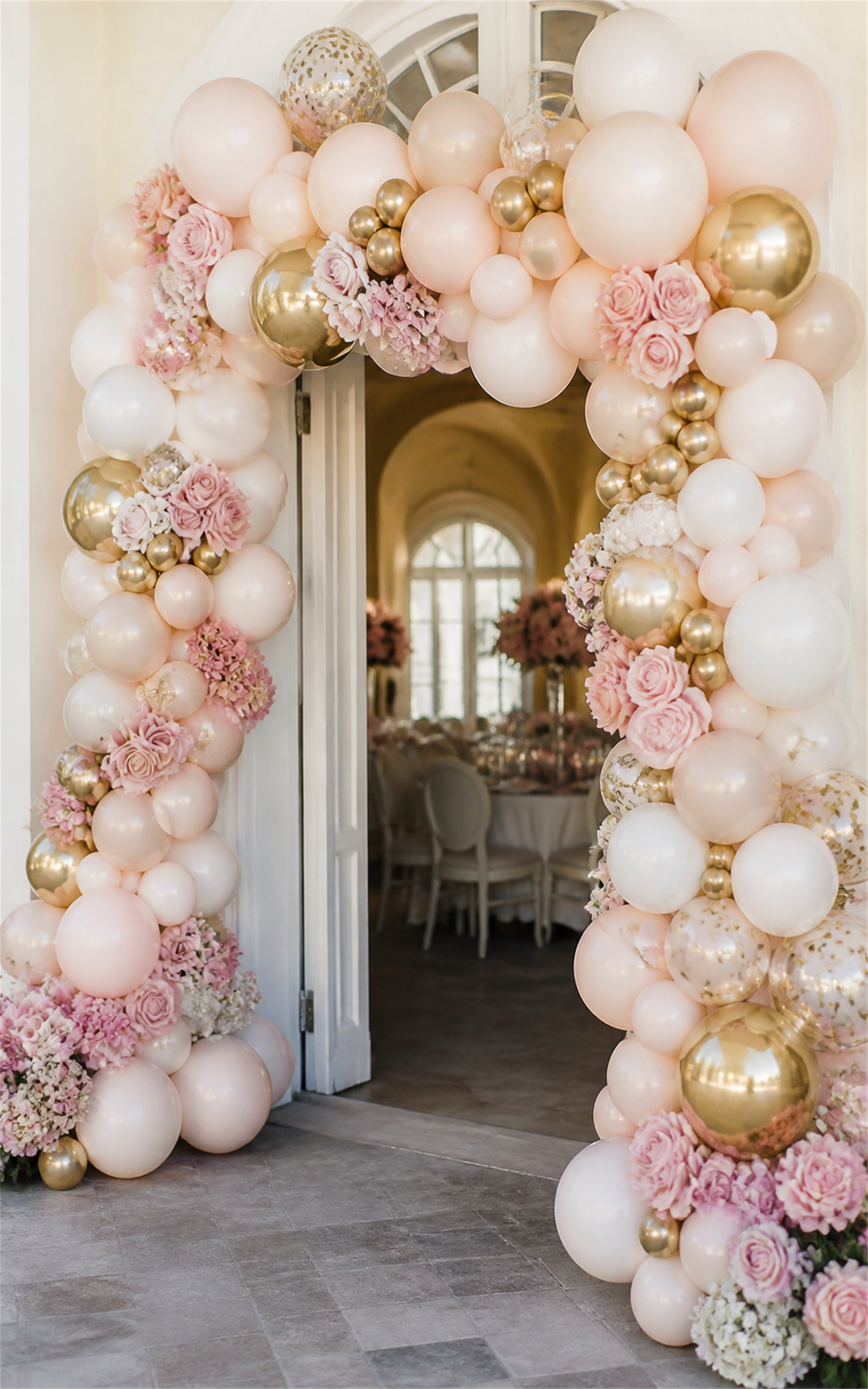
Find the Opportunity
Understand who hires wedding decorators and why written install scope wins trust.
A practical starting point for decorators who want to launch a wedding decor service with clearer design packages, couple intake, and installation workflow basics.
This page walks you through how to start a wedding decorating business as a creative installation service—not a warehouse of rental inventory or a planning company managing every vendor. You will learn who hires wedding decorators, how to translate Pinterest inspiration into written install scope, how design packages and style intake prevent scope creep, how venue access and teardown windows shape production, how to price creative labor and materials, how couples and planners find you, and how to deliver installs couples trust on their wedding morning.

Understand who hires wedding decorators and why written install scope wins trust.
Translate style inspiration into bookable install tiers and clear inclusions.
Investigate local rules before marketing or accepting paid installs.
Build consultation, prep, venue production, and restoration routines.
Quote installs from labor, materials, sourcing, and travel time.
Reach couples and planners with portfolio proof and controlled launch.
Add install capacity only when scope and teardown discipline hold.
A wedding decorating business sells creative design and physical installation—ceremony backdrops, reception tablescapes, aisle styling, lounge vignettes, signage placement, and coordinated visual details—under written scope terms. You consult on aesthetic direction, source or fabricate decor elements, install within venue load-in windows, and tear down per contract while restoring the space. Couples and planners pay for transformed environments they cannot assemble themselves on a timeline measured in hours, not weeks.
That differs from wedding decor rental, where the core product is inventory turnover, deposits, and return inspection. Decorators may rent, purchase, or reuse styled elements, but the business model centers on design judgment and install labor—not maintaining SKUs for repeated rental cycles. It also differs from wedding planning, which coordinates vendors and timelines rather than producing the visual environment itself.
This guide walks you through how to start a wedding decorating business with professional habits: finding your opportunity, designing install packages, investigating licensing and business setup, building consultation and production workflow, pricing from real install costs, winning first wedding clients, and growing without unlimited Pinterest scope. By the end, you should understand what the business is, what packages to launch with, and what to verify locally before accepting your first wedding install.
Couples hire wedding decorators when venues feel blank, inspiration boards outpace DIY capacity, and cohesive ceremony-to-reception styling matters in photographs. Your first step is understanding who books decorating services and what they expect from install professionals—not assuming good taste alone creates demand.
Wedding decorating succeeds when clients understand install zones, aesthetic direction, setup deadline before guests arrive, teardown timing, and what materials are included versus sourced separately. Buyers purchase visual transformation under time pressure—they need confidence you will finish before the first guest walks in and restore the venue afterward.
Have strong Pinterest folders but no production plan for florals coordination, draping, or tablescape assembly. They compare on portfolio cohesion, communication, and whether your packages feel complete—not only on the lowest install fee.
Book venues that include tables and chairs but little aesthetic detail. They need decorators who understand venue rules, floor protection, and open-flame policies without a full planning retainer.
Hire decorators when their planning package excludes hands-on styling. They need reliable load-in timing, photo-ready finishes, and teardown that respects venue curfew without billing surprises.
Creative install businesses with similar scope discipline—such as those in the party decorating business guide, balloon decorating business guide, and luxury picnic business guide—show how written install scope and venue-ready production sustain event revenue. Wedding decorating adds higher aesthetic stakes and tighter morning timelines.
Wedding seasons cluster between late spring and early autumn in many markets. Decorators who launch mid-season often begin with fall or winter micro-weddings, elopement installs, or styled shoots that build portfolio before the next peak cycle. Planning your launch season honestly prevents cash-flow panic when couples inquire twelve months out but peak Saturdays book early.
Practical takeaway: Write one paragraph describing your ideal first wedding client and the install zone you want most—ceremony backdrop, reception tablescape, or full-room transformation. List three style questions they will ask—and ensure your intake process answers them.
Before you quote weddings, decide which install packages you offer, what each includes, and where client-supplied or rented items fit. Couples need named tiers they can compare—not open-ended styling hours driven by endless inspiration photos.
Wedding decorating packages should map to physical install zones and production hours—not vague full-service labels. A ceremony package might include backdrop frame styling, aisle markers, and altar accents; a reception package covers head-table design, guest table centerpieces to a defined count, and entry signage placement. Each tier lists dimensions, color direction, material sourcing responsibility, and what happens if the couple adds ten new inspiration photos after signing.
Backdrop, aisle, and entrance focal points photographed during vows. Specify whether florals are fresh, silk, or client-coordinated; whether draping requires venue-approved rigging; and setup completion time before guest seating.
Centerpiece design, charger and napkin styling, place-card display, and candle policy compliance for guest-count multiples. Cap table count per package tier so production hours stay predictable.
Lounge vignettes, photo backdrops, cake table styling, or after-party flip elements priced separately with their own teardown terms. Add-ons prevent base packages from absorbing unlimited creative requests.
If you reuse styled elements across weddings, track them—but your client contract sells install labor and design outcome, not per-piece rental deposits. When clients need arches or lounge furniture from a rental warehouse, partner or refer rather than blurring install scope with inventory turnover economics you have not built.
Material sourcing responsibility belongs in every package: couples supplying their own candles may save you markup but add day-of uncertainty if items arrive wrong size or quantity. When you source, document wholesale accounts, lead times for specialty linens, and rush fees for late color changes. Fabricated elements—custom signage, painted backdrops—need fabrication hours in pricing separate from install day alone.
Practical takeaway: Draft one ceremony and one reception package with install zone diagrams, inclusion lists, and production hour estimates. If a couple cannot understand what you will physically deliver from that document, refine scope language before publishing prices.
Wedding decorating businesses typically operate under general business licensing, but venue vendor rules, sales tax on resold decor, commercial transport, and liability insurance vary locally. Verify before marketing paid installs.
Build a licensing investigation checklist and confirm each item with your local business licensing office, tax authority, and insurance agent:
Prepare a standard packet: COI with additional insured naming when venues require it, floor protection methods, flameless candle policy acknowledgment, and teardown restoration checklist. Planners forward venue rules late when you already have a packet ready—confirmation speeds up faster than scrambling after booking.
Written contracts should define install scope, change-order process for new inspiration after signing, payment schedule tied to hold dates, cancellation tiers, and client responsibilities for venue access and vendor coordination conflicts.
Practical takeaway: Complete your licensing checklist with dated official notes. Do not accept wedding deposits until liability coverage and contract templates are confirmed with your insurance agent and local requirements.
Wedding decorating runs on production discipline: translate signed scope into prep lists, arrive within load-in windows, install to photo-ready standard, and tear down restoring the venue. Missed teardown curfews damage planner relationships faster than imperfect centerpieces.
Professional wedding decorating follows a repeatable production sequence:
Install-heavy event services in the party decorating business guide use the same production logic: prep off-site, install to checklist, teardown on clock. Wedding mornings compress that logic into hours that cannot slide.
Wedding decorating production starts days before load-in. Pre-build fragile backdrop elements, pre-fluff greenery, count centerpiece components, and pack by install zone—not by whatever fits in the car morning-of. Label bins ceremony-backdrop, head-table, guest-table-1-through-12 so crew unloading at the venue knows exactly where each box goes. Couples rarely see this work, but planners notice when you arrive organized versus when you unpack chaos in the lobby.
Transport protection matters for wedding investments: wrapped glass, upright signage, and separated linen stacks prevent damage that turns profit into replacement cost. Build a standard vehicle load order—heavy bases first, delicate items secured last—so setup begins with the right bins accessible first.
Install scope often intersects florists placing arch flowers, rental companies delivering lounge furniture, and photographers scouting ceremony angles. Share floor plans and install completion targets in writing. If your backdrop must be ready before florals attach, say so in the planner thread. If rental sofas must land before you style pillows and rugs, sequence appears in your production checklist—not improvised in the parking lot.
Practical takeaway: Run one mock install—practice venue or styled shoot—through your full checklist including teardown. Note any missing prep step that would have delayed guest-ready completion.
Couples buy transformed spaces by a deadline—not open-ended creative hours. Pricing should reflect design time, sourcing, material cost, install and teardown labor, travel, waste, and the margin that sustains seasonal work.
Build pricing from every cost category:
Base package prices cover defined zones and guest-count multiples. Document how many inspiration revisions are included and price change orders when couples add zones, tables, or elements after signing. Wedding decorators lose margin silently when post-contract Pinterest messages become unpaid redesign work.
Creative service businesses in the balloon decorating business guide face similar scope creep risks—written install lists and revision limits protect pricing the same way.
Imagine a launch package covering ceremony backdrop styling and twelve guest tables with centerpieces you source. Estimate consultation and design hours, material costs at wholesale plus markup, prep hours pre-building fragile pieces, two-person install labor for six hours including travel, teardown labor, material waste at five percent, insurance allocation, and twenty-five percent margin after overhead. If that math lands near what planners say couples pay for comparable installs locally, your package is grounded. If you are half the market without a structural reason, you likely omitted labor.
Travel beyond thirty miles, Sunday installs, or venues requiring union labor load-in fees belong as line items—not surprises in the final invoice. Couples planning destination-adjacent weddings in your region may accept travel fees when transparency appears early.
Practical takeaway: Price your launch ceremony package bottom-up from hours and materials, then compare to what planners say couples pay locally. Adjust production assumptions after your first two installs, not before.
Couples and planners hire decorators whose portfolios prove venue-ready installs—not only warehouse styling. Trust comes from cohesive visuals, clear packages, and reliable load-in communication.
Wedding vendors who win referrals through visual proof—see the luxury picnic business guide—depend on finished-environment photography. Decorating portfolios must show real venues, not only concept boards.
Instagram saves and Pinterest boards are not contracts. Train couples during consultation to treat the signed proposal as the aesthetic authority. Offer one structured revision round after mock layout photos when your package includes design development—additional rounds priced hourly protect creative labor from endless micro-adjustments the week before the wedding.
Practical takeaway: Land first installs through planner outreach or styled shoots before ads. Document every scope question couples raise and tighten package language after each booking.
Growth means adding install teams and package tiers only when scope documentation, prep routines, and teardown reliability stay consistent across peak Saturdays.
Track metrics: install hour variance, change-order frequency, planner repeat bookings, teardown curfew misses, and material waste percent—not social media likes alone.
Seasonal wedding decorators often face autumn peak followed by winter slowdown. Use off-season to refine package language, photograph portfolio gaps, refresh overused elements, and train assistants. Build planner relationships during slow months so spring inquiries convert faster. Document every install in a private production wiki—setup minutes per table, common venue quirks, teardown curfew patterns—so each year starts smarter rather than repeating mistakes.
Practical takeaway: After five weddings, identify your biggest hour overrun cause—usually scope creep or prep gaps—and fix templates before booking a heavier season.
Use this four-week outline to move from interest to a controlled first wedding install. Each week builds on the last for a decorating business launch.
Confirm these essentials before you accept a deposit or load materials for your first paid wedding decorating job.
A wedding decorating business is a creative installation service that designs and physically styles ceremony and reception environments—backdrops, tablescapes, aisle details, signage, and coordinated visual elements—under written scope terms. Success depends on consultation discipline, install packages couples can compare, reliable load-in before guests arrive, and teardown that restores venues on schedule.
Wedding decorating sells design direction and install labor to transform a venue aesthetically. Wedding decor rental provides inventory—arches, furniture, signage pieces—for couples to rent with deposits, delivery, and return inspection cycles. Decorators may source or reuse elements but center the business on creative execution, not warehouse turnover economics.
Most decorators operate under general business registration plus liability insurance, but sales tax on resold decor, vendor requirements at venues, and assistant employment rules vary by jurisdiction. Verify with your local business licensing office, tax authority, and insurance agent before accepting paid wedding installs.
Offer zone-based packages—ceremony styling, reception tablescape, enhancement add-ons—with defined guest-count multiples, material sourcing responsibility, setup deadlines, and teardown terms. Named tiers help couples compare without open-ended styling conversations that erode margins.
Capture wedding date, venue, load-in window, color palette, limited inspiration references, install zones included, venue restrictions, and teardown requirements before quoting. Translate intake into written scope on the proposal so install matches what was sold—not unlimited mood board drift after signing.
Build pricing from consultation hours, materials, sourcing time, install and teardown labor, travel, waste, overhead, and margin. Package base pricing with documented change orders for post-contract additions works better than hourly guesses on creative scope. Track actual install hours versus quotes on early weddings.
Follow consultation and intake, written proposal, design prep, load-in to checklist, photo-ready quality review, teardown and restoration, and debrief. Venue access confirmation and teardown curfew planning belong in pre-event prep—not improvisation on the wedding morning.
Build portfolio through styled shoots and planner relationships. Publish clear packages, emphasize teardown reliability, and launch with direct outreach before broad ads. Finished venue photography converts faster than mood boards alone.
This wedding decorating business example was developed using eBook Business Builder—the workflow used to structure the guide, free lead magnet, offer assets, email series, and marketing content you see in the EBB Showroom below.
If you want to create your own eBook business around a topic you know, EBB walks you through research, writing, assets, and launch in a repeatable system. See how business assets fit together and launch marketing for your eBook business to understand the full EBB build model.
Start Building with eBook Business Builder →The flagship guide explains how to start a wedding decorating service—design packages, style intake, installation workflow, teardown discipline, pricing, and couple communication—in a structured eBook format.
Chapters walk readers through evaluating the opportunity, designing install packages, investigating licensing and business setup, building consultation and production workflow, pricing from real install costs, winning first wedding clients, and growing without unlimited scope creep.
First Weddings & Style Intake — a lead magnet that helps readers evaluate whether wedding decorating fits their skills and identify sensible first package steps before accepting installs.
Many creative operators accept wedding styling work without package boundaries, venue intake, or teardown plans that protect margins on high-pressure dates.
Foundational first steps, common early scope mistakes, and a simple action plan readers can use before committing to wedding bookings or portfolio launches.
Has design sense but unsure how to structure install packages, style intake, and venue production professionally.
Prepared with fundamentals to draft launch packages, investigate compliance, and deliver a first install with documented production habits.
Wedding Decorating Startup Program
A practical flagship guide for readers ready to move from interest to action—with clear first steps and professional install habits for dependable wedding decorating.
Tools & References