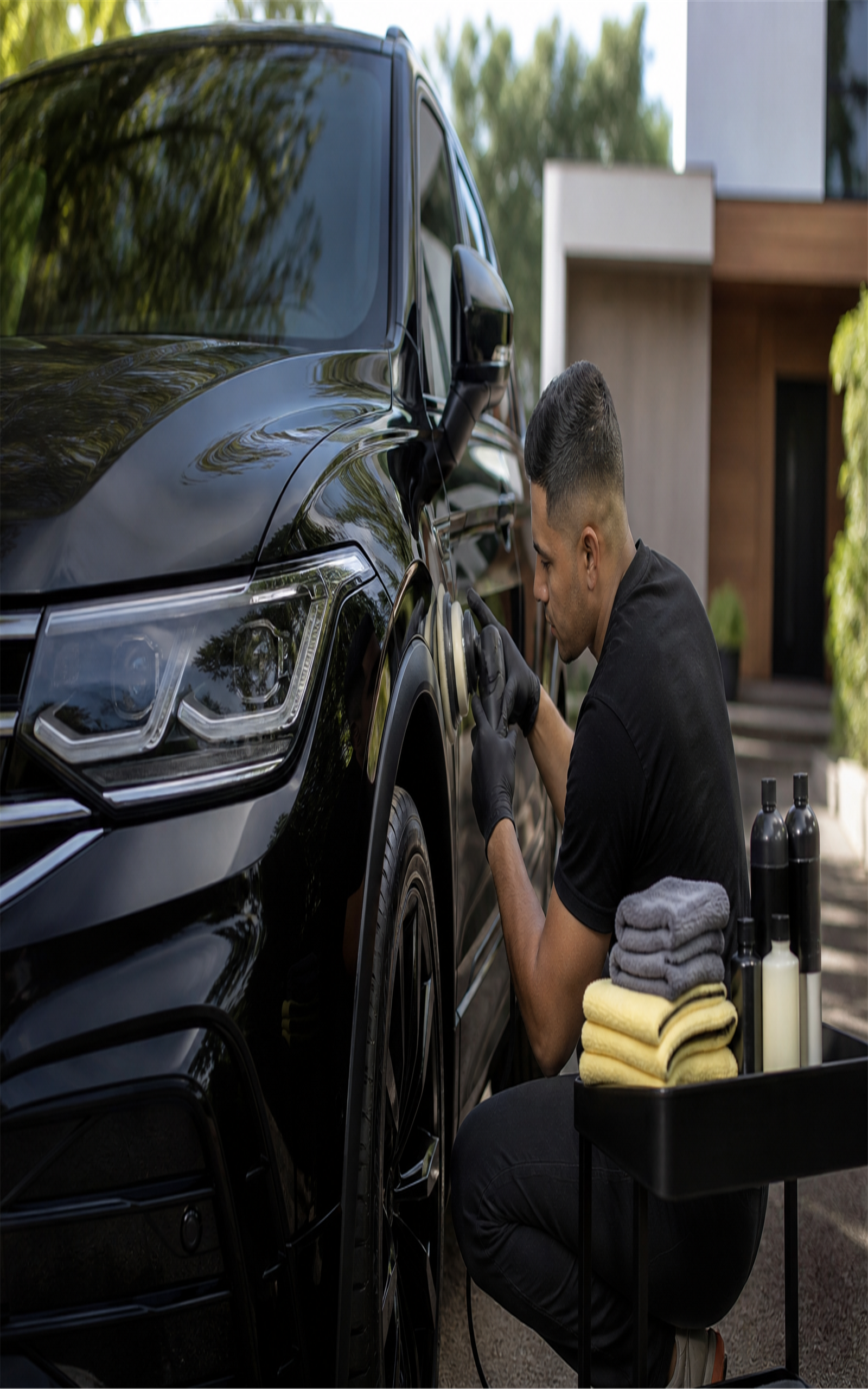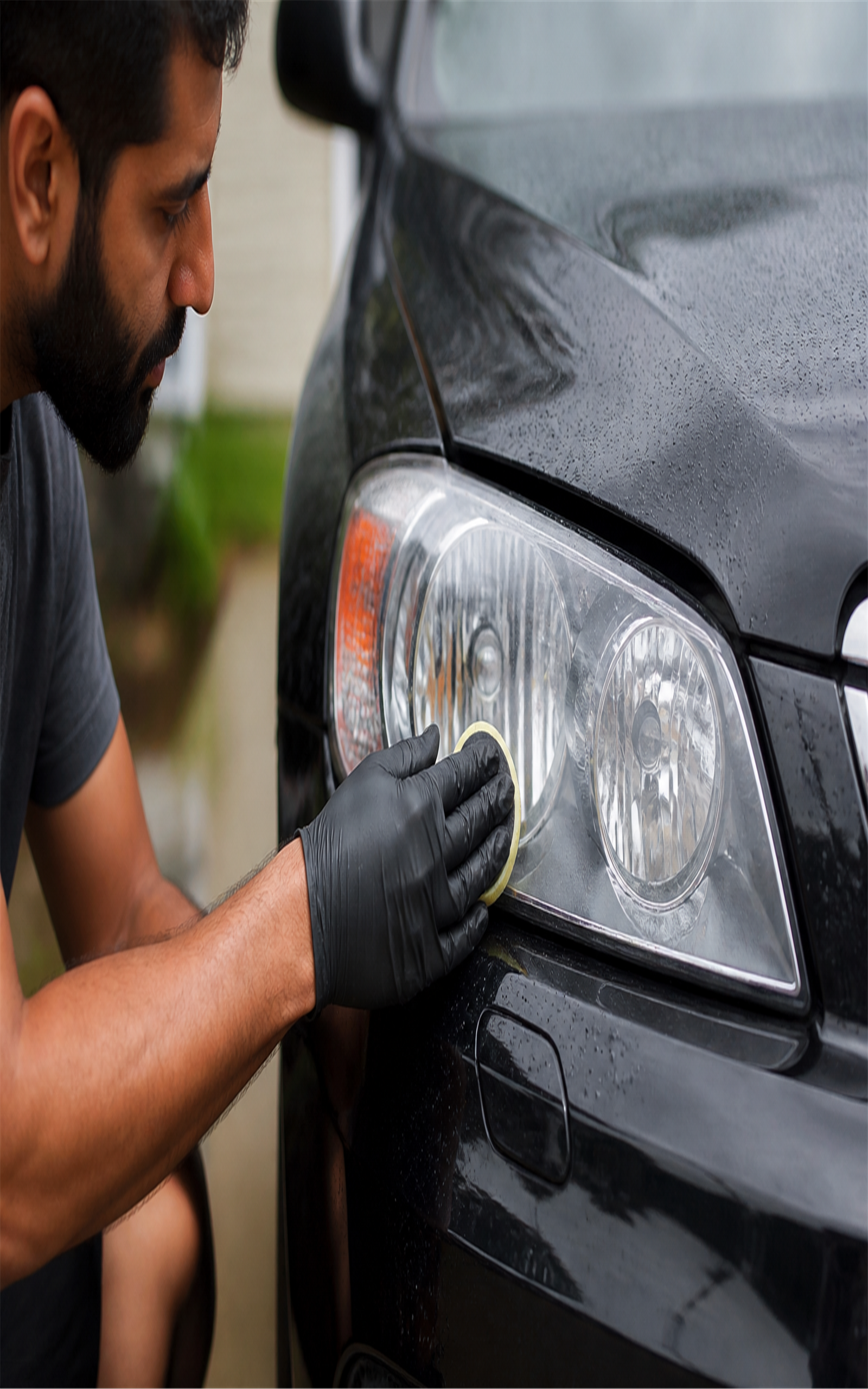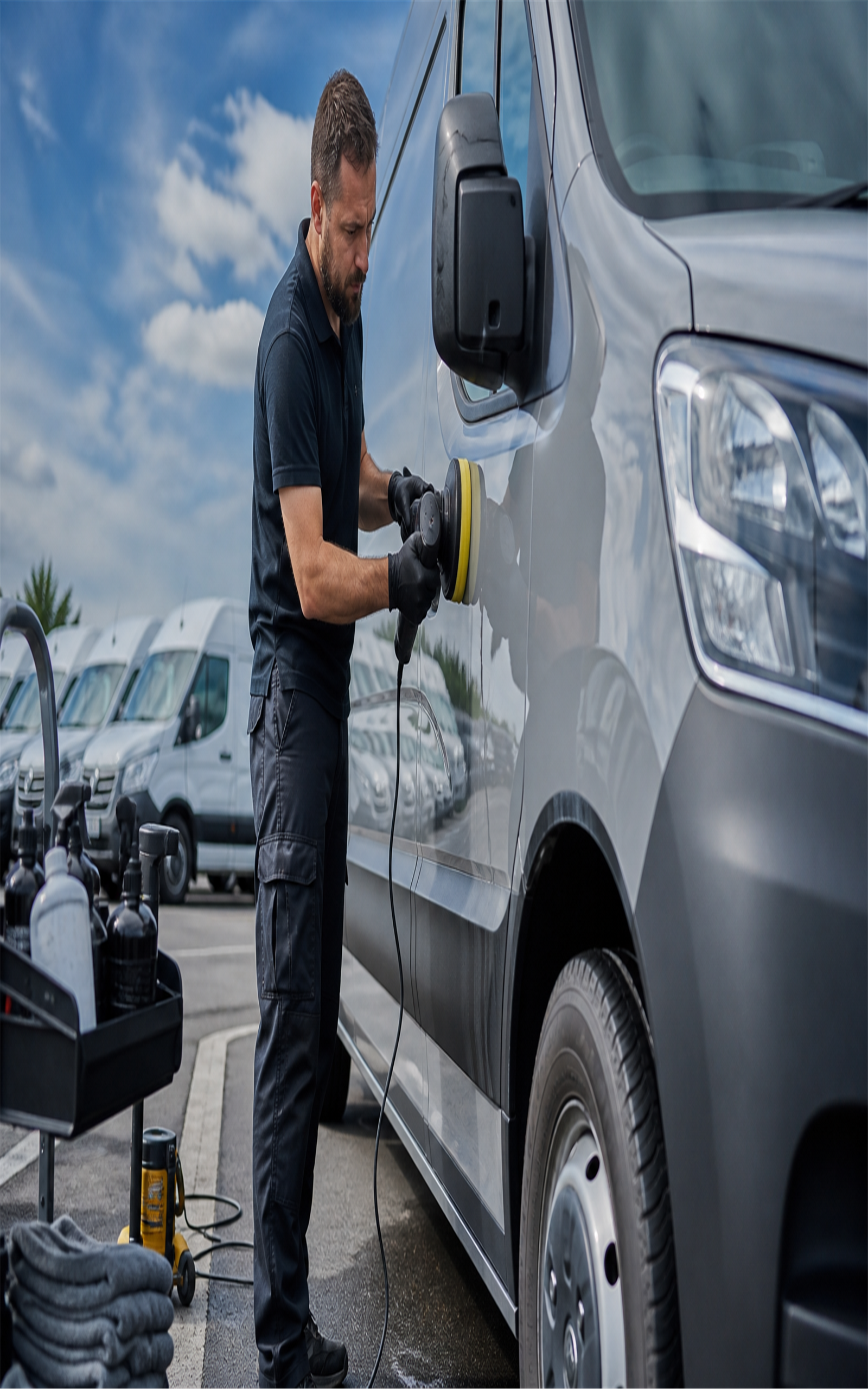
Find the Opportunity
Understand who hires PDR specialists and why assessment clarity wins mobile jobs.
A practical starting point for technicians launching PDR with clearer repair scopes, customer intake, and mobile workflow.
This page walks you through how to start a paintless dent repair business as a professional automotive service—not just pushing dents for neighbors without assessment discipline. You will learn who hires PDR specialists, how to assess dent repairability and set honest limits, how to define repair scope and production process, how to build mobile workflow and tool systems, how to price from real job costs, how clients find you, and how to grow with the operational reliability that defines a credible mobile repair operation.
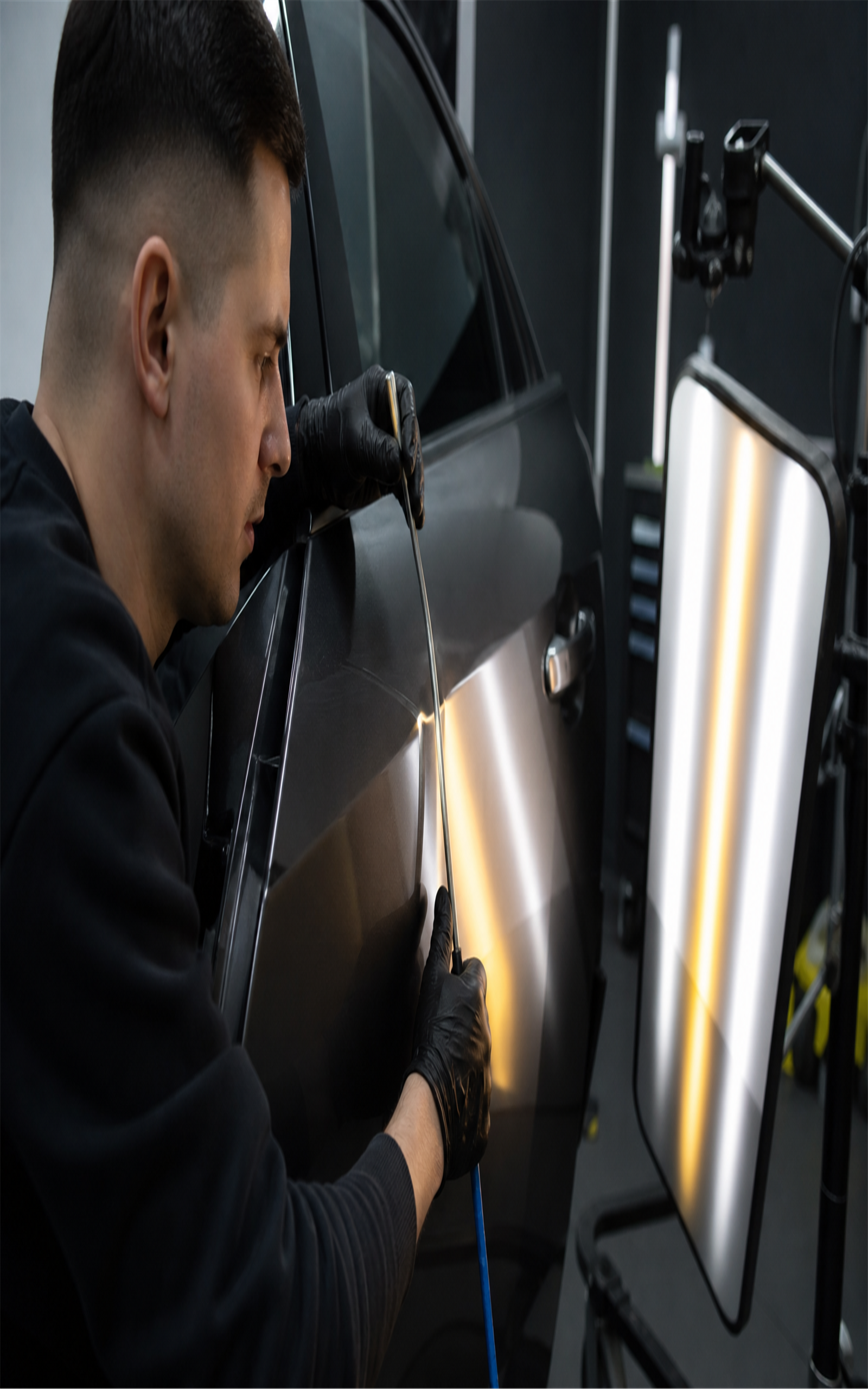
Understand who hires PDR specialists and why assessment clarity wins mobile jobs.
Grade dents and set honest limits before you quote or accept work.
Define finish standards and repeatable production sequences by dent type.
Build a field kit and on-site routines matched to your repair menu.
Quote PDR jobs from measured labor, access time, and travel.
Reach vehicle owners, dealers, and fleet accounts with a controlled launch.
Improve assessment accuracy and add capacity only when workflow holds.
A paintless dent repair business sells professional dent assessment, repairability decisions, controlled metal correction without repainting, and honest finish communication—not informal driveway work wherever someone points at a ding. You inspect damage before quoting, decide whether PDR fits the panel and paint condition, define repair scope clients can understand, perform work from documented access and technique choices, and explain what level of improvement they should expect. Buyers pay for confidence that dents fixable without a body shop will be corrected efficiently, that unrealistic jobs get referred honestly, and that mobile convenience does not mean sloppy intake or vague promises.
That distinction matters. Removing dents well is not the same as running a paintless dent repair business. Many capable technicians accept jobs without repairability grades, underprice access and trim removal time, or promise factory-perfect panels on stretched metal and cracked paint. Vehicle owners continue to hire PDR specialists when door dings accumulate, hail storms leave clusters across a roof, or dealership recon needs fast cosmetic improvement—but only when they believe the operator will assess honestly, communicate scope clearly, and show up with the mobile workflow to finish on schedule.
This guide walks you through how to start a paintless dent repair business with professional habits: finding your opportunity, assessing dent repairability, defining repair scope and process, building mobile workflow and tools, pricing from real job costs, winning first clients, and growing with the operational discipline that defines a credible automotive repair service. By the end, you should understand what the business is, what you need to prepare, and what to verify locally before accepting your first booking.
Vehicle owners, dealerships, and fleet managers hire paintless dent repair when dents can be corrected without repainting and mobile convenience saves shop downtime. Your first step is understanding who you serve and what they expect from a professional assessment—not assuming your technique alone creates demand.
PDR businesses succeed when clients understand the job before work starts: repairability grade, panels included, finish standard, access assumptions, timeline, and what happens when damage exceeds PDR limits. Buyers are not simply purchasing dent removal—they are purchasing confidence that honest assessment happened first, that body-shop referral comes when appropriate, and that mobile service still follows documented scope boundaries.
Different clients bring different expectations, decision speed, and repeat potential. Choose one primary profile for launch:
Often hire for door dings, parking-lot damage, and minor creases when repainting feels excessive. They compare on assessment honesty, mobile convenience, price clarity, and whether you explain finish limits—not always on the lowest per-dent rate alone.
Need fast cosmetic improvement before photos and lot placement. Consistent tier pricing, batch scheduling on lot days, and predictable finish standards matter more than custom artistry on exotic panels.
Prioritize standardized appearance across many units, volume pricing, and documented process so results look uniform across vans and trucks in the yard. Repeat contracts reward reliability over one-off perfection on a single sedan.
Observe your local market: who do existing PDR operators and mobile appearance businesses serve well, and where do vehicle owners still express frustration—technicians who over-promise on hail jobs, mobile no-shows, or operators who attempt PDR on paint that already cracked? Your opportunity often sits in assessment discipline and repair scope clarity as much as in pushing metal.
Automotive appearance businesses with defined service packages and mobile workflow—such as those in the mobile detailing business guide—show how scope clarity and professional intake sustain vehicle-service revenue. PDR adds repairability assessment and finish-standard communication on top of those patterns. When clients already trust a detail partner for appearance work, honest dent assessment becomes a natural extension if scope boundaries stay clear.
Practical takeaway: Write one paragraph describing your ideal first client and the job type you want most—single door dings, hail clusters, or dealership lot batches. List three questions they will ask before hiring—and make sure your future intake process answers them.
Before you quote any PDR job, grade each dent for size, depth, access, paint condition, and metal stress. Clients need honest repairability decisions—not optimistic yes answers that collapse when you open the door panel or discover cracked clear coat.
Every job should be assessed in person or through detailed photos under consistent lighting with a reflection board or line board when possible. Document:
Skipping assessment is how operators underbid a hail roof that needs six hours of access work—or accept a sharp crease on aluminum they cannot stabilize safely. A repairability grade document protects both you and the client when finish limits are physical, not motivational.
Each tier should translate technical limits into plain language:
Shallow door dings and minor dents with intact paint, reasonable access, and no severe creasing. Expected finish: significant improvement visible under normal viewing; minor tool marks acceptable only if disclosed and within your written standard.
Larger or deeper dents requiring glue-pull combinations, heat assistance, or extensive trim access. Expected finish: improved shape with documented limits on edge dents and body lines. Quote includes access time explicitly.
Damage where PDR improves appearance but will not reach showroom perfection—client signs acknowledgment before work starts. Prevents disputes when stretched metal or tight access caps results.
Cracked paint, severe creasing, structural concern, or panels better served by conventional repair and refinish. Honest referral protects reputation over forcing a PDR attempt that fails in direct sun.
Not every dent photo represents a job you should accept. Use intake questions to filter early:
Appearance services that grade condition before quoting—such as those in the headlight restoration business guide—reduce callback friction because clients understand physical limits before payment. PDR follows the same rule: a written repairability grade prevents arguments about whether a creased roof line should have disappeared entirely.
Practical takeaway: Create a one-page repairability checklist with photo examples for accept, borderline, and refer-out cases. Use it on your next ten inquiries—even informal ones—and note which questions you wish you had asked before quoting.
A paintless dent repair business lives or dies on repeatable process quality and written scope. Documented technique sequences, finish standards, and referral triggers determine whether clients trust your results—or compare every panel to an unrealistic body-shop quote they never intended to buy.
Clients hear "PDR" and imagine invisible repair. Your scope language must define what success looks like for each tier:
Align sales language with production reality. If you sell a premium hail package, your process card must show access steps, cluster counting method, and finish standard—otherwise scope claims become liability instead of marketing.
Professional PDR follows a repeatable workflow—not improvising access on each driveway:
Write the sequence for each major dent category you accept—door ding, quarter dent, hail cluster—and train every helper to the same standard. Skipping access documentation or rushing final line-board review creates the callbacks that destroy mobile margins.
Written scope prevents the most common PDR disputes:
Panel name, dent count, repairability grade, finish tier, price, and mobile visit window. Note if glue-pull marks require wipe-down and whether client expects same-day completion.
Cluster counting method, panel list, maximum dent size included, hourly cap or flat price, and weather reschedule policy. Define how newly discovered dents are priced mid-job.
Per-vehicle standard, lot access rules, volume tier pricing, and finish standard uniform across units. Pre-approved refer-out criteria for cracked paint or severe creases.
Commercial programs with recurring on-site demands—such as those described in the fleet detailing business guide—show how route-based scheduling and uniform checklists scale appearance and light repair work across many units. PDR fits naturally as a fleet add-on when repairability grades and finish standards are pre-approved by account managers.
Practical takeaway: Draft a one-page scope template for your most common job—single door ding or small hail package—with finish standard language a non-technician can understand. Read it aloud; if a client could still expect invisible repair on a creased panel, tighten the wording before quoting.
Most paintless dent repair businesses launch mobile because clients want convenience at driveways, office lots, and dealership rows. Your field kit, access routines, and dispatch discipline determine whether that convenience stays profitable—or becomes a series of under-equipped second trips.
Buy core equipment first; add specialty tools when repeated jobs justify the cost:
Track tool replacement and consumable cost in your pricing model. Glue tabs, clips broken during access, and worn tips are production cost—not personal overhead you absorb silently on every hail job.
Professional mobile PDR follows a repeatable sequence:
Vehicle owners and lot managers notice details beyond the dent itself:
Intake should collect exact vehicle location, gate codes, covered versus open-air workspace, whether someone must move fleet vehicles, and approval for trim removal before you load tools for dispatch. Surprises on arrival—blocked access, wrong vehicle on lot, or undisclosed prior body filler—are schedule killers on mobile routes.
Cluster appointments geographically when possible. Dealership half-days and neighborhood hail follow-ups protect travel margin better than chasing single dings across a wide metro each afternoon. Build realistic daily dent capacity from your timed process cards—not from optimism about how fast the next job will go.
Practical takeaway: Pack your mobile kit for your most common job type and run one real or practice repair through your full workflow checklist. Note any second trip caused by missing access tools or skipped intake questions—and fix those before your next quote.
Clients buy scoped dent correction and dependable mobile scheduling—not vague per-ding guesses that expand when access panels multiply. Pricing should reflect the repairability grade and production time you documented, not a rate copied from a technician in another market.
Consider every cost category that applies to your model:
Small retail dings carry disproportionate travel and setup cost. A twenty-minute correction forty minutes from your base is not priced like twenty minutes in your driveway. Build minimum visit fees or route-cluster policies that cover mobilization honestly—clients prefer transparent minimums over artificially low per-dent rates that balloon with trip charges later.
Retail quotes often use per-dent or per-panel tiers keyed to size and depth grades. Hail work benefits from matrix pricing—dent size bands multiplied by count—with explicit rules for oversize dents and double-panel areas. Dealer and fleet pricing uses volume tiers at defined lot minimums and pre-approved finish standards.
Separate line items for standard PDR, advanced access surcharges, and refer-out body-shop coordination help buyers understand the quote. Lot managers especially appreciate invoices that map cleanly to recon tickets and unit numbers.
Include payment terms, deposit requirements for hail dispatch, change-order triggers when assessment reveals additional panels or cracked paint, and fees for no-show access on site. Mobile labor is schedule-locked—travel to a lot where the client forgot to leave keys is cost you cannot recover on another job.
Track actual minutes and consumable cost on every early job against your estimate. Adjust production assumptions and pricing templates based on real results rather than initial guesses. Accurate quotes come from documented job costs and professional intake, not competitor guessing on social media.
Practical takeaway: Build a pricing spreadsheet with labor rates, access time factors, glue consumables, travel allowance, and overhead allocation. Complete it for your next three estimates, then compare projected costs to actuals after each job closes. Refine before scaling marketing.
Trust drives hiring decisions in paintless dent repair. Vehicle owners choose operators who assess honestly, explain finish limits clearly, and arrive when promised—not whoever sends the lowest per-dent text without seeing the damage.
Avoid advertising without assessment discipline behind it. Photos of completed repairs, clear repairability language, and reliable mobile scheduling demonstrate professionalism better than discount messaging alone.
Mobile appearance businesses with similar client-trust dynamics—such as those in the mobile detailing business guide—show how documented scope, professional intake, and repeat referral systems sustain service revenue. The operational pattern translates: clients hire services they believe will assess honestly, communicate clearly, and finish as promised.
Practical takeaway: Land your first three jobs through direct outreach to detail partners, a small dealer, or neighborhood hail follow-up—before spending on ads. Document every repairability question clients raise and refine your intake templates after each conversation.
Growth means adding jobs and capacity only when assessment accuracy, mobile readiness, and finish-standard communication stay consistent—not accepting every dent photo because your calendar has room.
A sensible progression:
Adding helpers introduces quality control. Document process cards with photo examples, conduct joint walkthroughs on early jobs together, and review estimate-to-actual minute variance monthly. One inconsistent hail finish on a lot of fifteen units can damage the reputation that took seasons to build.
Track metrics that matter: estimate-to-actual hour variance, callback rate, repeat dealer bookings, route-day utilization, and jobs completed at your agreed finish standard—not vanity metrics like total social followers. Fix assessment and access bottlenecks before marketing harder.
Business registration, mobile automotive-service rules, and insurance requirements vary significantly by jurisdiction. Create an investigation checklist and confirm each item with your local business licensing office and insurance agent:
The SBA guide to launching a business helps with general registration and planning steps, but it does not replace local automotive-service rules. Start your research early—some registrations take weeks, and operating without required coverage can invalidate claims.
Practical takeaway: After your first ten completed jobs, identify your most common repairability miss and your strongest referral source. Fix the intake or tool-kit issue before adding a second technician or expanding your service radius.
Use this four-week outline to move from interest to a controlled first booking. Each week builds on the last for a paintless dent repair business launch.
Confirm these essentials before you accept a booking or load tools for your first paid PDR job.
A paintless dent repair business is a professional automotive service that assesses body damage, determines whether dents can be corrected without repainting, performs controlled metal manipulation from defined access points, and delivers results under written repair scope—not informal driveway work without repairability limits or customer intake. Success depends on honest assessment before quoting, clear scope boundaries, mobile workflow discipline, and communication clients can trust.
Inspect each dent under consistent lighting before you quote. Document dent size, depth, location on the panel, access to the back side, paint condition, prior bodywork, stretched metal, creases, and edge proximity. Take photos from multiple angles and note whether glue-pull, push-from-behind, or blended techniques apply. A written repairability grade prevents accepting jobs that belong in a body shop and protects you when physical limits affect the final result.
List the dent types and panel areas you accept—such as door dings, hail clusters within defined size limits, and accessible quarter-panel damage—and the conditions you decline or refer out, including cracked paint, severe creasing, aluminum panels beyond your certification, and damage requiring filler or repaint. Document scope on every estimate: panels included, access assumptions, finish standard, and what triggers a body-shop referral. Written boundaries prevent jobs from expanding into unprofitable or unrealistic territory.
Build a mobile kit matched to your accepted scope: LED inspection lighting, dent rods and picks staged by length and tip profile, glue-pull tabs and removal tools, knockdowns, blending hammers, heat sources where appropriate, panel access wedges, protective trim tools, and organized transport that keeps production moving on site. Add specialty tools only when repeated jobs justify the cost. A staged kit aligned to your repair menu keeps startup costs controlled while letting you deliver professional results on defined dent types.
Explain that PDR improves panel shape without repainting—it does not make every dent disappear to factory-new perfection. Share realistic finish standards based on dent severity, panel material, and access constraints. Document exclusions for paint damage, stretched metal, and prior poor repairs. Written finish-level language and before photos prevent disputes when clients compare results to a brand-new panel or a full repaint quote they did not choose.
Build pricing from labor minutes per dent grade and panel access level, glue and consumables, equipment wear, travel for mobile work, overhead, callback reserve, and desired margin. Assess dents on site or through detailed photos before quoting, account for hail-cluster counting and trim removal time, and test prices in a spreadsheet using your production rates—not unverified competitor numbers. Adjust after comparing estimates to actual job costs.
Follow a repeatable sequence: inquiry and repairability screening, on-site or photo assessment, written proposal with finish standard, pre-job confirmation, production per checklist, quality review under inspection light, and client walkthrough. Intake should capture vehicle access, power availability, panel photos, prior damage history, and approval for trim removal before work starts. Consistent workflow reduces callbacks and protects margins on mobile jobs.
Start with a defined client profile and controlled launch. Reach local buyers through search listings, dealership relationships, detail partner referrals, fleet yard outreach, and neighborhood word-of-mouth where appropriate. Professional repairability grades, honest before-and-after photos, and reliable mobile scheduling convert interest faster than vague low bids.
This paintless dent repair business example was developed using eBook Business Builder—the workflow used to structure the guide, free lead magnet, offer assets, email series, and marketing content you see in the EBB Showroom below.
If you want to create your own eBook business around a topic you know, EBB walks you through research, writing, assets, and launch in a repeatable system. See how business assets fit together and launch marketing for your eBook business to understand the full EBB build model.
Start Building with eBook Business Builder →The flagship guide explains how to start a paintless dent repair service—dent assessment, repairability limits, repair scope clarity, mobile workflow, pricing, and client communication—in a structured eBook format.
Chapters walk readers through evaluating the opportunity, assessing dent repairability, defining repair scope and process, building mobile workflow and tools, pricing from real job costs, winning first clients, and growing operations without sacrificing assessment discipline.
First Repairs & Assessment Setup — a lead magnet that helps readers evaluate whether PDR work fits their skills and identify sensible first steps before accepting bookings.
Many technicians accept PDR jobs without repairability grades, finish-standard language, or mobile workflow planning that protects margins and client trust.
Foundational first steps, common early mistakes to avoid, and a simple action plan readers can use before committing to client bookings or service launches.
Removes dents informally but unsure how to assess repairability and run a PDR business professionally.
Prepared with the fundamentals needed to grade dents honestly, define repair scope, organize mobile tools, and deliver PDR work with reliable client communication.
Paintless Dent Repair Startup Program
A practical flagship guide for readers ready to move from interest to action—with clear first steps and professional service habits for dependable paintless dent repair work.
Tools & References