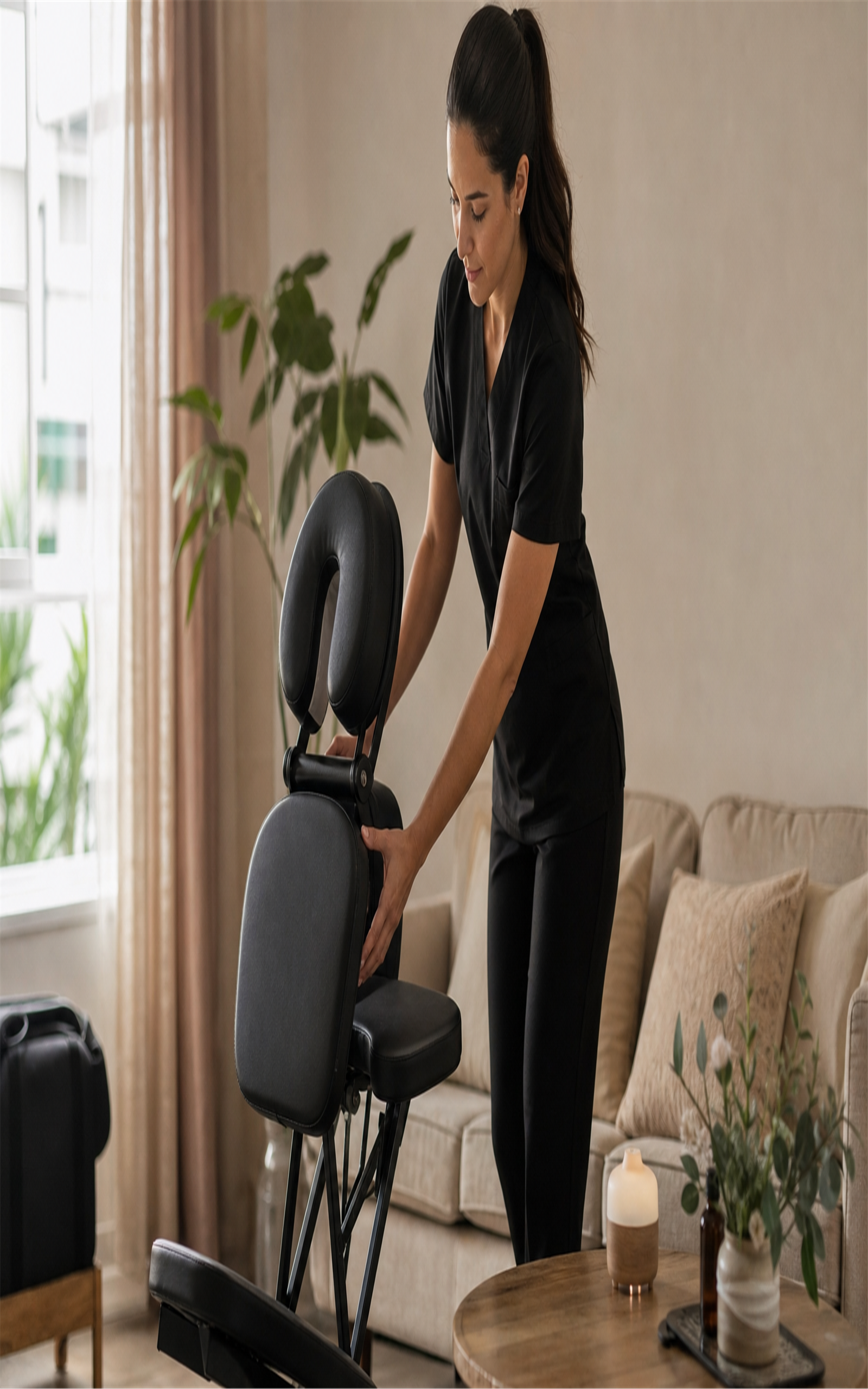
Find the Opportunity
Understand who hires mobile stretching and why package clarity wins.
A practical starting point for practitioners who want to launch a mobile stretching service with clearer session packages, booking habits, and on-location workflow basics.
This page walks you through how to start a mobile stretching business as a professional wellness service—not informal stretching without session boundaries or inappropriate health claims. You will learn who hires mobile stretching practitioners, how to define wellness session packages, how to set scope boundaries without medical claims, how to build booking and on-site workflow, how to price from real costs, how to win first sessions, and how to grow with the operational discipline clients and corporate partners expect.
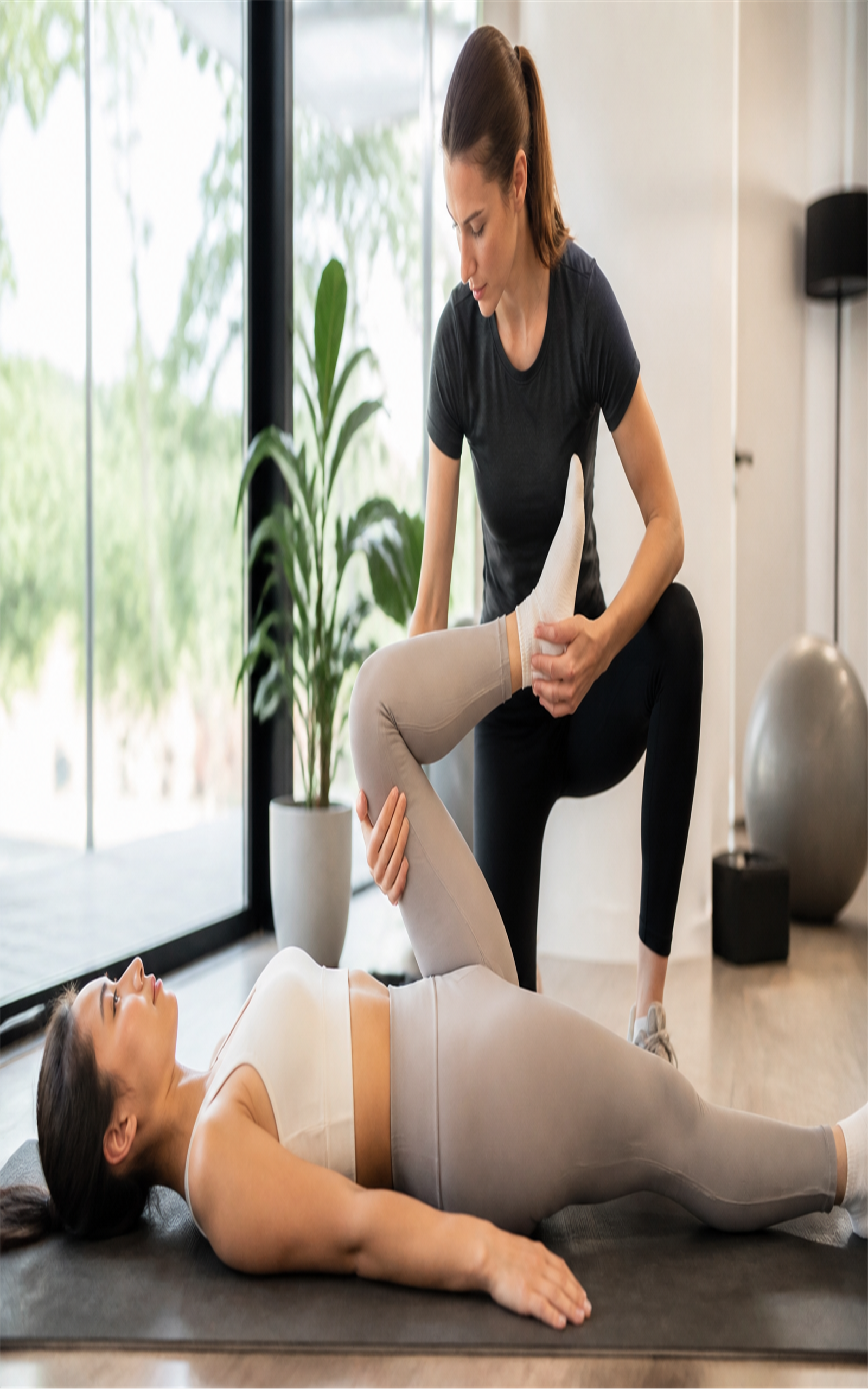
Understand who hires mobile stretching and why package clarity wins.
Decide what wellness sessions you offer and what you refer out.
Investigate local rules and set non-medical scope boundaries.
Build intake, confirmation, and repeatable on-location session routines.
Quote sessions from measured labor, travel, and overhead.
Reach professionals, gyms, and corporate clients with a controlled launch.
Improve booking density and add capacity only when workflows hold.
A mobile stretching business delivers defined wellness and mobility-support sessions at the client's location under written session menus and professional boundaries—not informal flexibility work without booking discipline or inappropriate health claims. You assess each inquiry, confirm the session fits your scope and credentials, quote from real costs, travel with the equipment your packages require, guide stretching within wellness boundaries, and finish sessions clients can rebook confidently. Buyers pay for clarity about session duration, what is included, when you will arrive, and assurance that services support general flexibility—not medical diagnosis or treatment.
That distinction matters. Being skilled at assisted stretching is not the same as running a mobile stretching business. Many capable practitioners accept sessions without package limits, underprice travel time, use marketing language that implies medical outcomes, or work with clients whose conditions belong in clinical care. Busy professionals, gym members, corporate wellness coordinators, and active adults continue to hire mobile stretching when convenience and professional session structure feel dependable—but only when they believe the practitioner will arrive on schedule, stay within agreed wellness scope, and refer clinical concerns appropriately.
Important scope note: This guide addresses wellness and mobility-support services only. It does not provide medical advice, and it does not describe how to diagnose, treat, or rehabilitate injuries. Verify what services you are authorized to offer in your jurisdiction and refer clients to licensed healthcare providers when symptoms exceed your scope.
This guide walks you through how to start a mobile stretching business with professional habits: finding your opportunity, defining session packages, setting boundaries and investigating local setup, building booking and on-location workflow, pricing from real costs, winning first sessions, and growing with operational discipline. By the end, you should understand what the business is, what you need to prepare, and what to verify locally before accepting your first booking.
Busy professionals, gym members, and corporate wellness programs hire mobile stretching when traveling to a studio is impractical and on-location convenience must still feel professional. Your first step is understanding who you serve and what they expect from defined wellness sessions—not assuming your flexibility skill alone creates demand.
Mobile stretching businesses succeed when clients understand the session before you arrive: package tier, duration, focus areas described in wellness terms, space requirements, and what happens if health screening suggests referral to a medical provider. Buyers are not purchasing clinical treatment—they are purchasing guided mobility support from a practitioner who communicates clearly and respects professional boundaries.
Often book shorter mobility sessions at home or office to address stiffness from long sitting—not to treat diagnosed conditions. They compare on reliability, clear session descriptions, and professional conduct—not always on the lowest per-minute rate alone.
Want assisted stretching as a complement to training—recovery support and range-of-motion work described in wellness language. Consistent scheduling and package clarity support repeat bookings after workouts or on rest days.
Coordinators arrange on-site stretch breaks for employees or athletes at events. Written scope, insurance certificates, and non-medical marketing language support recurring contracts once trust is established.
Observe your local market: who do existing stretch studios, massage therapists, and coaches serve well, and where do clients still express frustration—vague session descriptions, practitioners who overpromise outcomes, or bookings that feel unstructured? Your opportunity often sits in operational clarity and boundary discipline as much as in technique.
Corporate wellness budgets and gym partnerships create route-density potential similar to mobile car wash maintenance days—one office building with four back-to-back thirty-minute sessions can cover travel cost that a single home appointment cannot. Evaluate whether your launch model emphasizes individual rebookings, corporate blocks, or a mix, and build intake templates matched to that choice from day one.
Adjacent wellness businesses—such as those in the meditation business guide, coaching business guide, and mobile massage business guide—show how defined packages and professional intake sustain on-location wellness revenue. Mobile stretching sits in that ecosystem; knowing when to refer clients to clinical providers or licensed massage therapists is part of the business model.
Practical takeaway: Write one paragraph describing your ideal first client and session type—express office sessions, post-workout mobility, or corporate wellness blocks. List three questions they will ask before booking—and make sure your future intake process answers them without medical claims.
Before you quote mobile stretching sessions, decide what you offer, what you refer out, and how you document both on every booking. Clients need packages they can compare—not open-ended "stretch whatever hurts" sessions that drift into clinical territory or unpriced add-ons.
Twenty- to thirty-minute focused stretching for desk workers or busy schedules—neck, shoulders, hips, and back emphasis described as general flexibility support, not pain treatment.
Forty-five- to sixty-minute session covering major muscle groups with assisted and passive techniques within your training and scope. Best for clients who want a complete mobility routine at home or office.
Short sequential sessions for multiple participants at a workplace or event—defined duration per person, setup requirements, and coordinator contact spelled out in writing.
Acute injury, numbness or radiating pain, pregnancy complications, post-surgical rehabilitation, and any condition requiring clinical assessment. Naming these upfront protects clients and your business.
The coaching business guide emphasizes defining deliverables before marketing—a lesson that applies directly here. Wellness language should describe experience and scope, not guaranteed medical outcomes.
Practical takeaway: Draft a one-page session menu with at least three named tiers and five refer-out categories. Read it aloud—if it sounds like physical therapy or pain treatment marketing, revise language to wellness and mobility support before publishing prices.
Wellness service regulations and credential expectations vary by jurisdiction. Your investigation framework and marketing boundaries matter as much as your technique—verify locally before accepting paid sessions and never imply qualifications or outcomes you cannot support.
"Mobility support," "flexibility session," "assisted stretching for general wellness," "help you feel looser and move more comfortably"—when aligned with honest scope and client experience.
Do not claim to treat injuries, fix herniated discs, cure chronic pain, replace physical therapy, or deliver clinical rehabilitation unless you are licensed and operating within that authorized scope.
When clients report acute pain, recent surgery, dizziness, numbness, or unexplained symptoms, decline or postpone the session and refer them to a medical provider. Document the referral recommendation professionally.
Separate business banking, scheduling software, a basic bookkeeping routine, and documented payment policies protect you as much as insurance does. Decide whether corporate clients invoice monthly, how late cancellations work, and what happens when a site lacks the space described during intake.
The meditation business guide addresses similar wellness positioning challenges—clear scope and appropriate client expectations. Mobile stretching operators benefit from the same disciplined language habits from day one.
Even when your jurisdiction does not require a specific stretching license, clients and corporate partners may expect visible training—flexibility specialist certifications, personal training credentials, yoga or Pilates backgrounds, or documented continuing education. List credentials honestly on your booking page; do not imply clinical training you do not hold. If you pursue additional certifications, choose programs aligned to assisted stretching and wellness scope rather than clinical rehabilitation unless you plan to operate under separate licensed authority.
Separate business banking, scheduling software with automated reminders, and a basic bookkeeping routine reduce friction as rebookings grow. Decide whether corporate clients pay net-thirty while individuals pay at session, and document late-cancellation fees before your calendar fills.
Practical takeaway: Review your website, intake form, and social bios for medical-sounding claims. Complete your licensing checklist with dated notes from official sources. Do not accept bookings until insurance and written wellness disclaimers are in place.
A mobile stretching business runs on booking systems that capture the right information before you travel and session workflows that deliver consistent wellness experiences on site. Improvised intake and unclear setup erode trust faster than any competitor's lower session rate.
The mobile massage business guide covers related on-location habits—access codes, privacy, and professional arrival windows—that translate directly to mobile stretching bookings.
Corporate sessions require coordinator contact details, employee sign-up procedures, liability acknowledgments appropriate to your scope, and setup time before the first participant arrives. Event bookings need defined participant flow—one practitioner cannot serve an unlimited walk-up line without extending session times beyond your package. Quote corporate blocks with setup, production, and breakdown minutes explicitly, and cap participants per hour based on your tested throughput.
Track booking-source and rebook rate from the first month. If gym partnerships produce repeat clients but corporate one-offs do not, adjust outreach before expanding travel radius. Mobile wellness revenue grows when density and rebooking compound—not when every session requires a long drive for a single thirty-minute appointment.
Practical takeaway: Publish your intake form and run one mock booking through the full confirmation and session checklist. Fix gaps in health screening or travel buffers before your first paid appointment.
Clients buy defined session time and professional wellness delivery—not vague prices that ignore travel or setup. Pricing should reflect the full cost of the documented session and the schedule that delivers it.
Mobile sessions carry disproportionate travel cost. Build session-length tiers, travel zones, and corporate block pricing that cover mobilization honestly.
Fixed session tiers work for individual clients. Per-person corporate event pricing or monthly workplace wellness contracts suit coordinators who need predictable billing. Include cancellation windows, no-show fees, and policies for insufficient space on arrival—minutes waiting in a lobby because the conference room was double-booked are cost you cannot recover on another session that hour.
Consider package bundles for rebooking: three-session packs or monthly membership-style pricing can improve cash flow when scoped clearly as wellness support with expiration dates and cancellation rules. Do not bundle clinical promises—bundle session time and focus areas only.
Track actual drive time and session duration on every early booking against your estimate. Adjust zone pricing based on real results. The coaching business guide emphasizes sustainable pricing from documented engagement costs—a discipline that applies equally to mobile wellness sessions.
Practical takeaway: Build a pricing spreadsheet with session rates, travel allocation, and overhead. Complete it for your next three booking types, then compare projected costs to actuals after each session. Refine before scaling outreach.
Trust drives booking decisions in wellness work. Professionals and corporate coordinators choose practitioners who communicate clearly, respect boundaries, and arrive prepared—not whoever makes the strongest unverifiable health claims.
Avoid advertising without boundary discipline behind it. Clear session menus, wellness-appropriate language, reliable scheduling, and professional conduct demonstrate credibility better than before-and-after pain claims.
Wellness businesses with similar trust dynamics—such as those in the meditation business guide and mobile massage business guide—show how defined packages and referral systems sustain on-location revenue.
Practical takeaway: Land your first three sessions through direct outreach to gyms or office managers who match your target profile—before spending on ads. Document every screening question they raise and refine your intake after each conversation.
Growth means adding sessions and corporate blocks only when booking accuracy, boundary discipline, and session quality stay consistent—not accepting every request because your calendar has gaps.
Track metrics that matter: sessions per week, drive time per booking, rebook rate, refer-out rate, corporate repeat bookings, and referral source—not vanity social metrics. Fix intake and boundary gaps before marketing harder.
Adding a second practitioner introduces scheduling and quality control. Document session flow with time benchmarks, observe early corporate events together, and review client feedback monthly. One practitioner who uses clinical language or ignores screening questions can undermine the wellness positioning the business depends on.
Desk-worker demand often peaks after holiday travel or tax season; gym partnerships may surge around New Year resolutions or summer training blocks. Plan modest seasonal campaigns that emphasize mobility support and recovery—not injury treatment—and coordinate with meditation or coaching partners for bundled corporate wellness days when scopes stay clearly separated.
Practical takeaway: After your first twenty sessions, identify your most common screening surprise and your strongest referral source. Fix the intake issue before adding corporate volume or expanding your travel area.
Use this four-week outline to move from interest to a controlled first session. Each week builds on the last for a mobile stretching business launch.
Confirm these essentials before you accept a booking or travel to your first paid mobile stretching appointment.
A mobile stretching business delivers defined wellness and mobility-support sessions at the client's location under written session menus and professional boundaries. Success depends on clear packages, appropriate wellness language, reliable booking habits, and referring clinical concerns to licensed providers.
No. This guide focuses on general wellness and flexibility support—not diagnosis, treatment, or rehabilitation. Refer clients with clinical needs to licensed healthcare providers unless you hold separate authorized credentials.
Requirements vary by jurisdiction. Verify business licensing and any regulations covering assisted stretching, fitness, or bodywork services locally before accepting paid sessions.
List specific tiers with duration, focus areas described in wellness terms, and refer-out triggers. Document inclusions on every booking confirmation.
Use intake forms with health screening, written confirmations with wellness disclaimers, travel zones, calendar buffers, and clear cancellation policies.
Build pricing from labor, travel, equipment, insurance, overhead, and margin. Use session-length tiers and travel zones tested against your actual production times.
Follow inquiry screening, written confirmation, pre-session health check, on-site delivery per package, payment, and optional internal notes—referring clinical red flags promptly.
Start with a defined client profile and controlled launch packages. Reach professionals, gyms, and corporate wellness coordinators through local search, partnerships, and referrals—with wellness-appropriate marketing only.
This mobile stretching business example was developed using eBook Business Builder—the workflow used to structure the guide, free lead magnet, offer assets, email series, and marketing content you see in the EBB Showroom below.
If you want to create your own eBook business around a topic you know, EBB walks you through research, writing, assets, and launch in a repeatable system. See how business assets fit together and launch marketing for your eBook business to understand the full EBB build model.
Start Building with eBook Business Builder →The flagship guide explains how to start a mobile stretching service—session packages, booking setup, wellness boundaries, on-location workflow, and client communication—in a structured eBook format.
Chapters walk readers through evaluating the opportunity, defining what you offer and refer out, investigating local setup without medical claims, building booking and session workflow, pricing from real costs, winning first sessions, and growing operations without sacrificing scope clarity.
First Sessions & Booking Setup — a lead magnet that helps readers evaluate whether mobile stretching work fits their goals and identify sensible first steps before accepting bookings.
Many practitioners accept mobile stretching sessions without package boundaries, booking discipline, or wellness-appropriate marketing that protects client expectations.
Foundational first steps, common early mistakes to avoid, and a simple action plan readers can use before committing to client bookings or service launches.
Skilled at assisted stretching but unsure how to define wellness sessions and run a mobile booking business professionally.
Prepared with the fundamentals needed to screen clients, set up booking, maintain boundaries, and deliver dependable sessions on schedule.
Mobile Stretching Startup Program
A practical flagship guide for readers ready to move from interest to action—with clear first steps and professional service habits for dependable mobile wellness sessions.
Tools & References