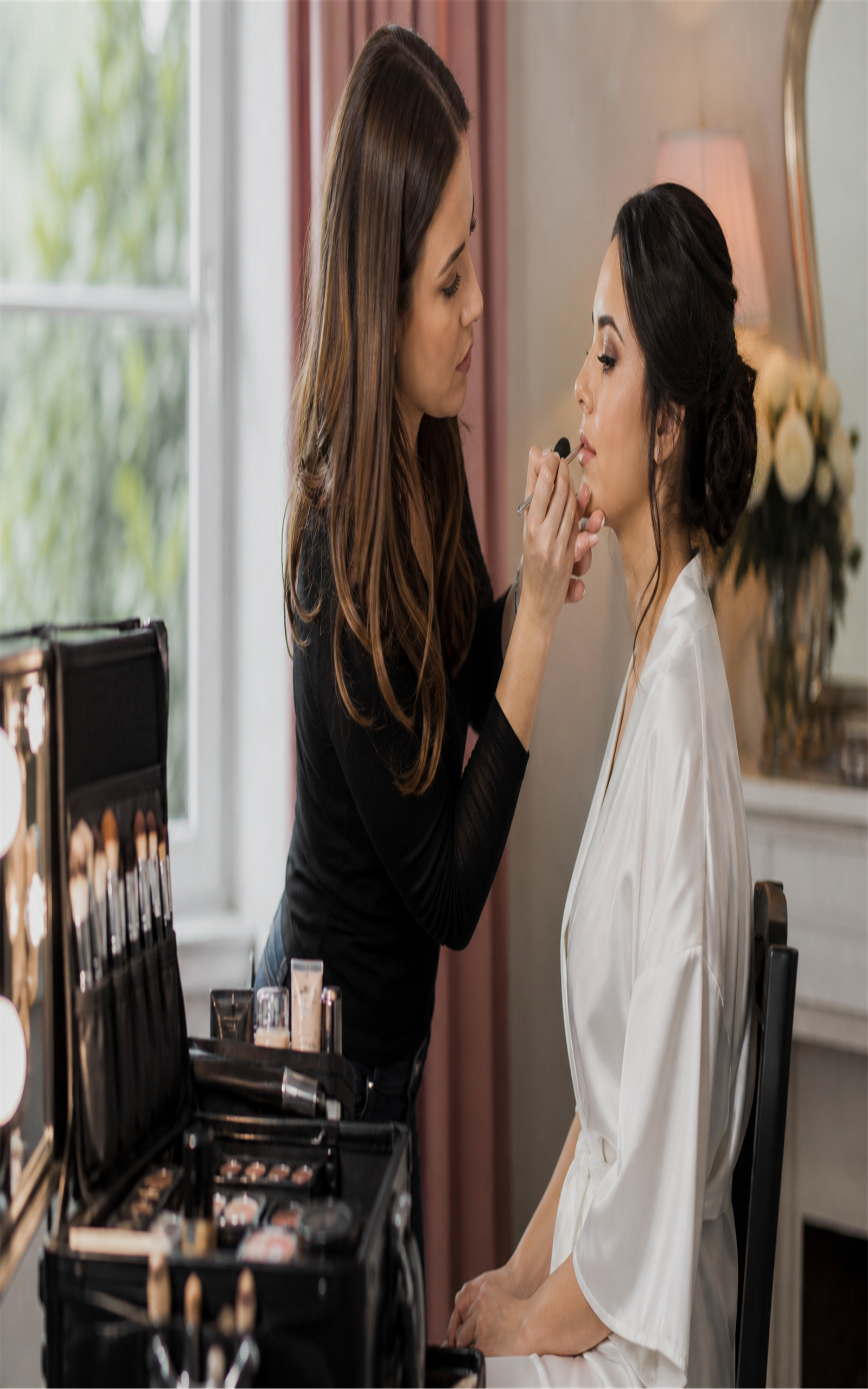
Find the Opportunity
Understand who hires mobile massage therapists and why package clarity wins on-location work.
A practical starting point for therapists who want to launch a mobile massage service with clearer session packages, client intake, and on-location workflow basics.
This page walks you through how to start a mobile massage business as a professional on-location wellness service—not informal bodywork for friends without intake discipline or booking clarity. You will learn who hires mobile massage therapists, how to define session packages clients can compare, how to investigate licensing and business setup locally, how to build portable setup and professional boundaries for every location, how to price from real session costs, how clients find you, and how to deliver dependable results at homes, offices, and events.
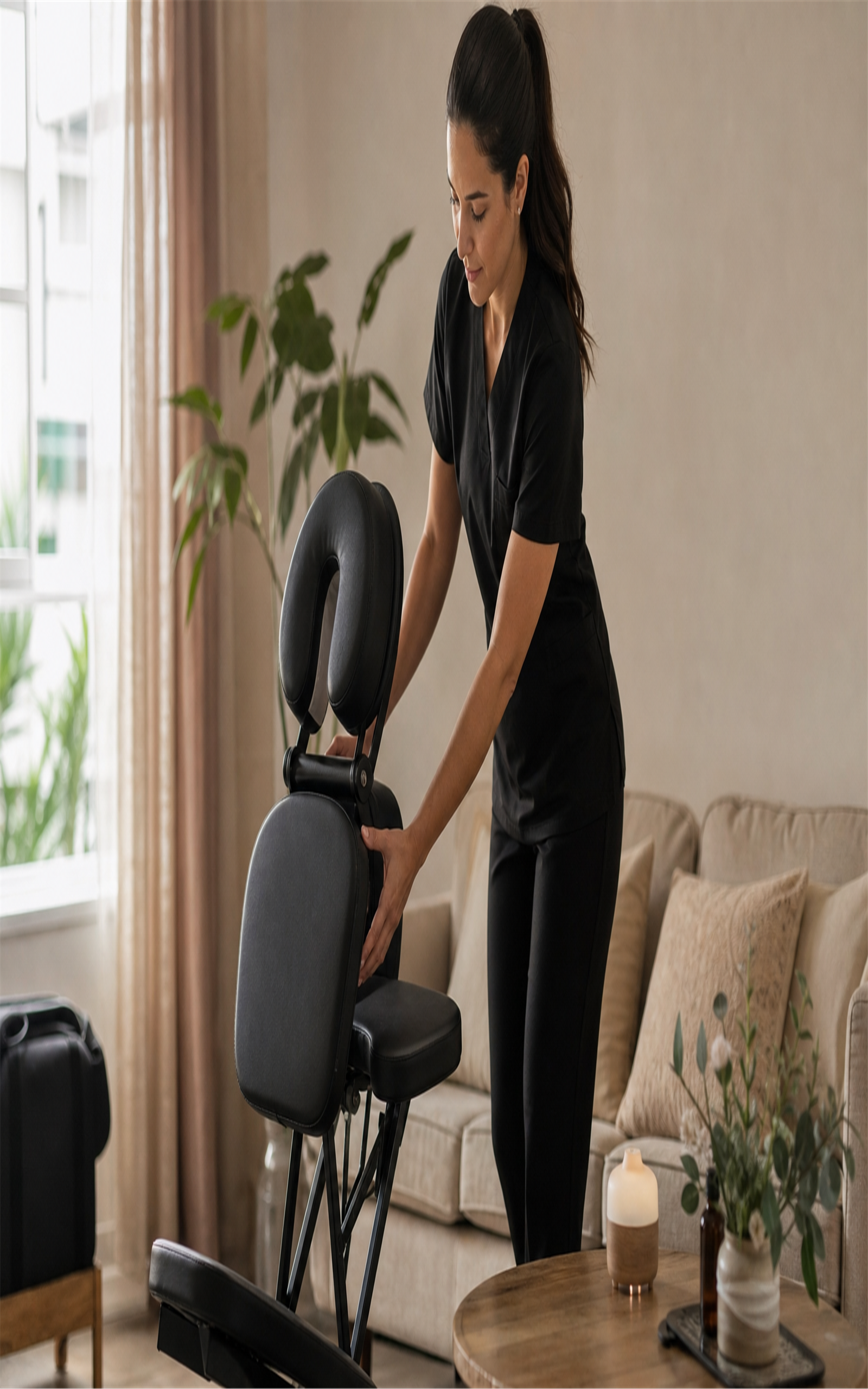
Understand who hires mobile massage therapists and why package clarity wins on-location work.
Decide what you offer, what you refer out, and how you document every booking.
Investigate local massage therapy and business rules before marketing paid sessions.
Build professional boundaries and a portable kit matched to your accepted packages.
Quote sessions from measured labor, travel, linens, and setup time.
Reach professionals, corporate clients, and event hosts with a controlled launch.
Improve intake accuracy and add capacity only when workflows stay consistent.
A mobile massage business delivers defined massage and bodywork sessions at the client's location under written session packages, professional boundaries, and intake protocols—not informal table work without consent documentation or booking clarity. You assess each inquiry, decide what fits your license and portable setup, quote from real costs, carry equipment your menu requires, and finish sessions clients can sign off on. Buyers pay for clarity about which modalities are included, how long the session lasts, when you will arrive, and what professional standards you maintain on site.
That distinction matters. Being skilled with hands-on bodywork is not the same as running a mobile massage business. Many capable therapists accept bookings without package limits, underprice travel and setup time, or arrive without adequate space planning or intake documentation. Clients hire mobile massage when convenience and professionalism feel dependable—but only when they believe the therapist will show up prepared and maintain appropriate boundaries.
This guide walks you through how to start a mobile massage business with professional habits: finding your opportunity, defining session packages, investigating licensing, building portable setup and workflow, pricing from real costs, winning first sessions, and growing with operational discipline. By the end, you should understand what the business is and what to verify locally before your first booking. This guide addresses wellness bodywork and business operations—not medical diagnosis or clinical rehabilitation programs.
Busy professionals, corporate wellness programs, and event hosts hire mobile massage therapists when clinic visits are impractical and on-location convenience must still feel professional. Your first step is understanding who you serve and what they expect from defined session packages—not assuming your technique alone creates demand.
Mobile massage businesses succeed when clients understand the session before you arrive: modality list, duration, draping and privacy expectations, setup needs, parking or access requirements, and what happens if the location lacks adequate floor space or quiet. Buyers are not simply purchasing relaxation—they are purchasing confidence that defined wellness bodywork will be delivered with professional boundaries and reliable scheduling at their home, office, or venue.
Different clients bring different expectations, booking windows, and repeat potential. Choose one primary profile for launch:
Often book chair or table sessions at home offices, apartments, or hotels between travel and meetings. They compare on punctuality, discretion, and consistent pressure—not only on the lowest per-hour rate. Repeat bookings depend on intake efficiency and minimal disruption to their schedule.
Hire chair massage for employee appreciation days, conference breaks, or recurring wellness programs. They need defined per-chair duration, staggered scheduling, and a lead contact for day-of coordination—not open-ended "massage until everyone is done" language.
Book table sessions at residences, vacation rentals, or hotel suites for couples packages, post-travel recovery-focused relaxation, or special occasions. They value clear package descriptions, credential visibility, and a therapist who resets the space professionally before leaving.
Observe your local market: who do existing mobile therapists and clinic practices serve well, and where do clients still express frustration—vague package descriptions, late arrivals, unclear draping communication, or therapists who accept every request without professional limits? Your opportunity often sits in operational clarity and on-location professionalism as much as in hands-on skill.
Wellness and on-location service businesses with overlapping client bases—such as those in the mobile beauty business guide, meditation business guide, and coaching business guide—show how defined offers and professional intake sustain mobile revenue. Corporate wellness programs often bundle massage with mindfulness or coaching-adjacent services; knowing when to partner versus compete is part of the business model.
Practical takeaway: Write one paragraph describing your ideal first client and the session type you want most—single home table sessions, recurring corporate chair blocks, or couples packages. List three questions they will ask before booking—and make sure your future intake process answers them.
Before you quote mobile massage sessions, decide what you offer, what you refer out, and how you document both on every booking confirmation. Clients need packages they can compare—not open-ended "massage hours" that expand whenever someone requests an unbooked modality or extended time.
Each package on your menu should list specific modalities, duration, inclusions, exclusions, and referral triggers:
Swedish relaxation, deep tissue within your training scope, or sports-focused bodywork with stated duration—typically 60, 90, or 120 minutes including intake and draping time. Define pressure customization limits and whether aromatherapy or hot stones are add-ons priced separately.
Per-chair blocks of 10, 15, or 20 minutes for corporate and event settings with minimum headcount or hourly minimums. Specify clothing expectations, setup footprint, and what happens when the line runs long or a participant arrives late.
Back-to-back or simultaneous sessions at one location with defined total duration, space requirements, and a lead contact for scheduling. Clarify whether you bring one table or require the client to arrange a second qualified provider.
Medical massage requiring physician coordination, acute injury assessment, prenatal work outside your certification, lymphatic or oncology specialty protocols, and any request that crosses professional or ethical boundaries. Naming these upfront protects clients and keeps you inside legal and insurance limits.
Not every request fits a mobile massage model. Use intake questions to filter sessions early:
Written scope prevents the most common mobile massage disputes:
The mobile beauty business guide emphasizes the same principle for on-location services: written inclusions reduce friction because clients understand what they booked before you unload your table. Mobile massage follows the same rule—a confirmed package prevents arguments about whether aromatherapy or an extra fifteen minutes were included in the quoted rate.
Practical takeaway: Draft a one-page session menu with at least six named packages and five categories you refer out. Read it aloud—if a client would still ask "can you fix my back injury?", add clearer referral language before publishing prices.
Massage therapy and mobile service regulations vary widely by jurisdiction. Most areas require board credentials for hands-on bodywork; mobile delivery often adds business registration, insurance, and local permit requirements beyond a fixed clinic. Your investigation framework matters as much as your portable table—verify locally before marketing paid sessions.
Create a checklist and confirm each item with your local massage therapy board, business licensing office, and insurance agent. Requirements differ by country, state, county, and city—do not assume rules from another market apply to you:
Align your session menu with what your jurisdiction allows under your credentials:
Swedish, deep tissue, sports massage, chair massage, and relaxation-focused bodywork—when your license covers them locally, your training supports the modality, and your insurance policy includes mobile delivery.
Prenatal massage without certification, lymphatic drainage specialty protocols, medical massage requiring physician orders, and any modality your current license or insurance excludes. Refer these rather than stretching your menu for a single booking.
Keep a referral list of licensed clinics, physical therapists, and specialists you trust. Saying "that falls outside my scope—I can refer someone qualified" builds more long-term trust than accepting work your policy and local law exclude.
Separate business banking, written booking terms, a basic bookkeeping routine, and documented deposit and cancellation policies protect you as much as insurance does. Decide whether clients pay deposits on event bookings, how late cancellations are handled, and what happens when a venue lacks the setup you specified in confirmation.
The SBA guide to launching a business helps with general registration and planning steps, but it does not replace local massage therapy board rules. Start your research early—some registrations take weeks, and operating without required credentials can invalidate insurance claims.
Practical takeaway: Complete your licensing investigation checklist with dated notes from official sources—not forum posts. Do not publish prices or accept deposits until general liability coverage and required credentials are confirmed for your session menu.
A mobile massage business runs on two foundations: professional boundaries that travel with you, and a portable setup that recreates clinic standards at every location. Under-equipped arrivals and improvised routines erode trust faster than any competitor's lower rate—especially at corporate events where multiple people observe your process.
Follow your board, training, and employer guidance for consent, draping, and communication. Build a written routine you perform consistently:
Clients at corporate events and private homes observe your professionalism directly. Visible boundaries—clear intake, consistent draping, calm communication—signal credibility as clearly as your technique.
Buy core equipment first; add specialty items when repeated bookings justify the cost:
Track linen laundry, lubricant, and disposable cost in your pricing model. Items consumed on every session are production cost, not overhead you absorb silently.
Intake should collect venue contact, parking instructions, floor surface type, privacy expectations, and whether other people will be present. Arrive within your communicated window, ask where to unload before spreading equipment, and reset the space before leaving.
The mobile beauty business guide addresses similar on-location setup challenges: portable stations, client flow at events, and professional reset before leaving the site. Mobile massage shares those operational demands with added expectations for draping, consent documentation, and linen handling at every location.
Practical takeaway: Run one practice setup in a real home or office using your full boundaries checklist and portable kit. Note any missing space, privacy, or linen workflow gaps—and fix those before your first paid session.
Clients buy defined sessions and dependable arrival—not vague hourly guesses that expand when a corporate line runs long or a client requests unbooked add-ons. Pricing should reflect the full cost of the confirmed package, not a rate copied from a clinic chair you no longer occupy.
Consider every cost category that applies to your model:
Mobile sessions carry disproportionate travel and setup cost. Build minimum booking fees, travel zones, or event minimums that cover mobilization honestly.
Fixed table packages work when modality and duration are documented. Per-chair event rates suit corporate wellness days—define headcount expectations, session length, and what triggers overtime or additional therapist billing if you partner with colleagues.
Separate line items for travel, premiums, and add-ons help buyers understand the quote. Corporate coordinators appreciate confirmations that map to event run sheets.
Include deposit requirements, cancellation windows, and policies for venues that lack agreed setup. Mobile massage labor is schedule-locked—hours waiting on access delays are cost you cannot recover.
Track actual hours and supply cost on every early session against your estimate. Adjust production assumptions and pricing templates based on real results rather than initial guesses. The coaching business guide emphasizes a parallel discipline for service businesses: accurate quotes come from documented session costs and professional intake, not competitor guessing.
Practical takeaway: Build a pricing spreadsheet with labor rates, linen and product costs per session, travel allowances, and overhead allocation. Complete it for your next three quotes, then compare projected costs to actuals after each session closes. Refine before scaling marketing.
Trust drives hiring decisions in mobile massage. Corporate wellness coordinators, hotel concierges, and busy professionals choose therapists who communicate clearly, maintain visible professional boundaries, and arrive when promised—not whoever sends the vaguest low estimate.
Avoid advertising without package discipline behind it. Professional setup photos, clear wellness-scope language, and reliable arrival windows demonstrate credibility better than discount messaging alone.
On-location wellness businesses with similar trust dynamics—such as those in the meditation business guide and coaching business guide—show how documented offers, professional intake, and repeat referral systems sustain service revenue. The operational pattern translates: clients hire therapists they believe will show up prepared, maintain boundaries, finish on time, and leave the site professionally reset.
Practical takeaway: Land your first three sessions through direct outreach to offices or wellness coordinators who match your target profile—before spending on ads. Document every intake question they raise and refine your templates after each conversation.
Growth means adding sessions and capacity only when package accuracy, professional boundaries, and client communication stay consistent—not accepting every request because your calendar has room.
A sensible progression:
Adding partner therapists introduces quality control. Document session standards, conduct joint event bookings on early assignments together, and review estimate-to-actual time variance monthly.
Practical takeaway: After your first ten completed sessions, identify your most common intake miss and your strongest referral source. Fix the booking or setup issue before adding a second therapist or expanding your travel radius.
Use this four-week outline to move from interest to a controlled first booking. Each week builds on the last for a mobile massage business launch.
Confirm these essentials before you accept a booking or load your table for your first paid mobile massage session.
A mobile massage business delivers defined massage and bodywork sessions at the client's location—homes, offices, hotels, or event venues—under written session packages, professional boundaries, and intake protocols. Success depends on knowing which modalities you offer, maintaining appropriate licensure and insurance, carrying the right portable setup, and communicating session details clients can trust.
Clinic and spa work happens in a controlled environment with fixed tables, storage, and support staff. Mobile massage requires you to adapt setup, sanitation, and workflow to each location. You trade fixed overhead for travel time, portable equipment investment, and the discipline to recreate professional standards wherever you arrive.
Massage therapy licensing and registration requirements vary significantly by country, state, county, and city. Verify requirements with your local massage therapy board and business licensing office before accepting paid sessions.
List specific modalities and durations you accept and services you decline or refer out. Document inclusions, draping standards, add-ons, and location requirements on every booking confirmation. Written packages prevent sessions from expanding into undefined work that erodes margins and professional boundaries.
Maintain clear scope as wellness bodywork—not medical treatment. Use informed consent, appropriate draping, and documented intake; decline requests outside your license, training, or ethical standards; and refer clients with acute injuries or medical concerns to qualified healthcare providers.
Build a portable kit matched to your packages: professional massage table, clean linens and face-rest covers, lubricants, sanitation supplies, bolsters, a music or white-noise plan, and a bag for laundry and used linens. Test your setup in a real home environment before marketing.
Build pricing from labor hours, travel and setup time, linen laundry, product cost, insurance, overhead, and margin. Use minimum booking fees or travel zones, test prices in a spreadsheet with your production rates, and adjust after comparing estimates to actual session times.
Start with a defined client profile and controlled launch menu. Reach busy professionals, corporate wellness coordinators, and event hosts through local search, referral partnerships, and direct outreach. Professional intake forms and reliable arrival windows convert interest faster than vague low prices.
This mobile massage business example was developed using eBook Business Builder—the workflow used to structure the guide, free lead magnet, offer assets, email series, and marketing content you see in the EBB Showroom below.
If you want to create your own eBook business around a topic you know, EBB walks you through research, writing, assets, and launch in a repeatable system. See how business assets fit together and launch marketing for your eBook business to understand the full EBB build model.
Start Building with eBook Business Builder →The flagship guide explains how to start a mobile massage service—session package design, licensing investigation, portable setup, professional boundaries, pricing, and client communication—in a structured eBook format.
Chapters walk readers through evaluating the opportunity, defining what you offer and refer out, investigating licensing and business setup, building portable setup and on-location workflow, pricing from real session costs, winning first sessions, and growing operations without sacrificing professional standards.
First Sessions & Intake Setup — a lead magnet that helps readers evaluate whether mobile massage fits their license and training and identify sensible first steps before accepting bookings.
Many therapists accept mobile massage bookings without session packages, intake documentation, or portable setup planning that protects margins and client expectations.
Foundational first steps, common early mistakes to avoid, and a simple action plan readers can use before committing to client sessions or service launches.
Licensed or trained in bodywork but unsure how to define packages and run a mobile business professionally.
Prepared with the fundamentals needed to screen inquiries, investigate licensing, assemble portable setup, and deliver scoped sessions on schedule.
Mobile Massage Startup Program
A practical flagship guide for readers ready to move from interest to action—with clear first steps and professional service habits for dependable on-location massage work.
Tools & References