
Find the Opportunity
Understand who hires junk haulers and why scope clarity wins hauling jobs.
A practical starting point for operators who want to launch a junk removal service with clearer quoting, truck planning, and job workflow basics.
This page walks you through how to start a junk removal business as a professional hauling service—not just helping neighbors clear a garage without scope clarity. You will learn who hires junk haulers, how to screen and scope jobs before quoting, how to plan trucks and crew capacity, how to run dependable on-site workflow, how to route disposal responsibly, how to price from real job costs, how clients find you, and how to finish jobs the way property owners expect.
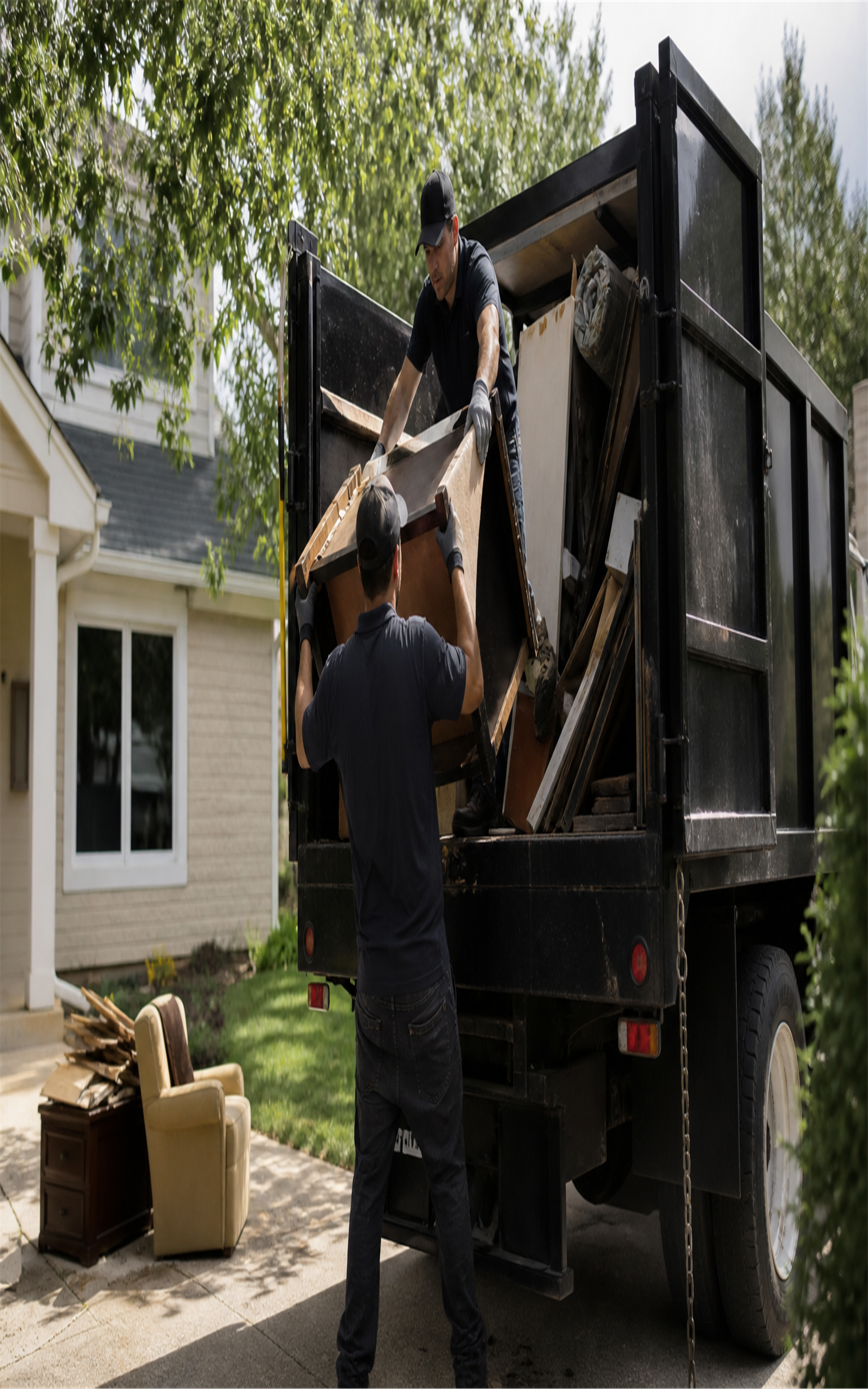
Understand who hires junk haulers and why scope clarity wins hauling jobs.
Decide what you accept, decline, and document on every estimate.
Match vehicles, tools, and crew capacity to your launch job menu.
Follow repeatable routines from intake through client walkthrough.
Route materials through dumps, recycling, donation, and specialty handlers.
Price from real costs and reach buyers with a controlled launch.
Add trucks and crew only when quoting and disposal workflows hold.
A junk removal business sells full-service haul-away under written scope boundaries—not showing up with an empty truck and guessing what fits after the client points at a pile. You assess load volume and access, quote from labor and disposal costs you can verify, load vehicles safely without damaging property, sweep the work area when included, and route materials through disposal channels your jurisdiction allows. Buyers pay for clarity about what will be removed, what stays, when you will arrive, and what happens to items after they leave the driveway.
That distinction matters. Helping a friend clear a garage is not the same as running a junk removal business. Many capable operators underbid tight-access jobs, skip disposal cost in quotes, or accept loads with materials they cannot legally dump. Homeowners, landlords, and businesses continue to hire junk haulers when estates need clearing, rentals turn over, renovations generate debris, or storage units must empty—but only when they believe the crew will arrive on schedule, load efficiently, and leave the space cleaner than promised.
This guide walks you through how to start a junk removal business with professional habits: finding your opportunity, screening job scope, planning trucks and crew, running on-site workflow, planning disposal, quoting from real costs, winning first clients, and growing with the operational discipline that defines a credible local hauling service. By the end, you should understand what the business is, what you need to prepare, and what to verify locally before accepting your first booking.
Homeowners, landlords, and businesses hire junk haulers when clutter, turnover, or renovation debris must leave the property quickly—without the client renting a dumpster and loading it themselves. Your first step is understanding who you serve and what they expect from professional scope, not assuming a truck alone creates demand.
Junk removal businesses succeed when clients understand the job before the crew arrives: item categories included, access constraints acknowledged, disposal of special materials addressed, timeline confirmed, and sweep or cleanup expectations stated. Buyers are not simply purchasing truck space—they are purchasing confidence that defined items will leave the property on the agreed day without damage to walls, floors, or landscaping.
Often hire when downsizing, clearing a garage or basement, or handling a family member's belongings. They compare on trust, careful loading, and clear quotes—not always on the lowest volume rate alone.
Need fast turnover clearing between tenants—furniture, appliances, and abandoned items on deadline. Predictable scheduling and itemized invoices matter for their records.
Remove fixtures, office furniture, and renovation debris when projects must stay on schedule. Access windows, loading dock rules, and disposal documentation may apply.
Observe your local market: who do existing haulers serve well, and where do clients still express frustration—surprise fees, no-shows, crews that scratch floors, or operators who decline follow-up calls? Your opportunity often sits in quoting accuracy and job workflow as much as in vehicle size alone.
Adjacent home-service businesses with overlapping client bases—such as those in the handyman business guide, garage cleaning business guide, and cleaning business guide—show how defined scope and professional intake sustain service revenue. Junk removal often follows or accompanies those jobs; knowing when to refer and when to bundle builds trust across trades.
Practical takeaway: Write one paragraph describing your ideal first client and the job type you want most—single-room clear-outs, full garage hauls, or commercial fixture removal. List three questions they will ask before hiring—and make sure your future intake process answers them.
Before you quote junk removal jobs, decide what load types you accept, what you decline or refer out, and how you document both on every estimate. Clients need item lists and access notes they can understand—not open-ended "we'll take whatever" promises that expand when the truck arrives.
Furniture, boxes, general household items, yard debris within weight limits. Best when clients identify rooms, approximate volume, and whether appliances or mattresses are included.
Couch removal, appliance haul-away, or mattress pickup with minimum visit fees that cover mobilization. Define maximum dimensions and weight your crew handles without extra equipment.
Office furniture, fixture removal, and renovation waste when your disposal network and insurance cover the material types. Confirm whether the client needs documentation for landfill or donation receipts.
Hazardous waste, asbestos-containing materials, medical waste, fuel tanks, and items requiring licensed specialty haulers. Naming these upfront protects clients and keeps you inside legal boundaries.
Operators who flip furniture for resale—described in the furniture flipping business guide—encounter complementary demand: some clients want items hauled away while others want salvageable pieces separated. Clear scope prevents disputes about what was discarded versus set aside.
Practical takeaway: Draft a one-page job menu with at least five load types you accept and five categories you refer out. Read it aloud—if a homeowner would still ask "can you also take…?", add clearer language before publishing prices.
A junk removal business runs on vehicle capacity matched to accepted job types, equipment that protects client property, and crew size that keeps loading safe on stairs and tight access. Under-capacity trucks and improvised loading erode margins faster than any competitor's lower quote.
Choose a starting setup aligned to the jobs you quoted during market research—not the largest truck you can finance on day one:
Track fuel, maintenance, insurance, and depreciation in your pricing model. Vehicle cost is production cost, not overhead you absorb silently on underquoted jobs.
Appliance dollies, furniture straps, moving blankets, wheel dollies, and floor runners for tight hallways. Protect walls and corners on every job—damage claims erase margins fast.
Gloves, back support when appropriate, steel-toe footwear, and lifting technique training. Heavy items and awkward carries cause injuries that stop operations entirely.
Solo operators handle small loads; two-person crews are standard for furniture, stairs, and same-day turnaround expectations. Investigate locally before marketing paid services:
The SBA guide to launching a business helps with general registration steps, but it does not replace local waste hauling rules. Verify disposal facility access before accepting jobs that depend on dump runs.
Practical takeaway: List the five most common jobs you expect at launch and confirm your vehicle and crew can complete each without overtime surprises. Complete your licensing checklist before quoting jobs that require dump access you have not secured.
Professional junk removal follows a repeatable sequence from arrival through walkthrough. Intake gaps—no parking, undisclosed hazmat, or items added without approval—are schedule killers on jobs priced for a defined load.
Garage and property specialists in the garage cleaning business guide emphasize pre-job confirmation and debris sorting habits that translate directly to junk removal—clients remember whether you treated the home respectfully, not only whether the truck filled.
Practical takeaway: Run one practice or discounted job through your full workflow checklist—including sweep standard and disposal routing. Note any second trip caused by under-scoping volume or missing equipment—and fix intake before your next quote.
Disposal is not an afterthought—it is a core production cost and compliance obligation. Route materials before you quote, confirm what local facilities accept, and build dump fees and drive time into every estimate.
Confirm accepted materials, weight-based fees, commercial account requirements, and hours. Some facilities reject mattresses, tires, or appliances without separate processing fees.
Metal, electronics, and cardboard streams may reduce net disposal cost when sorted before the dump run. Track which items are worth separating on busy job days.
Furniture and household goods in usable condition may route to donation centers when clients agree and your timeline allows separate drop-offs.
Screen for paint, chemicals, batteries, asbestos-suspect items, and propane tanks during intake—not at the landfill gate. Refer hazardous categories to licensed handlers even when clients ask you to "just mix it in." Operating outside accepted disposal rules creates fines, facility bans, and insurance problems.
Practical takeaway: Visit your primary disposal facilities before your first paid job. Confirm account setup, fee structure, and banned items in writing. Add a disposal line item to your quote template so it is never forgotten.
Clients buy defined haul-away and dependable scheduling—but you only sustain the business when quotes cover labor, disposal, vehicle cost, and overhead. Price from measured job costs, then reach buyers through channels matched to your client profile.
Volume-based pricing works when assessment is disciplined; minimum job fees protect small loads where mobilization dominates cost. Separate line items for labor, disposal, and optional add-ons help property managers map invoices to work orders.
The handyman business guide shows how home-service operators win repeat work through scope documents and reliable scheduling—the same pattern converts junk removal inquiries when quotes match on-site results.
Practical takeaway: Build a pricing spreadsheet with labor rates, disposal factors, travel allowances, and overhead. Complete it for your next three quotes, then compare projected costs to actuals after each job closes. Refine before scaling marketing.
Growth means adding trucks, crew, and job types only when quoting accuracy, disposal routing, and on-site workflow stay consistent—not accepting every load because the calendar has room.
Track metrics that matter: estimate-to-actual hour variance, disposal cost variance, callback rate, repeat property-manager bookings, and referral source—not vanity lead counts alone. Fix scoping and truck-utilization gaps before marketing harder.
Practical takeaway: After your first ten completed jobs, identify your most common scope miss and your strongest referral source. Fix the intake or disposal issue before adding a second vehicle or expanding your service area.
Use this four-week outline to move from interest to a controlled first booking. Each week builds on the last for a junk removal business launch.
Confirm these essentials before you accept a booking or dispatch a truck for your first paid junk removal job.
A junk removal business is a professional hauling operation that assesses load scope on site or from photos, quotes from real labor and disposal costs, loads vehicles safely, and leaves properties cleaner than vague haul-away promises without clear terms. Success depends on accurate quoting, truck capacity planning, repeatable job workflow, and disposal habits clients and regulators expect.
Dumpster rental leaves a container on site for the client to fill over days. Junk removal is full-service: your crew loads items, handles stairs and access constraints, and hauls everything away in one visit. This guide addresses junk removal quoting, truck planning, on-site workflow, and disposal—not dumpster placement logistics alone.
Business registration, waste hauling permits, and disposal rules vary significantly by country, state, county, and city. Some jurisdictions require general business licenses and specific permits for commercial waste transport; others restrict certain materials or landfill access. Verify requirements with your local business licensing office and waste authority before accepting paid haul-away jobs.
Match vehicle capacity to your launch job types—a pickup with trailer, box truck, or dump truck depending on local demand and access constraints. Plan for tie-downs, dollies, PPE, and basic hand tools. Stage equipment so crews load efficiently without damaging client property. Add capacity only when quoting accuracy and disposal workflow stay consistent on current jobs.
Build pricing from labor hours, disposal fees, travel and mobilization time, vehicle costs, overhead, and desired margin. Scope volume and access before quoting, account for minimum job economics on small loads, and test prices in a spreadsheet using your production rates—not unverified competitor numbers. Adjust after comparing estimates to actual job costs.
Route materials through dumps, recycling centers, donation drop-offs, and specialty handlers as your jurisdiction requires. Confirm facility acceptance during intake, include disposal fees in quotes, and refer hazardous categories to licensed handlers. Track actual disposal cost per job type and refine pricing templates from real results.
Follow a repeatable sequence: inquiry and scope screening, assessment, written quote, pre-job confirmation, protected loading per checklist, sweep when included, client walkthrough, and disposal routing. Intake should capture access, parking, and add-item approval before the crew arrives. Consistent workflow reduces callbacks and protects margins on tight-access jobs.
Start with a defined client profile and controlled launch. Reach local buyers through search listings, property-manager relationships, real-estate referrals, and adjacent trade partnerships. Professional scope documents, reliable scheduling, and clear disposal practices convert interest faster than vague low bids.
This junk removal business example was developed using eBook Business Builder—the workflow used to structure the guide, free lead magnet, offer assets, email series, and marketing content you see in the EBB Showroom below.
If you want to create your own eBook business around a topic you know, EBB walks you through research, writing, assets, and launch in a repeatable system. See how business assets fit together and launch marketing for your eBook business to understand the full EBB build model.
Start Building with eBook Business Builder →The flagship guide explains how to start a junk removal service—job quoting, truck and crew planning, on-site workflow, disposal routines, pricing, and client communication—in a structured eBook format.
Chapters walk readers through evaluating the opportunity, defining job scope, planning vehicles and equipment, running dependable on-site workflow, routing disposal responsibly, quoting from real costs, winning first clients, and growing operations without sacrificing scope clarity.
First Hauls & Quoting — a lead magnet that helps readers evaluate whether junk removal fits their capacity and identify sensible first steps before buying a truck or taking jobs.
Many operators start hauling without quoting discipline, truck planning, or disposal routines that protect margins and client expectations.
Foundational first steps for scoping loads, estimating disposal costs, and avoiding common early mistakes before committing to client bookings.
Has a truck and willingness to haul but unsure how to quote jobs and run a junk removal business professionally.
Prepared with the fundamentals needed to screen jobs, plan loads, route disposal, and deliver haul-away work on schedule.
Junk Removal Startup Program
A practical flagship guide for readers ready to move from interest to action—with clear first steps and professional service habits for dependable junk hauling.
Tools & References