Find the Opportunity
Understand who hires lighting and why technical clarity wins.
A practical starting point for technicians who want to launch an event lighting service with clearer rental packages, client intake, and setup workflow basics.
This page walks you through how to start an event lighting business as a professional technical service—not just bringing PAR cans to friends' parties. You will learn who hires lighting providers, how lighting design and equipment setup differ from general event decorating, how to package rental services buyers understand, how to plan power and rigging intake, how to investigate business setup, how to price from real load-in and operator costs, how clients find you, and how to grow with operational discipline.
Understand who hires lighting and why technical clarity wins.
Decide fixture menus and design scope.
Investigate registration, insurance, and equipment investment.
Build power intake and install routines.
Quote gigs from crew, gear, and operator time.
Reach planners and venues with a controlled launch.
Add gear only when setup workflows hold.
An event lighting business sells designed illumination under written packages—fixture types, coverage areas, control options, operator scope, and safe setup—not a pile of rented gear left for someone else to plug in. You intake venue power and rigging rules, design lighting for the event mood and practical needs, install and program on schedule, and strike without leaving safety hazards. Buyers pay for clarity about what the room will look like, who operates cues during the event, and whether your plan fits venue electrical limits.
That distinction matters. Running lights at a party is not the same as running an event lighting business—and lighting is not general decorating. Decorators focus on visual styling with physical elements; lighting technicians design beam angles, color temperature, dimming scenes, and power distribution that make those elements readable and safe. Many capable operators skip venue power questions, underprice operator time, or compete with decor quotes when clients actually need technical design. Weddings, concerts, and corporate events continue to hire lighting providers when design, setup, and venue coordination feel professional—but only when they believe installs will be safe and on time.
This guide walks you through how to start an event lighting business with professional habits—lighting design, equipment packages, and setup workflow distinct from general event decorating services.
Weddings, corporate events, and performances hire lighting providers when design, setup, and venue coordination feel professional. Your first step is understanding technical buyer expectations—not assuming gear ownership alone creates demand.
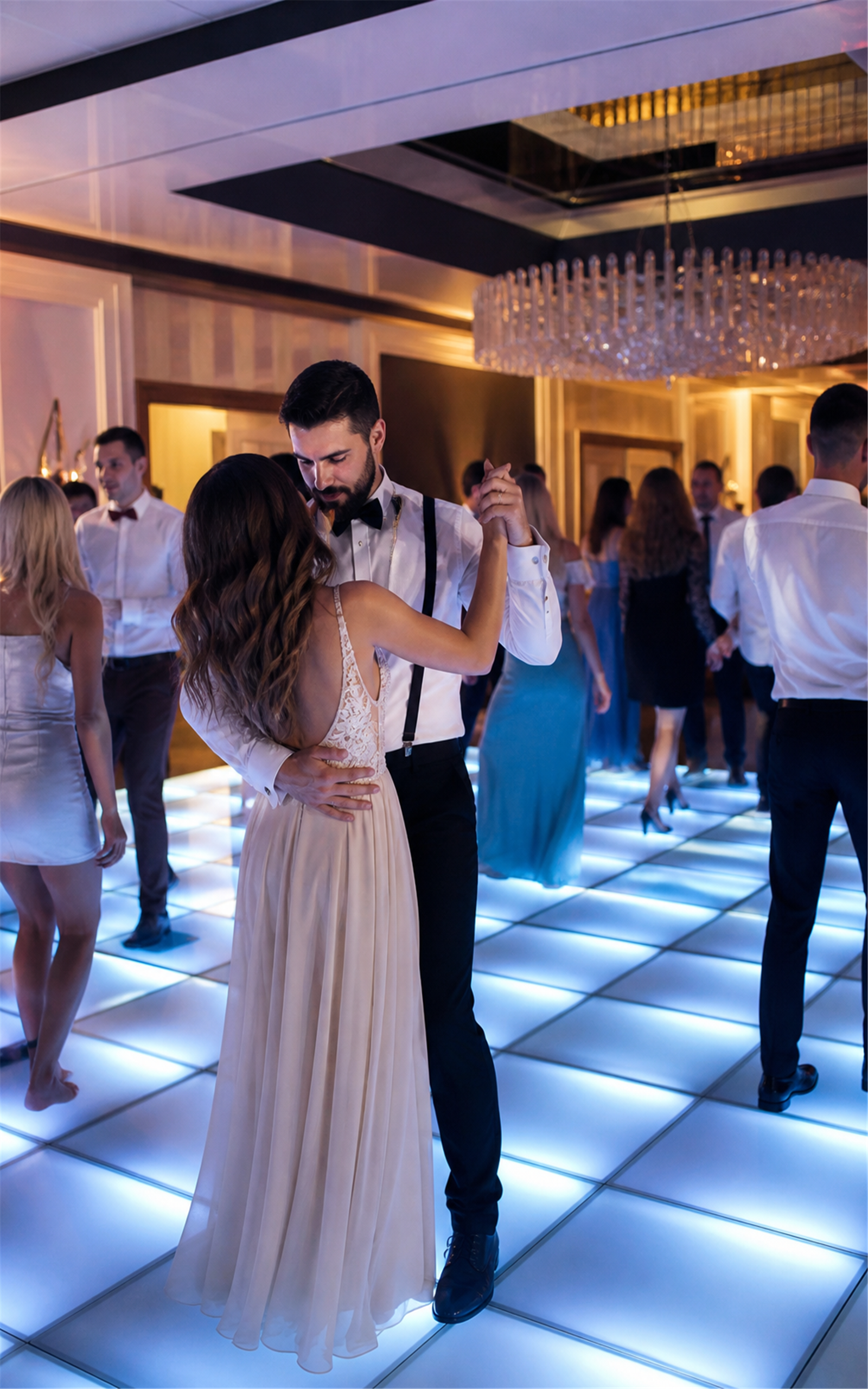
Need dependable dance floor and stage washes that make their show readable. They refer lighting partners who arrive on time and do not trip breakers.
Want vendors who read power maps, carry insurance certificates, and strike on schedule without damaging property.
Require consistent color temperature, logo visibility, and scene changes between program segments—beyond static uplighting.
Observe your market: which gigs look great in photos because lighting was designed, and where do reviews mention dark dance floors, blown fuses, or gear with no operator? Your opportunity sits in technical intake and design clarity—not gear quantity alone.
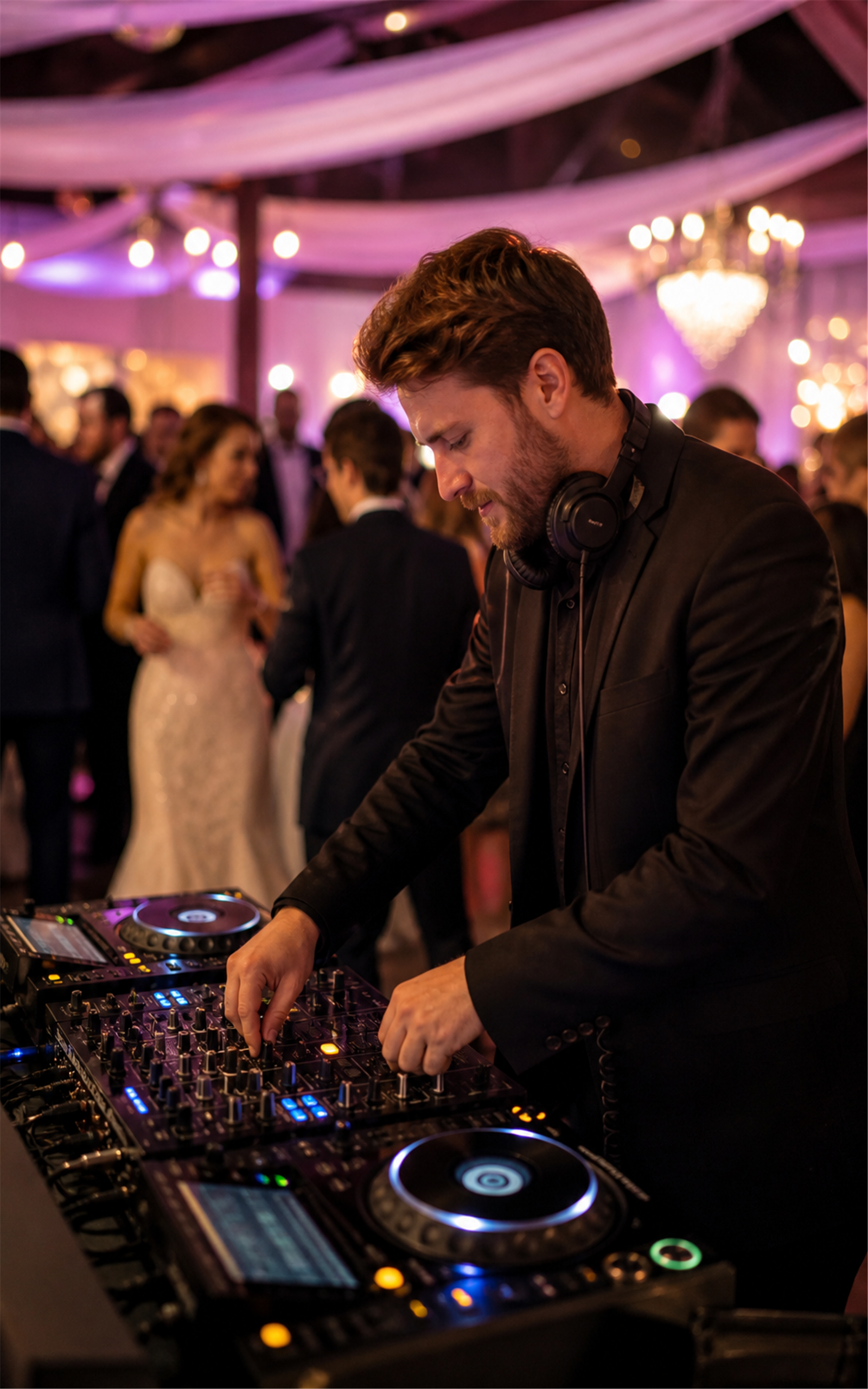
Adjacent event services—the DJ business guide, party rental business guide, and dance floor rental business guide—share load-in windows and referral dynamics. Lighting must coordinate with their schedules and avoid conflicting power plans.
Practical takeaway: Write one paragraph describing your ideal first gig and the venue power questions you will ask before quoting. If your pitch sounds like decor styling, refocus on illumination outcomes.
Before you quote, decide which lighting packages you offer and how design scope differs from decor-only services.
Wireless or wired fixtures with color selection and scene presets. Quantity scaled to room perimeter from floor plans.
Coverage angles and brightness for performers or DJs—includes focus time and basic haze policy if applicable.
Dinner versus dance looks, corporate segment cues, or slow-fast transitions with operator time defined.
Structural rigging engineering, permanent venue installs, pyrotechnics, and decor fabrication outside lighting scope.
Clients may ask you to 'make it look pretty'—translate that into fixture plans, coverage maps, and control notes. Backdrops and table styling belong to decor vendors unless you price hybrid work separately with clear liability boundaries.
Practical takeaway: Draft two lighting packages with fixture lists and operator hours—not just gear bundles. If a client could confuse you with a decor vendor, add language explaining illumination design separately.
Event lighting combines capital-intensive gear, transport, electrical safety obligations, and venue liability. Verify registration, insurance, and maintenance routines before marketing paid gigs.
Practical takeaway: Inventory your launch kit, test every fixture, and confirm insurance produces venue-ready certificates before your first paid load-in.
Lighting gigs succeed when power is confirmed before truck pack, cables are labeled, and focus time is budgeted. Improvised setup causes blown breakers and dark dance floors.
Practical takeaway: Load in at your storage space or a practice venue and run your full power and focus checklist on one package. Time it—and adjust labor quotes before selling gigs.
Clients buy designed illumination and safe installs—not lowball gear rental that ignores operator and focus time.
Minimum gig fees protect short events that still require mobilization and focus. Operator overtime should be contractually defined.
Practical takeaway: Price one uplighting-only gig and one package with operator time. After each early event, compare focus and strike hours to estimates before scaling referrals.
Planners and DJs hire lighting vendors who ask about power first, show portfolio proof, and strike safely—not whoever owns the most fixtures.
Practical takeaway: Book your first three gigs through DJ or planner partners who already trust you—or one venue with repeat needs—before broad advertising. Update venue intake after every load-in surprise.
Growth means adding fixtures and gig types only when power planning, focus routines, and strike safety stay consistent—not buying gear because a client asked for an effect you cannot rig safely.
Practical takeaway: After ten gigs, identify the venue question you most often forgot to ask and the package with best margin. Fix intake before expanding inventory.
Use this four-week outline to move from interest to a controlled first lighting gig. Each week builds on the last for an event lighting business launch.
Confirm these essentials before you sign a lighting contract or load gear for a paid event.
An event lighting business is a professional technical service that designs and installs illumination under written packages—fixtures, power plan, control, operator scope, and safety checks—not informal gear loans. Success depends on venue intake, equipment workflow, lighting design clarity, and dependable setup and strike.
Event decorating focuses on physical styling—backdrops, linens, florals, and furniture vignettes. Event lighting focuses on illumination design—fixture selection, placement, power distribution, color and dimming control, and safe rigging so guests can see, photographers can shoot, and branded elements read correctly. Clients may hire both; your scope should not blur into decor installs without separate pricing.
Common entry packages include wireless uplighting for walls, dance floor wash, stage or DJ booth illumination, and basic mood scenes for dinners versus dancing. Each package should list fixture types, quantity limits, operator hours, and power requirements discovered in venue intake.
Ask about available power circuits and amperage, outlet locations, rigging points or truss rules, ceiling height, dimmer access, load-in paths for cases, and whether a venue electrician or union rules apply. Surprises on load-in day are safety and margin risks.
Many packages include setup, focus, and strike only; others add an operator for cue changes during receptions or performances. Price operator time explicitly—clients often underestimate the value of live control.
Build pricing from design planning, equipment ownership or rental, transport, load-in and focus labor, operator time, insurance, maintenance, and margin. Power-dependent packages need higher minimum fees when generator rental is possible.
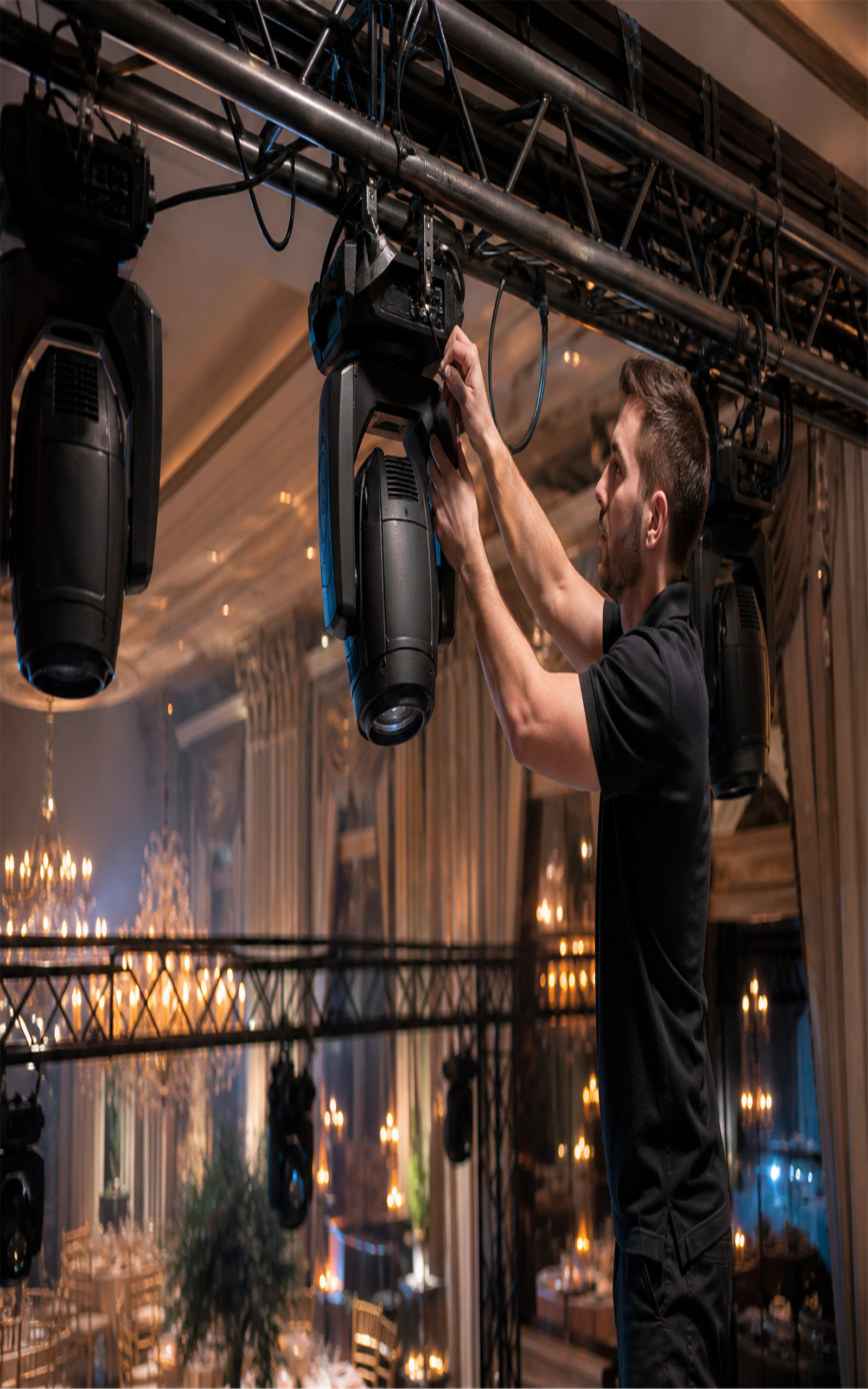
Use appropriate distro, avoid overloaded circuits, secure stands and truss per manufacturer specs, tape cables in guest paths, and strike hazards before guests arrive in post-event teardown zones. Document your checklist—venues and planners remember unsafe vendors.
Start with one package and partner channel—mobile DJs, small venues, or indie planners—who need reliable uplighting and dance floor washes. Portfolio videos showing room transformation convert better than gear spec lists alone.
This event lighting business example was developed using eBook Business Builder—the workflow used to structure the guide, free lead magnet, offer assets, email series, and marketing content you see in the EBB Showroom below.
If you want to create your own eBook business around a topic you know, EBB walks you through research, writing, assets, and launch in a repeatable system. See how business assets fit together and launch marketing for your eBook business to understand the full EBB build model.
Start Building with eBook Business Builder →The flagship guide explains how to start an event lighting service—equipment packages, venue intake, design planning, installation workflow, and teardown—in a structured eBook format.
Chapters walk readers through evaluating the opportunity, defining lighting packages distinct from decor-only services, building equipment and setup workflow, pricing from real costs, winning first gigs, and growing operations without sacrificing safety and reliability.
First Gigs & Equipment Setup — a lead magnet that helps readers evaluate whether event lighting fits their technical skills and identify sensible first steps before booking gigs.
Many technicians bring gear without venue questions, power planning, or install timelines that align with event schedules and safety needs.
Foundational first steps, common early mistakes to avoid, and a simple action plan readers can use before committing to bookings or service launches.
Handles lighting at informal events but unsure how to package services and run an event lighting business professionally.
Prepared with the fundamentals needed to intake venues, plan lighting, and install setups on schedule.
Event Lighting Startup Program
A practical flagship guide for readers ready to move from interest to action—with clear first steps and professional service habits for dependable event lighting work.
Tools & References