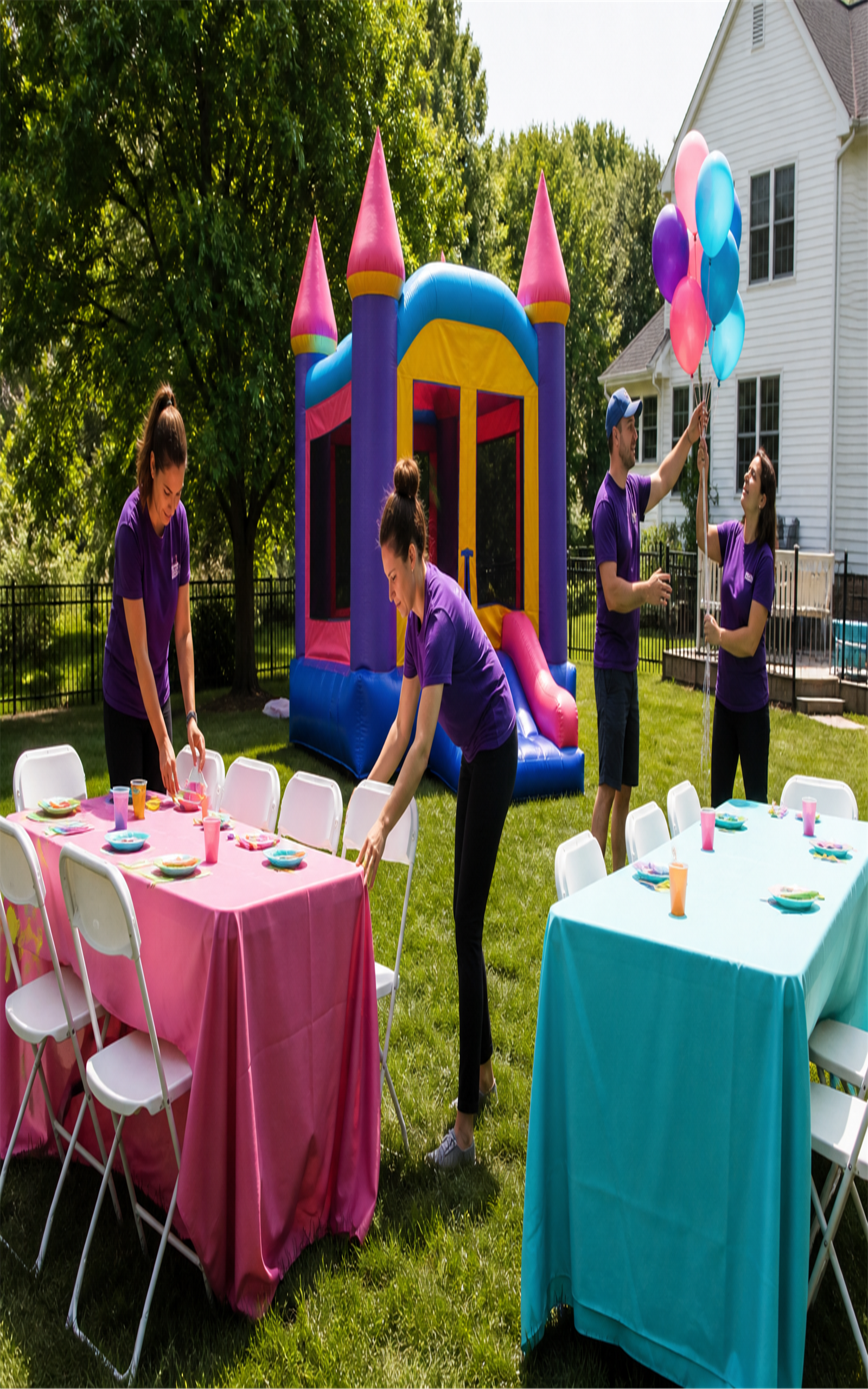
Find the Opportunity
Understand who hires event decorators beyond weddings.
A practical starting point for decorators who want to launch an event decorating service with clearer design packages, client intake, and installation workflow basics.
This page walks you through how to start an event decorating business as a professional design and install service—not just decorating friends' weddings when asked. You will learn who hires event decorators for corporate galas, fundraisers, and private celebrations, how event decorating scope differs from wedding-only specialists, how to package design services buyers understand, how to plan inventory and installation workflow, how to investigate business setup, how to price from real labor and material costs, how clients find you, and how to grow with operational discipline.

Understand who hires event decorators beyond weddings.
Define decor menus for event types you serve.
Investigate registration, insurance, and inventory storage.
Plan sourcing, load-in, and teardown workflow.
Quote events from labor, rentals, and materials.
Reach planners and hosts with a controlled launch.
Add inventory only when install workflows hold.
An event decorating business sells coordinated design and installation under written packages—not Pinterest-inspired promises without venue confirmation. You consult on theme and scope, source or rent decor matched to load-in rules, install on venue timelines, and tear down without leaving liability behind. Buyers pay for clarity about what is included, how design adapts to ballroom versus outdoor constraints, when crews arrive, and what happens if the event runs long.
That distinction matters. Having good taste is not the same as running an event decorating business—and wedding-only decorating is not the only market. Many talented decorators over-index on bridal aesthetics while corporate galas, fundraisers, product launches, and milestone parties need branding-aware decor, faster turnarounds, and vendor coordination outside wedding season cycles. Clients continue to hire when design, setup, and venue coordination feel professional—but only when they believe installs will finish before guests arrive.
This guide walks you through how to start an event decorating business serving broader events—with design packages, client intake, and installation workflow distinct from wedding-only decorating specialists.
Corporate events, galas, and private celebrations continue to hire decorators when design, setup, and venue coordination feel professional. Your first step is understanding event types beyond weddings and what each client profile expects.
Need decor aligned with brand guidelines, stage presence, and tight load-in windows. They compare on reliability, invoice process, and whether you understand AV and staging adjacency.
Want high visual impact with budget discipline and volunteer coordination on event night. Clear package tiers help committees decide quickly.
Seek memorable lounge areas, backdrops, and tablescapes without full wedding planning scope. They value transparent pricing and teardown punctuality.
Observe your market: which vendors serve corporate planners well, and where do reviews mention late installs, missing venue rules, or decorators who only speak wedding language? Your opportunity may be broader event coverage with professional intake.
Event vendors with complementary services—the party rental business guide, DJ business guide, and dance floor rental business guide—show how coordinated timelines and referral networks sustain event revenue. Decor installs must align with those partners' load-in schedules.
Practical takeaway: Write one paragraph describing your ideal first event type—not automatically a wedding—and three venue questions you will ask before quoting. If your language still sounds bridal-only, revise positioning before marketing.
Before you consult clients, decide which decor packages you offer, which event types you prioritize, and how scope differs from wedding-only specialists.
Step-and-repeat frames, floral or geometric backdrops, and brand signage integration. Sized to venue dimensions confirmed in intake.
Centerpiece tiers, linen standards, and furniture vignettes with defined guest counts and square footage limits.
Seasonal or conceptual elements priced separately when they require custom sourcing or short rental windows.
Full wedding planning, floral-only contracts outside your capacity, rigging requiring certified technicians, and decor requiring structural engineering.
Practical takeaway: Draft three decor packages named for non-wedding events you want—corporate backdrop, gala tablescape, private lounge. If proposals still default to bridal vocabulary, rewrite for your target buyer.
Event decorating combines inventory investment, transport, crew coordination, and venue liability. Verify registration, insurance, and storage before signing event contracts.
Practical takeaway: Confirm insurance produces venue-ready certificates and storage fits your launch inventory—before signing your first event contract.
Event decorating margins depend on install discipline—crews who know staging order, venue rules, and strike deadlines. Improvised load-ins cause overtime and damaged inventory.
Build buffer for elevator waits, union venue rules, and overlapping vendor schedules—corporate venues often penalize overruns.
Practical takeaway: Run one mock install and strike with your launch package—even in a garage or warehouse. Time each phase and adjust crew plans before quoting install labor.
Clients buy finished environments and on-time installs—not vague decor budgets that ignore strike labor and rental delivery fees.
Package minimums protect small events that still require mobilization. Change orders should be priced when clients add elements after venue walkthrough.
Practical takeaway: Price one corporate and one private event scenario in your spreadsheet. After your first installs, compare estimated crew hours to actuals—including strike—before scaling outreach.
Planners and corporate buyers hire decorators who understand venue rules, hit install windows, and communicate professionally—not only those with wedding portfolios.
Practical takeaway: Book your first two events through direct outreach to one planner type or one nonprofit committee—before wedding expos if your scope is broader. Document every venue surprise and update intake forms.
Growth means adding inventory and event types only when install workflows and inventory tracking stay consistent—not accepting every theme because your warehouse has space.
Practical takeaway: After five completed events, identify the package with best margin and the venue rule that caused the most delay. Fix intake before buying new inventory.
Use this four-week outline to move from interest to a controlled first event install. Each week builds on the last for an event decorating business launch.
Confirm these essentials before you sign an event contract or load a decor inventory for a paid install.
An event decorating business is a professional design and installation service that delivers coordinated decor under written packages for corporate events, galas, fundraisers, and private celebrations—not informal help without venue planning. Success depends on design clarity, venue intake, inventory strategy, and installs completed on event timelines.
Wedding decorating often centers on bridal aesthetics, floral coordination, and long planning cycles with wedding-specific vendors. Event decorating for broader markets emphasizes brand-aligned design for corporate functions, nonprofit galas, product launches, and private parties—often with different venue rules, shorter lead times, and repeat business from planners rather than one-time wedding clients.
Many operators start with one focus—corporate stage backdrops, nonprofit gala tablescapes, or private milestone lounge setups—where they can reuse inventory efficiently. Choose events whose venue constraints and design language match your capacity before marketing everywhere.
Collect floor plans, load-in windows, ceiling height, rigging and adhesive restrictions, power access, coordinator contacts, and strike deadlines before quoting. Surprises on install day destroy margins and client trust.
Hybrids are common: own reusable backdrops, signage frames, and linen collections; rent large furniture, specialty props, or theme items until demand justifies purchase. Track repair and storage costs in pricing either way.
Build pricing from design consultation, sourcing, rentals, owned inventory amortization, install and strike labor, transport, assistants, insurance, and margin. Corporate events may pay for brand compliance time wedding quotes ignore.
General liability and event vendor coverage are standard expectations—venues often require certificates naming them additional insured. Verify requirements before signing contracts.
Start with one event type and portfolio direction. Reach corporate marketing assistants, nonprofit gala chairs, and independent planners through direct outreach and vendor partners like party rental and DJ companies—not only wedding expos if your scope is broader.
This event decorating business example was developed using eBook Business Builder—the workflow used to structure the guide, free lead magnet, offer assets, email series, and marketing content you see in the EBB Showroom below.
If you want to create your own eBook business around a topic you know, EBB walks you through research, writing, assets, and launch in a repeatable system. See how business assets fit together and launch marketing for your eBook business to understand the full EBB build model.
Start Building with eBook Business Builder →The flagship guide covers event decorating startup fundamentals—service packages, design consultation, inventory sourcing, installation workflow, and teardown—in a structured eBook format.
Chapters walk readers through evaluating the opportunity across corporate and private events, defining design packages distinct from wedding-only models, building venue intake and installation workflow, pricing from real costs, winning first events, and growing operations without sacrificing install quality.
First Events & Design Intake — a lead magnet that helps readers evaluate whether event decorating fits their creative strengths and identify sensible first steps before taking clients.
Many decorators promise custom looks without intake questions, venue planning, or install timelines that align with event schedules.
Foundational first steps, common early mistakes to avoid, and a simple action plan readers can use before committing to bookings or service launches.
Decorates events informally but unsure how to package design services and manage client projects professionally.
Prepared with the fundamentals needed to consult clients, plan decor, and install event designs on schedule.
Event Decorating Startup Program
A practical flagship guide for readers ready to move from interest to action—with clear first steps and professional service habits for dependable event decorating work.
Tools & References