
Find Your Opportunity
Understand route density, recurring demand, and competition.
Build a pet waste removal business with dense routes, recurring visit schedules, and client setup systems that scale.
This guide shows how to start a pet waste removal business the professional way—from defining route packages and recurring visit frequency to building client setup workflow, pricing from stop economics, and landing first yard accounts without unsustainable drive time.
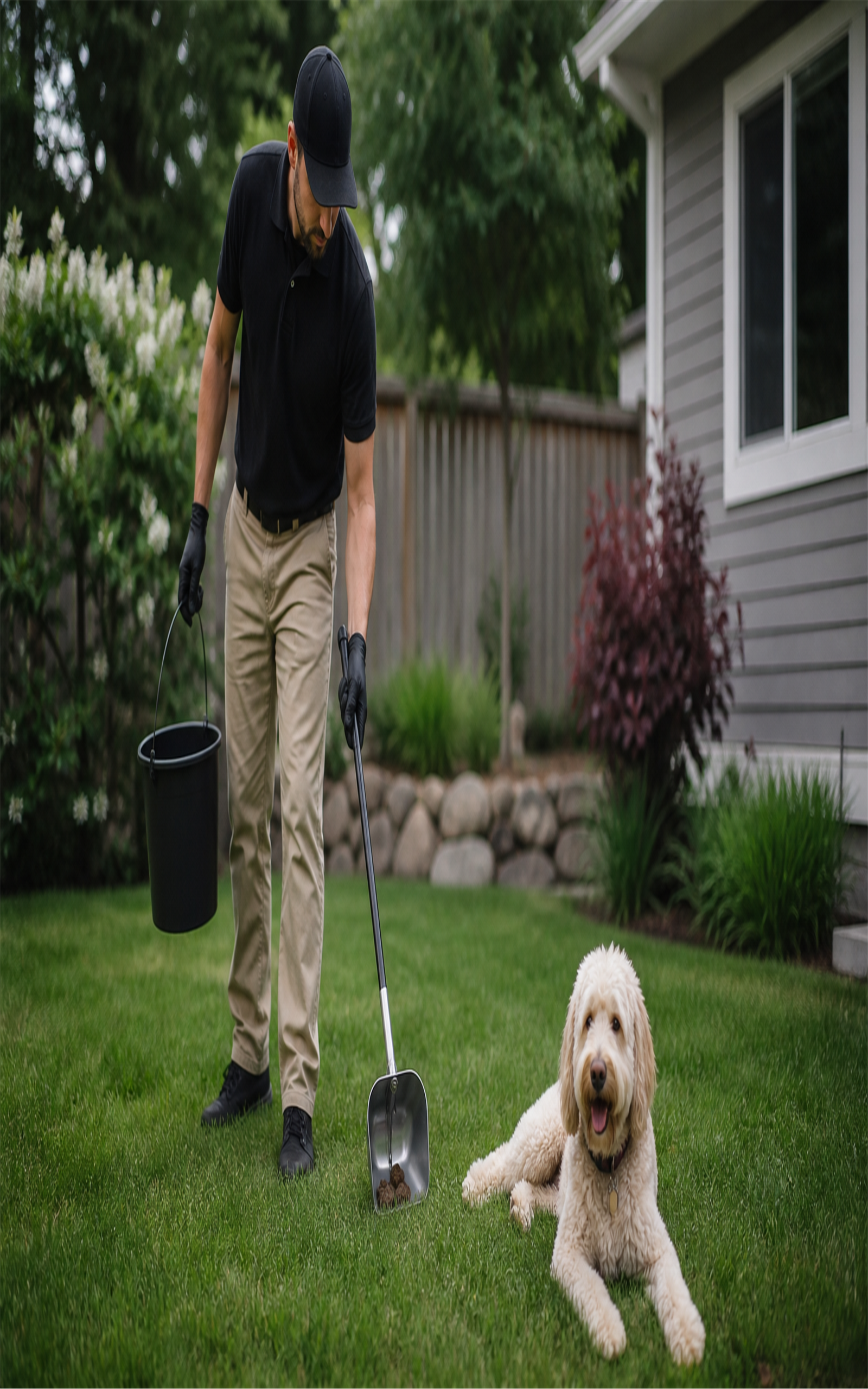
Understand route density, recurring demand, and competition.
Define visit frequency, yard scope, and access protocols.
Register the business, equip vehicles, and build route systems.
Run client setup, recurring stops, and billing consistently.
Quote stops from scoop time, disposal, drive, and density.
Fill one ZIP before expanding territory.
Add stops and technicians when route economics stay solid.
A pet waste removal business provides defined yard sanitation services—scheduled scooping, deodorizing add-ons, and seasonal deep cleans—under written service frequency, gate and dog protocols, and recurring billing customers can verify. You assess each property for access, pet behavior, and yard size, quote from stop time and disposal costs, execute visits on route-efficient schedules, and invoice on recurring cycles that match the service promise.
That distinction matters. Willingness to scoop yards is not the same as running a pet waste removal business. Many operators underprice stops, accept scattered addresses that destroy route density, or skip written protocols for aggressive dogs and locked gates. Homeowners, HOAs, and property managers continue to hire waste removal when yard hygiene affects family use, HOA compliance, or tenant satisfaction—but only when operators show up on schedule, respect property access, and bill predictably.
This guide walks you through how to start a pet waste removal business with professional habits: finding your opportunity, defining service packages and route scope, building business setup, running client setup and visit workflow, pricing from real stop economics, winning first route clients, and growing with the operational discipline that defines a credible waste removal company.
Dog owners, multi-pet households, and property managers hire waste removal when yard cleanup consumes time they would rather spend elsewhere—or when HOA rules require consistent sanitation. Your first step is identifying a launch territory where route density is achievable—not assuming every suburban yard is profitable at any price.
Pet waste removal businesses succeed when customers understand visit frequency, yard areas included, gate procedures, billing cycle, and weather or holiday skip policies before service starts. Buyers are purchasing reliable sanitation and time back—not a one-time favor from someone with a pooper scooper.
Want weekly or bi-weekly service with predictable billing. They compare on reliability, gate security, and whether technicians notify them of access issues.
Generate higher waste volume—price by pet count or yard time, not flat underpricing.
Require commercial agreements, COI, and documented service logs for board reporting.
Need turnover unit cleanings and recurring tenant yard service in pet-friendly rentals.
Map competitor routes and pricing in your target ZIP. Observe whether operators win on weekly recurring plans or one-time cleanups. Adjacent route businesses—the dog walking business guide, pet sitting business guide, and lawn care business guide—show how stop density and recurring billing sustain service revenue.
Apartment complexes with pet stations and HOAs with common green space represent commercial anchors—one contract may equal twenty residential stops if bidding includes waste station service and reporting.
Operators who document scope before quoting reduce disputes because clients understand inclusions before service begins. Apply that discipline to every inquiry—even enthusiastic referrals—so agreements match delivered experience.
Route customers who prepay quarterly often churn less than month-to-month billing when service feels invisible—send a brief monthly confirmation note so value stays top of mind between visits.
Practical takeaway: Draw your launch ZIP on a map. Mark ten ideal streets with high dog ownership before printing flyers city-wide.
Before you add stops, decide which frequencies you offer, how multi-pet yards are priced, and what access information you require upfront.
Standard residential plan—defined yard areas, waste bagged and removed, gate secured with photo confirmation optional.
Lower frequency for smaller yards or single-dog homes—price per stop higher than weekly amortized rate.
Initial or seasonal intensive scoop for new recurring clients or move-out situations.
Premium treatment priced separately with realistic upsell expectations—not assumed included.
The lawn care business guide models recurring property visits with gate protocols; waste removal adds pet behavior variables. Written access rules prevent technicians from entering unsafe yards.
Publish deodorizing and sanitizing as optional add-ons with realistic uptake expectations—most recurring revenue stays on core scoop service. Upsell after four reliable weeks, not at signup.
Operators who document scope before quoting reduce disputes because clients understand inclusions before service begins. Apply that discipline to every inquiry—even enthusiastic referrals—so agreements match delivered experience.
Route customers who prepay quarterly often churn less than month-to-month billing when service feels invisible—send a brief monthly confirmation note so value stays top of mind between visits.
Practical takeaway: Create intake form requiring gate photo upload before first service. Saves one failed trip per month in scattered routes.
Professional waste removal operators invest in business structure, disposal compliance, route software, and insurance before stacking stops across town.
Verify local waste disposal rules—some municipalities restrict pet waste in household trash or require commercial disposal paths. Business registration, liability insurance, and separate banking belong in your launch checklist alongside buckets, tools, and vehicle organization.
Recurring billing merchant account separate from personal finances.
General liability for property access and animal-related incidents.
Stop order, gate notes, and service completion logging—even simple spreadsheet at launch.
Dedicated tools, sanitizer, bags, and compliant waste disposal workflow.
Daily route operators in dog walking business guide plan capacity by stop count and walk bundle; waste removal applies similar math with shorter stops but higher volume potential.
Label vehicle compartments for clean tools versus waste storage—cross-contamination concerns matter to HOA boards reviewing vendor presentations.
Operators who document scope before quoting reduce disputes because clients understand inclusions before service begins. Apply that discipline to every inquiry—even enthusiastic referrals—so agreements match delivered experience.
Route customers who prepay quarterly often churn less than month-to-month billing when service feels invisible—send a brief monthly confirmation note so value stays top of mind between visits.
Practical takeaway: Time five yards of varying dog counts. Build pricing table from median minutes—not guesswork.
Repeatable stop workflow separates professional waste removal companies from side hustlers. Document every visit and access issue so routes run without owner babysitting.
Optional confirmation closed—reduces 'you left my gate open' disputes.
Never enter yard with loose aggressive dog—even if owner 'usually friendly.'
Define when extra waste triggers one-time surcharge visit.
Publish when service pauses for safety; catch-up rules clear.
Track stops per hour including drive time. Route businesses fail when owners accept addresses that drop below four to six stops per hour in territory.
Partner with pet sitting business guide and dog walking business guide for referrals when clients need bundled pet services—separate agreements prevent scope confusion.
Batch text clients when extreme weather shifts the service day—proactive communication reduces churn compared with silent skips.
Operators who document scope before quoting reduce disputes because clients understand inclusions before service begins. Apply that discipline to every inquiry—even enthusiastic referrals—so agreements match delivered experience.
Route customers who prepay quarterly often churn less than month-to-month billing when service feels invisible—send a brief monthly confirmation note so value stays top of mind between visits.
Practical takeaway: Review weekly route map. If drive spikes appear mid-route, reorder stops before adding new clients that worsen the spike.
Underpriced waste removal fails when long yards, extra dogs, and cross-town drives erase margin at $10 stops. Build pricing from measured stop economics—not from national franchise averages in a different market.
Calculate revenue per hour: stops divided into workable route hours including drive and disposal runs. Weekly recurring pricing should reflect lower per-stop cost than one-time cleans while still covering density.
Base stop fee plus incremental multi-dog surcharge.
Weekly service billed monthly—predictable for client and cash flow for you.
Premium first visit establishing recurring baseline.
Bid by acreage or waste station count with service log deliverable.
lawn care business guide recurring models price by property size and visit frequency; waste removal should use dog count and yard time similarly.
Offer annual prepay discount only after route proves stable—early cash flow temptation creates refund risk when clients move mid-year.
Operators who document scope before quoting reduce disputes because clients understand inclusions before service begins. Apply that discipline to every inquiry—even enthusiastic referrals—so agreements match delivered experience.
Route customers who prepay quarterly often churn less than month-to-month billing when service feels invisible—send a brief monthly confirmation note so value stays top of mind between visits.
Practical takeaway: If profitable route requires six stops per hour, do not accept a spread-out client adding 20 minutes drive for one stop unless premium pricing covers it.
First route clients come from neighborhood density marketing, vet offices, dog walkers, and door hangers on target streets—not from city-wide discount coupons that scatter your route.
Lead with weekly recurring convenience and gate-security discipline. Owners tired of arguing about who scoops this week want subscription reliability.
Cross-market with dog walking business guide clients who already trust you with property access—bundle only with separate service lines documented.
Partner with apartment leasing offices for move-in flyers when pet-friendly units turn over monthly—recurring waste service attaches to new dog owners at habit-forming moment.
Operators who document scope before quoting reduce disputes because clients understand inclusions before service begins. Apply that discipline to every inquiry—even enthusiastic referrals—so agreements match delivered experience.
Route customers who prepay quarterly often churn less than month-to-month billing when service feels invisible—send a brief monthly confirmation note so value stays top of mind between visits.
Practical takeaway: Get ten clients on three adjacent streets before marketing the next ZIP. Density is the product.
Growth means adding stops, second vehicles, or commercial HOAs only when stop logging, gate protocols, and billing stay consistent—not accepting low-density accounts that break route math.
Track metrics that matter: stops per hour, churn rate, failed access rate, and revenue per drive mile—not total yards on marketing flyers. Fix density before second territory.
Route businesses in lawn care business guide and dog walking business guide scale through territory cloning. Waste removal rewards operators who say no to scattered addresses.
Monday and Thursday loops in same neighborhood before new city.
Half ZIP each with identical checklists and apps.
One community contract stabilizes weekday revenue.
Quarterly revenue bump without daily scope change.
Clone routes by weekday before cloning geography—Monday Oak Street and Thursday Oak Street beats Monday scattered across four ZIP codes.
Operators who document scope before quoting reduce disputes because clients understand inclusions before service begins. Apply that discipline to every inquiry—even enthusiastic referrals—so agreements match delivered experience.
Route customers who prepay quarterly often churn less than month-to-month billing when service feels invisible—send a brief monthly confirmation note so value stays top of mind between visits.
Practical takeaway: When churn exceeds 5% monthly, survey exits—price, missed gates, or dogs off leash usually explain it. Fix ops before adding stops.
Use this four-week outline to move from territory selection to a profitable weekly route loop.
Confirm these essentials before you enter client yards on a recurring commercial schedule.
A pet waste removal business provides scheduled yard scooping and related sanitation services under recurring visit agreements and documented property access protocols. Success depends on route density, reliable scheduling, gate security habits, and pricing that reflects stop time and disposal costs.
Yes when routes are dense, pricing reflects scoop time and drive minutes, and clients bill on recurring subscriptions. Scattered low-price stops destroy margin. Operators who bound territories and optimize routes build sustainable businesses.
Weekly is the most common residential frequency for multi-dog yards; bi-weekly suits smaller setups. Match frequency to waste accumulation and price bi-weekly per visit higher than weekly amortized rates.
Require behavior disclosure in intake. Service only when dogs are secured per written protocol. Refuse unsafe properties without apology—technician safety protects the whole route schedule.
Charge failed access fee per published policy, notify client same day, and log attempt. Chronic access failures are grounds for cancellation—route businesses cannot absorb unpaid drive time.
Build pricing from scoop minutes, dog count, drive time between stops, disposal, supplies, insurance, and target stops per hour. Initial deep cleans priced separately from recurring subscriptions.
Most operators carry general liability for property access and animal-related incidents. Verify with a commercial agent before entering yards and marketing to HOAs requiring certificates.
Market densely in one ZIP with door hangers, vet offices, and dog walker referrals. Offer reliable weekly subscription with card on file. Neighbor social proof converts faster than city-wide coupons.
This pet waste removal business example was developed using eBook Business Builder—the workflow used to structure the guide, free lead magnet, offer assets, email series, and marketing content you see in the EBB Showroom below.
If you want to create your own eBook business around a topic you know, EBB walks you through research, writing, assets, and launch in a repeatable system. See how business assets fit together and launch marketing for your eBook business to understand the full EBB build model.
Start Building with eBook Business Builder →The complete waste removal guide expands every section into deeper playbooks—HOA commercial bidding, multi-technician routes, and seasonal upsell systems.
Covers opportunity assessment, package design, business setup, route workflow, pricing, client acquisition, and growth—with route worksheets throughout.
First Routes & Client Setup — A focused lead magnet covering intake setup, route planning habits, and first-client outreach for waste removal operators.
New waste removal operators scatter stops across town, underprice yards, and lose margin when drive time between isolated addresses exceeds scoop time.
Client intake with gate photos, sample weekly route map, stop checklist, and ZIP-focused marketing script.
Random addresses, verbal gate instructions, and one-time scoop pricing without recurring plan.
Clustered route day, card-on-file billing, and intake that prevents failed access trips.
Pet Waste Removal Startup Program
Complete startup package for waste removal operators—positioning, intake templates, route worksheets, pricing tools, and launch marketing assets aligned with the guide.
Tools & References