
Find the Opportunity
Understand who rents party equipment and why straightforward packages win bookings.
A practical starting point for operators who want to launch a party equipment rental service with inventory discipline, booking clarity, and reliable fulfillment on event dates.
This page walks you through how to start a party equipment rental business as a professional rental operation—not informal lending of folding chairs whenever someone asks. You will learn who hires equipment rental vendors, how to plan inventory and packages hosts can compare, how to investigate licensing and business setup locally, how to structure booking, deposits, and delivery, how to price from real event costs, how clients find you, and how inspection routines protect inventory as you grow.
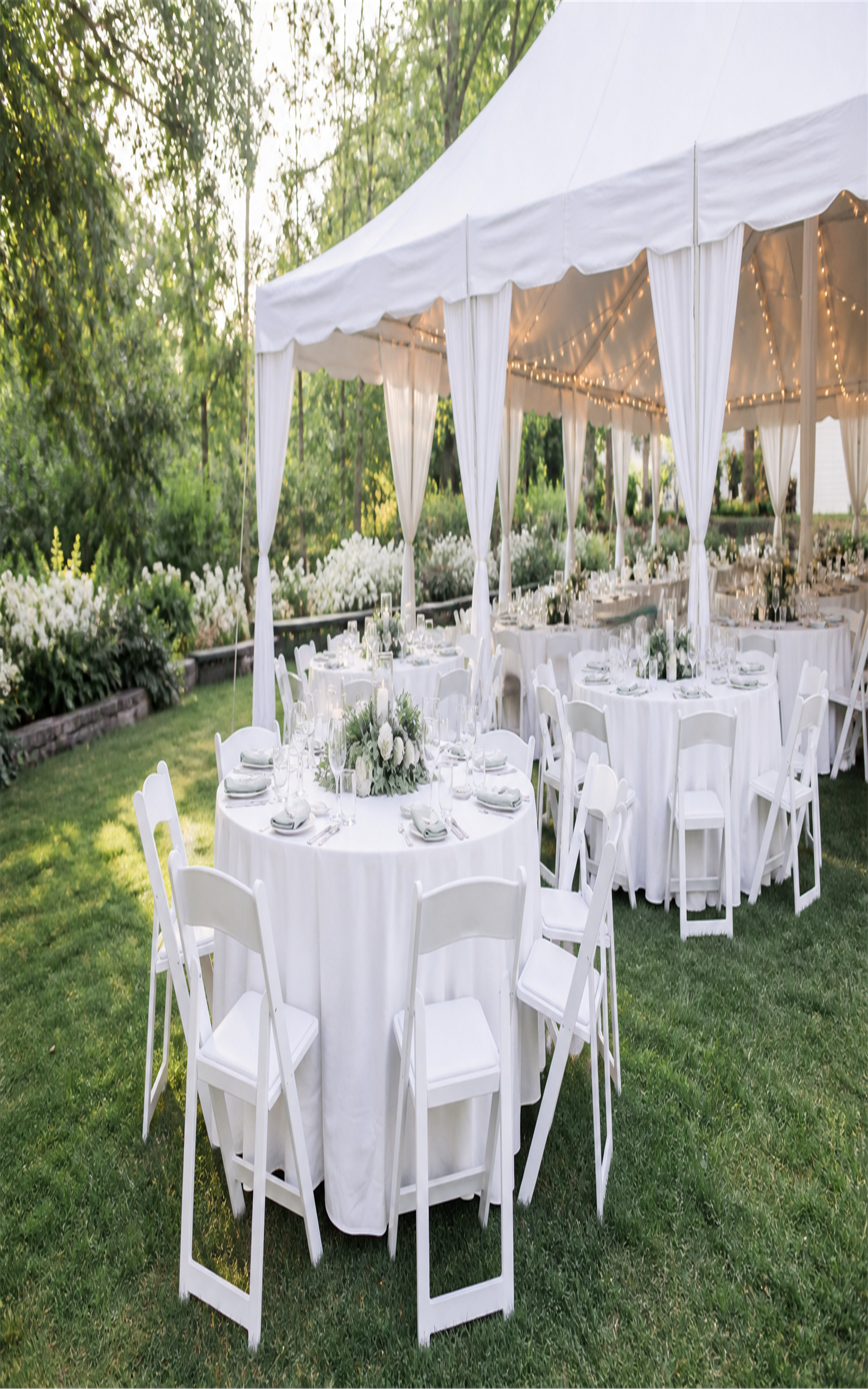
Understand who rents party equipment and why straightforward packages win bookings.
Plan tables, chairs, linens, and gear into named tiers hosts can book.
Investigate local rules before marketing or accepting paid bookings.
Structure intake, deposit policies, load-out, and delivery routines.
Quote rentals from measured labor, inventory, travel, and inspection time.
Reach hosts with a controlled launch and clear package descriptions.
Protect inventory condition and add capacity only when workflows hold.
A party equipment rental business rents tangible event gear for specific dates under written booking terms—not creative decor services or open-ended lending whenever a neighbor needs extra chairs. You maintain inventory in rent-ready condition, design packages with clear table counts and linen options, collect deposits before holding peak dates, deliver or facilitate pickup on schedule, inspect returns for damage, and communicate timelines hosts trust from first inquiry through the last item back in storage. Buyers pay for clarity about which tables, chairs, linens, and party gear arrive; when delivery or pickup happens; how long the rental window lasts; and what happens if items return damaged or counts come up short.
That distinction matters. Owning folding tables and a garage full of chairs is not the same as running a party equipment rental business. Many capable operators accept bookings without inventory allocation systems, underprice delivery and inspection labor, hold dates on verbal promises without deposits, or confuse equipment rental with party decorating—and then wonder why margins disappear, inventory degrades, and hosts do not rebook. Birthday parents, family reunion organizers, backyard wedding hosts, and community event chairs continue to rent tables, chairs, linens, and party gear when packages, delivery, and pricing are straightforward—but only when they believe the operator will deliver complete inventory, explain what is included, and handle returns fairly without surprise charges.
This guide walks you through how to start a party equipment rental business with professional habits: finding your opportunity, planning inventory and packages, investigating licensing and business setup, structuring booking, deposits, and delivery, pricing from real event costs, winning first clients, and growing with inspection discipline that protects your gear season after season. By the end, you should understand what the business is, how it differs from party decorating, what you need to prepare, and what to verify locally before accepting your first paid booking.
Backyard party hosts, family celebration organizers, and community event chairs hire equipment rental vendors when they need tables, seating, linens, and party gear without buying and storing everything themselves. Your first step is understanding who you serve and what they expect from a straightforward package—not assuming your inventory alone creates demand.
Party equipment rental businesses succeed when hosts understand the booking before event day: inventory list with exact counts, linen colors, rental duration, delivery or pickup window, deposit terms, and what optional add-ons cost. Buyers are not purchasing design vision—they are purchasing confidence that physical gear will arrive complete, look presentable, and be collected on time without a confusing invoice afterward.
Different clients bring different guest counts, venue constraints, and repeat potential. Choose one primary profile for launch:
Often book for birthdays, graduations, reunions, and milestone gatherings where hosts need tables, chairs, and basic linens on short notice. They compare on reliability, clear pricing with chair counts, and delivery punctuality—not always on the lowest package price alone.
Need coordinated seating, head tables, and linen presentation for intimate weddings, showers, and anniversaries. Package clarity, inventory condition, and on-time delivery matter more than the widest gear catalog at launch.
Prioritize vendors who invoice professionally, respect venue rules, deliver on defined windows, and scale guest counts accurately. Repeat annual bookings support growth once core logistics and inspection routines are proven.
Observe your local market: who do existing rental vendors serve well, and where do hosts still express frustration—late delivery, stained linens, short chair counts, vague package descriptions, or operators who drop off without confirming placement? Your opportunity often sits in inventory discipline, booking clarity, and reliable fulfillment as much as in owning more gear than competitors.
Hosts sometimes conflate renting tables and chairs with hiring someone to style a themed party. Equipment rental delivers physical inventory under logistics terms; party decorating delivers creative design, balloon installations, floral styling, and on-site decor execution. You may serve the same event as a decorator, but your contract covers inventory counts and delivery—not color palettes and installation artistry. Positioning yourself clearly prevents scope disputes and sets expectations with hosts who need gear, not a styled backdrop.
Specialty rental businesses with overlapping event clients—such as those in the bounce house business guide, dance floor rental business guide, and concession stand rental business guide—show how package clarity, booking intake, and delivery workflow sustain rental revenue. Party equipment rental sits at the foundation of many events; knowing when to partner with specialty vendors versus expand your own inventory is part of the business model.
Practical takeaway: Write one paragraph describing your ideal first client and the event type you want most—backyard birthdays, small receptions, or corporate picnics. List three questions they will ask before booking—and make sure your future intake process answers them with inventory counts, not vague assurances.
Before you quote party equipment rentals, decide what inventory lines you carry, how quantities support concurrent bookings, and how items combine into named packages hosts can compare—not a loose warehouse list that requires custom quotes for every inquiry.
Stage your inventory to match launch packages and storage capacity:
Folding tables in standard sizes, stackable chairs with resin or padded options, and child seating if your market demands it. Track quantities by package tier so you never overcommit guest counts across concurrent events on the same weekend.
Tablecloths, overlays, napkins, and basic serving accessories in a limited color palette you can launder efficiently between events. Stained or mismatched linens erode trust faster than missing add-on revenue.
Coolers, beverage tubs, serving pieces, cake tables, lawn games, or popcorn carts if demand supports them. Add gear only when repeated bookings justify purchase, cleaning time, and storage—not because one host asked once.
Refer specialty categories—bounce houses, dance floors, concession stands—through trusted partners until phased inventory purchases make sense for your crew and vehicle capacity.
Each package on your menu should list specific inventory, rental duration, and logistics inclusions:
Buy commercial-grade units matched to repeated transport—not the cheapest versions that warp, stain, or fail after a few events. Track inventory condition after every return inspection; damaged chairs and torn linens compound across a season if inspection routines slip.
Inventory discipline means knowing exactly what you own, what condition it is in, and what is committed on each date:
Written scope prevents the most common equipment rental disputes:
Rental businesses that scope carefully before confirming—like those described in the concession stand rental business guide—reduce event-day friction because hosts understand inclusions before guests arrive. Equipment rental follows the same rule: a written inventory list prevents arguments about whether extra chairs or delivery fees were included.
Practical takeaway: Draft a one-page package menu with at least three tiers and five optional add-ons. Read it aloud—if a host would still ask "how many chairs exactly?", add clearer guest-count mappings before publishing prices.
Equipment rental regulations vary widely by jurisdiction. Some areas allow party gear delivery under a general business license; others add rules for sales tax on rentals, commercial vehicle registration, park vendor permits, or venue-specific insurance. Your investigation framework matters as much as your inventory—verify locally before marketing paid events.
Create a checklist and confirm each item with your local business licensing office, parks department, and insurance agent. Requirements differ by country, state, county, and city—do not assume rules from another market apply to you:
Align your delivery workflow with what different venues demand:
Typically require host permission, clear vehicle access, and surface assessment for tables and chairs. Confirm gate width, slope, underground utilities, and parking before quoting delivery.
Often require vendor permits, certificate of insurance naming the venue, and defined setup windows. Investigate permit lead times before accepting bookings at unfamiliar locations.
Keep a referral list of complementary vendors—bounce houses, dance floors, concession stands—you trust for events you cannot fully serve. Partner referrals build more long-term trust than overpromising inventory your crew and storage cannot deliver.
Separate business banking, written rental agreements, a booking calendar with inventory allocation, and documented deposit and cancellation policies protect you as much as insurance does. Decide whether hosts pay deposits at booking, what cancellation refund tiers apply, and what happens when venue access is blocked on arrival.
The SBA guide to launching a business helps with general registration and planning steps, but it does not replace local event rental and venue permit rules. Start your research early—some permits take weeks, and operating without required coverage can invalidate insurance claims.
Practical takeaway: Complete your licensing investigation checklist with dated notes from official sources—not forum posts. Do not publish prices or accept deposits until general liability coverage and required registrations are confirmed for your service area and inventory lines.
A party equipment rental business runs on booking intake that captures every detail needed for successful delivery—and deposit policies that protect peak dates without text-message threads that omit gate width, guest count, or return windows until your truck is already en route.
Your intake form—online or phone script—should capture:
Deposits exist because event dates are perishable inventory. When you hold chairs for a Saturday wedding without payment, you turn away paying clients—and recover nothing if the host ghosts. Define policies in writing:
Collect booking deposits before allocating inventory on high-demand weekends. Verbal holds without payment create the double-booking nightmare every rental operator learns the hard way.
Professional equipment rental follows a repeatable sequence:
Logistics begin before event day. Plan warehouse or garage space where tables stack safely, chairs nest or rack without crushing, and linens store clean and separated from dirty returns. Label shelves by item type so load-out does not become a search mission at dawn on a Saturday. Match vehicle capacity to your largest package—attempting to fit a full reception inventory in one undersized trailer forces second trips that erase margin.
Route planning matters on peak weekends when multiple events book the same day. Sequence deliveries by window, not geographic convenience alone. Build buffer time between pickup at a morning event and delivery to an afternoon reception; inspection and linen processing consume hours that back-to-back calendars ignore until something breaks.
Hosts notice details beyond the inventory itself:
Specialty rental businesses with similar logistics demands—such as those in the dance floor rental business guide—reduce no-shows and scope disputes because hosts confirm details before delivery. Equipment rental follows the same rule: complete intake and load-out checks prevent the truck-arrives-but-gate-is-locked scenario that destroys margins and reviews.
Practical takeaway: Build your intake form and run one mock booking from inquiry through load-out checklist. Note any question you would still need to ask on event day—and add that field before accepting live deposits.
Hosts buy defined inventory packages and dependable delivery—not vague rental guesses that underprice loading labor, linen laundering, or return inspection time. Pricing should reflect the full cost of the documented package on a specific event, not a rate copied from a competitor you cannot verify.
Consider every cost category that applies to your rental model:
Events far outside your core delivery zone carry disproportionate travel cost. A backyard reception forty-five minutes from your warehouse is not priced like one ten minutes away. Build delivery radius tiers honestly—hosts prefer transparent zone pricing over artificially low base rates that balloon with mileage surcharges later.
Package-based fixed pricing works when inventory lists and rental windows are documented. Add modifiers for extra guest counts, upgraded linens, extended hours, weekend peak demand, difficult access, or full setup labor versus curbside drop. Separate line items help corporate clients and family hosts map invoices to event budgets.
Define deposit percentage, balance due timing, and cancellation refund tiers in writing. Event labor is calendar-locked; dates you turn away while holding unpaid inquiries are revenue you cannot recover.
Include payment terms, damage charge schedule tied to inspection findings, venue access failure policy, and what happens when hosts request inventory outside the booked package on arrival. Track actual setup, pickup, travel, and inspection minutes on every early event against your estimate. Adjust pricing templates based on real delivery data rather than initial guesses.
The bounce house business guide emphasizes similar pricing discipline: accurate quotes come from documented event costs and professional intake, not competitor guessing. Equipment rental adds linen processing and higher inventory counts—similar rigor applies at your scale.
Practical takeaway: Build a pricing spreadsheet with labor rates, inventory amortization, travel allowances, and overhead allocation. Complete it for your next five quotes, then compare projected costs to actuals after each event closes. Refine before scaling marketing.
Trust drives booking decisions in equipment rentals. Hosts choose vendors who communicate clearly, confirm inventory counts in writing, and deliver complete packages on time—not whoever sends the lowest quote without a chair count.
Avoid advertising without delivery discipline behind it. Photos of polished table setups, clear package language with exact counts, and punctual delivery demonstrate professionalism better than discount pricing alone. Do not position yourself as a party decorator if you rent equipment—hosts who want styled balloon arches need a different vendor, and clarity prevents mismatched expectations.
Event rental businesses with similar client-trust dynamics show how documented packages, professional intake, and repeat referral systems sustain rental revenue. The operational pattern translates: hosts hire vendors they believe will arrive complete, communicate, and deliver as promised on event day.
Practical takeaway: Land your first three events through direct outreach to hosts who match your target profile—before spending on ads. Document every intake question they raise and refine your templates after each conversation.
Growth means adding inventory and event volume only when booking intake, delivery accuracy, and return inspection stay consistent—not accepting every date because your calendar has gaps.
A sensible progression:
Inspection is where rental margins live or die. Without consistent routines, damaged chairs circulate to the next host, linen stains set permanently, and missing pieces disappear until you replace entire sets at your expense. Define an inspection checklist for every return:
Train helpers on inspection standards before they handle returns alone. One missed cracked chair leg becomes a liability claim at the next event—and a review that mentions wobbly seating.
Equipment rental demand often clusters around weekends, holidays, and graduation season. Plan inventory quantities and crew availability for peak weeks before accepting bookings you cannot staff. A second concurrent event is only viable when you have separate inventory sets, vehicles, and trained helpers—not when you hope to inspect and reload between overlapping delivery windows.
Adding inventory introduces logistics complexity. Document setup standards with photo examples for each package tier, conduct joint deliveries on early events with helpers, and review estimate-to-actual hour variance monthly. One short chair count, stained head-table linen, or late delivery can damage the reputation that took seasons to build with planners and venues.
Track metrics that matter: setup time variance, inventory damage rate, linen turnaround reliability, missing-item frequency, repeat corporate bookings, referral source, and events completed per month at your agreed standard—not vanity metrics like total inquiries. Fix intake and inspection gaps before marketing harder or expanding into specialty lines you could partner for instead.
Operators who master core tables-and-linens delivery often expand selectively into categories covered in the concession stand rental business guide or refer inflatables to specialists in the bounce house business guide while keeping their brand focused on dependable equipment fulfillment. Growth should follow proven workflow—not inventory enthusiasm alone.
Practical takeaway: After your first ten completed events, identify your most common inspection miss and your strongest referral source. Fix the load-out or return routine before adding inventory lines or expanding your delivery radius.
Use this four-week outline to move from interest to a controlled first booking. Each week builds on the last for a party equipment rental business launch.
Confirm these essentials before you accept a booking or load inventory for your first paid party equipment rental event.
A party equipment rental business is a professional operation that rents tangible event gear—tables, chairs, linens, serving equipment, and related party essentials—for specific dates under written booking terms with delivery, pickup, and inspection routines. Success depends on inventory discipline, clear packages hosts can compare, deposit and booking policies that protect dates, and reliable fulfillment from load-out through return inspection. This model rents equipment, not creative decor or theme styling services.
Party equipment rental delivers and retrieves physical inventory—seating, tables, linens, and gear—under defined rental packages and logistics terms. Party decorating is a creative service focused on theme design, balloon installations, floral styling, and on-site decor execution. Equipment rental operators win on inventory condition, booking clarity, and delivery reliability; decor vendors win on design vision and installation artistry. Many events use both, but they are different business models.
Licensing and registration requirements vary significantly by country, state, county, and city. Some jurisdictions allow equipment rental delivery under a general business license; others add sales tax on rentals, commercial vehicle rules, park vendor permits, or venue-specific insurance requirements. Verify requirements with your local business licensing office, parks department, and insurance agent before accepting paid bookings.
Start with inventory matched to one or two launch packages: folding tables and stackable chairs in quantities that support your largest realistic event, basic linen sets in a limited color palette, and optional party gear such as coolers, serving pieces, or lawn games if your market demands them. Buy commercial-grade units built for repeated transport. Add specialty categories through partners or phased purchases once core delivery and inspection workflow is proven.
List specific inclusions per tier: guest-count seating, table counts, linen colors, rental window, delivery versus pickup options, setup labor if offered, and deposit terms. Name packages hosts can compare—backyard basics, reception bundle, corporate picnic kit—and document add-ons separately. Written confirmations with inventory counts prevent disputes about whether extra chairs, extended hours, or delivery fees were included.
Collect a booking deposit before holding inventory on peak dates; define balance due timing, cancellation refunds, and damage-deposit or card-hold policies in writing. Delivery intake must capture venue access, surface type, setup window, on-site contact, and vehicle constraints before you confirm availability. Load-out checklists match the booking inventory list; return inspection documents condition and triggers any damage charges per your rental agreement.
Build pricing from labor hours, inventory amortization, travel and setup time, inspection and cleaning labor, insurance, overhead, damage reserve, and margin. Use delivery radius tiers, package base pricing plus modifiers, and deposit policies. Track estimate-to-actual hours on early events and adjust templates from real data—not competitor guessing.
Start with a defined client profile and controlled launch package. Reach backyard hosts, family celebration planners, and community organizers through local search, vendor partnerships, and direct outreach. Professional booking forms, clear package descriptions with chair and table counts, setup photos, and punctual delivery convert interest faster than vague low quotes without an inventory list.
This party equipment rental business example was developed using eBook Business Builder—the workflow used to structure the guide, free lead magnet, offer assets, email series, and marketing content you see in the EBB Showroom below.
If you want to create your own eBook business around a topic you know, EBB walks you through research, writing, assets, and launch in a repeatable system. See how business assets fit together and launch marketing for your eBook business to understand the full EBB build model.
Start Building with eBook Business Builder →The flagship guide explains how to start a party equipment rental service—inventory planning, deposit policies, delivery workflow, inspection routines, pricing, and client communication—in a structured eBook format.
Chapters walk readers through evaluating the opportunity, planning inventory and packages, investigating licensing and business setup, structuring booking and deposits, pricing from real event costs, winning first clients, and growing operations with inspection discipline that protects gear season after season.
First Inventory & Booking Setup — a lead magnet that helps readers evaluate whether party equipment rental fits their market and identify sensible first steps before accepting bookings.
Many operators accept rental bookings without inventory allocation, deposit policies, or delivery planning that protects margins and host expectations.
Foundational inventory planning, booking intake basics, deposit structure, and a simple action plan readers can use before committing to their first paid event.
Owns some party gear but unsure how to package inventory, collect deposits, or run deliveries professionally.
Prepared with the fundamentals needed to plan launch inventory, structure booking intake, and deliver equipment with inspection routines hosts trust.
Party Equipment Rental Startup Program
A practical flagship guide for readers ready to move from interest to action—with clear first steps and professional rental habits for dependable equipment fulfillment on event dates.
Tools & References