Find the Opportunity
Understand who books lawn games and why package clarity wins events.
A practical starting point for operators who want to launch a lawn games service with clearer game packages, booking intake, and event delivery workflow basics.
This page walks you through how to start a lawn games business as a real event rental service—not just owning oversized games in storage. You will learn who books lawn games, how to design packages hosts understand, how to build professional booking intake, how to plan event delivery from load-out through takedown, how to price from real event costs, how clients find you, and how to deliver dependable party experiences that generate repeat bookings and referrals.

Understand who books lawn games and why package clarity wins events.
Define bookable tiers with games, duration, and setup included.
Investigate local rules and business setup before marketing events.
Capture event details, screen venues, and confirm professionally.
Quote events from measured labor, inventory, and travel time.
Land early bookings through controlled launch and vendor partnerships.
Improve setup workflow and add inventory when operations hold.
A lawn games business sells defined outdoor entertainment packages for events—not open-ended game lending whenever someone asks. You design bookable packages hosts can compare, capture event details through professional booking intake, deliver and set up games on site, manage takedown and inventory checks, and communicate timelines clients trust from first inquiry through the last guest leaving. Buyers pay for clarity about which games arrive, when setup happens, how long rental lasts, and what happens if weather or venue access changes plans.
That distinction matters. Owning giant Jenga and cornhole boards is not the same as running a lawn games business. Many capable operators accept events without package documentation, underprice delivery and setup time, or arrive without confirming venue access—and then wonder why margins disappear and hosts do not rebook. Birthday parents, corporate planners, wedding coordinators, and community organizers continue to hire lawn games vendors when they want engaging outdoor activities without sourcing and storing equipment themselves—but only when they believe the operator will deliver complete setups, explain game rules, and communicate honestly about what the package includes.
This guide walks you through how to start a lawn games business with professional habits: finding your opportunity, designing game packages, investigating licensing and business setup, building booking intake, pricing from real event costs, winning first events, and growing with the event delivery discipline that defines a credible local rental service. By the end, you should understand what the business is, what you need to prepare, and what to verify locally before accepting your first paid booking.
Backyard party hosts, corporate event planners, and wedding coordinators hire lawn games vendors when they want interactive outdoor entertainment without buying and storing oversized equipment. Your first step is understanding who you serve and what they expect from a professional package—not assuming your game collection alone creates demand.
Lawn games businesses succeed when hosts understand the booking before event day: game list, rental duration, delivery window, setup and takedown included, surface requirements, and what optional add-ons cost. Buyers are not simply renting objects—they are purchasing confidence that games will arrive complete, look presentable, and be ready for guests when the event starts.
Different clients bring different guest counts, venue constraints, and repeat potential. Choose one primary profile for launch:
Often book for mixed-age gatherings where hosts want simple, visible fun—giant Jenga, cornhole, connect four, and similar games. They compare on reliability, setup quality, and clear pricing—not always on the lowest package price alone.
Need professional invoicing, defined setup times, and games that work for adult groups. Package clarity, liability documentation, and punctual delivery matter more than novelty game variety alone.
Prioritize vendors who coordinate with planners, respect venue rules, and deliver polished setups that photograph well. Premium packages and multi-game bundles support larger events once core delivery workflow is proven.
Observe your local market: who do existing party rental and event vendors serve well, and where do hosts still express frustration—late setup, missing game pieces, vague package descriptions, or operators who disappear after drop-off? Your opportunity often sits in operational clarity and event delivery as much as in game inventory.
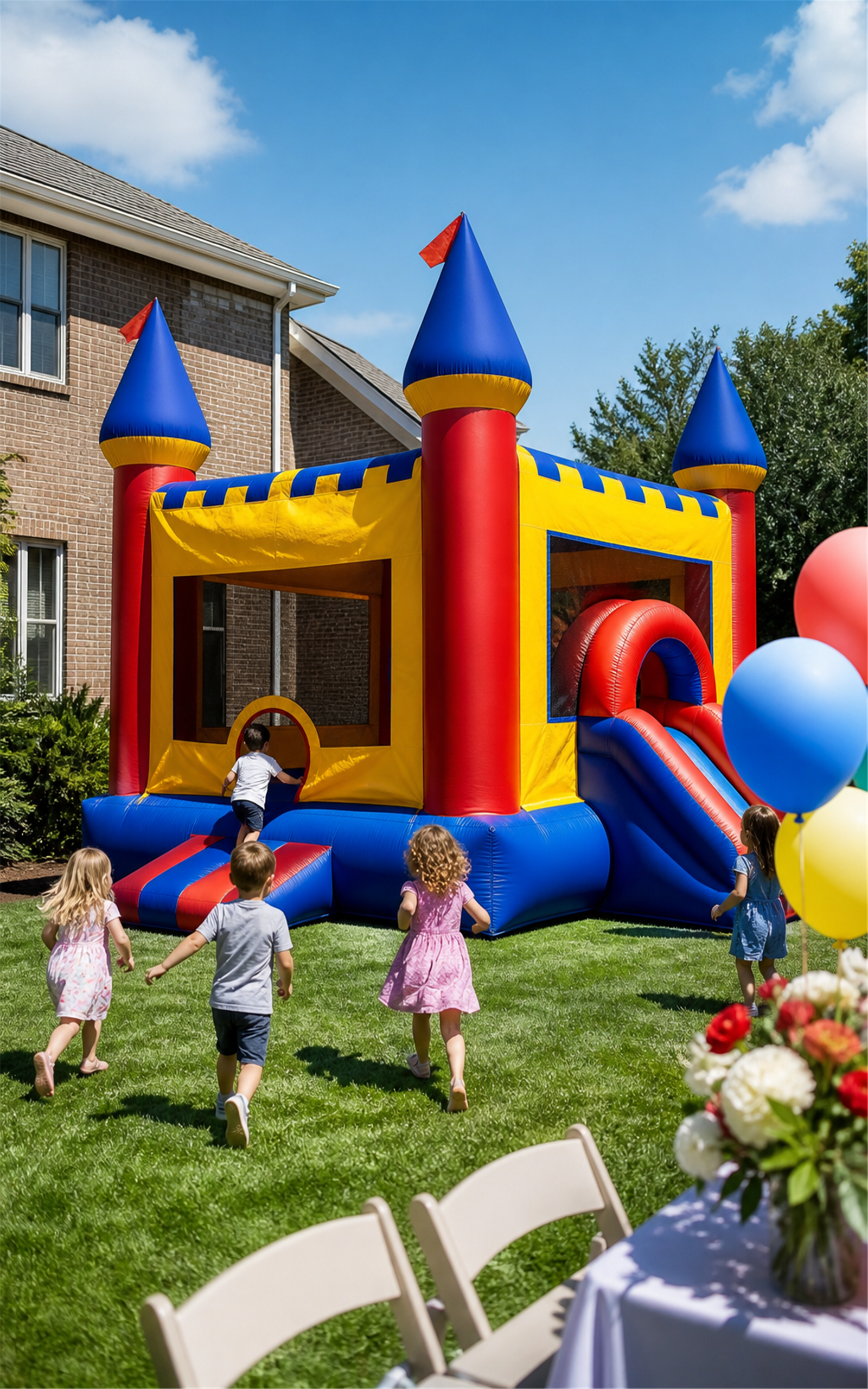
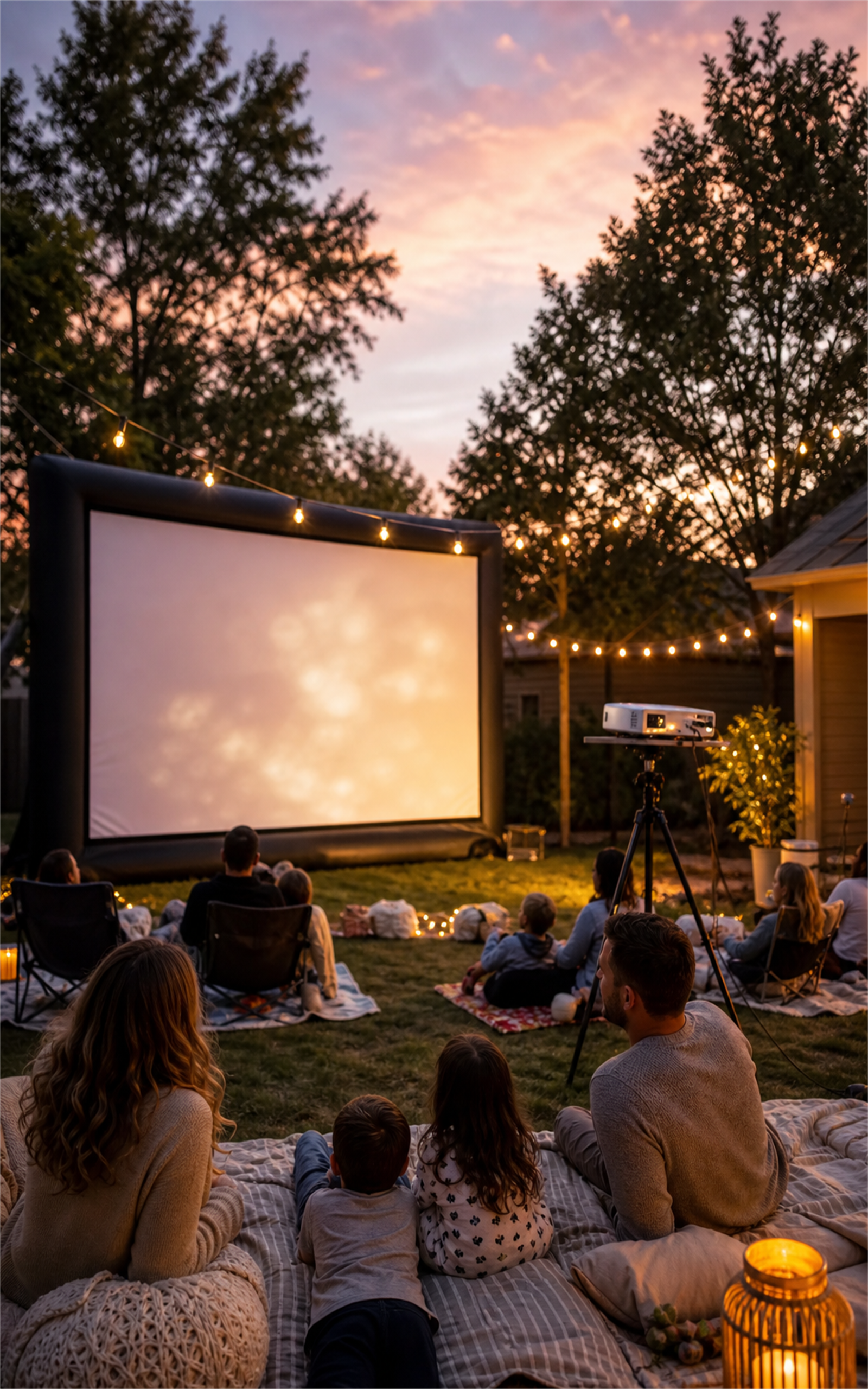
Event rental businesses with overlapping client bases—such as those in the bounce house business guide, backyard movie business guide, and concession stand rental business guide—show how package clarity, booking intake, and delivery workflow sustain rental revenue. Lawn games sit alongside inflatables, outdoor screens, and food concessions at many events; knowing when to partner versus compete is part of the business model.
Practical takeaway: Write one paragraph describing your ideal first client and the event type you want most—backyard birthdays, corporate picnics, or wedding receptions. List three questions they will ask before booking—and make sure your future intake process answers them.
Before you quote lawn games events, decide what each package includes, which games belong in each tier, and how add-ons extend the base offer. Hosts need named packages they can compare—not a loose inventory list that requires custom quotes for every inquiry.
Each package on your menu should list specific games, rental duration, and delivery inclusions:
Two to three crowd-pleasing games—often giant Jenga and cornhole sets—plus delivery, setup, and takedown for a defined rental window. Best for small birthday parties and casual gatherings with limited lawn space.
Four to six games covering different play styles—stacking, tossing, strategy, and team games—plus setup briefing for hosts. Define guest count guidance and surface requirements before quoting.
Full game lineup for corporate events, weddings, or festivals: multiple stations, branded or polished presentation options, extended rental hours, and optional attendant support. Position when clients need turnkey outdoor entertainment zones.
Extra games, extended hours, overnight hold, themed signage, concession pairing, or balloon decor through partners. Naming these upfront prevents scope disputes and opens referral revenue with adjacent vendors.
Start with durable games that setup quickly and photograph well:
Buy or build quality units matched to repeated transport—not the cheapest versions that warp after three events. Track inventory condition after every takedown; damaged games erode reputation faster than missing add-on revenue.
Written scope prevents the most common lawn games disputes:
Rental businesses that scope carefully before confirming—like those described in the balloon decorating business guide—reduce event-day friction because hosts understand inclusions before guests arrive. Lawn games follow the same rule: a written game list prevents arguments about whether an extra set or extended hours was included.
Practical takeaway: Draft a one-page package menu with at least three tiers and five optional add-ons. Read it aloud—if a host would still ask "which games exactly?", add clearer game lists before publishing prices.
Event rental regulations vary widely by jurisdiction. Some areas allow lawn games delivery under a general business license; others add rules for park permits, commercial vehicle registration, sales tax on rentals, or venue-specific insurance requirements. Your investigation framework matters as much as your inventory—verify locally before marketing paid events.
Create a checklist and confirm each item with your local business licensing office, parks department, and insurance agent. Requirements differ by country, state, county, and city—do not assume rules from another market apply to you:
Align your delivery workflow with what different venues demand:
Typically require host permission, clear access path, and surface assessment. Confirm gate width, slope, and where vehicles may park before quoting delivery.
Often require vendor permits, certificate of insurance naming the venue, and defined setup windows. Investigate permit lead times before accepting bookings at unfamiliar locations.
Keep a referral list of complementary vendors—concessions, decor, entertainment—you trust for events you cannot fully serve. Partner referrals build more long-term trust than overpromising packages your inventory and crew cannot deliver.
Separate business banking, written rental agreements, a booking calendar routine, and documented deposit and cancellation policies protect you as much as insurance does. Decide whether hosts pay deposits at booking, what weather cancellation terms apply, and what happens when venue access is blocked on arrival.
The SBA guide to launching a business helps with general registration and planning steps, but it does not replace local event rental and venue permit rules. Start your research early—some permits take weeks, and operating without required coverage can invalidate insurance claims.
Practical takeaway: Complete your licensing investigation checklist with dated notes from official sources—not forum posts. Do not publish prices or accept deposits until general liability coverage and required registrations are confirmed for your service area.
A lawn games business runs on booking intake that captures every detail needed for successful event delivery—not text-message threads that omit venue access, guest count, or surface type until you arrive with a truck full of games that will not fit through the gate.
Your intake form—online or phone script—should capture:
Not every event fits your launch capacity. Use screening questions to filter bookings early:
Professional event rental follows a repeatable intake sequence:
Start simple: a structured form connected to a shared calendar, payment link for deposits, and email templates for confirmation and reminders. Test the full flow with a friend simulating a booking before live inquiries arrive—confusing steps or missing fields surface faster in rehearsal than on event day.
Party rental businesses with similar intake needs—such as those in the bounce house business guide—reduce no-shows and scope disputes because hosts confirm details before delivery. Lawn games follow the same rule: complete intake prevents the truck-arrives-but-gate-is-locked scenario that destroys margins and reviews.
Practical takeaway: Build your intake form and run one mock booking from inquiry through confirmation email. Note any question you would still need to ask on event day—and add that field before accepting live deposits.
Hosts buy defined game packages and dependable event delivery—not vague rental guesses that underprice setup labor or delivery distance. Pricing should reflect the full cost of the documented package on a specific event, not a rate copied from a competitor you cannot verify.
Consider every cost category that applies to your event model:
Events far outside your core delivery zone carry disproportionate travel cost. A backyard party forty-five minutes from your storage is not priced like one ten minutes away. Build delivery radius tiers honestly—hosts prefer transparent zone pricing over artificially low base rates that balloon with mileage surcharges later.
Package-based fixed pricing works when game lists and rental windows are documented. Add modifiers for extra games, extended hours, weekend peak demand, difficult access, or attendant support. Separate line items help corporate clients map invoices to event budgets.
Define deposit percentage, balance due timing, and cancellation refund tiers in writing. Event labor is calendar-locked; dates you turn away while holding unpaid inquiries are revenue you cannot recover.
Include payment terms, weather cancellation process, venue access failure policy, and what happens when hosts request games outside the booked package on arrival. Track actual setup and takedown minutes on every early event against your estimate. Adjust pricing templates based on real delivery data rather than initial guesses.
The backyard movie business guide emphasizes the same discipline: accurate quotes come from documented event costs and professional intake, not competitor guessing. Lawn games share delivery logistics and setup labor patterns with outdoor screen rentals—similar pricing rigor applies.
Practical takeaway: Build a pricing spreadsheet with labor rates, inventory amortization, travel allowances, and overhead allocation. Complete it for your next five quotes, then compare projected costs to actuals after each event closes. Refine before scaling marketing.
Trust drives booking decisions in event rentals. Hosts choose vendors who communicate clearly, confirm details in writing, and deliver complete setups on time—not whoever sends the lowest quote without a game list.
Avoid advertising without delivery discipline behind it. Photos of polished game stations, clear package language, and punctual setup demonstrate professionalism better than discount pricing alone.
Event rental businesses with similar client-trust dynamics—such as those in the concession stand rental business guide—show how documented packages, professional intake, and repeat referral systems sustain rental revenue. The operational pattern translates: hosts hire vendors they believe will arrive complete, communicate, and deliver as promised on event day.
Practical takeaway: Land your first three events through direct outreach to hosts or planners who match your target profile—before spending on ads. Document every intake question they raise and refine your templates after each conversation.
Growth means adding inventory and event volume only when booking intake, setup quality, and takedown routines stay consistent—not accepting every date because your calendar has gaps.
A sensible progression:
Professional lawn games delivery follows a repeatable on-site sequence:
Hosts and guests notice details beyond the games themselves:
Adding inventory introduces logistics complexity. Document setup standards with photo examples, conduct joint deliveries on early events with helpers, and review estimate-to-actual hour variance monthly. One incomplete game set or late arrival can damage the reputation that took seasons to build with planners and venues.
Track metrics that matter: setup time variance, inventory damage rate, repeat corporate bookings, referral source, and events completed per month at your agreed standard—not vanity metrics like total inquiries. Fix intake and delivery gaps before marketing harder.
Practical takeaway: After your first ten completed events, identify your most common setup delay and your strongest referral source. Fix the intake or load-out issue before adding games or expanding your delivery radius.
Use this four-week outline to move from interest to a controlled first booking. Each week builds on the last for a lawn games business launch.
Confirm these essentials before you accept a deposit or load inventory for your first paid lawn games event.
A lawn games business is a party and event rental service that delivers, sets up, and manages outdoor games for birthdays, corporate events, weddings, and community gatherings—not simply owning oversized games in storage without booking systems or delivery workflow. Success depends on clear game packages, professional booking intake, reliable event delivery, and communication hosts trust from first inquiry through takedown.
Bounce house rentals center on inflatable entertainment, blower setup, and safety supervision for active children's play. Lawn games businesses focus on oversized outdoor games for mixed-age groups at backyard parties, corporate picnics, and wedding receptions. Both share booking intake and delivery workflow patterns, but game inventory, setup time, and host expectations differ.
Start with two or three named packages matched to local demand—a basic backyard package, a party package with four to six games, and a premium event bundle for corporate or wedding clients. Each package should state rental duration, delivery, setup, takedown, and optional add-ons so hosts know exactly what they are booking.
Business registration and licensing requirements vary significantly by country, state, county, and city. Some jurisdictions require a general business license for event rentals; others add rules for park permits, commercial vehicle use, or sales tax on rental services. Verify requirements with your local business licensing office before accepting paid event bookings.
Use a structured intake form or booking tool that captures event date, venue address, guest count, package selection, surface type, access details, deposit rules, and liability terms. Send immediate confirmations and event reminders. Screen for venue constraints before confirming availability.
Build pricing from inventory cost, transportation, setup and takedown labor, insurance, maintenance, overhead, and desired margin. Quote by package with modifiers for delivery distance, extra hours, and additional games. Track estimate-to-actual time on early events and adjust templates using your production rates—not unverified competitor numbers.
Follow a repeatable sequence: booking confirmation, pre-event venue check, load-out matched to the package, on-site setup with level placement and game rules briefing, takedown and inventory check, and post-event follow-up for reviews and repeat bookings. Consistent workflow reduces missed pieces, setup delays, and disputes about inclusions.
Start with a defined client profile and controlled launch. Reach local buyers through search listings, event photos from early bookings, vendor partnerships with venues and planners, and referrals from adjacent party rental businesses. Professional package documents, visible setup quality, and punctual delivery convert interest faster than vague low bids.
This lawn games business example was developed using eBook Business Builder—the workflow used to structure the guide, free lead magnet, offer assets, email series, and marketing content you see in the EBB Showroom below.
If you want to create your own eBook business around a topic you know, EBB walks you through research, writing, assets, and launch in a repeatable system. See how business assets fit together and launch marketing for your eBook business to understand the full EBB build model.
Start Building with eBook Business Builder →The flagship guide explains how to start a lawn games service—game packages, booking intake, event delivery workflow, inventory planning, pricing, and launch strategy—in a structured eBook format.
Chapters walk readers through evaluating the opportunity, designing game packages, investigating licensing and business setup, building professional booking intake, pricing from real event costs, winning first events, and growing delivery operations without sacrificing setup quality.
First Events & Game Package Setup — a lead magnet that helps readers evaluate whether lawn games rental fits their goals and identify sensible first steps before accepting event bookings.
Many operators buy games without package structure, booking intake, or event delivery habits that protect margins and host expectations.
Foundational first steps, common early mistakes to avoid, and a simple action plan readers can use before committing to event bookings or service launches.
Owns outdoor games informally but unsure how to design packages, intake bookings, or run a lawn games business professionally.
Prepared with the fundamentals needed to screen venues, confirm bookings, assemble inventory, and deliver complete game setups on event day.
Lawn Games Startup Program
A practical flagship guide for readers ready to move from interest to action—with clear first steps and professional event delivery habits for dependable lawn games service.
Tools & References