Find the Opportunity
Understand who books karaoke and why package clarity wins events.
A practical starting point for hosts who want to launch a karaoke service with clearer event packages, booking intake, and equipment workflow basics.
This page walks you through how to start a karaoke business as a professional entertainment service—not just bringing speakers to a party without hosting plan or backup gear. You will learn who books karaoke, how to design event packages buyers understand, how to build booking intake that prevents event-day surprises, how to assemble equipment you trust under show conditions, how to host so guests participate confidently, how to price from real event costs, how clients find you, and how to grow without sacrificing reliability.

Understand who books karaoke and why package clarity wins events.
Design tiered offers with defined hours, gear, and hosting scope.
Build a tested rig with backups for critical failure points.
Capture venue, power, and guest details before you quote.
Run setup, sound check, queue management, and teardown reliably.
Price from real event costs and launch with controlled outreach.
Add packages and dates only when equipment and hosting hold.
A karaoke business sells hosted entertainment with reliable equipment and organized song flow—not dropping off speakers and hoping guests figure out the queue themselves. You design event packages with clear inclusions, collect booking details that prevent setup surprises, maintain a rig you have tested under real conditions, host so participants feel supported, and price from the full time and cost of delivering the event—not only the hours guests sing. Buyers pay for confidence that lyrics will display, microphones will work, the host will keep energy moving, and teardown will happen on schedule.
That distinction matters. Singing karaoke at friends' parties is not the same as running a karaoke business. Many capable hosts launch without tiered packages, skip venue intake questions, rely on untested gear, or underprice setup and travel time. Bars, corporate planners, and private party hosts continue to hire karaoke providers when equipment feels professional, hosting keeps shy guests participating, and booking communication matches event-day delivery—but only when they believe the operator has done this before successfully.
This guide walks you through how to start a karaoke business with professional habits: finding your opportunity, designing event packages, building equipment reliability, structuring booking intake, running hosting workflow, pricing from real costs, winning first bookings, and growing with the operational discipline that defines a credible entertainment service. By the end, you should understand what the business is, what you need to prepare, and what to verify locally before accepting your first paid event.
Private parties, corporate events, bars, and community gatherings hire karaoke when they want participatory entertainment—not a passive playlist. Your first step is understanding who books you and what they expect from packages, hosting, and equipment reliability.
Karaoke businesses succeed when clients understand the offer before event day: hours included, number of microphones, display setup, host responsibilities, and what the venue must provide. Buyers are not simply renting speakers—they are purchasing an experience where guests actually sing, laugh, and stay engaged.
Birthdays, weddings, and house parties need hosts who encourage participation without embarrassing shy guests. Clients compare on energy, reliability, and clear pricing—not always on the lowest package tier alone.
Require professional communication, appropriate song filtering options, and punctual setup in conference rooms or rented venues. Invoices and liability documentation may matter for procurement.
Prioritize operators who arrive consistently, manage crowd flow on busy nights, and maintain equipment without disrupting service. Recurring venue relationships build stable revenue once trust is established.
Observe your local market: which karaoke providers feel professional, and where do planners still express frustration—late setup, dead microphones, hosts who disappear, or unclear package boundaries? Your opportunity often sits in booking intake and equipment reliability as much as in song library size alone.
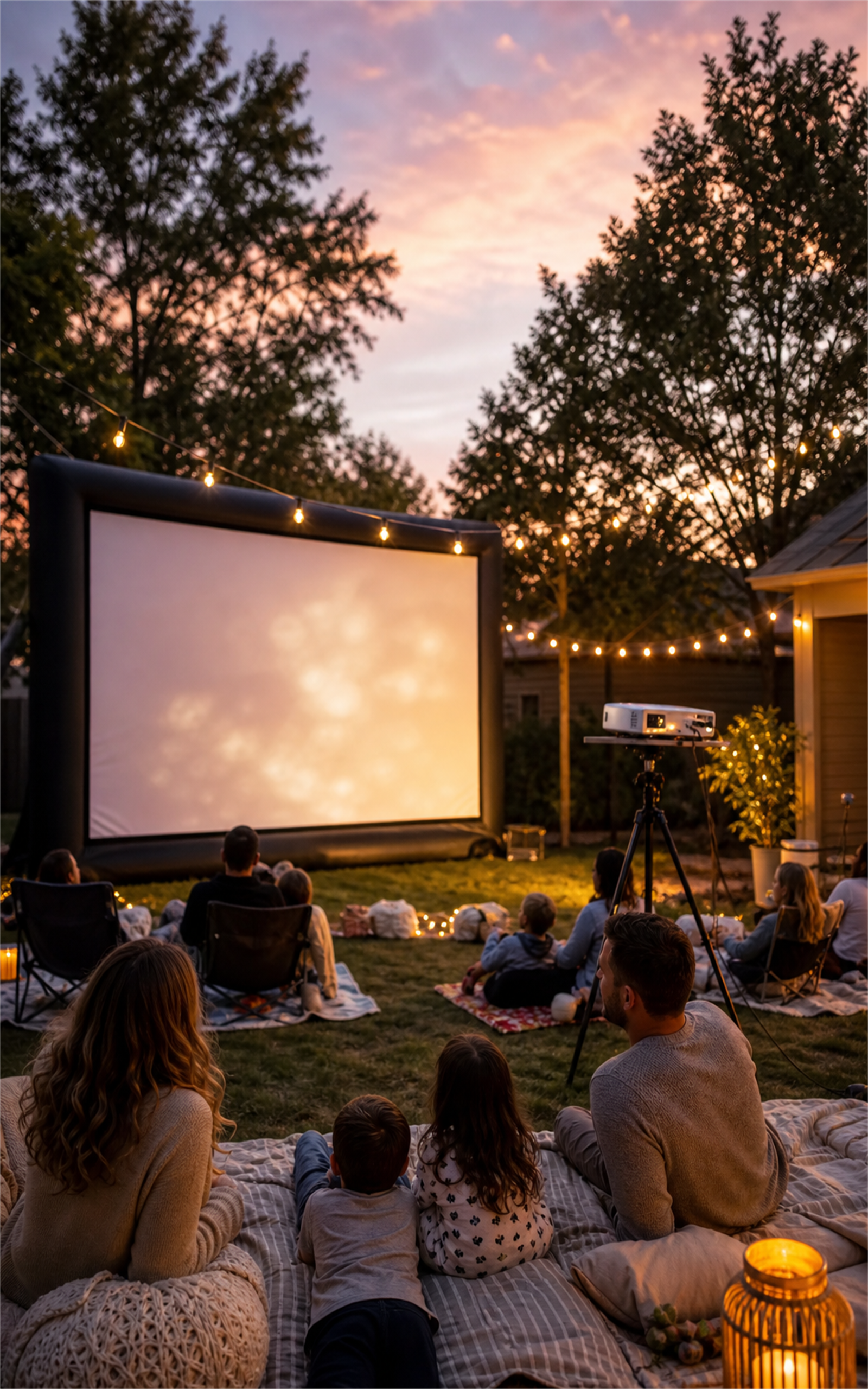
Adjacent event entertainment businesses—such as those in the DJ business guide, dance floor rental business guide, and backyard movie business guide—show how tiered packages and professional intake sustain event revenue. Karaoke often pairs with those services at weddings and outdoor parties; referral relationships matter.
Practical takeaway: Write one paragraph describing your ideal first event type and client. List three questions they will ask before booking—and make sure your future intake form and package sheet answer them.
Before you quote events, define tiered packages with written inclusions—hours, microphones, displays, hosting scope, and add-ons. Planners need options they can forward to decision-makers, not vague "we'll make it work" assurances.
Defined hosting hours, single display, two wireless microphones, core song library access, setup and teardown included. Best for small private parties with one primary room.
Extended hours, additional microphones, enhanced speaker coverage for larger rooms, themed playlist preparation, and earlier setup window when venues require it.
Standing weekly or monthly slot with consistent load-in time, bar-appropriate hosting style, and equipment left compact for crowded stages. Define cancellation and rain-check terms clearly.
Concession and rental operators in the concession stand rental business guide use similar tiered documentation so event planners know exactly what arrives on site. Karaoke packages fail when clients assume lighting, extra screens, or unlimited hours were included because they were not written down.
Practical takeaway: Draft two launch packages on one page with tier names, hours, gear lists, and client responsibilities. Read them as if you were a corporate planner—if anything requires a phone call to clarify, rewrite before publishing prices.
Equipment reliability is the foundation of karaoke hosting. A searchable library and engaging host cannot compensate for dead microphones, clipped speakers, or displays that fail during the first song. Build a rig you have stress-tested—not borrowed gear assembled the night before.
Carry spare wireless mics or a wired backup, extra batteries, and duplicate critical cables. Mic failure during the guest-of-honor's song destroys reviews faster than any hosting mistake.
Know how to switch to a secondary device or offline library if network-dependent systems stall. Test failover before paid events—not during them.
DJ and mobile sound operators in the DJ business guide emphasize preparation checklists and redundant paths—the same discipline applies to karaoke, where lyrics visibility and vocal clarity are non-negotiable.
Practical takeaway: Run a full mock event at home or a borrowed space: setup, two hours of simulated use, intentional cable swap, and teardown. Note every failure point and add backups or checklist items before quoting paid bookings.
Booking intake prevents the surprises that compress setup and limit performance quality—no power where expected, outdoor setup without cover, or guest counts that exceed your speaker plan. Collect details before you quote, not in the parking lot.
Not every inquiry fits your launch capacity. Decline or refer when venues lack power, outdoor events have no weather plan, expected crowds exceed your audio coverage, or clients resist written package terms. Early reputation depends on events you can deliver well—not every date on the calendar.
Outdoor and multi-vendor events—common in the backyard movie business guide and dance floor rental business guide—require coordination intake similar to karaoke. Power, space, and schedule conflicts appear when forms are skipped.
Practical takeaway: Build a one-page intake form covering every question above. Run three real inquiries— even hypothetical ones—through it and confirm you could quote and pack gear without a follow-up call.
Hosting is the visible product. Equipment works in the background; you set tone, manage queues, solve minor disasters calmly, and keep events on schedule. Professional hosting workflow turns shy rooms into participating crowds without forcing individual guests.
Practical takeaway: Host one practice event for friends with a written run sheet—intro script, queue rules, and wind-down timing. Note where participation lagged and adjust hosting prompts before your first paid booking.
Clients buy hosted entertainment and reliable gear—but you sustain the business when package prices cover setup, hosting, travel, equipment wear, licensing obligations you carry, and overhead. Price from measured event costs, then reach buyers through channels matched to your event profile.
Package pricing by tier and event length keeps quotes understandable. Avoid quoting only "per hour singing time" when setup and teardown often equal stage hours on small events.
Practical takeaway: Price both launch packages in a spreadsheet using timed mock setup and teardown. Book your first three events through direct outreach before spending on ads. Refine intake questions after each event closes.
Growth means adding dates, packages, and secondary hosts only when equipment reliability, intake discipline, and hosting quality stay consistent—not accepting every inquiry because a slow month made you nervous.
Track metrics that matter: setup-time variance, equipment failure incidents, repeat venue bookings, referral source, and post-event review tone—not only total inquiries. Fix gear and intake gaps before scaling marketing spend.
Practical takeaway: After your first ten events, identify your most common intake gap and your best referral source. Fix the form or gear issue before adding a third package tier or second market area.
Use this four-week outline to move from interest to a controlled first booking. Each week builds on the last for a karaoke business launch.
Confirm these essentials before you accept a deposit or load gear for your first paid karaoke event.
A karaoke business is a mobile or venue-based entertainment service where clients hire you to provide equipment, song libraries, and hosting that keeps events moving—not passive speaker rental without a host. Success depends on tiered event packages, thorough booking intake, equipment you trust under show conditions, and hosting habits that help shy and enthusiastic singers alike participate.
DJ services center on music curation and dance-floor energy for broad audiences. Equipment rental provides gear without hosting expertise. Karaoke businesses combine reliable playback systems, searchable song libraries, microphones, displays, and a host who manages queues, sound checks, and crowd encouragement. This guide addresses karaoke-specific packages, intake, and hosting—not general DJ performance alone.
Business registration requirements vary by country, state, county, and city. Some jurisdictions require general business licenses for event services; venues may impose separate vendor rules. Music licensing for public performance may apply depending on your setup and venue responsibilities—verify with your local business licensing office and understand how licensing is typically handled for karaoke providers in your market before accepting paid events.
Build a core rig matched to your packages: speakers suited to room size, mixer, wireless microphones with spare batteries, displays or projectors for lyrics, a reliable karaoke software or hardware library, cables, stands, and transport cases. Add backup components for critical failure points. Test the full rig under load before your first paid booking.
Offer tiered packages with clear inclusions: hours of hosting, number of microphones, screen setup, song library access, and add-ons like extra hours or themed playlists. Each tier should define setup time, teardown responsibilities, and what the client provides. Written packages help planners compare options and reduce scope disputes on event day.
Collect event date, venue address, indoor or outdoor setup, guest count, room dimensions, power access, parking and load-in details, start and end times, on-site contact, guest age mix, and any songs or themes to prepare. Confirm venue rules about sound levels and equipment placement before you quote. Complete intake prevents surprises that compress setup time or limit volume.
Build pricing from hosting and setup labor, travel, equipment wear, licensing obligations you carry, insurance, overhead, and desired margin. Package pricing by event length and tier—not hourly guesses that ignore setup and teardown. Track actual hours against quotes on early events and adjust templates from real results.
Start with a defined event profile and controlled launch. Reach planners and venues through direct outreach, cross-referrals with adjacent entertainment providers, and social proof from hosted clips when available. Documented packages, reliable equipment tests, and professional intake convert interest faster than discount listings without hosting discipline behind them.
This karaoke business example was developed using eBook Business Builder—the workflow used to structure the guide, free lead magnet, offer assets, email series, and marketing content you see in the EBB Showroom below.
If you want to create your own eBook business around a topic you know, EBB walks you through research, writing, assets, and launch in a repeatable system. See how business assets fit together and launch marketing for your eBook business to understand the full EBB build model.
Start Building with eBook Business Builder →The flagship guide explains how to start a karaoke service—event packages, equipment setup, booking intake, hosting workflow, pricing, and client communication—in a structured eBook format.
Chapters walk readers through evaluating the opportunity, designing tiered packages, building reliable equipment rigs, structuring booking intake, running professional hosting workflow, pricing from real costs, winning first bookings, and growing operations without sacrificing reliability.
First Events & Equipment Setup — a lead magnet that helps readers evaluate whether karaoke hosting fits their skills and identify sensible first steps before booking events.
Many hosts launch karaoke services without package clarity, equipment testing, or booking intake that prevents event-day failures.
Foundational first steps for planning equipment setup, drafting simple packages, and avoiding common early mistakes before accepting deposits.
Enjoys hosting karaoke socially but unsure how to package, quote, and run a karaoke business professionally.
Prepared with the fundamentals needed to test gear, capture booking details, and host first events with clearer structure.
Karaoke Business Startup Program
A practical flagship guide for readers ready to move from interest to action—with clear first steps and professional hosting habits for dependable karaoke events.
Tools & References