Find the Opportunity
Understand who hires face painters and why package clarity matters.
A practical starting point for artists who want to launch a face painting service with clearer event packages, booking intake, and on-site workflow basics.
This page walks you through how to start a face painting business as a professional event entertainment service—not just painting faces at informal gatherings. You will learn who hires face painters, how to structure event packages, what operations you need, how to price from your costs, how hosts find you, and how to deliver organized on-site entertainment parents trust.
Understand who hires face painters and why package clarity matters.
Build packages hosts can compare and book with confidence.
Curate designs, kit supplies, and event setup plans.
Run lines, sanitation routines, and teardown with discipline.
Build pricing from your costs and set realistic guest limits.
Reach party hosts, festivals, and community event organizers.
Turn successful events into repeat bookings and vendor relationships.
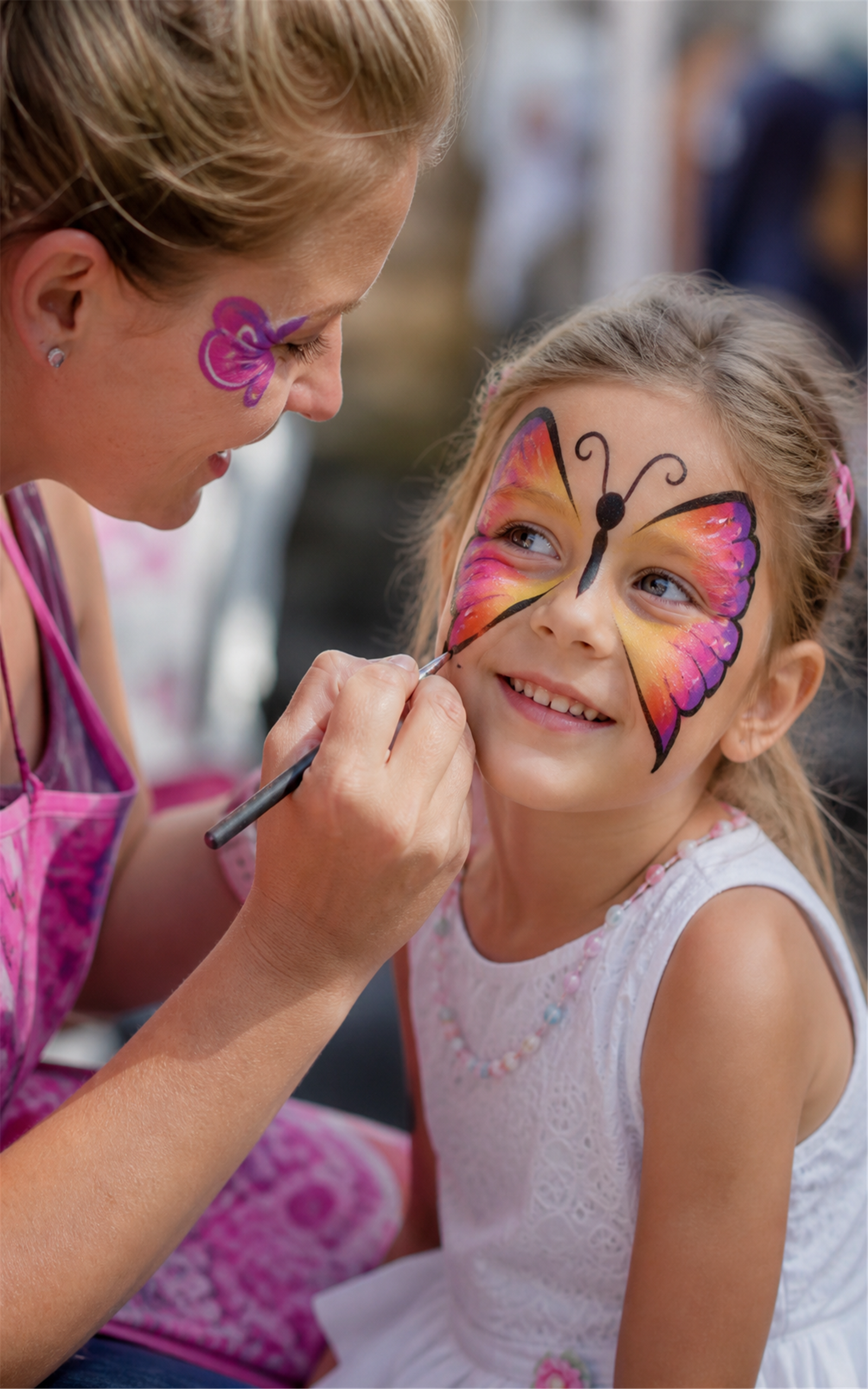
A face painting business sells professional event entertainment—not just artistic skill at a birthday party. You book events, define design menus, set guest capacity limits, manage lines on-site, and handle setup and teardown so hosts know exactly what they are hiring. Party planners and parents pay for fun that feels organized, safe, and easy to schedule rather than improvised.
That distinction matters. Painting faces well is not the same as running an entertainment business. Many artists accept events without guest-count limits, design menus, or setup plans that keep lines manageable and events profitable. Birthday parties, festivals, and community events continue to hire face painters when entertainment feels fun, organized, and easy to book—but only when hosts can see package details, capacity limits, and sanitation habits before the event starts.
This guide walks you through how to start a face painting business with professional habits: finding your opportunity, designing event packages, building your design menu and setup plan, running on-site workflows, pricing from your real costs, booking first parties and festivals, and growing through repeat events and referrals. By the end, you should understand what the business is, what you need to prepare, and what to verify locally before accepting paid bookings.
Birthday parties, festivals, and community events hire face painters when entertainment feels fun, organized, and easy to book. Your first step is understanding who you serve and what they expect from a professional service—not assuming your painting skill alone creates demand.
Face painting businesses succeed when hosts understand the package: design options, guest limits, setup needs, duration, and how you handle busy lines before the event date. Buyers are not simply purchasing art—they are purchasing confidence that children will be entertained without chaos, long waits, or surprises at checkout.
Different events bring different expectations, guest volumes, and decision-makers. Choose one primary profile for launch:
Parents book for a defined guest list and timeframe. They compare painters on design quality, child safety, punctuality, and whether you can serve all expected children within the party window.
High-volume, open-admission environments where line management and throughput matter as much as artistry. Organizers care about vendor reliability, setup footprint, and visible professionalism.
Schools, churches, nonprofits, and town celebrations often need entertainment that fits budgets, feels family-friendly, and runs without heavy supervision. Clear packages simplify committee approval.
Observe your local market: who do existing painters serve well, and where do hosts still express frustration—unclear pricing, no guest limits, inconsistent arrival times, or painters who run out of time before every child is served? Your opportunity often sits in operational clarity as much as in artistic talent.
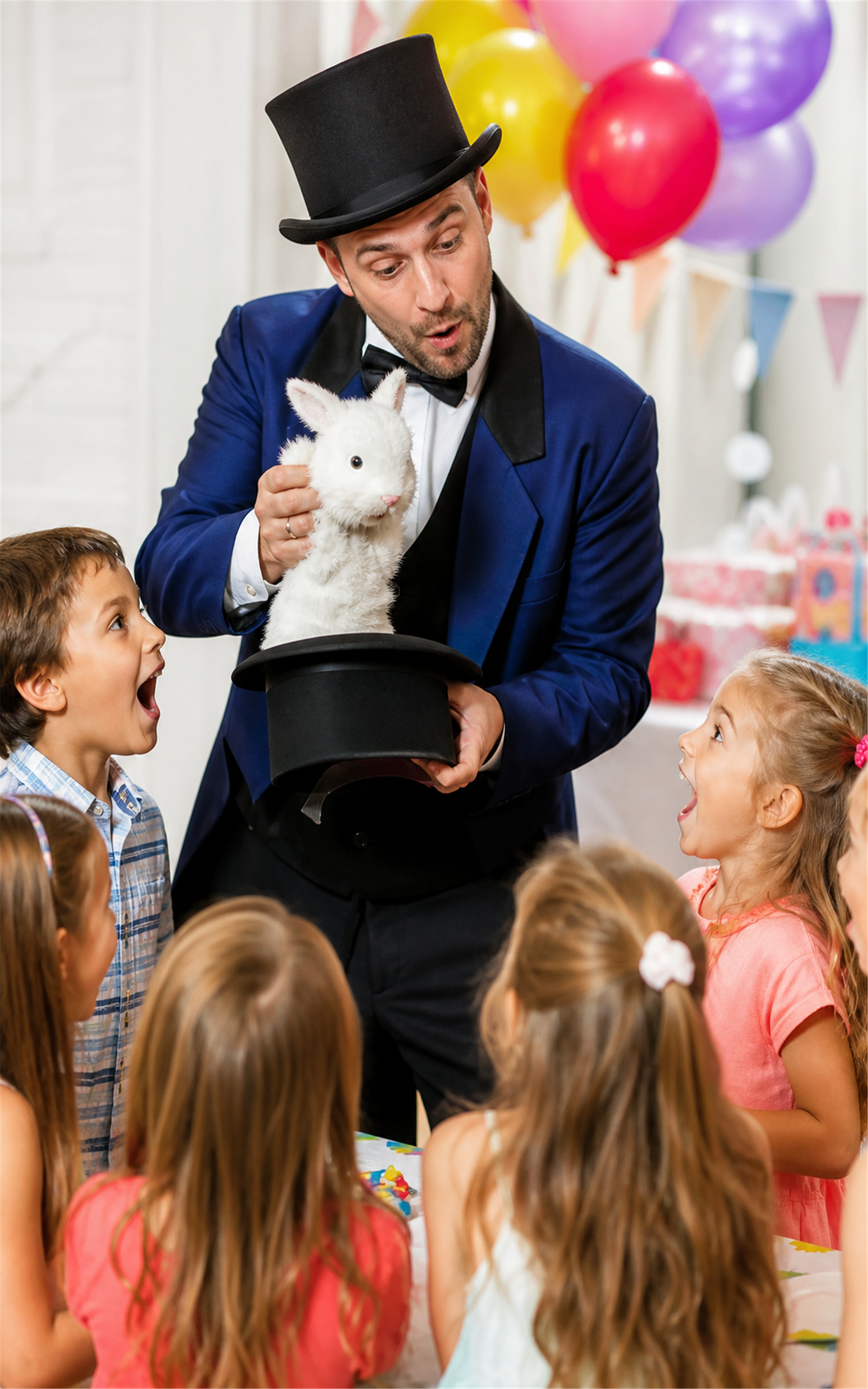
If children's events are your primary market, parent trust matters as much as design quality. Clear packages, visible sanitation habits, and professional intake build booking confidence—the same patterns covered in the children's entertainment business guide, adapted here for face painting delivery.
Practical takeaway: Write one paragraph describing your ideal first event and the host who hires you. List three questions they will ask before booking—and make sure your future intake process answers them.
Hosts need packages they can compare—not open-ended quotes that leave guest counts, duration, and design scope undefined. Your packages are the product; painting skill is how you deliver it.
Each model changes your capacity, overhead, and growth path:
You paint and manage bookings. Lower complexity at launch; capacity limited by your schedule and tested painting speed.
You employ or contract additional painters for large festivals or simultaneous bookings. Adds scheduling and quality control but increases throughput.
Face painting paired with balloon art, glitter tattoos, or other add-ons. Common at children's events; requires clear scope so hosts know what each service includes.
Recurring fair and market presence with booth setup, signage, and high-volume line systems. Suited to proven demand and tested throughput, not day one.
Design your service around the full path a host travels:
Translate your service into packages buyers can choose quickly:
Each package should state inclusions: duration, maximum faces or guests, design menu tier, travel area, setup and teardown time, and cancellation terms. If you offer bundled entertainment, the balloon decorating business guide shows how complementary party services define scope and booking clarity—useful when pairing face painting with decor or balloon art at the same event.
Practical takeaway: Draft three package tiers for your primary event profile. Each should name duration, guest limit, design menu scope, and what happens if attendance exceeds the limit—before you publish any prices.
A design menu is not a portfolio of every design you can paint—it is the curated set you commit to deliver quickly and consistently at events. Setup and kit discipline determine whether you arrive ready or scramble in the parking lot.
Limit your active menu to designs you can execute at event speed without sacrificing quality. A practical menu structure:
Display your menu on a board or tablet at events. When children choose from the menu, lines move faster and expectations stay aligned. Adding off-menu requests mid-event erodes capacity—your booking intake should note whether custom designs are included or excluded.
Build a portable kit organized for setup speed and child-facing sanitation:
Restock and clean your kit after every event—not before the next one when time is tight. Supplies left disorganized become sanitation failures under line pressure.
Define a standard setup sequence and time budget:
Include setup and teardown time in every package. Hosts who expect you to paint the moment you walk in will book insufficient time unless intake documents your arrival window. Outdoor events—like those in the backyard movie business guide—share similar setup logistics around timing, weather, and guest flow that face painters should plan for at residential parties.
Practical takeaway: Finalize a menu of ten to fifteen designs you can paint at event speed. Pack your kit, run a timed setup and teardown at home, and photograph your display board for booking materials.
On-site delivery is where package promises become real. Line management, child-facing sanitation, and calm throughput separate professional entertainers from artists who get overwhelmed mid-event.
Parents notice hygiene as much as design quality. Build these habits into every face painted:
Document your sanitation approach in intake materials and on your website. Schools, festivals, and cautious parents increasingly ask before booking.
Lines make or break host satisfaction at busy events. Plan for queue control before you arrive:
Test your faces-per-hour rate during practice sessions with your actual menu designs—not optimistic estimates. Use that number in every package and intake conversation.
Professional intake collects event date, start and end time, venue address, indoor or outdoor location, expected guest count, age range, parking and load-in details, host contact, design menu tier booked, and signed acknowledgment of policies. Confirm guest count again forty-eight hours before the event when possible.
Intake is also where you explain what happens when attendance exceeds your package limit—extended time at a pre-defined rate, upgrade to a larger package, or a hard cutoff. Clear intake prevents the conflicts that damage reviews and referrals.
Run a consistent painting rhythm: greet child, confirm design choice from menu, sanitize, paint, mirror check, thank and release. Avoid lengthy conversations mid-line unless volume is low. Take photos only with host permission and safe consent practices for minors.
After teardown, note actual faces painted, any supply issues, and timing gaps. These records improve your capacity estimates and package design over time.
Practical takeaway: Write a one-page on-site workflow checklist covering arrival, setup, sanitation steps, line rules, and teardown. Run one practice event—or timed simulation—and adjust your guest limits based on real throughput.
Hosts buy packages and capacity clarity—not open-ended promises. Pricing should reflect the full cost of delivering organized entertainment, not a rate copied from a competitor you cannot verify.
Consider every cost category that applies to your model:
Divide your fully loaded cost by the number of events you realistically book per month, then by guest capacity per package. Test whether each package price covers supplies for maximum guest count, travel, and your time—even when one booking cancels per month. Your numbers will differ by market; price from your spreadsheet, then adjust based on booking conversion and utilization.
Capacity limits protect margins and host expectations simultaneously. Define maximum faces per package based on tested throughput:
Underpricing often comes from accepting unlimited guests. A party host who expects thirty faces in ninety minutes but booked a twelve-face package will be disappointed regardless of your skill. Capacity clarity is part of the sale.
Include cancellation notice requirements, deposit terms, travel fees outside your service area, weather policies for outdoor events, and payment timing in your booking materials. Event entertainment is time-locked inventory—an unfilled slot you turned down is revenue you cannot recover.
Practical takeaway: Build a spreadsheet with per-event costs and test three package prices at different guest limits. Confirm each package remains viable if you serve the maximum guest count and spend full setup and teardown time. Publish policies before you quote prices verbally.
Trust drives bookings in event entertainment. Party hosts and festival organizers choose face painters who look organized, safe, and clear about what they deliver—not whoever posts the lowest unclear rate.
Avoid generic social posting without substance. Short videos showing your design menu, setup, line system, or sanitation routine demonstrate professionalism better than discount ads alone.
Entertainment businesses serving the same host audience—like those in the children's entertainment business guide—face parallel marketing patterns: parent trust, package clarity, and visible professionalism convert interest faster than broad reach without structure.
Practical takeaway: Book your first three events through direct outreach to hosts who match your target profile—before spending on ads. Document every question they ask and refine your intake materials after each conversation.
Growth means adding bookings and capacity only when on-site quality, line management, and setup discipline stay consistent—not accepting more events than your workflows can serve well.
A sensible progression:
Adding artists introduces quality control. Document design standards, sanitation routines, and line procedures anyone representing your brand must follow. One inconsistent painter at a festival booth can damage the trust that took months to build.
Complementary party services—balloon decorating and broader children's entertainment—often grow through the same referral loops: venue relationships, parent word-of-mouth, and repeat seasonal events. The operational discipline translates even when the service differs.
Practical takeaway: After your first five completed events, identify your most common capacity miscalculation and your strongest referral source. Fix the operations issue before adding a second artist or expanding festival commitments.
Use this four-week outline to move from interest to a controlled first booking. Each week builds on the last for a face painting business launch.
Confirm these essentials before you accept payment or schedule your first paid event.
A face painting business is a professional event entertainment service that books parties and festivals, delivers defined design menus, manages guest lines, and handles setup and teardown—not simply painting faces at informal gatherings. Success depends on clear event packages, child-facing sanitation habits, capacity limits hosts understand, and on-site workflows that keep events organized and profitable.
Requirements vary by country, state, city, and venue type. Some jurisdictions require business registration, liability insurance, or health-related permits for services involving children and cosmetic products. Festival and school contracts may impose their own vendor requirements. Confirm business registration, insurance, and any local rules before accepting paid bookings.
Many face painters begin as owner-operators with one kit, a defined design menu, and a controlled event schedule. Capacity depends on your painting speed, guest limits per package, travel time, and setup windows. One artist supports a launch when packages include realistic guest counts and booking intake prevents overcommitment.
State duration, maximum guest count or faces served, design menu tier, setup requirements, travel area, and overflow policy. Separate tiers for birthday parties, festivals, and community events help hosts choose quickly. Packages should describe what happens when attendance exceeds the limit—not an open-ended promise to paint every child who arrives.
Build pricing from painting time, travel, supplies, kit maintenance, insurance, booking overhead, cancellations, and desired margin. Test package prices in a spreadsheet using your numbers—not unverified competitor rates. Adjust after you track real throughput, guest counts, and booking conversion.
Define maximum faces per hour from tested speed and menu complexity. Communicate limits in every package, use visible design menus and queue systems, and set clear cutoffs when capacity is reached. Confirm expected attendance at booking and again before the event. Line management is part of the service hosts pay for.
Start with a defined event profile and controlled launch. Reach local hosts through search listings, parent networks, event planners, festival vendor applications, and referrals. Professional intake, visible design samples, and clear packages convert interest faster than discount advertising without structure.
Use clean applicators per child or a documented sanitizing routine between faces. Never paint over broken skin or active illness. Use cosmetic-grade skin paints, sanitize your hands during sessions, and store kits cleanly. Communicate your approach to parents—it builds the trust that drives repeat bookings at children's events.
This face painting business example was developed using eBook Business Builder—the workflow used to structure the guide, free lead magnet, offer assets, email series, and marketing content you see in the EBB Showroom below.
If you want to create your own eBook business around a topic you know, EBB walks you through research, writing, assets, and launch in a repeatable system. See how business assets fit together and launch marketing for your eBook business to understand the full EBB build model.
Start Building with eBook Business Builder →The flagship guide explains how to start a face painting business—event packages, design portfolio, booking intake, on-site workflow, and supplies—in a structured eBook format.
Chapters walk readers through evaluating the opportunity, designing event packages, building design menus and setup plans, running on-site workflows with line management and sanitation, pricing from costs, booking first parties and festivals, and growing through repeat events and referrals.
First Events & Design Setup — a lead magnet that helps readers evaluate whether face painting fits their artistic skills and identify sensible first steps before booking parties.
Many painters accept events without guest-count limits, design menus, or setup plans that keep lines manageable and events profitable.
Foundational first steps, common early mistakes to avoid, and a simple action plan readers can use before committing to event bookings or service launches.
Face Painting Startup Program
A practical flagship guide for readers ready to move from interest to action—with clear first steps and professional service habits for organized, bookable event entertainment.
Tools & References